Have you ever wondered how long your smoke detector will keep you safe? Knowing when to replace it can make all the difference in protecting your home and loved ones.
If you wait too long, you risk your detector failing when you need it most. You’ll discover exactly how long smoke detectors last and the simple steps you can take to make sure yours is always working. Keep reading to learn how to stay one step ahead and keep your home secure.
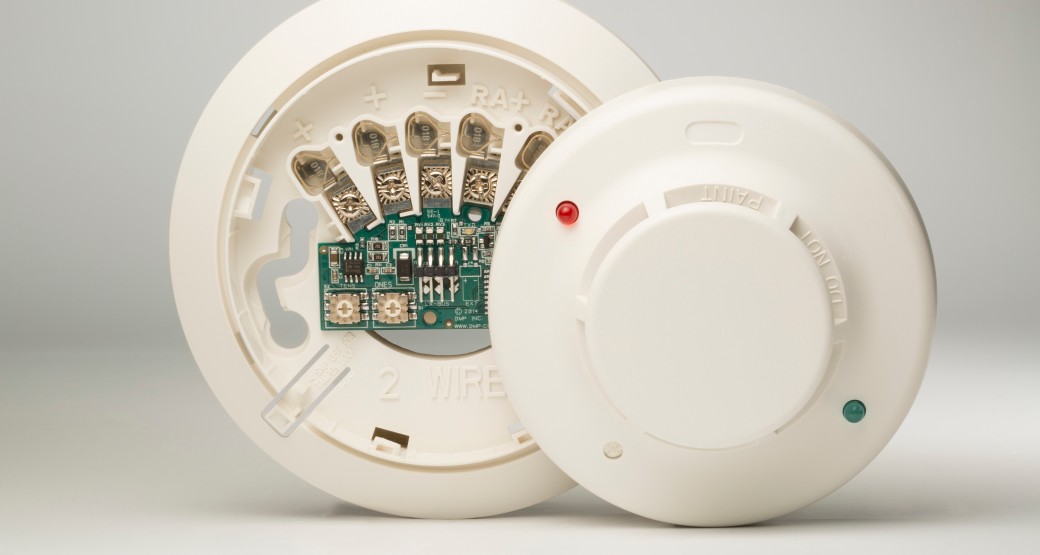
Credit: protechsecurity.com
Smoke Detector Types
Smoke detectors come in different types, each with its own way of sensing smoke. Knowing these types helps choose the right one for safety. The main types are ionization, photoelectric, and dual-sensor detectors. Each type detects smoke differently and lasts for various periods.
Ionization Smoke Detectors
Ionization detectors use a small amount of radioactive material. It creates a flow of ions inside the detector. Smoke disrupts this flow, triggering the alarm. These detectors respond fast to flaming fires. They usually last about 8 to 10 years.
Photoelectric Smoke Detectors
Photoelectric detectors use a light source and sensor. Smoke particles scatter the light, setting off the alarm. They detect smoldering fires better than ionization types. Their lifespan is typically around 8 to 10 years as well.
Dual-sensor Smoke Detectors
Dual-sensor detectors combine ionization and photoelectric technology. This allows them to detect both flaming and smoldering fires. They offer broader protection than single-sensor types. These detectors also last about 8 to 10 years on average.
Average Lifespan Of Smoke Detectors
Smoke detectors play a vital role in home safety. Knowing their lifespan helps keep your home protected. Most smoke detectors do not last forever. They need replacement after some years to work properly.
The average lifespan of a smoke detector varies by type and use. Understanding this helps you plan for timely replacements. Regular checks ensure your smoke detector stays reliable and effective.
Manufacturer Recommendations
Manufacturers suggest replacing smoke detectors every 8 to 10 years. This timeframe ensures sensors remain sensitive to smoke. After this period, detectors may fail to alert you in time.
Check the label or user manual for exact replacement dates. Some models have a built-in expiration date. Follow the manufacturer’s instructions to maintain safety standards.
Factors Affecting Longevity
Several factors can shorten a smoke detector’s lifespan. Dust, humidity, and temperature changes affect sensor performance. Frequent false alarms may indicate sensor problems.
Battery type and maintenance also impact longevity. Hardwired detectors with backup batteries often last longer. Regular cleaning and testing help extend your smoke detector’s life.
Signs Your Smoke Detector Needs Replacement
Smoke detectors protect your home and family from fire risks. Knowing when to replace your smoke detector is vital. Some signs show your smoke detector may no longer work well. Recognizing these signs helps keep your home safe.
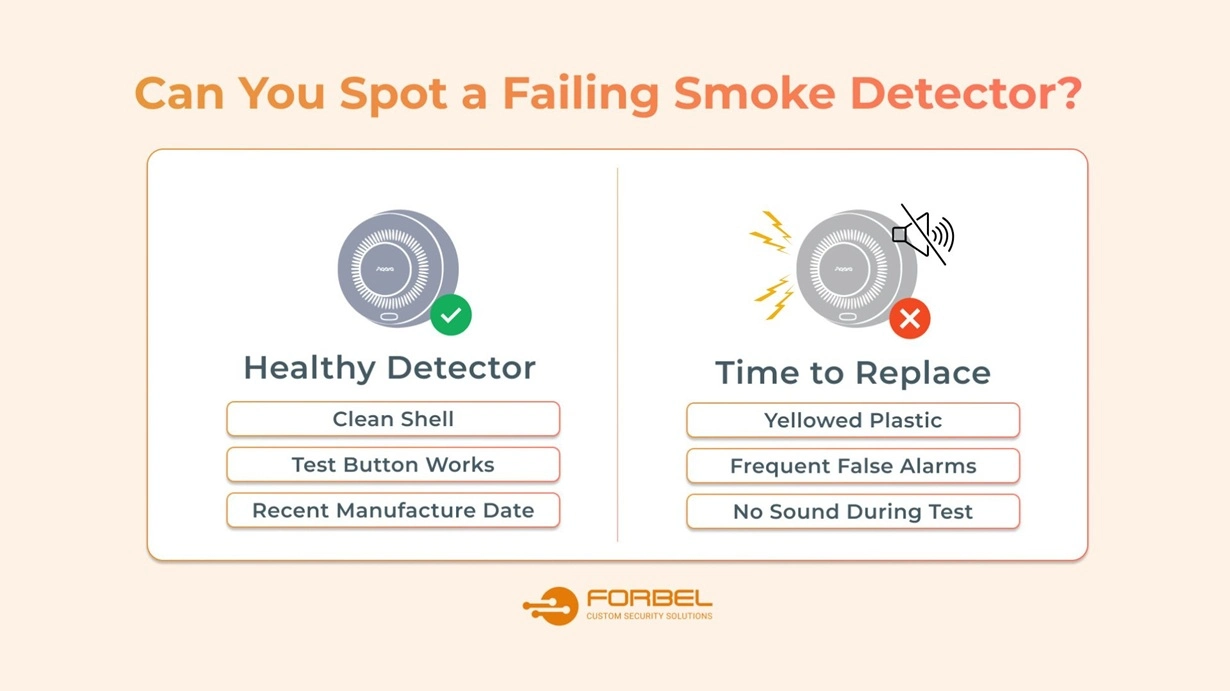
Frequent False Alarms
False alarms happen more often than normal. The smoke detector may beep without smoke or fire. Dust, insects, or old sensors can cause this. Too many false alarms mean the detector may fail soon. Replace it to avoid missing real warnings.
No Response To Test Button
Press the test button regularly to check the alarm. No sound or a weak beep shows a problem. The battery may be dead, or the unit is faulty. If replacing batteries does not help, replace the detector. A working alarm saves lives.
Physical Damage Or Wear
Look for cracks, dents, or discoloration on the device. Damage can stop the smoke detector from working properly. Dust and dirt buildup also reduce sensitivity. Clean the detector, but replace it if damage stays. Old detectors lose effectiveness over time.
Battery Life And Maintenance
Battery life and proper maintenance play a big role in how long a smoke detector lasts. Batteries power the alarm and help it work correctly. Without good batteries, the smoke detector cannot warn you in time. Regular care helps keep the detector ready to protect your home.
Types Of Batteries Used
Smoke detectors use different types of batteries. Most use 9-volt batteries or AA batteries. Some models come with long-life lithium batteries. Lithium batteries last longer than regular ones. Choosing the right battery is important for safety. Check your smoke detector’s manual for the best battery type.
Replacing Batteries On Time
Replace batteries every year or when the alarm beeps. The beeping sound means the battery is low. Do not ignore this warning. New batteries keep the alarm working well. Mark a date on the calendar to remind yourself. Timely replacement prevents failures during emergencies.
Maintaining Optimal Performance
Clean the smoke detector at least twice a year. Dust and dirt can block the sensors. Use a soft brush or vacuum cleaner. Test the alarm monthly by pressing the test button. This ensures the batteries and sensors work. Good maintenance helps the detector last longer.
Installation And Environmental Impact
Smoke detectors do not last the same everywhere. How you install them and the environment around them affect their life. Good installation and proper care help smoke detectors work longer. This section explains how placement and surroundings change their lifespan.
Proper Placement For Longevity
Place smoke detectors on ceilings or high walls. Smoke rises, so detectors catch smoke faster there. Avoid corners or near windows and vents. Airflow can push smoke away from detectors. Install detectors at least 10 feet from cooking appliances. This lowers false alarms and keeps detectors working well.
Effect Of Humidity And Dust
High humidity can damage smoke detectors. Moist air may cause false alarms or sensor failure. Dust buildup blocks sensors and reduces sensitivity. Clean detectors regularly with a soft brush or vacuum. Keep detectors away from bathrooms or dusty places. This protects sensors and extends their life.
Temperature Considerations
Extreme temperatures harm smoke detectors. Heat can damage batteries and circuits. Cold slows battery performance. Install detectors in places with normal indoor temperatures. Avoid attics, garages, or unheated basements. Stable temperatures help detectors last longer and work properly.
Disposing And Recycling Old Smoke Detectors
Old smoke detectors need proper disposal. These devices contain small amounts of radioactive material or batteries. Throwing them in the trash can harm the environment or cause safety issues. Knowing how to dispose and recycle smoke detectors helps protect nature and people.
Safe Disposal Methods
Remove the batteries before disposal. Check local rules for hazardous waste. Some areas require special drop-off sites. Use a sealed bag to store old detectors. Avoid breaking or damaging the device. This prevents the release of harmful substances.
Recycling Programs
Some manufacturers offer recycling programs. They accept used smoke detectors by mail or drop-off. These programs recover valuable parts safely. Contact the brand or visit their website for details. Recycling helps reduce waste and recovers materials for reuse.
Upgrading To Smart Smoke Detectors
Upgrading to smart smoke detectors brings modern features to home safety. These devices connect to your phone and alert you instantly. They offer more control and peace of mind than traditional models. Smart smoke detectors can improve response time during emergencies. Many homeowners find them easy to install and use.
Benefits Of Smart Models
Smart smoke detectors send alerts directly to your phone. This helps you act quickly, even when away from home. They often include voice alerts and silence buttons. Some models detect both smoke and carbon monoxide. They can link with other smart home devices for better safety. Regular updates improve their performance over time.
Expected Lifespan Compared To Traditional
Smart smoke detectors usually last 8 to 10 years. This is similar to traditional smoke alarms. Their batteries may last longer, especially if rechargeable. Some smart models warn you when the battery is low. Regular maintenance is still important to keep them working well. Replacing old detectors on time ensures safety.
Credit: support.firstalert.com
Credit: forbel.com
Frequently Asked Questions
How Long Do Smoke Detectors Typically Last?
Smoke detectors usually last between 8 to 10 years. After this period, their sensors may become less effective. Regular replacement ensures your home safety and compliance with fire safety standards.
When Should I Replace My Smoke Detector Battery?
Replace your smoke detector battery at least once a year. Some models have sealed batteries lasting up to 10 years. Regular battery checks keep your detector functioning properly and prevent false alarms.
Can Smoke Detectors Stop Working Without Warning?
Yes, smoke detectors can fail silently due to sensor aging or dust buildup. Regular testing and timely replacement are essential to ensure they work when needed.
How Do I Know If My Smoke Detector Is Expired?
Check the detector’s manufacturing date on its back. If it’s over 10 years old, replace it immediately. Expired detectors may not detect smoke effectively, risking your safety.
Conclusion
Smoke detectors usually last about 8 to 10 years. Replace them after this time for safety. Test your alarms monthly to keep them working well. Change batteries at least once a year. A working smoke detector can save lives. Don’t ignore any signs of malfunction.
Stay safe by keeping your smoke detectors updated. Small steps make a big difference in home safety. Trust your alarms to warn you early. Regular care keeps your family protected.