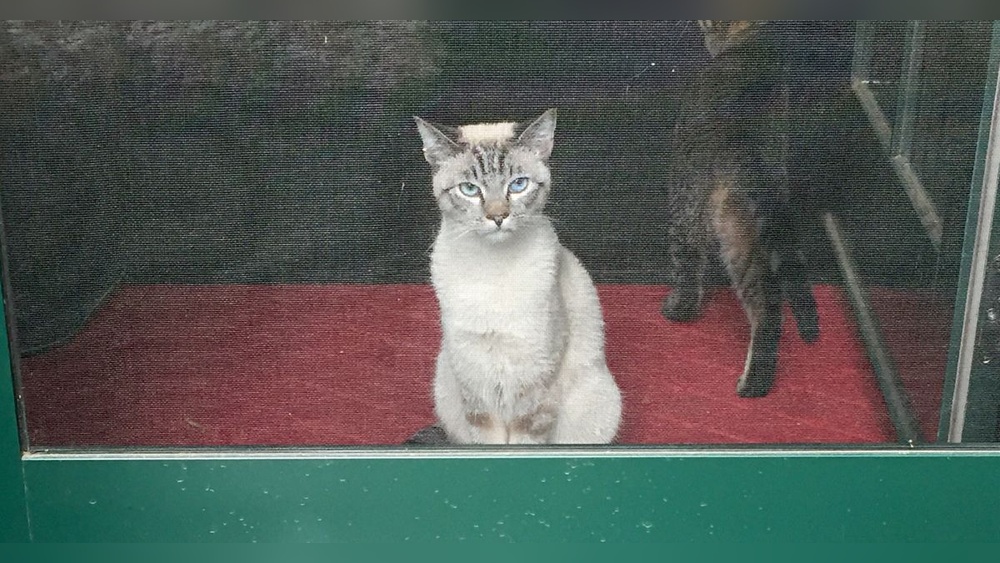

Your screen door is one of the first things guests see when they visit, but if you have pets, it can quickly become scratched, torn, or damaged. You want to keep your home looking great while still letting your furry friends enjoy fresh air and the outside view.
But how can you protect your screen door without keeping your pets locked inside? You’ll discover simple, effective ways to safeguard your screen door from pet damage—so you can enjoy peace of mind and a beautiful door that lasts. Keep reading to learn the easy tips that will make a big difference for you and your pets.

Credit: www.wideworldofindoorsports.com
Common Screen Door Damage By Pets
Pets love to explore and play near screen doors. Their natural behaviors often cause damage. Knowing common types of damage helps protect your screen door better.
Pets use their claws and teeth in different ways. These actions can weaken or tear the screen. The damage can be costly to fix and reduce your door’s lifespan.
Scratches And Claw Marks
Pets scratch screens with sharp claws. Cats and dogs often leave visible marks. These scratches can create holes and weaken the screen material. Over time, small scratches grow larger.
Chewing And Biting
Some pets chew the screen edges or corners. Puppies and young pets especially bite out of curiosity. Chewing can tear the screen fabric quickly. It also damages the door frame if they bite hard.
Pawing And Clawing
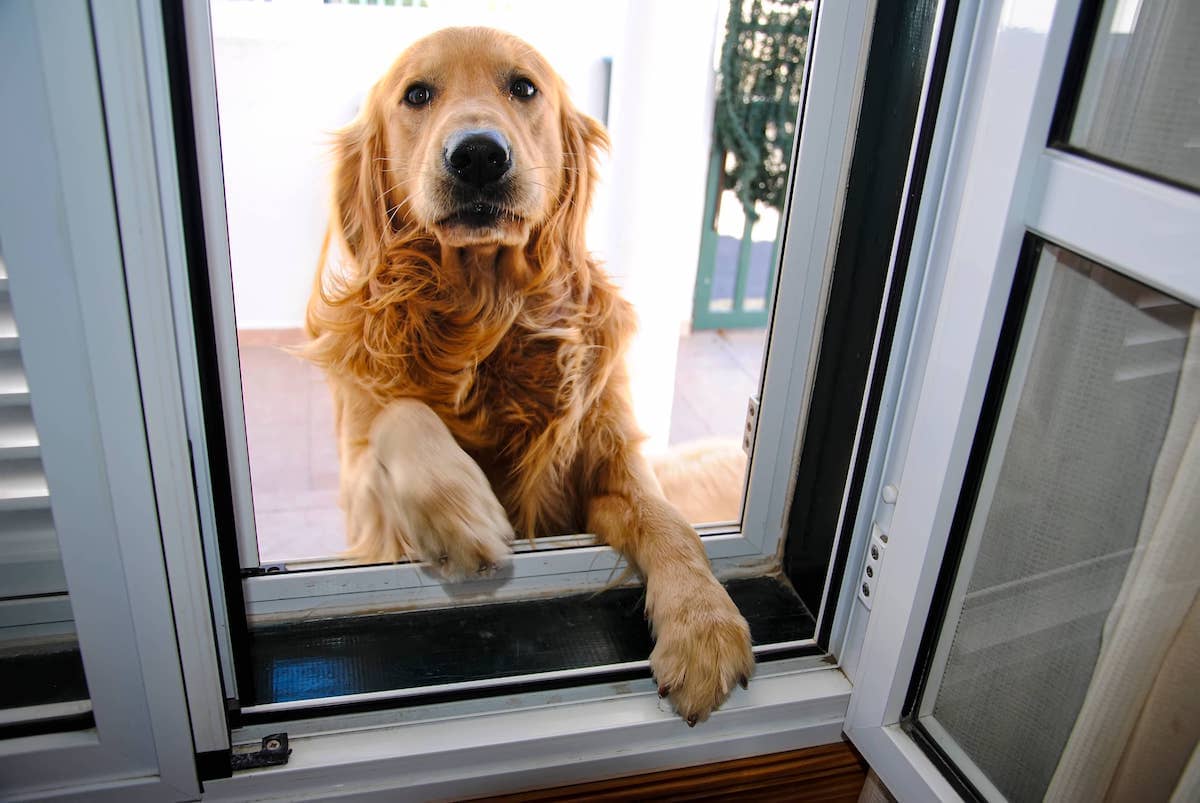
Pets paw or claw at screens to get outside. This repeated motion stresses the screen mesh. Pawing can stretch or push the screen out of place. It may create gaps for insects to enter.
Impact From Jumping
Pets jump against screen doors to catch attention. This impact can loosen the screen frame. Repeated jumping may cause the screen to sag or fall out. It can also damage door hinges or locks.
Credit: kdfoundation.org
Choosing Durable Screen Materials
Choosing durable screen materials helps protect your screen door from pet damage. Pets can scratch or tear weak screens quickly. Strong materials stand up to claws and rough play. This section covers the best screen options to keep your door safe and lasting longer.
Pet-resistant Screen Options
Pet-resistant screens are made to handle pet wear and tear. They use stronger fibers and tighter weaves. These screens resist claw tears and avoid holes. Many pet owners prefer these screens for durability and peace of mind.
Metal Vs. Fiberglass Screens
Metal screens are very tough and resist damage well. They do not tear easily and keep pets out. Fiberglass screens are softer but still hold up to pets. They do not dent or rust like metal. Fiberglass offers a balance of strength and flexibility.
Reinforced Screen Mesh Benefits
Reinforced mesh adds extra strength to regular screens. It uses thicker threads or extra layers of material. This reinforcement stops pets from breaking through. Screens with reinforced mesh last longer and save money on repairs.
Protective Accessories For Screen Doors
Protective accessories help keep your screen door safe from pet damage. They stop scratches, tears, and dents caused by claws and teeth. These tools extend the life of your screen door and save money on repairs. Choosing the right accessory depends on your pet’s size and behavior.
Screen Door Guards And Covers
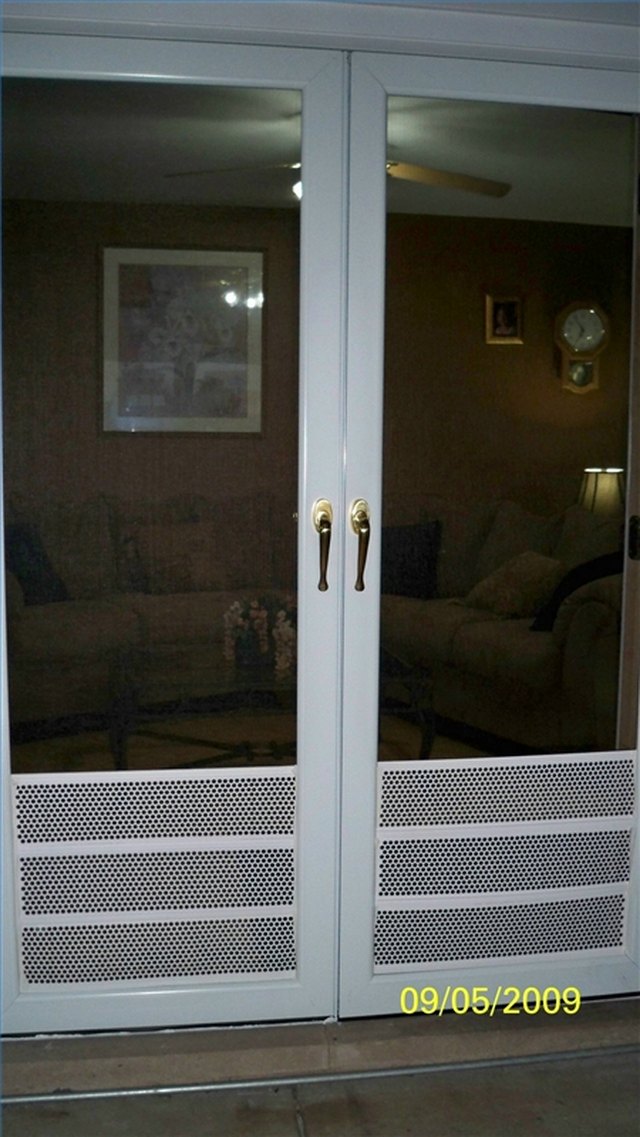
Screen door guards protect the lower part of the door. They are made from metal or plastic and attach easily. These guards block pets from scratching or pushing through the screen. Covers can be clear or mesh, blending well with your door’s look. They keep the screen intact without blocking air flow.
Pet Door Inserts
Pet door inserts give your pet a special way to go in and out. They fit into the screen door and are made to be strong. Inserts stop pets from pushing or scratching the screen around the door edges. They come in different sizes for small and large pets. This accessory helps control pet access without damage.
Scratch-resistant Films
Scratch-resistant films add a clear layer over your screen door. These films make the screen stronger and harder to tear. They are easy to apply and remove without leaving marks. Films protect against sharp claws and rough play. They keep your screen door looking new for longer.
Credit: clawguard.com
Training Pets To Respect Screen Doors
Training pets to respect screen doors helps protect your home and keeps pets safe. Pets may scratch or push screen doors, causing damage. Teaching them proper behavior reduces repair costs and stress. Patience and clear guidance make training successful.
Positive Reinforcement Techniques
Reward pets when they stay calm near screen doors. Use treats or gentle praise to encourage good behavior. Praise pets immediately after they follow your command. This helps pets understand what you want from them. Consistency is key for lasting results.
Discouraging Scratching Behavior
Stop pets from scratching screens by redirecting their attention. Use a firm “no” and guide them away from the door. Provide chew toys or scratching posts as alternatives. Avoid yelling, which may scare or confuse pets. Calm correction works best for training.
Providing Alternative Play Areas
Create play zones away from screen doors to reduce damage. Use toys, beds, or playpens in safe spots. Pets need outlets for energy and curiosity. Engaged pets are less likely to bother screen doors. Rotate toys to keep pets interested and active.
Regular Maintenance Tips
Regular maintenance helps keep your screen door safe from pet damage. Small fixes stop big problems. Taking care of your screen door often saves time and money. It also keeps your door looking nice and working well.
Inspecting For Early Damage
Check your screen door every week. Look closely at the screen for small tears or holes. Watch for loose or bent frames. Pets can cause damage that starts small but grows fast. Catching these early stops bigger holes and keeps pets out.
Cleaning And Repairing Screens
Clean the screen gently with a soft brush or cloth. Use mild soap and water to remove dirt. Avoid harsh chemicals that can weaken the screen. Fix small tears with a screen patch or glue. Tighten any loose frames or hinges. Clean and repair often to keep your screen strong and neat.
Seasonal Care Advice
Change your maintenance routine with the seasons. In spring and fall, check for damage caused by weather changes. Remove dirt and debris that gather around the door. Winter can make screens brittle, so inspect more often. Summer means more pet activity, so watch for new scratches or holes. Adjust care to protect your screen door all year long.
Diy Repairs And Reinforcements
DIY repairs and reinforcements are practical ways to protect your screen door from pet damage. Pets often scratch or push on screen doors, causing tears or holes. Fixing these issues early can stop them from getting worse. Simple tools and materials can help you repair and strengthen your screen door easily.
Patch Kits For Small Holes
Patch kits are perfect for fixing tiny holes in screen doors. These kits usually include a small piece of screen mesh and adhesive. Clean the damaged area first. Cut the patch to cover the hole fully. Press the patch firmly onto the screen and let it dry. This quick fix keeps bugs out and prevents the hole from growing.
Using Protective Tape
Protective tape adds a layer of defense to vulnerable spots on your screen door. It is easy to apply and remove. Clean the screen surface before placing the tape. Apply strips along edges or areas where pets scratch most. The tape helps reduce damage and extends the screen’s life. Choose clear tape for a neat look.
Adding Reinforcement Strips
Reinforcement strips strengthen the screen’s frame and mesh. Use plastic or metal strips designed for screen doors. Attach them along the edges or over weak points. Secure strips with small screws or strong adhesive. This method stops pets from pushing through the screen. It also adds durability without changing the door’s appearance.
Frequently Asked Questions
How Can I Prevent Pets From Damaging Screen Doors?
Use durable pet-resistant screens and protective guards. Train pets to avoid scratching. Regularly trim their nails to reduce damage risk.
What Materials Are Best For Pet-proof Screen Doors?
Pet-proof screens made of fiberglass or metal mesh are ideal. They resist tears and scratches better than standard screens.
Are Screen Door Protectors Effective For Pet Safety?
Yes, protectors shield screens from claws and bites. They extend door life and keep pets safe from sharp edges.
How Often Should I Inspect My Screen Door For Pet Damage?
Check your screen door weekly for tears or holes. Early detection helps prevent bigger damage and costly repairs.
Conclusion
Protecting your screen door from pets takes simple steps. Use pet-friendly barriers or screens to keep damage away. Trim your pet’s nails to reduce scratches. Train pets to stay calm near the door. Regularly check for any weak spots or tears.
These small actions help your screen door last longer. Enjoy a safe and pet-friendly home without worries. Keep your door looking good and your pets happy. Simple care makes a big difference every day.