
If you have a pet, you know how tricky it can be to keep your screen door safe and intact. Your furry friend might love to scratch, jump, or push against it, which can quickly lead to tears or damage.
But what if you could protect your screen door without losing fresh air and natural light? In this guide, you’ll discover simple, effective ways to pet proof your screen door so your home stays cozy, your pet stays happy, and your door stays strong.
Keep reading—you’ll find solutions that really work for you and your pet’s needs.
Credit: www.miragescreensystems.com
Assessing Screen Door Risks
Assessing screen door risks is the first step to keep pets safe. Pets often test boundaries around doors. They can damage screens or hurt themselves. Understanding how pets act near doors helps prevent problems. This section explains common behaviors and weak spots in screen doors.
Common Pet Behaviors Near Doors
Pets may scratch, bite, or push screen doors. Dogs often jump or paw at screens. Cats may claw to see outside or chase insects. Some pets chew on door edges or handles. These actions cause tears, holes, and loose frames. Recognizing these behaviors helps to prepare the door better.
Identifying Vulnerable Areas
Check the screen material for thin or worn spots. Look at the edges where the screen meets the frame. Hinges and locks might be loose or weak. Areas near the bottom get more damage from pets. Notice gaps or spaces pets could squeeze through. Fixing these weak points reduces risks and keeps pets safe.

Credit: www.liftingitalia.com
Choosing Durable Screen Materials
Choosing the right screen material is key to pet-proofing your screen door. The material must be strong enough to resist scratches and bites from pets. It should also allow fresh air and light to enter your home. A durable screen keeps pets safe and your door intact. Let’s explore some common screen materials and their benefits for pet owners.
Metal Vs. Fiberglass Screens
Metal screens are tough and last a long time. They handle scratches and claw marks well. Aluminum is a popular metal choice because it resists rust. Metal screens may feel cooler and offer better security. On the downside, metal can dent or bend if hit hard.
Fiberglass screens are lighter and easy to install. They do not rust and resist corrosion. Fiberglass screens are flexible but can tear if pets scratch too much. They also come in various colors, helping them blend with your door’s design. Fiberglass is a good choice for smaller pets.
Pet-resistant Screen Options
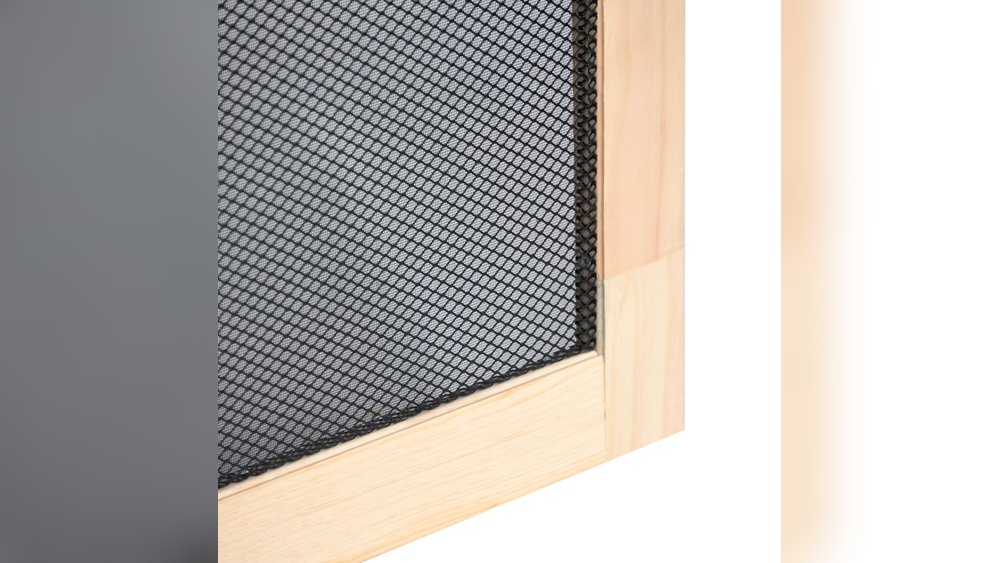
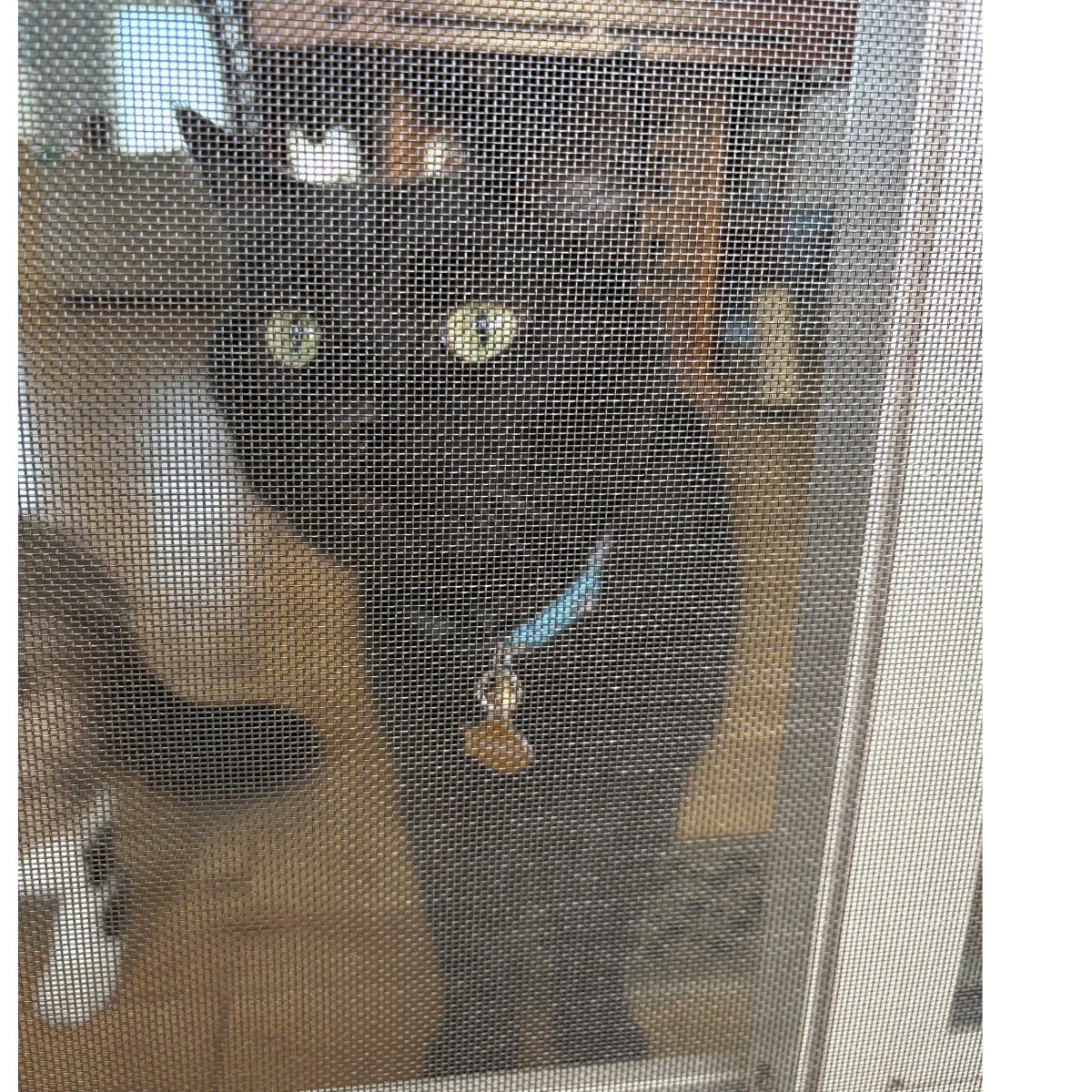
Pet-resistant screens are made with stronger fibers than regular screens. These screens often use vinyl-coated polyester mesh. This material resists tears and scratches better than standard options. Some pet-resistant screens also have smaller mesh holes. Smaller holes prevent pets from pushing through or getting stuck.
These screens keep your pet safe without blocking airflow. They are easy to clean and maintain. Pet-resistant screens offer a practical solution for active pets. They help extend the life of your screen door and reduce repair costs.
Reinforcing The Screen Door Frame
Reinforcing the screen door frame helps protect it from pet damage. Pets often scratch or push the door, causing wear and tear. Strengthening the frame keeps the screen intact longer. It also stops pets from slipping through gaps or broken areas.
Simple reinforcements improve durability and safety. Choose methods that suit your door type and pet size. Use strong materials that resist chewing and scratching.
Installing Protective Guards
Protective guards shield the door frame from pet claws and teeth. Metal or plastic guards fit along the edges and corners. They create a tough barrier that pets cannot easily damage.
Install guards with screws or adhesive strips. Make sure the guards cover the most vulnerable spots. Choose guards that match your door’s style and color.
Securing Door Edges
Door edges often weaken from pet activity. Secure them with weatherstripping or rubber seals. These materials cushion impacts and prevent gaps.
Check edges regularly for loose or damaged parts. Tighten screws or replace worn strips. A secure edge stops pets from pushing the door open or tearing the screen.

Credit: www.arloren.com
Adding Barriers And Deterrents
Adding barriers and deterrents helps protect your screen door from pet damage. Pets often scratch or push through screens out of curiosity or boredom. Creating physical and sensory obstacles can stop this behavior. Barriers block access, while deterrents discourage pets from approaching.
Using Screen Door Covers
Screen door covers add a strong layer over the screen. These covers usually come in mesh or plastic materials. They stop pets from scratching or biting the screen. Installing a cover is simple and does not harm the door. Choose a cover that fits tightly and blends with your door’s style. Covers also protect against dirt and weather damage. They last longer than just repairing screens repeatedly.
Applying Pet Deterrent Sprays
Pet deterrent sprays create an unpleasant smell or taste for pets. Spray these on the screen door frame or nearby areas. Pets dislike the scent and avoid the door. These sprays use safe, non-toxic ingredients for animals and humans. Reapply the spray regularly for best effect. Deterrents work well combined with physical barriers. They help pets learn to stay away without harsh training.
Training Pets For Door Safety
Training pets for door safety is vital to protect both your screen door and your furry friends. Pets often get excited near doors, which can lead to scratches or escapes. Teaching them proper behavior helps keep your home safe and your pets calm.
Start training early and be consistent. Use clear commands and rewards to guide your pet’s actions. This approach builds good habits around the door area.
Teaching Door Boundaries
Begin by setting clear boundaries near the screen door. Use a physical marker like a rug or tape to show your pet where they should stop. Stand with your pet on a leash and gently guide them to stay behind the line.
Practice this daily. Praise and reward your pet when they obey. This teaches respect for the door area and reduces damage risks.
Positive Reinforcement Techniques
Use treats and praise to encourage good behavior near the screen door. Reward your pet immediately when they follow commands like “stay” or “wait.” This helps them associate the door area with positive experiences.
Ignore unwanted actions like scratching or jumping on the door. Redirect your pet calmly to the correct behavior. Consistent rewards and patience make training effective and stress-free.
Regular Maintenance Tips
Keeping your screen door safe for pets needs regular care. Small issues can turn into big problems fast. Checking the door often helps catch damage early. This saves money and keeps pets safe.
Inspecting For Damage
Look at the screen for holes or tears. Check the frame for cracks or loose parts. Notice any bent or broken edges. Watch for signs of rust or wear on hinges. Test the door’s movement to spot stiffness or sticking. Do this at least once a month. Early spotting stops pets from escaping or hurting themselves.
Quick Repair Solutions
Fix small holes with screen patches or tape. Tighten loose screws or replace missing ones. Use weatherproof glue to fix cracks in the frame. Replace rusty hinges to keep the door smooth. Swap out damaged screens before pets worsen the holes. Act fast to keep your screen door strong and safe.
Frequently Asked Questions
How Can I Protect My Screen Door From Pet Damage?
Use durable pet-proof screens made of metal or heavy-duty materials. Install protective guards or panels on lower sections. Regularly trim your pet’s nails to reduce tearing risks.
What Are The Best Materials For Pet-proof Screen Doors?
Pet-proof screens use strong materials like stainless steel mesh or heavy-duty fiberglass. These resist scratches and tears better than standard mesh. They ensure longer-lasting protection against pets.
How Do I Train My Pet To Respect The Screen Door?
Use positive reinforcement to discourage scratching or pushing. Provide toys and distractions near the door. Consistent training helps pets understand boundaries and reduces damage.
Can Screen Door Protectors Prevent Pet Scratches Effectively?
Yes, screen door protectors like plastic or metal kick plates shield vulnerable areas. They absorb impact and prevent scratches, extending the screen door’s life.
Conclusion
Pet proofing a screen door keeps your home safe and clean. Small changes make a big difference for your pets. Use strong materials that resist claws and teeth. Check the door often for any damage or loose parts. Teach your pets to use the door gently.
These steps protect your screen and give pets freedom. Enjoy a safer, pet-friendly home with less worry. Take action today for a door that lasts longer. Your pets and screen door will both thank you.