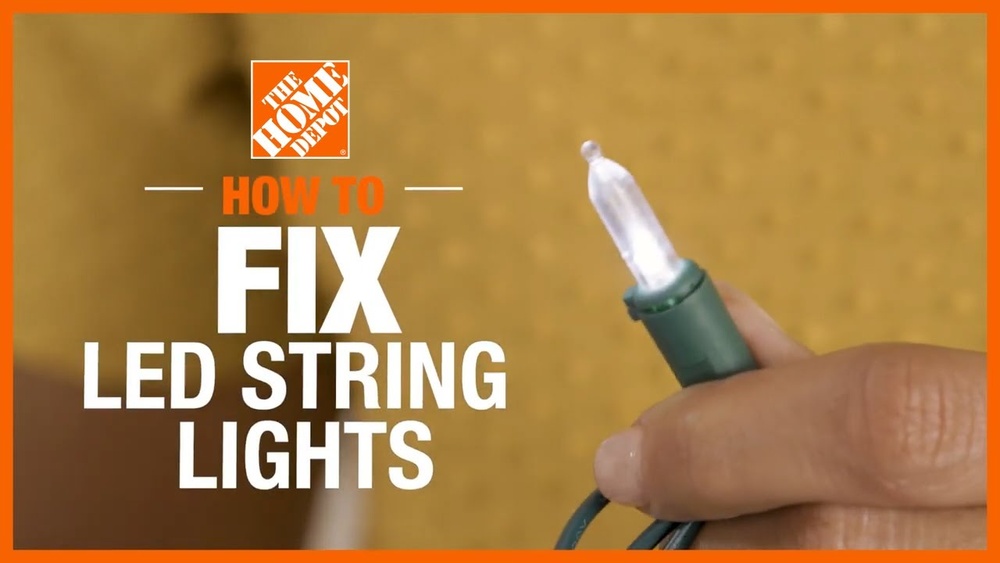

Are your LED string lights flickering or not lighting up at all? Don’t toss them out just yet.
You can save your favorite lights with a few simple fixes. Imagine bringing back the warm glow that brightens your space without spending a dime on new ones. In this guide, you’ll discover easy steps to repair your LED string lights quickly and safely.
Keep reading, and you’ll be amazed at how simple it is to restore their sparkle and keep your home shining bright.

Credit: www.youtube.com
Common Issues With Led String Lights
LED string lights are popular for decoration and lighting. They are energy-efficient and last long. Still, they face common problems that stop them from working properly. Knowing these issues helps you fix them fast and save money.
Burnt Out Bulbs
Burnt out bulbs are a frequent cause of failure. A single bulb can affect the entire string. Bulbs may burn out from old age or voltage spikes. Replacing burnt bulbs often restores the light quickly.
Damaged Wires
Wires can break or fray over time. Damage happens from bending, pulling, or weather. Exposed wires create shorts and stop the lights. Check wires carefully for cuts or cracks before repair.
Faulty Connectors
Connectors join string sections or plug into power. Loose or dirty connectors cause flickering or no light. Dirt and moisture can block connections. Clean or tighten connectors to improve performance.
Power Supply Problems
Power supply issues include broken plugs or adapters. Incorrect voltage or damaged cords prevent lights from working. Testing the power source ensures the string gets electricity. Replace faulty power parts to fix the lights.
Tools Needed For Repairs
Repairing LED string lights requires specific tools. These tools help you find problems and fix them safely. Having the right tools makes the repair process easier and faster. Below are the main tools you need for LED string light repairs.
Basic Electrical Tools
Start with simple electrical tools. Wire cutters help remove damaged wires. Electrical tape insulates and protects connections. A small screwdriver is useful to open covers or tighten screws. Needle-nose pliers grab small parts and bend wires easily. These tools are essential for most repairs.
Testing Equipment
Testing tools identify faulty parts. A multimeter measures voltage, current, and resistance. It helps find breaks in the circuit. A continuity tester checks if wires connect properly. These tools save time by showing where the problem lies.
Replacement Parts
Keep spare parts ready for quick fixes. Replacement LED bulbs match your string lights. Extra wires help replace broken sections. Connectors and solder can join wires securely. Having parts on hand means you can repair lights without delay.
Step-by-step Bulb Replacement
Replacing a faulty bulb in LED string lights is a simple task. It brings your lights back to life quickly. Follow clear steps to fix the bulbs safely and effectively. This guide helps you through the process without confusion.
Identifying The Faulty Bulb
Start by checking the whole string. Look for bulbs that do not light up. Sometimes, the broken bulb looks dark or discolored. Gently wiggle each bulb to see if it flickers. A bulb that does not respond likely needs replacement. Mark that bulb to find it easily later.
Removing And Replacing Bulbs
Turn off and unplug the lights first. This step keeps you safe from electric shock. Carefully pull out the faulty bulb by twisting or pulling, depending on your string type. Avoid using force to prevent damage. Insert a new bulb matching the original type. Push or twist it firmly into place. Make sure it fits well and sits correctly.
Testing After Replacement
Plug the string lights back in. Turn them on and observe the new bulb. It should glow brightly and match other bulbs. If the bulb still does not work, try replacing it again. Check the fuse or wiring if problems continue. Testing confirms your repair success and ensures safety.
Fixing Broken Wires
Fixing broken wires in LED string lights is a common repair task. It helps bring your lights back to life without buying new ones. The process involves finding the damaged area, preparing the wires, and securing the fix. This section guides you through each step clearly and simply.
Locating Wire Damage
First, check the entire string for visible cuts or breaks. Look for areas where the wire insulation is cracked or worn out. Gently bend the wire along its length to spot hidden breaks. Use a multimeter to test for electrical continuity. The point where the circuit stops working is likely the damaged spot.
Stripping And Splicing Wires
Once you find the broken wire, carefully cut out the damaged section. Use wire strippers to remove about half an inch of insulation from each wire end. Twist the exposed wire strands together tightly. Splice the wires by overlapping and twisting them for a strong connection. Keep the wires clean and avoid pulling them apart.
Using Electrical Tape And Heat Shrink Tubing
Cover the spliced wires with heat shrink tubing before connecting. Slide the tubing over one side before twisting wires. After joining wires, move the tubing over the splice. Use a heat gun or hair dryer to shrink the tubing tightly around the wires. Add electrical tape for extra protection and insulation. This prevents short circuits and keeps the repair secure.
Repairing Connectors And Plugs
Repairing connectors and plugs is a key step in fixing LED string lights. Connectors carry electricity from the power source to the lights. If a connector or plug breaks, the whole string may stop working. Fixing these parts can save money and extend the life of your lights. This section explains how to check, re-solder, and replace connectors safely and easily.
Checking Connector Integrity
Start by examining the connectors closely. Look for cracks, corrosion, or bent pins. Damaged connectors can stop electricity flow or cause shorts. Use a flashlight to see inside small spaces. Check if the plug fits tightly into the socket. Loose connections often cause flickering or no light at all.
Re-soldering Loose Connections
Loose wires inside connectors are common problems. Use a soldering iron to fix them. Heat the solder joint until it melts, then apply fresh solder. Avoid using too much solder, which can cause shorts. Let the joint cool before testing. Secure wires carefully to prevent movement. Re-soldering restores good electrical contact and improves light function.
Replacing Damaged Connectors
Sometimes connectors are too damaged to repair. Cut off the broken part using wire cutters. Strip the wire ends carefully. Attach a new connector matching the old one. Crimp or solder the wires to the new connector. Use electrical tape or heat shrink tubing to cover exposed wires. Test the string light to confirm the fix. Replacing connectors ensures safe, steady power flow.

Credit: www.reddit.com
Troubleshooting Power Supply Issues
Troubleshooting power supply issues is the first step in fixing LED string lights that do not turn on. The power supply provides the energy needed for the lights to work. Without a steady power source, the lights will fail to glow. Checking the power supply helps find the root cause of the problem.
Start by inspecting the power adapter. Sometimes, the adapter can become faulty or damaged. Look for any visible signs like cracks, burns, or loose connections. A damaged adapter often stops supplying power correctly.
Testing The Power Adapter
Unplug the LED string lights from the power source. Plug the adapter into a working outlet. Check if the adapter’s indicator light is on. If the light is off, the adapter might be defective. Try using another adapter with the same voltage and current rating. If the lights work with the new adapter, replace the old one.
Using Multimeter For Voltage Checks
A multimeter measures the voltage output of the power adapter. Set the multimeter to the correct voltage range. Connect the multimeter probes to the adapter’s output terminals. The reading should match the adapter’s rated voltage. If the voltage is too low or zero, the adapter is faulty. No voltage means no power supply to the LED lights.
Replacing The Power Source
If the power adapter is faulty, replace it with a new one. Make sure the new adapter has the same specifications as the original. Using the wrong adapter can damage the LED lights. Choose an adapter with the correct voltage and current rating. A proper power source ensures your LED string lights work safely and efficiently.
Preventive Tips For Longevity
LED string lights can brighten any space beautifully. Keeping them in good shape saves money and time. Small efforts help extend their life. Follow these preventive tips to enjoy your lights longer.
Proper Storage Techniques
Store LED string lights carefully after use. Avoid tangling by winding them loosely around a spool. Keep them in a dry, cool place. Moisture and heat can damage wires and bulbs. Use a container to protect lights from dust and pests.
Avoiding Overloading Circuits
Do not connect too many lights to one outlet. Overloading causes overheating and shorts. Check the power rating on the light set. Use multiple outlets or power strips with surge protection. This keeps electricity flow safe and steady.
Regular Inspection And Maintenance
Check your LED lights before each use. Look for broken bulbs, frayed wires, or loose connections. Replace damaged parts quickly to prevent bigger problems. Clean the lights gently with a dry cloth to remove dirt. Small repairs keep your lights working longer.

Credit: electronics.stackexchange.com
Frequently Asked Questions
How Do I Fix A Broken Led String Light?
First, unplug the lights. Check for damaged bulbs or wires. Replace faulty bulbs and repair or tape broken wires carefully.
Why Are Some Led String Lights Not Lighting Up?
This may be due to a loose connection, dead bulbs, or a blown fuse. Inspect and tighten connections or replace parts.
Can I Repair Led String Lights Myself Safely?
Yes, with caution. Always unplug lights first. Use proper tools and replace components carefully to avoid electric shock or further damage.
What Tools Do I Need To Repair Led String Lights?
You need a multimeter, replacement bulbs, electrical tape, wire cutters, and a screwdriver for effective repairs.
Conclusion
Repairing LED string lights can save money and reduce waste. Check each bulb carefully and replace damaged parts. Clean connections to ensure good contact and steady light. Use simple tools and follow safety tips during repair. A little patience brings bright, working lights again.
Keep your lights shining for many seasons to come. Small fixes often make a big difference. Try these steps and enjoy your glowing space once more.