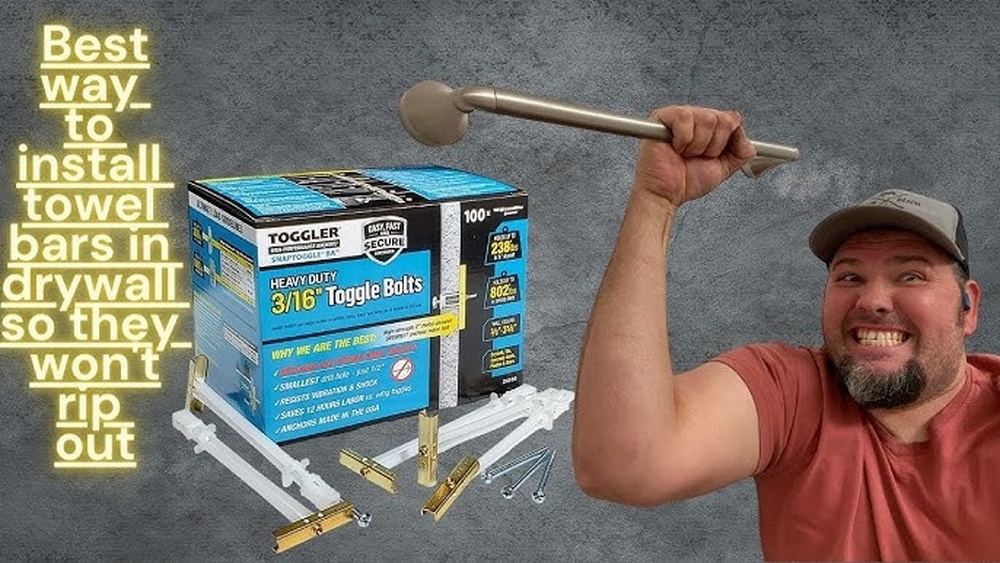

You want your towel rack to stay put, not wobble or fall every time you grab a towel. But securing a towel rack to drywall can be tricky if you don’t know the right steps.
If you’ve ever struggled with loose screws or holes that won’t hold, you’re not alone. You’ll discover simple, effective ways to make sure your towel rack stays strong and steady. Keep reading, and you’ll learn how to avoid common mistakes and get the best results with tools you probably already have.
Your bathroom deserves a secure setup—and so do you.
Choosing The Right Towel Rack
Choosing the right towel rack is key for a secure and lasting installation. Not all racks fit drywall well. The right choice keeps towels dry and prevents damage to walls.
Consider the rack’s strength and style. These factors affect how well it holds up and matches your bathroom decor.
Materials And Weight Capacity
Towel racks come in many materials. Stainless steel resists rust and holds heavy towels. Aluminum is light but less strong. Plastic racks are cheap but hold less weight.
Check the weight capacity before buying. Heavy towels need racks that support more pounds. Drywall anchors need to match the rack’s weight to avoid falling.
Styles And Mounting Options
Racks come as bars, hooks, or rings. Bars hold several towels. Hooks save space and keep towels separate. Rings are good for hand towels.
Mounting options differ by style. Some racks use screws into studs. Others use strong drywall anchors. Choose a style that fits your wall and towel needs.

Credit: www.youtube.com
Tools And Materials Needed
Securing a towel rack to drywall needs the right tools and materials. Using proper equipment makes the job easier and ensures the rack stays safe. The right anchors and screws provide strong support. Below are the essentials you need before starting the installation.
Basic Tools List
- Electric drill with drill bits
- Screwdriver (Phillips or flathead)
- Measuring tape or ruler
- Level tool
- Stud finder
- Pencil for marking
- Utility knife or drywall saw
Recommended Anchors And Screws
Use anchors made for drywall to hold weight well. Plastic expansion anchors work for light loads. Metal toggle bolts or molly bolts offer strong support for heavier racks. Screws should match the anchors and be long enough to secure the rack firmly. Check the weight limit on the package. Using the right anchors stops the rack from falling off the wall.
Locating Studs In Drywall
Locating studs in drywall is essential for securely mounting a towel rack. Studs provide strong support to hold weight without damaging the wall. Drywall alone cannot hold heavy items well. Finding the studs ensures your towel rack stays firmly in place and lasts longer.
Using A Stud Finder
A stud finder is a simple tool designed to detect wood or metal studs behind drywall. Turn it on and slowly move it across the wall. The tool will beep or light up when it finds a stud. Mark the spot with a pencil. Repeat to find the edges and center of the stud. This method is fast and accurate.
Alternative Methods Without A Stud Finder
Not everyone has a stud finder. You can find studs using other ways. Tap the wall lightly with your knuckle. A hollow sound means no stud. A solid, less hollow sound means a stud is nearby. Use a small nail or drill bit to make a tiny hole. Check if it hits wood. Look for electrical outlets or light switches. They often attach to studs. Measure 16 or 24 inches from these spots to find more studs. These methods take time but work well.
Installing With Stud Support
Installing a towel rack with stud support is the strongest way to secure it. Studs provide a solid base behind the drywall. Screwing directly into a stud prevents the rack from pulling away or falling off. This method ensures your towel rack holds heavy towels safely without damage.
Marking Drill Points
Start by finding the studs behind the drywall. Use a stud finder for accuracy. Mark the spots where the towel rack brackets will go. Make sure the marks line up with the studs. Double-check the height and spacing before drilling. This step ensures your rack is level and secure.
Drilling And Securing Screws
Drill pilot holes at the marked points on the studs. Use a drill bit slightly smaller than your screws. This prevents the wood from splitting. Insert screws through the towel rack brackets into the holes. Tighten the screws firmly but avoid over-tightening. The rack should feel steady and strong against the wall.
Anchoring Without Studs
Securing a towel rack on drywall without a stud can be tricky. Drywall alone cannot hold much weight. Anchors provide the support needed for a strong hold. Choosing the right anchors and installing them correctly ensures your towel rack stays put. This method works well for light to medium loads. Follow these simple steps to anchor your towel rack safely and securely.
Choosing The Right Drywall Anchors
Plastic expansion anchors work for light loads. They expand inside the drywall to hold tight. For heavier towel racks, use metal anchors or toggle bolts. Metal anchors are stronger and resist pulling out. Toggle bolts spread the load behind the drywall. Pick anchors rated for the weight of your towel rack. Check the package instructions to match the size and weight. Avoid using just screws in drywall; they will not hold.
Step-by-step Anchor Installation
Start by marking the towel rack holes on the wall. Use a drill bit that matches the anchor size. Drill holes carefully without breaking the drywall surface. Insert the anchor into the hole until it fits flush. Tap gently with a hammer if needed. Place the towel rack bracket over the anchors. Screw in slowly, making sure the anchor grips firmly. Tighten screws until the rack feels secure. Avoid over-tightening to prevent damage.

Credit: diy.stackexchange.com
Ensuring Stability And Strength
Ensuring the towel rack stays secure on drywall is key to avoid damage and accidents. Drywall alone cannot hold heavy weight well. You need to use proper anchors and fasteners. This section guides you to check and test the rack for strength and stability. Proper steps help the rack last long and hold towels safely.
Double Checking Fasteners
Start by reviewing the type of fasteners used. Use wall anchors designed for drywall, like toggle bolts or molly bolts. Screws alone often fail without anchors. Make sure screws fit tightly into the anchors. Loose screws reduce the rack’s strength. Tighten each fastener carefully, but avoid over-tightening. Over-tightening can damage drywall and weaken the hold.
Check the number of fasteners used. More fasteners mean better weight distribution. Place them evenly along the rack’s mounting points. Inspect for any signs of slipping or gaps between the rack and wall. Fix these issues before proceeding.
Testing The Rack’s Hold
After securing the towel rack, test its hold gently. Pull on the rack with a small amount of force. Move it slightly from side to side. The rack should not wiggle or shift. If it moves, the fasteners may not be tight enough or anchors might not be strong. Adjust or replace fasteners as needed.
Next, hang a towel or two to simulate real use. Check if the rack holds steady under the weight. If the rack sags or feels loose, reinforce the mounting points. Testing ensures the rack will stay safe during daily use and prevents wall damage.
Common Mistakes To Avoid
Securing a towel rack to drywall seems simple. Yet many make mistakes that cause damage or failure. Avoiding these errors helps your rack stay strong and safe. Here are common mistakes to watch out for.
Using Incorrect Anchors
Using the wrong anchors weakens the towel rack’s hold. Drywall needs anchors made for its material. Plastic anchors often fail under weight. Metal or toggle anchors provide better support.
Never skip anchors if you miss the wall stud. Screws alone will pull out and damage the wall. Choose anchors rated for the rack’s weight. This prevents pulling out and falling.
Overloading The Rack
Overloading stresses the towel rack and anchors. Hanging too many towels or heavy items causes the rack to loosen. The drywall can crack or crumble under pressure.
Check the rack’s weight limit before use. Distribute weight evenly to keep balance. Keep loads light to protect both rack and wall.
Maintenance Tips For Longevity
Maintaining your towel rack is key to keeping it strong and reliable. Small care steps help prevent damage and keep it looking good. Regular checks and simple fixes extend its life and save you from big repairs later. Follow these tips to keep your towel rack secure and functional for years.
Regular Tightening
Check the screws and bolts often. Drywall can loosen over time. Tighten any loose parts with a screwdriver. This stops wobbling and keeps the rack steady. Tightening is quick but protects your rack from falling.
Inspecting For Damage
Look closely at the rack and wall area. Find cracks, holes, or rust early. Small problems can grow bigger if ignored. Fix or replace damaged pieces fast. This keeps the rack safe to use and avoids wall damage.

Credit: diy.stackexchange.com
Frequently Asked Questions
How Do You Secure A Towel Rack To Drywall?
Use wall anchors or toggle bolts designed for drywall. Mark the position, drill pilot holes, insert anchors, then screw the rack firmly.
What Type Of Anchors Work Best For Towel Racks?
Heavy-duty toggle bolts or metal wall anchors provide strong support. They prevent the rack from pulling out under weight.
Can You Mount A Towel Rack Without Studs?
Yes, use drywall anchors or toggle bolts to ensure a secure hold. Avoid using only screws directly in drywall.
How To Prevent Towel Racks From Loosening Over Time?
Tighten screws regularly and use proper anchors. Avoid overloading the rack with heavy towels or items.
Conclusion
Securing a towel rack to drywall takes some care and the right tools. Use anchors or find wall studs for better support. Always measure and mark before drilling to keep it straight. Tighten screws carefully to avoid damage. A well-fixed towel rack holds towels safely and looks neat.
Follow these simple steps for a sturdy and lasting setup. Now, your bathroom stays organized and your towels dry properly.