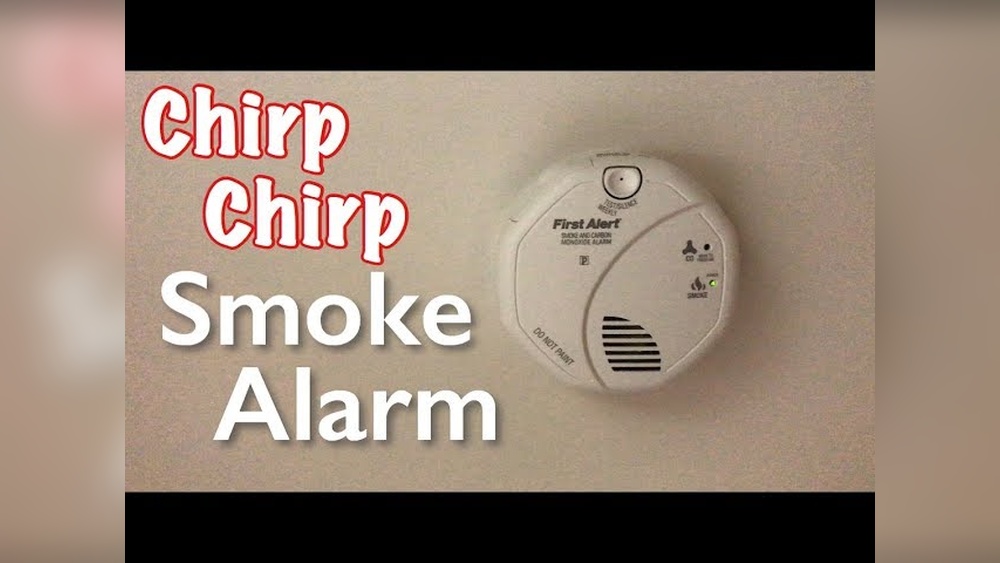

Have you ever been startled by that annoying beep from your smoke detector and wondered if it means the battery is running low? Knowing when your smoke detector’s battery is dying is crucial for your safety.
If you miss the signs, you might be left unprotected when it matters most. You’ll discover simple ways to tell if your smoke detector needs a new battery. By the end, you’ll feel confident keeping your home safe without any guesswork.
Keep reading—you won’t want to miss these easy tips that could save lives.

Credit: www.wirechiefelectric.com
Common Low Battery Alerts
Smoke detectors use simple alerts to warn about low batteries. Recognizing these alerts helps keep your home safe. They usually give clear signs that need quick action.
Intermittent Beeping Sounds
One common sign is a short beep every minute or so. This beep is soft but repeated. It means the battery is running low. The sound is different from the loud alarm during smoke detection. Ignoring this beep can cause the detector to stop working.
Flashing Indicator Lights
Many smoke detectors have small lights that flash when batteries are low. The light often blinks in a pattern or changes color. This visual sign helps notice the battery issue easily. Some models flash a red or yellow light to warn about low power. Check the user manual to know your detector’s light signals.
Physical Signs Of Battery Issues
Smoke detectors protect your home from fire danger. Batteries power these devices. Physical signs often show when the battery runs low. Spotting these signs helps keep your home safe. Check your smoke detector for changes in sound and response. These clues tell you it’s time to change the battery.
Reduced Alarm Volume
A weak battery can make the alarm quieter than usual. The sound might be faint or softer. This drop in volume means the battery is losing power. A loud alarm is important for alerting you fast. Don’t ignore a quiet alarm. It could fail to wake you in an emergency.
Delayed Alarm Response
The alarm might take longer to react when the battery is low. It may hesitate or beep slowly before sounding fully. This delay can be dangerous during a fire. The detector needs quick action to keep you safe. A slow alarm is a clear sign to replace the battery soon.
Testing Your Smoke Detector
Smoke detectors need batteries to work well. Different types of batteries power these devices. Each battery type lasts a different amount of time. Knowing the battery type and lifespan helps keep your home safe. It also shows when to change the battery before it dies.
Common Battery Types
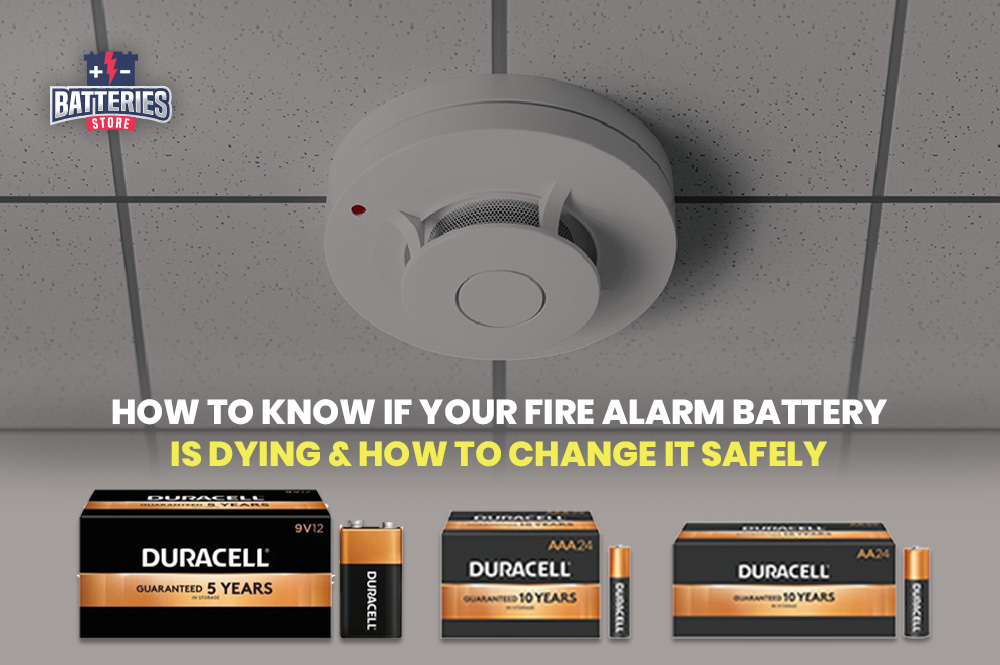
Most smoke detectors use either 9-volt or AA batteries. Some newer models use lithium batteries. Lithium batteries last longer but cost more. 9-volt batteries are easy to find and replace. AA batteries are common in smaller smoke detectors. Always check your smoke detector’s instructions for the right battery type.
Expected Battery Life
Standard 9-volt batteries usually last about 6 to 12 months. AA batteries last roughly 6 to 9 months. Lithium batteries can last up to 10 years. Some smoke detectors come with built-in lithium batteries that never need replacing. Regularly testing your smoke detector ensures the battery still works. Replace batteries as soon as you hear the low battery beep.
Battery Types And Lifespan
Extending the battery life of a smoke detector helps keep your home safe longer. It reduces the need for frequent changes and avoids annoying low battery alerts. Simple steps can make a big difference in how long your smoke detector batteries last.
Regular Maintenance
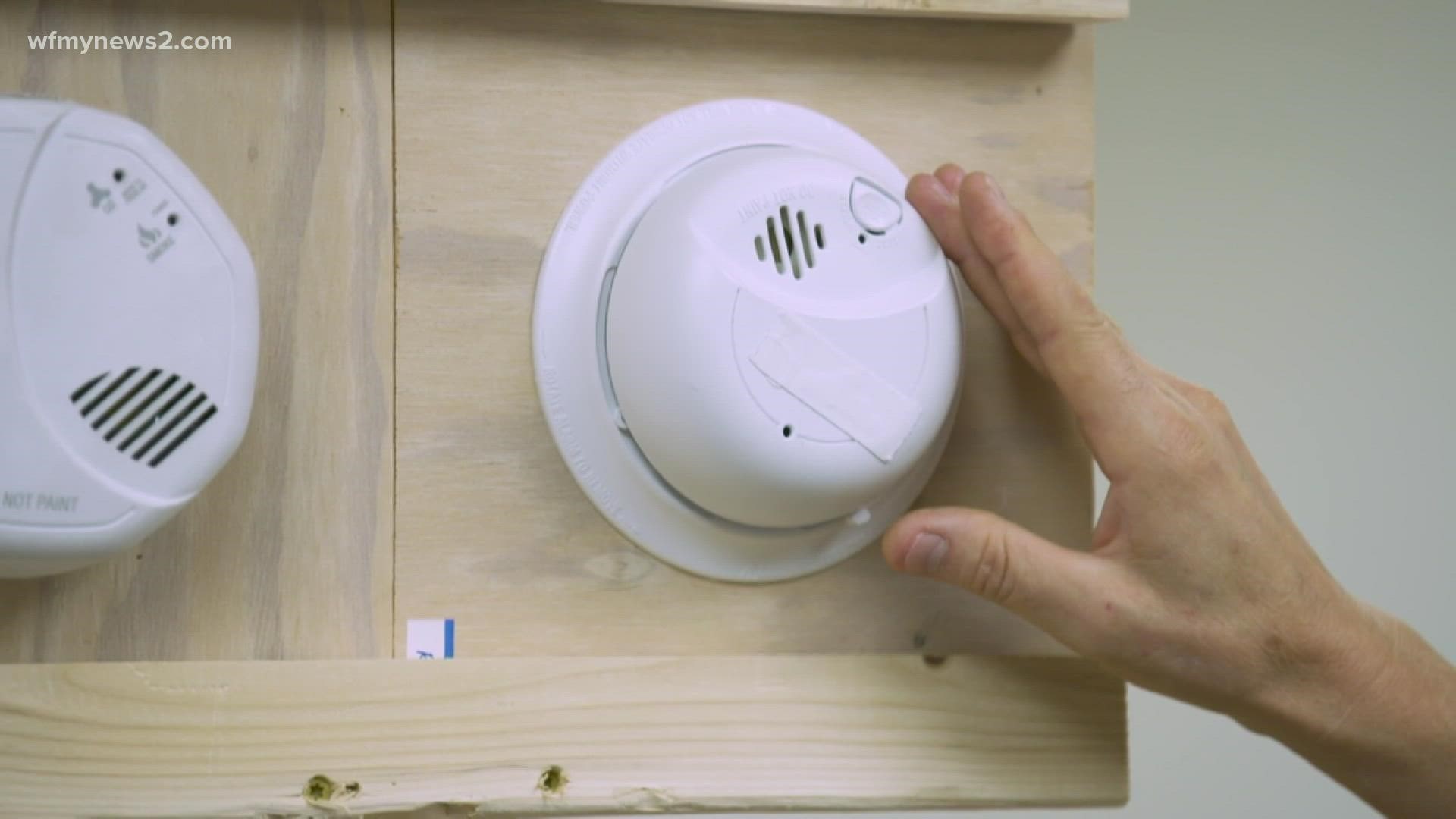
Test your smoke detector once a month. Press the test button to check the sound. Clean the unit regularly. Dust and dirt can block sensors and drain batteries faster. Use a soft brush or vacuum cleaner on the detector. Replace batteries at least once a year, even if the alarm hasn’t beeped. This keeps the detector ready to work when needed.
Environmental Factors
Place smoke detectors away from humid areas. Moisture can affect the battery and sensor. Avoid installing detectors near windows or vents. Temperature changes may cause false alarms and reduce battery life. Keep detectors out of direct sunlight. Heat can shorten battery performance. Proper placement helps batteries last longer and keeps alarms accurate.
Tips To Extend Battery Life
Knowing when to replace your smoke detector is key for home safety. Smoke detectors do not last forever. Over time, their ability to detect smoke weakens.
Replacing old detectors ensures they work well during emergencies. It helps keep your family safe from fire risks.
Signs Of Aging Devices
Smoke detectors usually last about 10 years. After this, they may not work properly. Look for yellowing or cracks on the casing. These are signs the device is old.
Frequent false alarms or failure to sound during tests also show aging. If your detector often chirps for no clear reason, it might be time to replace it. Aging sensors lose sensitivity over time.
Manufacturer Recommendations
Check the smoke detector’s label for the manufacture date. Most brands suggest replacing detectors every 10 years. Some newer models have built-in end-of-life warnings.
Follow the instructions from the manufacturer carefully. Using the device beyond the recommended period can be risky. New detectors have better technology and improved safety features.
Credit: batteriesstore.ca
Credit: www.wfmynews2.com
Frequently Asked Questions
How Do I Know If Smoke Detector Battery Is Low?
A low battery causes the smoke detector to beep intermittently. It may chirp every 30 to 60 seconds, signaling replacement is needed.
What Sound Indicates A Low Smoke Detector Battery?
A consistent chirping or beeping sound every minute usually means the battery is running low and needs changing soon.
How Often Should I Check Smoke Detector Batteries?
Check smoke detector batteries at least twice a year, ideally during daylight saving time changes, to ensure they function properly.
Can A Low Battery Cause False Smoke Alarms?
Yes, a weak battery can cause false alarms or erratic beeping, reducing the smoke detector’s reliability and safety.
Conclusion
A smoke detector with low battery can put your safety at risk. Listen for frequent beeping or chirping sounds. Check the battery regularly to avoid surprises. Replace batteries at least once a year. Testing the alarm monthly helps ensure it works well.
Don’t ignore warning signals—they keep your home safe. Simple steps protect your family from fire hazards. Stay alert and keep your smoke detector powered. Safety starts with small actions every day.