
Have you ever wondered if your smoke detector can also sense carbon monoxide? This is an important question because both smoke and carbon monoxide are dangerous, but they require different types of alarms.
Knowing whether your device can detect both can protect you and your loved ones from unseen threats. You’ll discover simple ways to check your smoke detector and learn why having the right alarm matters more than you think. Keep reading to make sure your home is truly safe.
Credit: www.reddit.com
Types Of Smoke Detectors
Smoke detectors come in different types. Knowing these helps to understand their features and functions.
Each type uses a unique technology to detect smoke. Some are better for certain fires than others. Choosing the right one can improve home safety.
Ionization Vs Photoelectric
Ionization smoke detectors use a small amount of radioactive material. They detect fast, flaming fires well. These fires produce tiny smoke particles.
Photoelectric smoke detectors use a light beam. Smoke blocks the light, triggering the alarm. They work best for slow, smoldering fires. These fires make larger smoke particles.
Both types are important. Many homes use both to cover different fire types. Knowing the difference helps pick the best smoke detector.
Combination Alarms
Combination alarms include smoke and carbon monoxide sensors. They save space and cost less than separate units. These alarms protect from smoke and deadly gas.
Look for labels showing they detect carbon monoxide. This helps confirm the alarm’s full function. Combination alarms offer broader home safety.
Using combination alarms can reduce confusion. One device handles two dangers at once. This makes your home safer and simpler to maintain.

Credit: mammothsecurity.com
What Is A Carbon Monoxide Detector?
A carbon monoxide detector is a device that senses the presence of carbon monoxide gas. Carbon monoxide is a colorless, odorless, and tasteless gas. It can be very dangerous because people cannot detect it without a device. The detector alerts you to high levels of this gas in your home or workplace.
These detectors are essential for safety. They help prevent carbon monoxide poisoning, which can cause serious health problems or death. Many homes use combined smoke and carbon monoxide detectors for better protection.
Common Features
Carbon monoxide detectors usually have a digital display showing gas levels. They emit a loud alarm when dangerous levels are detected. Most have a test button to check if the device works. Some models include battery backup for power outages. Many detectors are easy to install on walls or ceilings.
Why It’s Important
Carbon monoxide is called the silent killer because it has no smell or color. It comes from burning fuels like gas, wood, or coal. Without a detector, people may not know they are in danger. Symptoms of poisoning include headache, dizziness, and nausea. A carbon monoxide detector warns you early, giving time to act. It can save lives by preventing exposure to harmful gas.
Identifying Dual Smoke And Co Detectors
Knowing if your smoke detector also senses carbon monoxide is important for home safety. Dual detectors protect against two dangers with one device. Identifying these combined units is simple once you know what to check. This section guides you through easy steps to spot dual smoke and CO detectors.
Check The Label
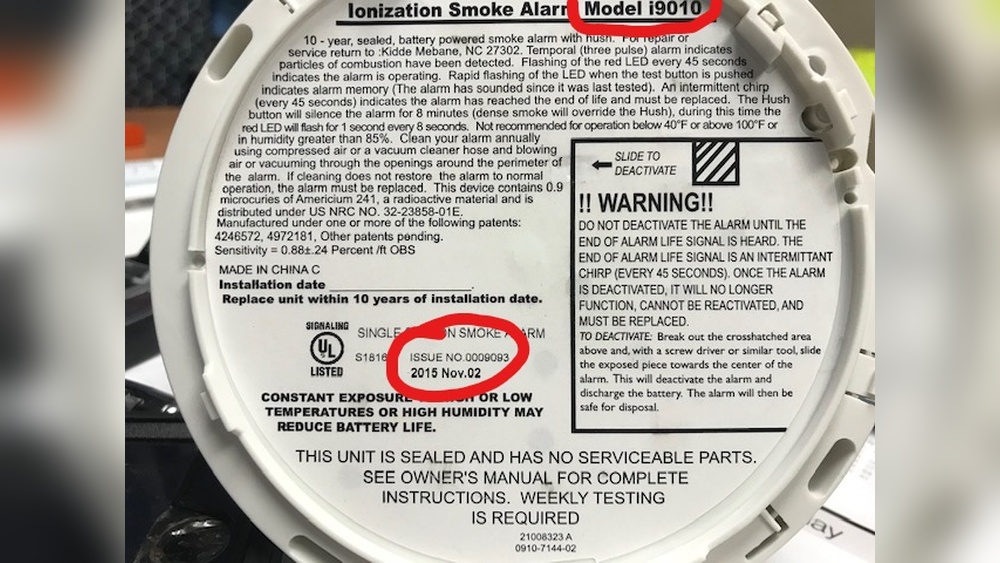
Look at the label on the back or side of the detector. It often lists the types of sensors inside. Words like “smoke” and “carbon monoxide” or the abbreviation “CO” show dual function. Certification marks from safety organizations may also indicate multi-sensor capability.
Look For Test Buttons
Dual detectors usually have a test button that checks both alarms. Press and hold the button. Listen for two different sounds or a longer alert. This test confirms if the device monitors smoke and carbon monoxide together.
Examine The Display
Some detectors have a small screen or indicator lights. These displays show smoke warnings and CO levels separately. Numbers or icons may appear for carbon monoxide concentration. This feature helps identify if the unit detects both threats.
Testing Your Detector
Testing your smoke detector is important for safety. It helps confirm if the device also detects carbon monoxide (CO). Regular tests ensure the alarm works and can alert you to dangers fast. Follow simple steps to check your detector’s functions and keep your home safe.
Using Test Buttons
Most smoke and carbon monoxide detectors have a test button. Press and hold this button for a few seconds. The alarm should sound loudly if it works. This test checks the battery and the alarm sound. It does not test the CO sensor’s full function, but it shows the unit is powered on.
Press the test button monthly. Replace batteries if the sound is weak or missing. This quick test helps keep your detector ready for emergencies.
Using Co Test Kits
CO test kits can check if your detector senses carbon monoxide. These kits release a small, safe amount of CO near the detector. The alarm should sound if it detects CO. This test is more accurate for carbon monoxide detection than the test button.
Follow the test kit instructions carefully. Use the kit in a well-ventilated area. Testing with CO kits is less common but very useful. It confirms your detector protects against both smoke and carbon monoxide.
Placement Tips For Combined Detectors
Proper placement of combined smoke and carbon monoxide detectors is key for safety. These devices protect against fire and deadly gas leaks. Placing them in the right spots helps them work well and alerts you fast. Poor placement can cause false alarms or missed dangers. Follow these tips to choose the best locations for your combined detectors.
Ideal Locations
Install detectors on every floor of your home. Place one near bedrooms for fast warning during sleep. Mount them on the ceiling or high on walls. Avoid corners or near vents, which can block signals. Keep detectors at least 15 feet away from kitchens and bathrooms. Steam and cooking fumes can trigger false alarms. Hallways work well for combined detectors. Check the manufacturer’s instructions for specific placement advice.
Avoiding False Alarms
Do not install detectors near fireplaces or heating appliances. Smoke and gas from these can cause false alerts. Avoid placing detectors too close to windows or doors. Drafts can push smoke or gas away from sensors. Keep detectors away from humid areas like bathrooms. High moisture can damage sensors or cause errors. Regularly test your detectors to ensure they work properly. Clean sensors gently to remove dust and dirt that cause false alarms.
Maintenance For Combined Detectors
Maintaining combined smoke and carbon monoxide detectors is key for safety. These devices protect homes from two serious dangers. Proper care keeps them working well and alerts you on time. Regular checks and cleaning help prevent false alarms and failures.
Battery Replacement
Check batteries every month. Replace them at least once a year. Use the battery type recommended by the manufacturer. Low batteries cause beeping sounds. Don’t ignore these signals. A fresh battery ensures the detector stays active.
Cleaning And Inspection
Dust and dirt block sensors. Clean detectors carefully with a soft brush or vacuum. Avoid water or harsh cleaners. Inspect for damage or loose parts. Test detectors monthly by pressing the test button. Replace the unit every 7 to 10 years for best safety.
When To Replace Your Detector
Knowing when to replace your smoke and carbon monoxide detector is crucial. These devices save lives by alerting you to danger. Over time, their sensors can weaken. Old detectors may not work properly. Replacing them on time keeps your home safe.
Signs Of Wear
Look for physical damage like cracks or discoloration. A detector that beeps randomly needs attention. Missing or loose buttons can cause failure. Dust buildup inside the device reduces sensitivity. Test your detector monthly to check its response. If it fails tests, replace it immediately.
Manufacturer Guidelines
Check the user manual for replacement advice. Most detectors last about 7 to 10 years. The device label often shows the manufacture date. Follow the brand’s instructions for safe use. Replace the detector once it reaches the end of its lifespan. Proper replacement ensures reliable detection of smoke and carbon monoxide.

Credit: www.wikihow.com
Frequently Asked Questions
How To Identify If Smoke Detector Detects Carbon Monoxide?
Look for labels or markings indicating combined smoke and CO detection. Check the user manual or model number online for dual functionality.
Can Smoke Detectors Also Sense Carbon Monoxide Levels?
Some smoke detectors are combination devices that detect both smoke and carbon monoxide. Verify by checking device specifications.
What Are Visual Signs Of A Co And Smoke Detector?
Combination detectors usually have dual sensors and separate test buttons for smoke and CO. Indicator lights may show different alerts.
How To Test If Smoke Detector Has Carbon Monoxide Alarm?
Press the test button; combination alarms often test both sensors. Refer to the manual for specific testing instructions for CO detection.
Conclusion
Knowing if your smoke detector also senses carbon monoxide keeps your home safe. Check the device label or user manual for clear information. Some alarms show separate lights or sounds for each danger. Test your alarm regularly to ensure it works well.
Replace old detectors to stay protected from both smoke and CO. Staying alert helps you act fast in an emergency. Safety starts with knowing your alarms and how they function. Stay safe, stay informed.