
Are you staring at that old towel rack on your wall, wondering how to remove it without making a mess? Taking down a towel rack might seem tricky, but it doesn’t have to be.
With the right steps, you can easily take it off and prepare your wall for a fresh new look. Keep reading, and you’ll discover simple tips that save you time and frustration. By the end, you’ll feel confident tackling this small home project on your own.
Let’s get started!
Tools Needed
Removing an old towel rack from the wall requires a few basic tools. Having the right tools helps make the job easier and safer. You do not need many items, but some are important to complete the task well.
Some optional supplies can help with cleanup or repair after removal. These are not required but can improve the result and save time.
Basic Tools
- Screwdriver (usually Phillips or flathead)
- Utility knife to cut around edges
- Putty knife to pry the rack gently
- Drill with screwdriver bit for stuck screws
- Stud finder to check for wall anchors
Optional Supplies
- Spackle or wall filler to repair holes
- Sandpaper to smooth patched areas
- Drop cloth to protect floor and catch debris
- Gloves to protect your hands
- Masking tape to mark screw locations
:max_bytes(150000):strip_icc()/how-to-remove-towel-bar-5221017-hero-01-c6a21614aaeb4e9ca8071b79bd398ef6.jpg)
Credit: www.thespruce.com
Preparing The Area
Clear the space around the towel rack to avoid any accidents. Gather tools like a screwdriver and put on safety glasses before starting. Protect the wall and floor with a cloth or plastic sheet.
Clear The Space
Start by removing items near the towel rack. Clear shelves, counters, and hooks close to the wall. This gives you room to work safely. It also stops anything from falling or breaking. A clean area helps you see screws and brackets clearly. Take a few minutes to organize the space well.
Protect Surroundings
Cover the floor with a drop cloth or old sheet. Protect nearby furniture with plastic or cloth covers. Use painter’s tape to shield walls around the rack. This prevents scratches, paint damage, or dust marks. Wear gloves to protect your hands during removal. Careful preparation keeps your bathroom clean and safe.
Loosening The Rack
Loosening the towel rack is the first step to remove it safely. Take your time and work carefully. This process helps avoid damage to the wall and the rack itself. Start by finding where the screws and anchors hold the rack in place. Then, use the right tool to loosen these screws. This section explains how to do both tasks properly.
Locate Screws And Anchors
Look closely at the towel rack. Screws are usually hidden under caps or covers. Gently pry off these covers with a flat tool or your fingernail. Check for screws on the sides or back of the rack. Anchors are inside the wall and hold the screws tightly. You might see small plastic or metal pieces around the screws. Mark all screws and anchors to remove them one by one.
Use Proper Screwdriver
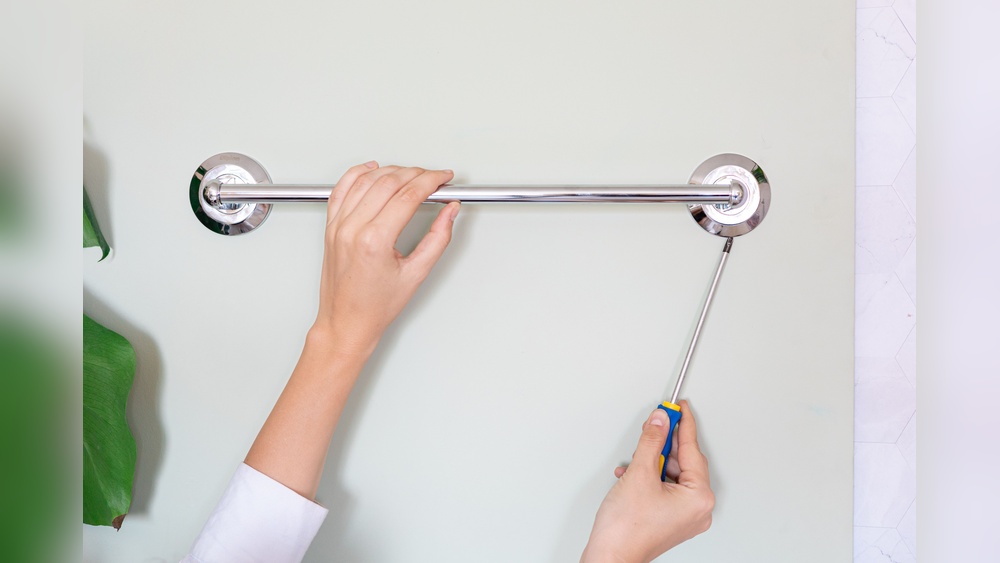
Select a screwdriver that fits the screw heads well. Most towel racks use Phillips or flathead screws. Using the wrong screwdriver can strip the screws. Hold the screwdriver straight and turn it counterclockwise. Apply steady pressure while turning. Loosen each screw until it comes out easily. Keep the screws safe if you plan to reuse the rack later.

Credit: www.wikihow.com
Removing Screws And Anchors
Removing screws and anchors is the key step in taking down an old towel rack. This part needs care to avoid damage to your wall. Use the right tools and take your time. Small efforts here save you from bigger repairs later. Focus on loosening screws first, then handling the anchors properly.
Unscrew Carefully
Start by using a screwdriver that fits the screw head. Turn the screwdriver slowly to avoid stripping the screws. Keep a firm grip on the towel rack. If screws are tight, try pressing down while turning. Pull the rack gently once screws are loose. Avoid forcing screws out to protect your wall surface.
Handle Wall Anchors
Wall anchors hold screws tightly in drywall. Pulling them out roughly can cause holes. Use pliers to grip the anchor. Twist it slowly back and forth to loosen. If the anchor resists, push it inside the wall. You can fill the hole later with wall putty. Removing anchors carefully keeps your wall ready for new fixtures.
Dealing With Stubborn Fixtures
Removing an old towel rack can be tricky, especially if the fixtures hold tight. Stubborn fixtures need a careful approach to avoid wall damage. Taking time and using the right methods makes the job easier. This section covers ways to loosen those tough fixtures safely.
Applying Gentle Force
Start by tapping the fixture gently with a rubber mallet. This helps break the grip without harming the wall. Use a flathead screwdriver to pry slightly under the rack’s edges. Work slowly, moving the tool back and forth. Avoid using too much force to prevent cracks or holes.
Using Lubricants
Apply a small amount of lubricant like WD-40 or oil at the fixture’s base. Let it sit for a few minutes to loosen rust or paint bonds. The lubricant seeps into tight spaces, easing removal. Wipe off excess to keep the area clean. This method reduces effort and risk of damage.
Fixing Wall Damage
Removing an old towel rack often leaves holes and marks on the wall. Fixing these damages is important to keep your walls smooth and clean. Proper repair helps prepare the surface for painting or new decorations. The process involves filling holes and then sanding the area. This makes the wall look as good as new.
Filling Holes
Start by cleaning the holes and removing any loose debris. Use a putty knife to apply wall filler or spackle into the holes. Press the filler firmly so it fills the entire hole. Smooth the surface with the knife, removing extra filler. Let the filler dry completely before moving to the next step. Drying time varies, so check the product instructions.
Sanding And Smoothing
Once the filler is dry, use fine-grit sandpaper to smooth the area. Sand gently to avoid damaging the surrounding wall. The goal is a flat, even surface that blends with the rest of the wall. Wipe away dust with a damp cloth after sanding. Now, the wall is ready for painting or other finishes.
Cleaning Up
After removing the old towel rack, cleaning up the area is important. A neat wall helps prepare for a new rack or a fresh coat of paint. Cleaning also prevents damage and keeps your space tidy. Follow these steps to finish the job properly.
Remove Debris
Start by clearing loose screws and wall anchors from the floor. Use a small brush or vacuum to pick up dust and dirt. Check the wall for leftover glue or paint chips. Wipe the surface gently with a damp cloth. This clears the area and prevents dust from spreading.
Final Inspection
Look closely at the wall for holes or cracks. Small holes can be filled with spackle or wall putty. Allow the filler to dry, then sand it smooth. Make sure the wall is dry and clean before any new installation. A smooth, clean surface ensures a strong hold for your new towel rack.
Credit: www.reddit.com
Frequently Asked Questions
How Do I Safely Remove An Old Towel Rack?
First, unscrew the mounting screws using a screwdriver. Gently pull the rack off the wall. Use a putty knife to remove any adhesive or caulk residue. Always wear safety goggles and gloves to protect yourself.
What Tools Are Needed To Remove A Towel Rack?
You need a screwdriver, putty knife, and possibly pliers. A drill might be required for stubborn screws. Keep a utility knife handy to cut through any paint or sealant around the rack.
How To Fix Wall Damage After Removing A Towel Rack?
Fill holes with spackle or wall filler. Sand the area smooth once dry. Repaint or touch up the wall to match. This restores the wall’s appearance and prepares it for new fixtures.
Can I Reuse The Old Towel Rack Hardware?
Yes, if the screws and brackets are undamaged. Clean them thoroughly before reuse. Check if they fit the new location or rack style. Otherwise, consider buying new hardware for better stability.
Conclusion
Removing an old towel rack does not have to be hard. Follow the steps carefully and use the right tools. Take your time to avoid damage to the wall. Clean the area well after removal. Now, you have a clear space to add a new rack or decorate.
Simple tasks like this save money and improve your home. Keep safety in mind and enjoy your work. Ready for your next home project?