
How many smoke detectors do you really need in your house? It’s a question that could make a big difference in keeping you and your loved ones safe.
Smoke detectors are your first line of defense against fire, but having too few can leave you vulnerable, and having too many might feel overwhelming. You’ll discover the simple rules to follow so every corner of your home is protected.
Keep reading to find out exactly where and how many smoke alarms you need to sleep soundly and stay secure.

Credit: ismarthomesecurity.com
Smoke Detector Basics
Smoke detectors protect your home and family from fire dangers. They give early warnings to keep everyone safe. Understanding the basics helps you choose the right number and type for your house.
Knowing how smoke detectors work and the types available makes a big difference. This knowledge helps you install them correctly and keep them in good condition.
Types Of Smoke Detectors
There are mainly two types of smoke detectors: ionization and photoelectric. Ionization detectors sense small smoke particles from fast fires. Photoelectric detectors detect larger smoke particles from slow, smoldering fires. Both types protect well, but each has strengths for different fire types. Some smoke detectors combine both technologies for better safety. Battery-powered and hardwired models are also available. Hardwired types connect to your home’s power with a backup battery. Battery-powered units are easier to install but need regular battery checks.
How Smoke Detectors Work
Smoke detectors sense smoke using sensors inside the device. Ionization detectors use a small amount of radioactive material to detect smoke. When smoke enters, it disrupts the flow of ions, triggering the alarm. Photoelectric detectors use a light beam and sensor. Smoke blocks the light beam, setting off the alarm. Both types quickly alert you to smoke presence. This early warning gives you time to leave and call for help. Regular testing ensures your smoke detectors work well. Replace batteries at least once a year or when low battery sounds beep.
Recommended Number By Room
Knowing the right number of smoke detectors for each room is important for safety. Different rooms need different amounts of detectors. This helps protect your family and property from fire risks. Below is a guide on how many smoke detectors you should have in each type of room.
Bedrooms And Sleeping Areas
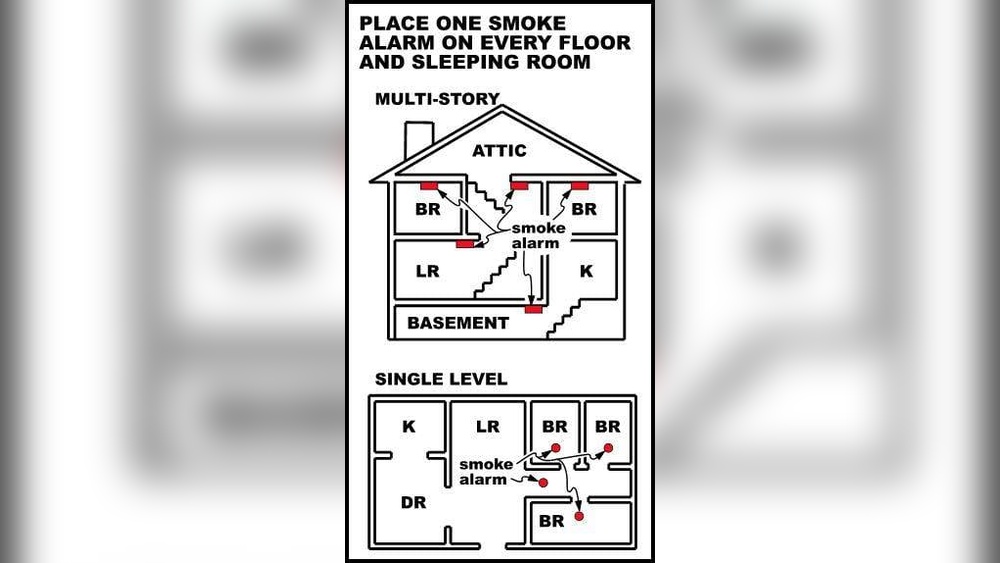
Every bedroom needs at least one smoke detector. Place it near the door or on the ceiling. This helps alert people during sleep. If the bedroom has a connected bathroom, add a detector nearby. This increases safety in case fire starts in these areas.
Living Rooms And Common Spaces
Living rooms and family rooms should have one or two detectors. Large rooms may need two for full coverage. Install detectors on the ceiling or high on walls. These areas are where people spend most time, so early warnings are crucial.
Kitchens And Utility Rooms
Install smoke detectors carefully in kitchens. Cooking can cause false alarms, so use heat detectors or place smoke alarms away from cooking areas. Utility rooms like laundry rooms also need one detector. Fires can start from appliances or wiring in these rooms.
Basements And Attics
Basements need at least one smoke detector near the stairs or main area. Attics may require one if they are used for storage or living space. These areas can hide fire risks, so detectors are essential for early detection.
Placement Tips
Proper placement of smoke detectors is key to home safety. Correct spots catch smoke early and alert you fast. Poor placement can slow warning or cause false alarms. Follow these tips to install detectors where they work best.
Optimal Mounting Locations
Install smoke detectors inside every bedroom. Put one outside each sleeping area too. Place detectors on every floor of your home. Mount them on the ceiling or high on walls. Keep detectors at least 10 feet from cooking appliances. Avoid corners where air flow is poor. This helps smoke reach the alarm quickly.
Avoiding False Alarms
Do not install detectors near kitchens or bathrooms. Steam and cooking smoke can trigger false alarms. Keep detectors away from windows and doors. Drafts can stop smoke from reaching them. Avoid placing detectors near heating or cooling vents. These spots may blow smoke away from sensors. Proper placement cuts down on annoying false alerts.
Interconnected Systems
Use interconnected smoke detectors for better safety. When one alarm sounds, all alarms ring. This helps alert everyone in the house fast. Interconnected systems are especially good for large homes. Wireless options make installation easier. Check compatibility before buying new alarms. Interconnection improves response time in emergencies.
Local Regulations And Standards
Knowing how many smoke detectors you need depends a lot on local rules. Different places have different laws and standards. These rules help keep homes safe and make sure smoke alarms work well. Understanding these rules is important for every homeowner.
Building Codes
Building codes set the minimum number of smoke detectors in a house. They tell you where to place them. Usually, codes require smoke detectors in bedrooms, hallways, and living areas. New homes often need more detectors than older ones. Local building departments can give exact rules for your area.
Fire Safety Guidelines
Fire safety guidelines give advice on smoke detector use. They recommend placing alarms on every floor and near sleeping areas. Guidelines suggest testing alarms monthly and changing batteries yearly. Following these rules lowers fire risks. They help protect families and property from fire damage.
Maintenance And Testing
Smoke detectors save lives by warning you about fires early. Proper maintenance and testing keep them working well. Without care, detectors might fail when you need them most. Regular checks help find problems fast. This section covers how to keep your smoke detectors in top shape.
Routine Checks
Test each smoke detector at least once a month. Press the test button until you hear a loud beep. This sound means the alarm is working. Clean the detectors regularly to remove dust and dirt. Use a vacuum or soft brush gently. Dust can block sensors and stop alarms from working.
Battery Replacement
Change batteries once a year or when the low battery beep sounds. Use fresh batteries that fit your detector model. Some detectors have sealed batteries that last 10 years. For these, replace the whole unit after the battery dies. Never ignore a low battery signal. It keeps your home safe.
When To Replace Detectors
Smoke detectors do not last forever. Replace them every 10 years or as recommended by the manufacturer. Old detectors may not detect smoke well. Check the date on the back of the unit. If it is older than 10 years, buy a new one. This ensures your alarms stay reliable.

Credit: www.mercuryinsurance.com
Additional Safety Devices
Smoke detectors save lives by alerting you to fire. Still, other safety devices can protect your home more. These extra tools help detect different dangers and prepare your family for emergencies.
Here are important safety devices to consider alongside smoke detectors.
Carbon Monoxide Detectors
Carbon monoxide is a silent killer. It has no smell or color. A carbon monoxide detector warns you if levels get dangerous. Place them near bedrooms and fuel-burning appliances. Check batteries often to keep them working.
Fire Extinguishers
Fire extinguishers stop small fires before they spread. Keep one on each floor, especially in the kitchen. Learn how to use them safely. Regularly check pressure and expiration dates for readiness.
Home Fire Escape Plans
Every family needs a fire escape plan. Draw a map showing two exits from each room. Practice the plan regularly. Decide a meeting place outside the house. This plan can save precious time during a fire.

Credit: www.firstalert.com
Frequently Asked Questions
How Many Smoke Detectors Are Needed Per Floor?
You should install at least one smoke detector on every floor. This includes basements and attics. Proper coverage ensures early fire detection and safety.
Where Should Smoke Detectors Be Installed In A House?
Install smoke detectors inside every bedroom, outside sleeping areas, and on each floor. Avoid kitchens and bathrooms to reduce false alarms.
Do Interconnected Smoke Detectors Improve Home Safety?
Yes, interconnected smoke detectors alert all units simultaneously. This early warning helps occupants escape quickly during a fire emergency.
How Often Should Smoke Detectors Be Replaced?
Replace smoke detectors every 10 years. Over time, sensors degrade and may fail to detect smoke effectively.
Conclusion
Every home needs enough smoke detectors for safety. Install one inside each bedroom and outside sleeping areas. Place detectors on every level, including the basement. Test them monthly and change batteries yearly. Proper placement helps catch smoke early and saves lives.
Don’t skip this simple but important step. Protect your family with the right number of detectors. Safety starts with being prepared and aware.