Imagine a smoke detector in your home going off while you’re in the kitchen, but you don’t hear it because the noise is far away or blocked by walls. Now, what if all the smoke detectors in your house could talk to each other and sound the alarm together?
That’s exactly what interconnected smoke detectors do. Understanding how they work can help you keep your home and loved ones safer. You’ll discover how these devices connect, why that connection matters, and how it can give you peace of mind when it comes to fire safety.
Keep reading—you won’t want to miss this important information.
Types Of Smoke Detectors
Smoke detectors come in different types, each working in a unique way. Knowing these types helps you choose the best protection for your home. Some detect smoke faster, while others are better at sensing certain fires. Here are the main types of smoke detectors used today.
Ionization Smoke Detectors
Ionization smoke detectors use a small amount of radioactive material. This helps detect fast-burning fires that produce small smoke particles. They react quickly to flames but may give false alarms from cooking smoke. These detectors are common and usually less expensive.
Photoelectric Smoke Detectors
Photoelectric smoke detectors use a light beam inside the device. Smoke blocks the light, triggering the alarm. They work best for slow, smoldering fires with larger smoke particles. These alarms reduce false alarms from cooking or steam. Many experts recommend them for better safety.
Combination Detectors
Combination detectors include both ionization and photoelectric sensors. They offer wide protection by detecting both fast flames and slow smoke. These models provide balanced safety for most homes. Combining both types reduces chances of missing any fire type.
Credit: simpli.govt.nz
Interconnection Methods
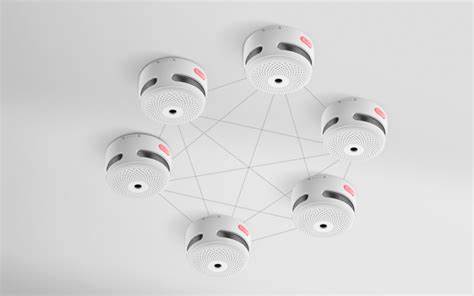
Smoke detectors can connect in different ways to work together. This connection helps all alarms sound if one detects smoke. It increases safety by warning everyone in the house quickly.
There are three main methods to link smoke detectors. Each method suits different home types and needs. Understanding these methods helps you choose the best system.
Hardwired Systems
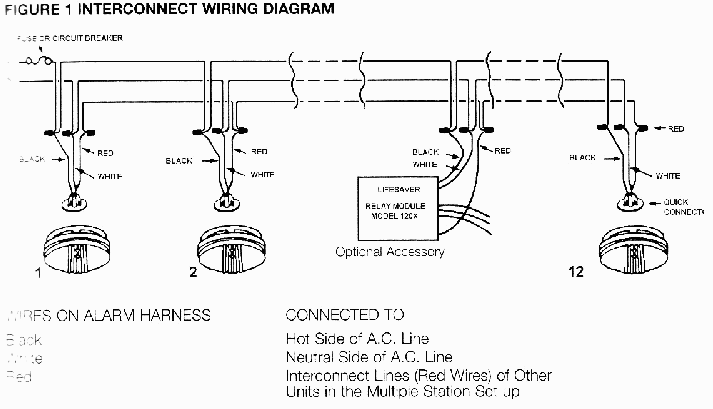
Hardwired smoke detectors link with wires inside the walls. These wires carry power and signals between units. When one alarm senses smoke, all alarms ring together.
This system needs professional installation. It is common in new homes or during remodeling. Hardwired systems are reliable and do not need batteries for power.
Wireless Systems
Wireless smoke detectors connect using radio signals. No wires run between alarms. Each unit has its own battery for power.
Wireless systems are easy to install. They work well in older homes or places without wiring. They send signals quickly to alert all alarms.
Hybrid Systems
Hybrid systems combine hardwired and wireless methods. Some alarms use wires, and others connect wirelessly. This mix allows flexibility in installation.
Hybrid systems suit homes with partial wiring. They offer reliable connection and easy expansion. This method balances convenience and safety well.
Benefits Of Interconnected Smoke Detectors
Interconnected smoke detectors bring clear advantages to home safety. They link all alarms so that when one detects smoke, all alarms sound. This connection offers faster alerts and better protection for everyone inside. Understanding these benefits helps homeowners choose the best safety setup.
Early Warning Across Multiple Rooms
When smoke is detected in one room, all alarms sound immediately. This early warning helps people in other rooms react quickly. It reduces the risk of harm by giving more time to escape. Early alerts can save lives by alerting everyone at once.
Improved Safety For Large Homes
Large homes have many rooms and long hallways. Interconnected alarms cover the entire space, not just one area. This system ensures no room is left unprotected. It keeps all family members safe, even in far corners of the house.
Enhanced Emergency Response
All alarms sounding together alert neighbors and emergency services faster. The clear signal helps firefighters know there is a serious fire. It speeds up rescue efforts and minimizes damage. Quicker response means better chances of saving lives and property.

Credit: www.anka-security.com
Installation Process
Installing interconnected smoke detectors improves home safety. These devices alert all units when one detects smoke. Proper installation ensures they work correctly together. The process includes wiring, placement, and testing. Each step is important to keep your home safe.
Wiring Requirements
Interconnected smoke detectors need electrical wiring. They usually connect to your home’s power supply. A backup battery is also necessary. This keeps detectors working during power outages. Wires link each detector so they can communicate. Follow local electrical codes for safe installation. Use the right gauge wire for connections. Turn off power before starting to avoid shocks.
Placement Guidelines
Place smoke detectors in key areas of your home. Install one inside each bedroom and outside sleeping areas. Put detectors on every level of the house. Avoid placing them near windows or vents. These spots can cause false alarms. Mount detectors on ceilings or high on walls. Keep them at least 10 feet from cooking appliances. This placement helps detect smoke quickly and accurately.
Testing Interconnected Units
Test all smoke detectors after installation. Press the test button on one unit. All interconnected alarms should sound at once. If some do not respond, check wiring connections. Test detectors monthly to ensure they work properly. Replace batteries at least once a year. Regular testing keeps your system reliable and ready.
Common Issues And Troubleshooting
Smoke detectors save lives, but sometimes they cause frustration. Common problems can stop them from working right. Knowing these issues helps keep your home safe. Troubleshooting is simple with the right tips.
False Alarms
False alarms happen often with interconnected smoke detectors. Dust and insects inside the sensor trigger alarms. Steam from showers or cooking smoke also causes false alerts. Regular cleaning reduces these false alarms. Check and clean the sensors every few months.
Connectivity Problems
Interconnected detectors rely on a strong connection. Wiring issues can break the link between devices. Loose wires or damaged cables stop alarms from signaling each other. Wireless models may lose connection if batteries are weak. Test the system regularly to find broken links.
Battery And Power Concerns
Power issues are a common cause of detector failure. Dead or low batteries trigger warning beeps. Hardwired detectors still need backup batteries for safety. Replace batteries at least once a year. Use fresh batteries to ensure continuous protection.
Credit: www.edcheung.com
Maintenance Tips
Maintaining interconnected smoke detectors is key for safety. Proper care keeps them working well. It ensures all units alert you in time. Follow simple steps regularly to avoid failures.
Regular Testing
Test your smoke detectors once a month. Press the test button until you hear the alarm. Check if all connected units sound together. This confirms the interconnection is active and working. Fix any issues right away to stay safe.
Battery Replacement
Replace batteries at least once a year. Some models have low battery warnings. Do not ignore the beep or chirp sounds. Use fresh batteries recommended by the manufacturer. Keep spare batteries handy for quick changes.
Cleaning Smoke Detectors
Clean smoke detectors every six months. Dust and dirt can block the sensors. Use a soft brush or vacuum cleaner on the device. Avoid harsh cleaners or water. Keeping detectors clean helps them detect smoke fast.
Building Codes And Regulations
Building codes and regulations play a key role in how smoke detectors are installed and connected. These rules ensure homes and buildings stay safe from fire risks. They guide the proper placement and linking of smoke alarms to alert everyone quickly.
Following these codes helps protect lives and property by making sure smoke detectors work well together. Understanding these rules can help homeowners and builders create safer spaces. Let’s explore the main aspects of these regulations.
National Safety Standards
National safety standards set the minimum rules for smoke detectors. These rules come from organizations like the National Fire Protection Association (NFPA). The NFPA 72 code explains how alarms must be connected in homes and buildings.
These standards require smoke detectors to be interconnected. When one alarm sounds, all alarms must ring. This feature helps alert all occupants quickly, even if the fire starts far away.
Local Code Variations
Local governments may add extra rules on top of national standards. These rules vary by city or state. Some places require more smoke detectors or special installation methods.
It is important to check local codes before installing smoke alarms. Some areas demand hardwired and interconnected alarms. Others allow battery-operated or wireless models if they meet safety rules.
Compliance Tips
Always follow both national and local codes when installing smoke detectors. Use alarms listed by safety testing labs. Connect alarms using approved wiring or wireless methods.
Hire a licensed electrician if unsure about wiring. Test all alarms regularly to make sure they work together. Keep up with code updates to maintain home safety.
Frequently Asked Questions
How Do Interconnected Smoke Detectors Work?
Interconnected smoke detectors link multiple units so when one detects smoke, all alarms sound. This enhances safety by alerting everyone in the building simultaneously, even if they are in different rooms or floors.
Why Are Interconnected Smoke Detectors Important?
They provide early and widespread alerts during a fire. This system increases the chance of timely evacuation and reduces the risk of injury or property damage by ensuring everyone hears the alarm.
Can Interconnected Smoke Detectors Be Wired Or Wireless?
Yes, they can be either wired or wireless. Wired systems connect detectors via electrical wiring, while wireless systems use radio signals, offering easier installation without compromising safety or reliability.
How Many Smoke Detectors Should Be Interconnected?
All smoke detectors in a building should be interconnected for maximum safety. This includes detectors in bedrooms, hallways, and living areas to ensure comprehensive fire detection coverage.
Conclusion
Interconnected smoke detectors work together to keep you safe. When one alarm senses smoke, all alarms sound loudly. This quick alert helps everyone in the building know danger is near. Wiring or wireless signals connect these devices for fast communication.
This system gives more time to escape or call for help. Testing your alarms regularly ensures they work properly. Simple steps like these protect your home and family. Stay safe by understanding how smoke detectors link and warn you.