
Are you struggling to disconnect the battery pack from your LED string lights without damaging them? You’re not alone.
Whether you want to replace the batteries, store your lights safely, or fix a problem, knowing the right way to detach the battery pack is key. In this guide, you’ll learn simple, step-by-step tips to easily and safely disconnect your battery pack.
Keep reading to save time, avoid frustration, and keep your lights shining bright for many seasons to come.
Tools Needed
Before disconnecting the battery pack from LED string lights, gather the right tools. Having the correct tools makes the process safe and easy. It prevents damage to the lights or battery pack. Here is a list of essential tools you will need.
Small Screwdriver
A small screwdriver helps open the battery pack case. Most battery packs have screws holding them shut. A flathead or Phillips screwdriver usually works. Choose the one that fits your screws well.
Needle-nose Pliers
Needle-nose pliers help pull out small connectors or wires. They give a good grip in tight spaces. Use them gently to avoid breaking wires or connectors.
Insulating Tape
Insulating tape is useful to cover exposed wires after disconnection. It stops short circuits and protects the wires. Keep some tape handy to wrap loose wire ends.
Gloves
Wear gloves to protect your hands from sharp edges. Gloves also prevent static electricity from damaging components. Choose comfortable gloves with good grip.
Safety Precautions
Handling battery packs for LED string lights needs care. Safety is the top priority before disconnecting the battery. This section explains key safety steps to follow. These steps help avoid accidents and protect your lights.
Turn Off The Lights First
Switch off the LED string lights before touching the battery pack. This stops electricity flow and lowers shock risk. Never disconnect the battery while the lights are on.
Wear Protective Gloves
Use gloves to protect your hands from sharp edges or electric parts. Gloves also keep your skin safe from possible battery leaks.
Check For Damage
Inspect the battery pack and wires for cracks or wear. Do not disconnect if you see damage. Damaged parts can cause sparks or injury.
Disconnect In A Dry Place
Ensure the area is dry and free from water. Water and electricity can cause serious electric shocks.
Handle The Battery Pack Carefully
Hold the battery pack firmly but gently. Avoid pulling wires directly to prevent damage. Use the connector or plug for safe removal.
Locate The Battery Pack
Begin by finding the battery pack, usually attached near the plug or along the wire. It looks like a small box holding the batteries. Knowing its location helps you safely disconnect the LED string lights.
Identify The Battery Pack Location
The battery pack powers the LED string lights. Finding it is the first step to disconnecting the lights safely. Usually, the battery pack is attached to the string or hidden inside a small box.
Check near the plug or at the end of the light string. It often looks like a plastic case with a switch or cover. The size varies, but it is usually small and easy to hold.
Look For Visible Wires And Connections
Follow the wires from the LED bulbs to find the battery pack. The wires lead directly to the battery case. This helps you spot the pack quickly without confusion.
The battery pack often has a cover that snaps or screws off. Look carefully for any clips or tabs holding it in place. Avoid pulling wires hard to prevent damage.
Check For Labels Or Markings
Battery packs often have labels or symbols. These show battery type or voltage. They help confirm you found the right part.
Labels can be on the back or bottom of the pack. Reading these can give clues about safely disconnecting the power source.
Credit: hometownevolutioninc.com
Identify Connection Type
Before disconnecting the battery pack from LED string lights, first identify the connection type. This step helps avoid damage to the lights or battery pack. Different LED string lights use various connection styles. Recognizing the type makes the process safe and simple.
Plug-in Connectors
Plug-in connectors look like small plugs that fit into sockets. You can easily pull them apart by holding the plug and socket firmly. Avoid pulling the wires directly to prevent damage. These connectors click in place and disconnect with a gentle pull.
Wired Connections
Wired connections use soldered or twisted wires. These connections are not made to be unplugged often. To disconnect, carefully cut the wire or unscrew any connectors. Always turn off the lights and remove the battery first for safety.
Snap-on Clips
Snap-on clips hold the wires together tightly. You can open them by pressing or lifting a small tab. These clips are common in lightweight LED sets. Handle the clips gently to avoid breaking the plastic parts.
Step-by-step Disconnection
Disconnecting the battery pack from LED string lights is simple and safe. Follow these easy steps to do it right. Take your time and be careful with each part. This will help protect your lights and battery pack.
Power Off The Lights
Start by turning off the LED string lights. Find the power switch and slide it to the off position. This stops electricity from flowing and keeps you safe. If there is no switch, remove the battery pack first.
Remove Batteries
Next, open the battery compartment. Gently lift the cover or unscrew it. Take out the batteries one by one. Put them aside in a safe place. Do not force the batteries out to avoid damage.
Disconnect Wires Or Plugs
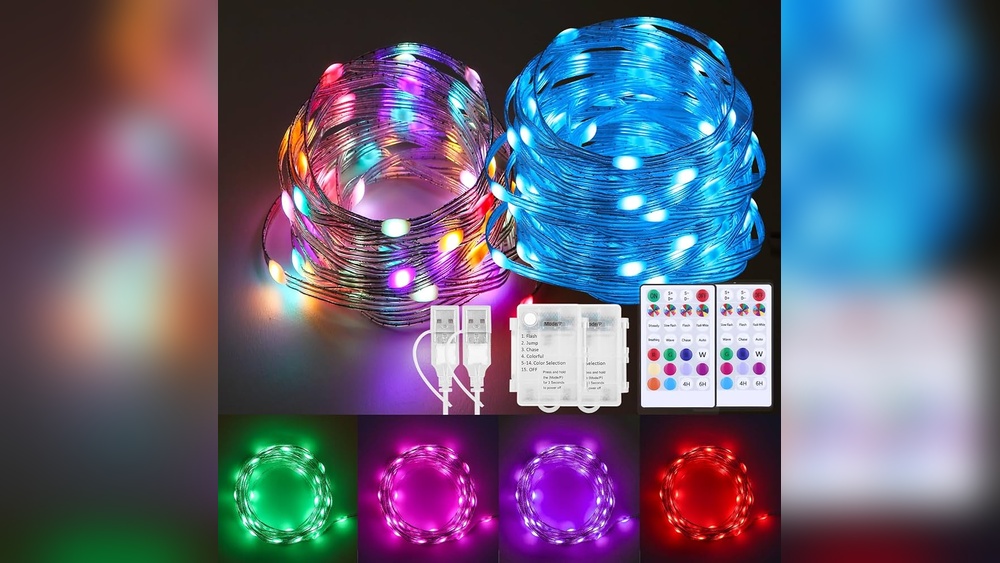
Look for wires or plugs connecting the battery pack to the lights. Carefully unplug or unscrew these connections. Hold the plug, not the wire, to avoid breaking it. Once disconnected, store the wires safely to prevent tangling.

Credit: www.amazon.com
Troubleshooting Common Issues
Troubleshooting common issues with battery packs and LED string lights helps keep your decorations working well. Problems like stuck connectors, damaged wires, and battery corrosion can stop your lights from shining. Understanding these issues makes it easier to fix them quickly. Let’s explore each problem and how to handle it safely.
Stuck Connectors
Connectors can get stuck due to dirt or tight fits. Avoid pulling hard to prevent damage. Try gently wiggling the connector while pulling it apart. Use a small tool, like a toothpick, to clear dirt from the connection points. If the connector still won’t budge, apply a little rubbing alcohol to loosen grime. Clean connectors ensure a better electrical connection and easier disconnection.
Damaged Wires
Wires may break or fray from bending or pulling. Check for visible cuts or exposed copper. Do not use lights with damaged wires, as they can cause shorts or shocks. Repair small cuts with electrical tape or replace the wire if needed. Keep wires straight and avoid tight knots to extend their life. Proper care prevents damage and keeps your lights safe.
Battery Corrosion
Corrosion appears as white or green powder on battery terminals. It happens when batteries leak acid. Remove the batteries carefully before cleaning. Use a cotton swab dipped in vinegar or lemon juice to clean corrosion. Wipe dry with a cloth before reinserting batteries or installing new ones. Regular checks stop corrosion from spreading and protect your battery pack.
Storage Tips After Disconnection
Proper storage of your LED string lights after disconnecting the battery pack helps keep them safe and working. Careful handling prevents damage to wires and bulbs. This section shares easy tips to store your lights correctly and extend their life.
Store In A Cool, Dry Place
Heat and moisture can harm LED string lights. Keep them in a cool room away from sunlight. Avoid damp areas like basements or garages. A dry space stops rust and electrical problems.
Wrap Lights Gently
Wrap the string lights loosely to avoid tangles and breaks. Use soft ties or twist ties to hold them in place. Avoid tight knots that can damage wires or bulbs.
Keep Battery Pack Separate
Remove the battery pack before storing the lights. Store batteries in a different container. This prevents battery leaks from damaging the wires or lights.
Use A Storage Box Or Bag
Place the wrapped lights in a box or cloth bag. This protects them from dust and pests. Clear boxes help you find the lights easily next time.
Label Your Storage Container
Label the box or bag with the type of lights inside. It saves time when searching later. Write the date of storage for reference.
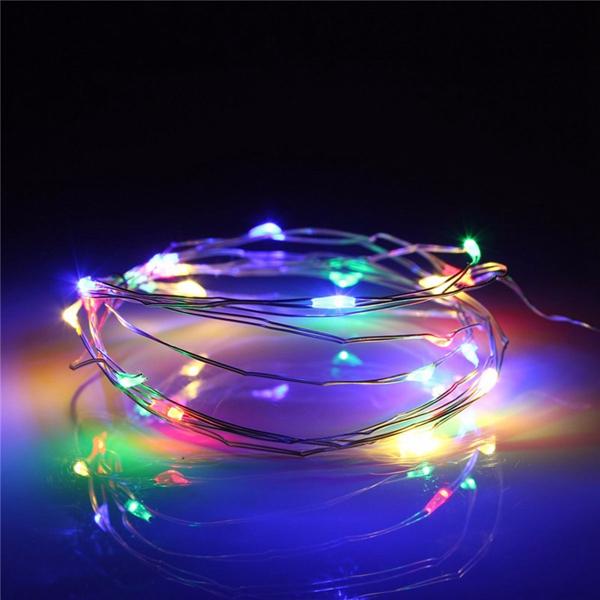
Credit: www.paperlanternstore.com
Frequently Asked Questions
How Do I Safely Disconnect A Battery Pack From Led String Lights?
To safely disconnect, first turn off the LED lights. Then, gently unplug the battery pack connector without pulling wires. Handle the wires carefully to avoid damage or short circuits. Always disconnect in a dry environment to prevent electrical hazards.
Can Disconnecting Battery Packs Damage Led String Lights?
No, disconnecting battery packs properly won’t damage LED lights. Always power off before unplugging. Avoid yanking or twisting wires to prevent damage. Proper handling ensures the longevity and safety of your LED string lights.
Why Should I Disconnect The Battery Pack From Led String Lights?
Disconnecting saves battery life and prevents overheating. It also protects lights from power surges and reduces fire risks. Disconnect when not in use to maintain battery health and ensure safe operation.
What Tools Are Needed To Disconnect Battery Packs Safely?
Typically, no tools are needed; just unplug connectors by hand. If connectors are tight, use small pliers gently. Avoid using sharp tools that might damage wires or connectors. Always handle with care for safety.
Conclusion
Disconnecting a battery pack from LED string lights is simple and quick. Always switch off the lights before unplugging the battery. Gently detach the connectors without pulling too hard. Keep the battery pack in a safe, dry place after removal.
This helps protect your lights and extends their life. Following these easy steps makes handling LED lights safer. Now, you can manage your string lights with confidence and care.