
Are you sure your home has enough smoke detectors to keep you and your loved ones safe? Knowing how many smoke detectors you need by law is more important than you might think.
Missing even one can put your entire household at risk in an emergency. You’ll discover the exact number of smoke detectors required in your home, where to place them, and why following these rules can save lives. Keep reading to make sure your home is fully protected—you won’t want to miss this crucial information.
Legal Requirements For Smoke Detectors
Smoke detectors save lives. Laws require homes to have them. These rules set where and how many detectors you need. Knowing these laws helps keep your family safe.
National Regulations
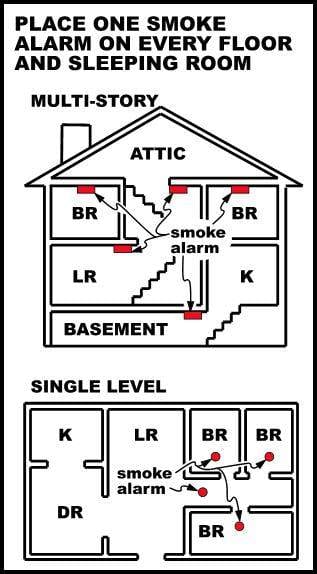
The U.S. has national rules for smoke detectors. The National Fire Protection Association (NFPA) sets key standards. These include placing alarms in each bedroom and outside sleeping areas. At least one alarm is required on every floor of the house. These rules apply to new and existing homes.
State And Local Variations
States can add their own rules. Some require more alarms than the national standard. Local governments may also have extra rules. Check with your local fire department for specific laws. This ensures your home meets all safety standards.
Types Of Smoke Detectors Required
The law often requires photoelectric or ionization smoke alarms. Photoelectric alarms detect slow, smoldering fires. Ionization alarms respond to fast, flaming fires. Many experts recommend using both types. Some areas require interconnected alarms that sound together. This gives early warning throughout the home.
Credit: www.novatofire.org
Placement Rules For Smoke Detectors
Proper placement of smoke detectors is vital for home safety. Laws set clear rules on where to install them. Correct placement helps detect smoke early and saves lives. Follow these rules carefully to protect your family and property.
Bedrooms And Sleeping Areas
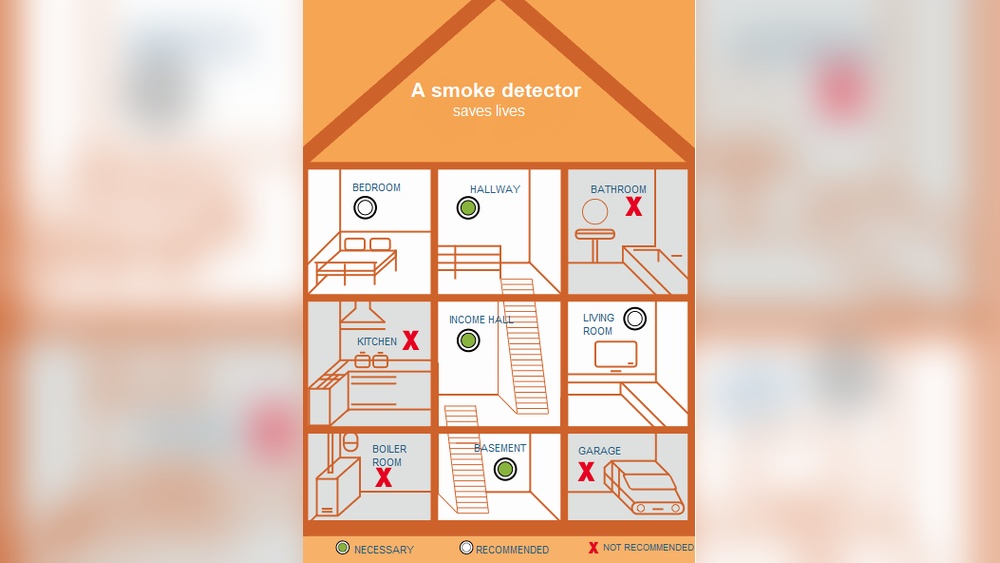
Place smoke detectors inside every bedroom. This ensures early warning during sleep. Install detectors on the ceiling or high on the wall. Keep them away from corners to avoid dead air pockets. If rooms have high ceilings, follow manufacturer height rules.
Hallways And Common Spaces
Install smoke detectors in hallways near bedrooms. This covers the path between sleeping areas and exits. Place detectors on every level of the home. Make sure detectors are outside sleeping areas, not just inside. Large common rooms also need a detector for wider coverage.
Basements And Garages
Basements require at least one smoke detector on the ceiling. Install it near the stairs leading upstairs. Garages need a smoke detector outside, close to the door. Avoid placing detectors inside garages due to false alarms. Follow local codes for any additional rules in these spaces.
Smoke Detector Quantity Based On Home Size
Knowing how many smoke detectors to install depends on your home’s size. Different homes need different numbers of detectors to keep everyone safe. The right amount makes sure smoke is noticed early. This helps protect lives and property.
Small Homes And Apartments
Small homes and apartments usually need one smoke detector per floor. Place detectors near sleeping areas and living rooms. This setup covers the main spots where fires may start. It keeps the entire space protected with fewer devices.
Medium-sized Residences
Medium-sized homes require more detectors. At least one in each bedroom is important. Also, add detectors in hallways and near the kitchen. This ensures quick smoke detection anywhere in the house. More detectors mean better safety for a larger space.
Large Homes And Multi-story Buildings
Large homes and buildings need many smoke detectors. Install one inside every bedroom and outside each sleeping area. Include detectors on every floor and in basements or attics. This setup provides full coverage in big homes. It helps alert everyone no matter where fire starts.
Special Considerations For Different Properties
Different types of properties need different rules for smoke detectors. Laws vary based on property use, age, and structure. Knowing these special rules helps keep everyone safe. This section covers rental homes, new versus old houses, and commercial buildings. Each has unique needs for smoke alarms.
Rental Properties
Landlords must install smoke detectors in rental units. Usually, one detector is required in each bedroom and outside sleeping areas. Some states demand detectors in every room. Regular checks ensure alarms work properly. Tenants should report any issues immediately. Safety rules protect renters and landlords alike.
New Construction Vs. Older Homes
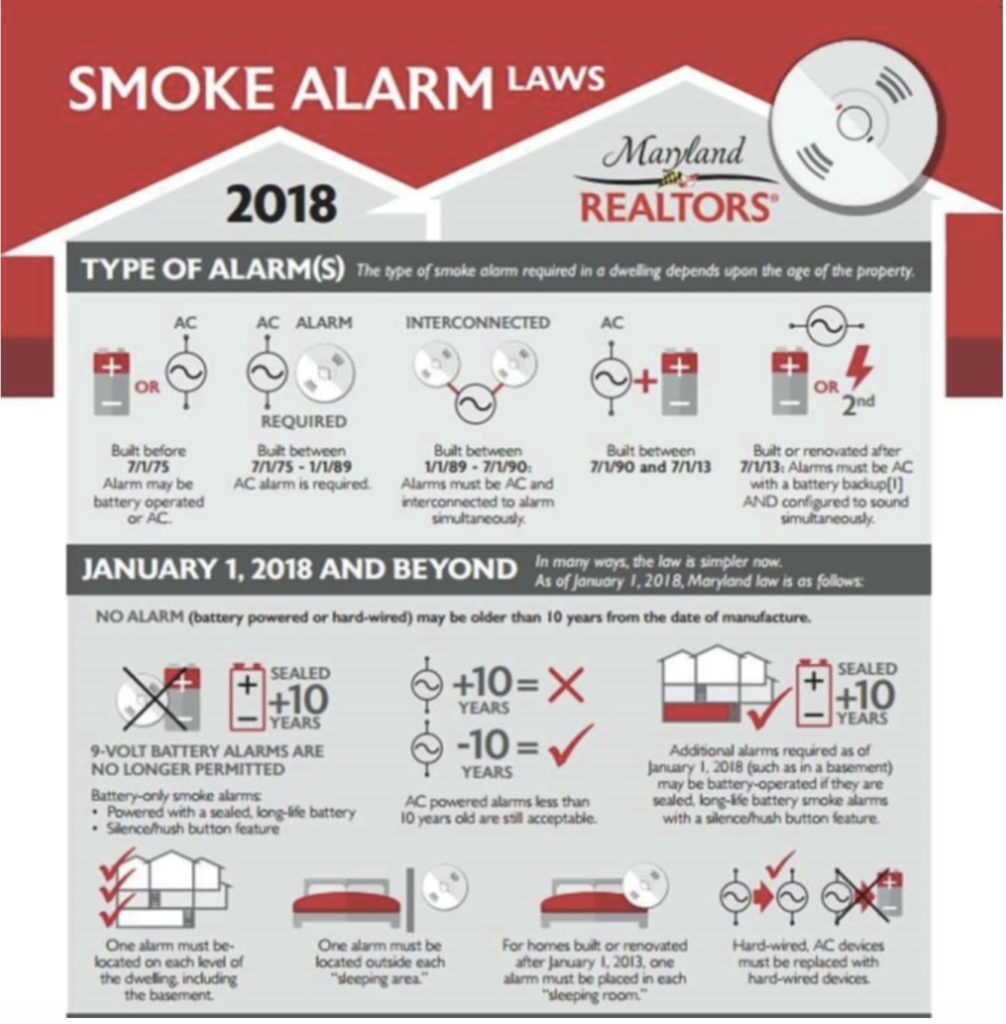
New homes follow strict smoke detector laws. Builders must install alarms in specific places, often hardwired with battery backup. Older homes have fewer rules but still need alarms in key spots. Homeowners should add detectors to meet modern standards. Upgrading old alarms improves safety and legal compliance.
Commercial Buildings
Commercial properties have complex smoke alarm rules. The number depends on building size and use. Offices, stores, and warehouses need detectors in hallways, rooms, and near exits. Fire codes often require interconnected alarms. Regular maintenance and inspections are mandatory. Proper alarms help protect workers and customers.
Maintenance And Testing Requirements
Smoke detectors save lives. Proper maintenance and testing keep them working well. Regular care ensures they alert you during a fire. Knowing the legal rules helps you stay safe and avoid fines. Follow these simple steps to keep your smoke detectors in good shape.
Regular Testing Frequency
Test your smoke detectors at least once a month. Press the test button until you hear a loud beep. This confirms the alarm and battery work correctly. If the sound is weak or silent, replace the battery immediately. Regular testing finds problems before they become dangerous.
Battery Replacement Guidelines
Change the batteries at least once a year. Some detectors use 9-volt batteries, others use AA or AAA. Use the battery type the manufacturer recommends. Consider changing batteries when you change clocks for daylight saving. Weak batteries cause false alarms or no alarm at all.
When To Replace Smoke Detectors
Smoke detectors do not last forever. Replace them every 10 years or sooner if damaged. Check the manufacture date on the back of the device. Dust, dirt, and moisture reduce their effectiveness over time. Old detectors may not detect smoke quickly enough.
Credit: georgebrazilplumbingelectrical.com
Penalties For Non-compliance
Failing to install the required number of smoke detectors is more than a safety risk. It can lead to serious penalties under the law. These rules exist to protect lives and property. Ignoring them can bring legal trouble and financial loss.
Fines And Legal Consequences
Many states and local areas set fines for missing smoke detectors. These fines can be costly. Some places charge hundreds of dollars per missing unit. Repeat violations might lead to higher fines or court action.
Landlords and property owners face extra scrutiny. They must follow rules strictly or risk lawsuits. Courts may order repairs or impose penalties. Non-compliance can also affect rental licenses.
Impact On Insurance Coverage
Insurance companies check for proper smoke detectors during inspections. Lack of detectors can cause claim denials. Your insurer might refuse to pay for fire damage.
Policies may become void or premiums increase. This leaves homeowners with huge repair costs. Smoke detectors help keep insurance valid and affordable.
Additional Safety Tips
Adding smoke detectors is just the first step in home safety. To protect your family fully, consider other safety measures. These help detect dangers early and give you more time to act. Here are some tips to improve your home’s fire and gas safety.
Interconnected Smoke Alarms
Interconnected smoke alarms all sound at once. If one alarm detects smoke, every alarm rings. This alerts everyone in the house quickly. It is especially useful in larger homes. You hear the warning even if you are far from the fire.
Wired or wireless systems work for interconnected alarms. Wireless alarms are easier to install. They use radio signals to connect each unit. Check local laws to see if interconnected alarms are required.
Carbon Monoxide Detectors
Carbon monoxide is a silent, deadly gas. It has no smell or color. Many homes need a carbon monoxide detector by law. Place detectors near bedrooms and fuel-burning appliances. Test them monthly to ensure they work. Replace batteries once a year or as needed.
These detectors save lives by alerting you before levels get dangerous. Combine smoke and carbon monoxide detectors for best protection.
Fire Escape Planning
Having smoke detectors is not enough. Everyone in your home needs a fire escape plan. Plan two ways out of every room. Practice escaping with your family twice a year. Choose a safe meeting place outside your home. Teach children what to do if they hear an alarm.
Clear exits and keep them free of clutter. Time is critical during a fire. A good plan can save lives.
Credit: sellbuymdhomes.com
Frequently Asked Questions
How Many Smoke Detectors Are Legally Required In A Home?
The law typically requires one smoke detector on every floor and inside each bedroom. Local codes may vary. Check your state or city regulations for exact numbers.
Where Should Smoke Detectors Be Installed By Law?
By law, smoke detectors must be installed in hallways outside sleeping areas and on every level of the home, including basements.
Are Interconnected Smoke Detectors Required By Law?
Many laws require interconnected smoke detectors so when one sounds, all alarms in the home activate, improving safety.
What Type Of Smoke Detectors Are Legally Mandated?
Most laws require photoelectric or ionization smoke detectors that meet safety standards. Combination alarms with carbon monoxide detection are also common.
Conclusion
Smoke detectors save lives. Laws require enough detectors in your home. Place them in every bedroom, hallway, and living area. Check local rules for exact numbers and placement. Test your smoke alarms monthly to ensure they work. Replace batteries yearly or as needed.
A well-protected home gives peace of mind. Don’t wait to install or update your detectors. Safety starts with simple steps anyone can follow. Stay safe, stay prepared.