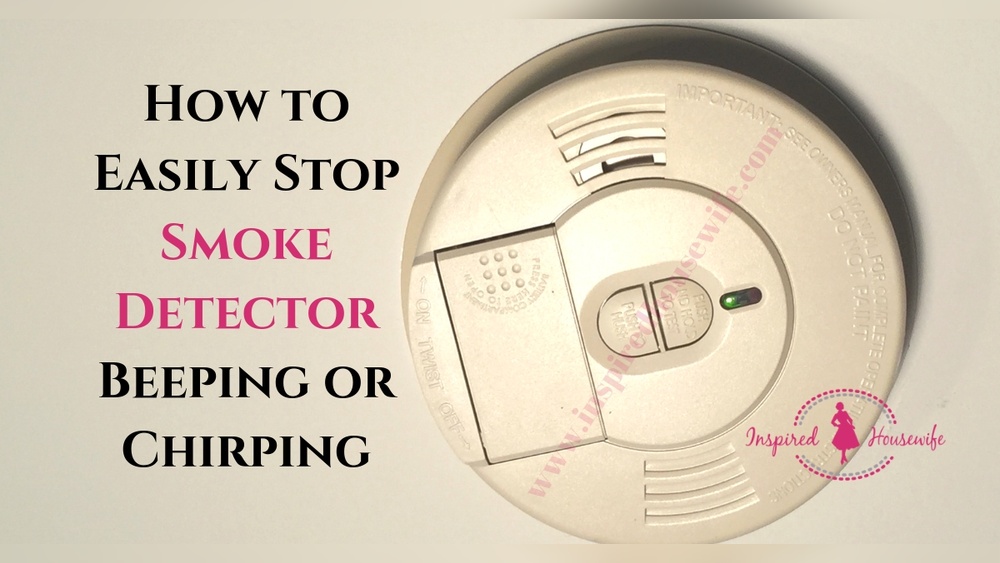

Have you ever been jolted awake by a sudden beeping sound in the middle of the night? That annoying noise usually means one of your smoke detectors needs attention.
But how do you know which smoke detector is beeping when you have several installed around your home? Finding the source quickly is important for your safety and peace of mind. You’ll discover simple, effective ways to identify the beeping smoke detector fast—so you can fix the problem and stop the noise for good.
Keep reading to take control of your home’s safety today.
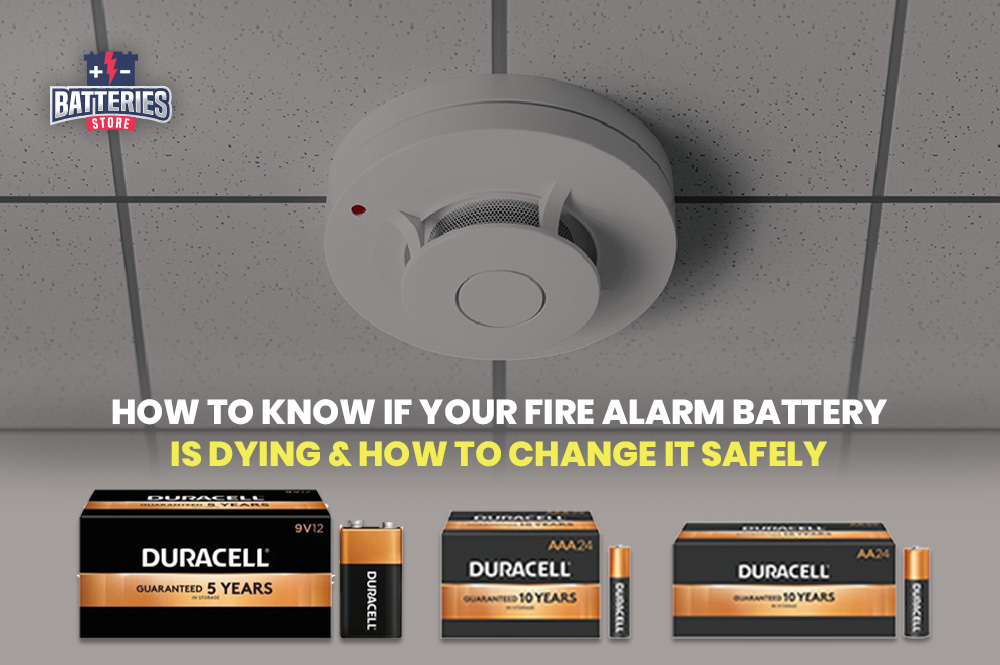
Credit: batteriesstore.ca
Common Causes Of Beeping
Smoke detectors beep to warn you about problems. Knowing why your detector beeps helps keep your home safe. Several common reasons cause these beeps. Understanding each one helps you fix the issue quickly. Here are the main causes of beeping smoke detectors.
Low Battery Signals
Low batteries are the most frequent cause of beeping. The detector emits a short beep every minute or so. This sound warns you to replace the battery soon. Using fresh batteries stops the beeping and keeps your detector working.
Dust And Debris Issues
Dust or dirt inside the detector can trigger false alarms. Particles block the sensor and cause beeping sounds. Cleaning the detector with a soft brush or vacuum solves this problem. Keep detectors dust-free for smooth operation.
End Of Life Alerts
Smoke detectors do not last forever. Most models work for about 8 to 10 years. After this time, detectors beep to signal they need replacement. Check the manufacturing date on your device to know its age. Replace old detectors to stay protected.
Power Supply Problems
Hardwired smoke detectors rely on your home’s power. A loose wire or power outage can cause beeping. Backup batteries may also run low. Inspect wiring and replace backup batteries to stop the noise. Stable power ensures reliable detector performance.
Locating The Beeping Detector
Finding which smoke detector is beeping can be tricky. Many homes have several units, and the sound can be confusing. Locating the beeping detector quickly helps avoid safety risks and annoying noises. Use simple steps to find the exact device causing the beep.
Listening Techniques
Stand still and listen carefully. The beeping sound is usually louder near the faulty detector. Move closer to each unit slowly. Pause near each detector to hear if it beeps. Try to notice if the beep is steady or intermittent.
Using A Flashlight
Turn off the lights in the room. Use a flashlight to look at each smoke detector. Check for blinking lights on the units. A flashing red or yellow light often shows the source of the beep. This method works well in dark or large rooms.
Checking Each Unit
Press the test button on each detector. This action may stop the beep if the device resets. Look for error messages or low battery signals. Replace batteries if needed. Keep track of which detectors you have tested.
Smart Detector Alerts
Many modern smoke detectors connect to apps. These apps send alerts to your phone. Check the notification for the beeping detector’s location. Smart alerts save time and stress. They guide you directly to the problem unit.
Immediate Fixes
Hearing a smoke detector beep can cause worry. Finding the source quickly helps stop the noise and keeps your home safe. Immediate fixes often solve the problem fast. These simple steps bring peace and safety back to your space.
Replacing Batteries
Low batteries cause most beeping sounds. Open the detector cover carefully. Remove old batteries and replace them with new ones. Use the right size and type for your model. Close the cover firmly to secure the detector. The beeping should stop after battery replacement.
Cleaning The Detector
Dust and dirt block smoke sensors. Switch off power to the detector before cleaning. Use a soft brush or vacuum with a brush attachment. Gently remove dust from vents and sensors. Clean detectors work better and beep less. Regular cleaning keeps alarms ready to protect.
Resetting The Alarm
Resetting clears false alarms and error signals. Find the reset button on the detector. Press and hold it for 15 seconds. Release the button and wait for the alarm to stop. Resetting restarts the system and may stop beeping quickly.
Testing After Fix
Test the detector after any fix. Press the test button and listen for a loud beep. A strong sound means the alarm works well. No sound means you should check batteries or call a professional. Testing ensures your detector will alert you during danger.
Preventing Future Beeps
Stopping your smoke detector from beeping unexpectedly is important. It keeps your home quiet and safe. Many beeps mean something needs attention. Taking simple steps can prevent these annoying sounds. Follow easy habits to keep your alarms working well.
Regular Maintenance Tips
Clean your smoke detectors every month. Dust and dirt can cause false alarms. Use a soft brush or vacuum cleaner. Check for any damage or loose parts. Test the alarm button once a month. Make sure the sound is loud and clear.
Battery Replacement Schedule
Change batteries at least once a year. Use fresh, good-quality batteries only. Some alarms beep when batteries run low. Keep spare batteries nearby for quick swaps. Mark your calendar to remember replacement dates. Never ignore a low battery beep.
Upgrading Old Detectors
Replace smoke detectors every 10 years. Older models may not work well. Newer detectors have better sensors and features. Look for alarms with long-life batteries. Consider interconnected alarms for better safety. Upgrading helps prevent false alarms and failures.
Placement Best Practices
Install smoke detectors in key areas. Place one in every bedroom and hallway. Avoid kitchens or bathrooms where steam triggers false alarms. Mount detectors on ceilings or high walls. Keep them away from windows and vents. Proper placement reduces unnecessary beeping.
When To Call A Professional
Knowing when to call a professional is important for your safety. Smoke detectors keep you safe, but sometimes issues are hard to fix alone. Some problems need expert help to avoid risks. Understanding the signs helps you decide when to get professional support.
Persistent Beeping Issues
Smoke detectors beep for many reasons. A weak battery often causes short beeps. But if the beeping does not stop after changing batteries, it is a problem. Persistent beeping may mean the detector is faulty. A professional can check and fix these issues safely.
Wiring And Electrical Concerns
Hardwired smoke detectors connect to home electricity. Faulty wiring can cause random beeping or no power to the unit. Electrical issues may be dangerous if ignored. Only a licensed electrician should inspect and repair wiring problems. This keeps your home safe from fire and shocks.
Detector Malfunction Signs
Smoke detectors can fail over time. If the detector beeps but no smoke or fire is present, it might be broken. Other signs include the detector not responding to tests or showing physical damage. A professional can test and replace malfunctioning detectors. This ensures your safety system works correctly.

Credit: www.nfpa.org
Credit: expresselectricalservices.com
Frequently Asked Questions
Why Is My Smoke Detector Beeping Intermittently?
Intermittent beeping usually means the battery is low. Replace the battery promptly to stop the sound. Check for dust or debris, which can also cause false alarms.
How Can I Identify Which Smoke Detector Is Beeping?
Listen closely to locate the source of the beep. If multiple detectors beep, replace batteries one by one to find the faulty unit. Some models have a light indicator for alerts.
What Should I Do If The Smoke Detector Keeps Beeping?
First, replace the battery with a fresh one. Clean the detector with a vacuum to remove dust. If it still beeps, consider replacing the detector entirely.
Can A Smoke Detector Beep Without Smoke Or Fire?
Yes, detectors beep for low batteries, dust buildup, or sensor malfunctions. Regular maintenance prevents false alarms and ensures your safety.
Conclusion
Knowing which smoke detector is beeping helps keep your home safe. Check each alarm carefully and listen closely for the source. Replace batteries regularly to avoid false alarms. Clean your detectors to stop dust from causing noise. Test your smoke alarms often to ensure they work well.
Staying alert can protect your family and property. Don’t ignore any beeping sound. Take quick action to fix the problem. Safety starts with simple checks and care. Keep your home safe, one beep at a time.