
Are you tired of constantly opening and closing doors for your pet? Installing a pet sliding door can give your furry friend the freedom to come and go as they please, while making your life easier.
But how do you install one correctly? In this guide, you’ll discover simple, step-by-step instructions that anyone can follow. By the end, you’ll have a smooth, functional pet door that fits perfectly and works flawlessly. Keep reading to find out how to make your home more pet-friendly with a sliding door you’ll both love.
Choosing The Right Sliding Door
Choosing the right sliding door for your pet is an important step. The door should fit your pet’s size and your home’s style. Picking the correct door makes installation easier and keeps your pet safe. It also helps save energy by sealing the door well.
Types Of Pet Sliding Doors
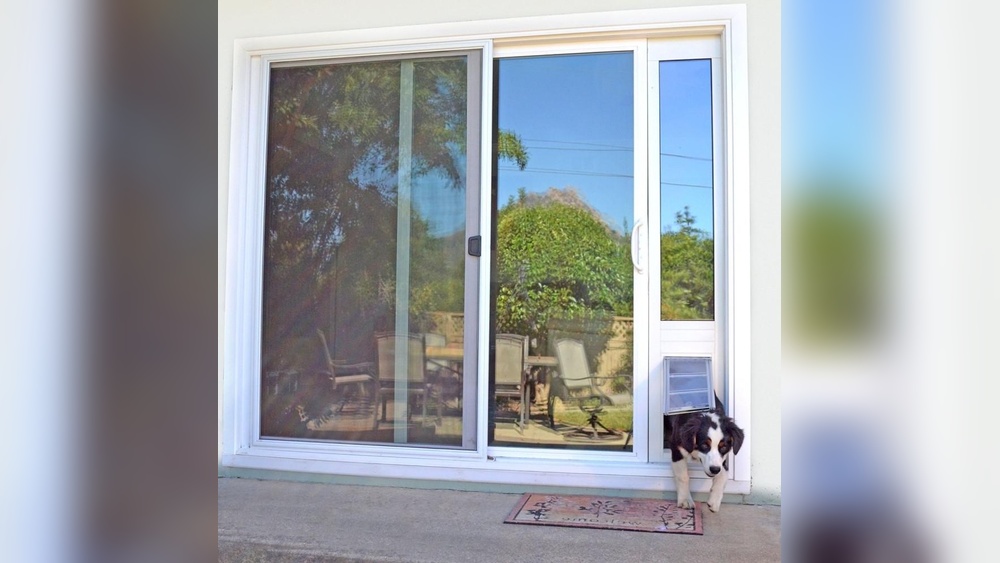
There are several types of pet sliding doors. Some are built into the door itself. Others are small panels that fit inside a sliding glass door. Some models have manual flaps, while others use electronic sensors. Choose a type that suits your pet’s habits and your door style.
Sizing Your Door
Measure your pet before buying a sliding door. The opening should be wide enough for your pet to pass easily. Also, consider the height. A door too small can cause injury or stress. Measure your pet’s width and height from the ground to the top of their shoulders.
Material Options
Sliding doors come in various materials. Plastic is lightweight and easy to clean. Metal doors offer more durability and security. Some doors mix materials for strength and style. Pick a material that fits your climate and your pet’s behavior.
Gathering Tools And Materials
Gathering the right tools and materials is the first step to install a pet sliding door smoothly. Having everything ready saves time and avoids frustration. It helps to work efficiently and get the door installed correctly.
Essential Tools
Start with basic tools for measuring and cutting. A tape measure ensures accurate door size. A pencil helps mark where to cut or drill. A drill with drill bits is needed to make holes. A screwdriver is necessary to fasten screws firmly. A level keeps the door straight during installation. A saw is useful if you need to trim the door frame. These tools are important for a safe and clean installation.
Additional Supplies
Besides tools, some extra supplies make the process easier. Screws and anchors help secure the door in place. Weatherstripping seals gaps and keeps the house insulated. Sandpaper smooths any rough edges after cutting. A vacuum or broom cleans up dust and debris. Gloves protect your hands during work. These supplies improve the door’s fit and finish.
Preparing The Installation Area
Preparing the installation area is a key step before fitting your pet sliding door. This stage helps ensure the door fits well and works smoothly. It reduces problems during installation and keeps your space safe.
Measuring And Marking
Start by measuring the door space carefully. Use a tape measure to find the width and height. Double-check these numbers to avoid mistakes. Mark the spots where you will cut or drill. Use a pencil for clear, easy-to-remove marks. Accurate measuring and marking guide the installation and prevent errors.
Clearing The Space
Clear the area around the door opening. Remove furniture, rugs, or any objects that block access. This creates a safe work zone. It also makes handling tools and parts easier. Clean the floor and walls to avoid dust or debris. A tidy space helps the installation go smoothly and quickly.
Removing The Existing Door
Removing the existing door is the first step in installing a pet sliding door. This process requires care to avoid damage and ensure safety. Clearing the area and gathering tools before starting helps the work go smoothly.
Safety Precautions
Wear gloves to protect your hands from sharp edges. Use safety glasses to shield your eyes from dust and debris. Keep pets and children away from the work area. Work slowly and carefully to avoid accidents. Make sure the door is stable before starting removal.
Step-by-step Removal
Start by unlocking and removing any door handles or locks. Unscrew the hinges or tracks holding the door in place. Gently lift the door out of the frame. Use a pry bar if needed, but avoid damaging the frame. Remove any remaining screws or nails from the door frame. Clean the area to prepare for the new pet sliding door installation.
Installing The Pet Sliding Door
Installing a pet sliding door can make life easier for both you and your pet. The process is simple and does not require special tools. Follow these steps carefully to ensure a proper fit and smooth operation.
Fitting The Frame
Start by measuring the door opening. Check the pet door frame size against your measurements. Place the frame into the opening gently. Make sure it fits snugly without forcing it. Use a level to ensure the frame sits straight. This step is key for smooth door movement.
Securing The Door
Once the frame fits well, secure it with screws provided. Use a drill to fasten the frame to the door or wall. Tighten screws evenly to avoid gaps. Double-check the frame remains level after securing. A firmly attached frame prevents drafts and keeps the door stable.
Adjusting The Sliding Mechanism
Test the sliding door by moving it back and forth. If it sticks or moves unevenly, adjust the rollers. Most pet sliding doors have screws for roller height adjustment. Turn screws slightly to raise or lower the door. Keep adjusting until the door slides smoothly and closes fully.

Credit: www.shoshitamam.com
Testing And Final Adjustments
After installing the pet sliding door, testing and final adjustments are key. This step ensures the door works well and keeps your pet safe. Take time to check every part carefully.
Checking Door Movement
Slide the door back and forth slowly. It should move smoothly without sticking or jumping. Listen for strange noises that could mean a problem. Make sure the door closes fully and seals tight. Adjust the rollers or tracks if needed. Proper movement helps keep outside air and dirt out.
Ensuring Pet Safety
Look for sharp edges or gaps where your pet might get hurt. The door’s size should fit your pet comfortably. Check if the locking mechanism is easy for you but secure from pets. Make sure the flap is soft and flexible. These checks prevent injuries and keep your pet safe and happy.
Maintenance Tips
Proper maintenance keeps your pet sliding door working smoothly for years. Regular care prevents damage and ensures easy use for your pet. Simple steps like cleaning and lubrication make a big difference.
Cleaning The Door
Clean the door regularly to remove dirt and dust. Use a soft cloth and mild soap with water. Avoid harsh chemicals that can damage the door surface. Clean both sides of the door for best results. Check the glass or plastic panel for smudges and clean gently. Dry the door fully after cleaning to prevent water marks.
Lubricating Tracks
Lubricate the tracks to help the door slide smoothly. Use a silicone-based lubricant for best results. Avoid oil-based products that attract dirt and dust. Apply lubricant sparingly along the track’s length. Move the door back and forth to spread the lubricant evenly. Clean tracks before applying lubricant to avoid trapping grit. Proper lubrication reduces wear and extends the door’s life.

Credit: www.youtube.com

Credit: www.youtube.com
Frequently Asked Questions
How Do I Measure For A Pet Sliding Door?
Measure your door’s width and height accurately. Check your pet’s size to ensure the flap fits comfortably. Proper measurements prevent installation errors and ensure your pet can pass through easily.
What Tools Are Needed To Install A Pet Sliding Door?
You will need a screwdriver, tape measure, drill, and level. Having these tools ready makes installation quicker and easier. Some kits may include specific hardware, so check instructions.
Can I Install A Pet Sliding Door Myself?
Yes, most pet sliding doors come with easy-to-follow instructions. Basic DIY skills are sufficient for installation. If unsure, watching tutorial videos can help ensure proper fitting.
How Do I Secure The Pet Sliding Door Flap?
Use the provided locking mechanism or magnetic strips. Proper securing prevents drafts and keeps the flap closed when not in use. This also protects your home from insects.
Conclusion
Installing a pet sliding door can make life easier for both you and your pet. Following clear steps helps avoid common mistakes. Take your time measuring and fitting the door correctly. A well-installed door lets your pet come and go freely.
Enjoy the convenience and comfort it brings to your home. Small effort now saves hassle later. Your pet will thank you with happy visits outside. Simple tools and patience make the job smooth. Try this project for a better pet-friendly space.