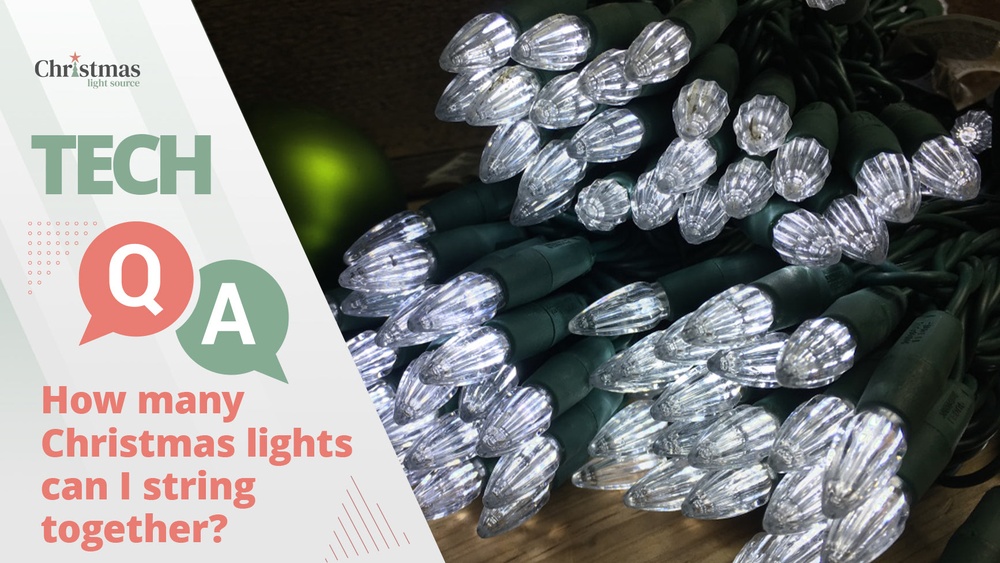

Are you wondering how many LED lights you can string together without risking a blackout or damaging your setup? Whether you’re decorating your home for the holidays or creating a cozy ambiance, knowing the right limit can save you time, money, and frustration.
You’ll discover the simple rules that keep your lights shining bright and your circuits safe. Keep reading—you’re just a few steps away from mastering your LED lighting setup like a pro.

Credit: www.christmas-light-source.com
Factors Influencing Led String Length
Several factors determine how many LED lights you can string together safely and effectively. Each factor affects the total length and performance of your LED string. Understanding these helps prevent damage and ensures optimal brightness. Below are key elements that influence the length of LED light strings.
Power Source Capacity
The power source must supply enough electricity for all LEDs. Check the wattage limit of your power supply. Exceeding this limit risks overheating and failure. Always match the total LED wattage to the power capacity. Using a power supply with higher capacity allows longer strings.
Led Type And Wattage
Different LED types use different amounts of power. Higher wattage LEDs consume more energy. Strings with low-wattage LEDs can connect more lights. Choose LED types based on your power supply and string length needs. Keep the total wattage within safe limits.
Voltage Drop Effects
Voltage drops happen over long wires, reducing brightness. The farther the electricity travels, the weaker it gets. This limits how many LEDs can be placed on one string. Using shorter strings or higher voltage can reduce voltage drops. Proper planning avoids dim or flickering lights.
Wire Gauge And Length
Thicker wires carry electricity better over long distances. Thin wires increase resistance and voltage drop. The wire length also impacts voltage loss. Use thicker gauge wires for longer LED strings. This keeps lights bright and the current steady throughout the string.
Calculating Maximum Led Count
Calculating the maximum number of LED lights you can string together is key for safe and efficient setups. It prevents overloads and keeps your lights bright. This process involves understanding your power supply, the current each LED uses, and adding a safety margin.
Determining Power Supply Limits
Start by checking the power supply’s voltage and wattage ratings. These numbers tell you the total power available. Use a power supply that matches your LED string’s needs. Avoid using one with too low capacity; it may cause dim lights or failure.
Estimating Current Draw
Each LED uses a specific current, often shown in milliamps (mA). Multiply the current of one LED by the number of LEDs you plan to connect. This gives the total current needed. Make sure this total stays below the power supply’s maximum current output.
Accounting For Safety Margins
Always leave room for safety by reducing the maximum LED count by 20% to 30%. This margin helps prevent overheating and damage. It also covers small variations in power or LED quality. Safety margins increase the lifespan of your LED lights.
Common Led String Configurations
LED string lights come in different wiring setups. Each setup affects how many lights you can connect. Understanding common LED string configurations helps you plan better. It also keeps your lights safe and working well.
Series Wiring Basics
In series wiring, LEDs connect one after another. The same current flows through all lights. Each LED adds to the total voltage needed. If one LED breaks, the whole string may go out. Series wiring limits how many LEDs you can add.
Parallel Wiring Basics
Parallel wiring connects all LEDs to the power source separately. Each LED gets the same voltage. If one LED fails, others keep working. This setup allows more LEDs on the same string. It uses more current than series wiring.
Series-parallel Combinations
This setup mixes series and parallel wiring. Groups of LEDs are connected in series, and those groups link in parallel. It balances voltage and current needs. This method allows many LEDs with steady brightness. It also improves reliability compared to pure series wiring.
Tips For Extending Led Strings Safely
Extending LED light strings can brighten up any space beautifully. Doing this safely keeps your setup reliable and avoids damage. Some key tips help you add more lights without risks. Understanding power needs, signal strength, and wiring is important for safe extension.
Using Multiple Power Supplies
Each LED string needs a power supply that matches its length. Long strings drain more power and may cause dim lights or damage. Splitting your lights across several power supplies keeps voltage steady. This method prevents overloading a single power source. Make sure power supplies have correct voltage and current ratings.
Employing Amplifiers Or Repeaters
LED signals weaken over long distances. Amplifiers or repeaters boost the signal to reach more lights. These devices keep colors bright and consistent along the string. Use them especially with digital or RGB LED lights. Place amplifiers at intervals to maintain signal strength and light quality.
Choosing Appropriate Wiring
Wiring plays a big role in safe LED extensions. Use wires with the right thickness to carry the current. Thin wires can overheat and cause safety hazards. Keep wiring neat and secure to avoid shorts or damage. Proper wiring supports steady power flow and long-lasting lights.
Troubleshooting Led String Issues
Troubleshooting LED string issues helps keep your lights bright and safe. Small problems can stop your display from working well. Knowing how to spot and fix common issues saves time and frustration. Below are key points to check when LED lights act up.
Identifying Voltage Drop Symptoms
Voltage drop happens when power weakens along the string. Lights far from the power source may dim or flicker. The last bulbs often look less bright. This issue grows with longer strings or thin wires. Check the brightness along the string to find voltage drop.
Fixing Flickering Or Dim Lights
Flickering or dim lights can mean loose connections. Inspect plugs and sockets for dirt or damage. Tighten any loose bulbs or connectors carefully. Replace any broken bulbs with the right type. Avoid overloading the circuit to keep lights steady.
Addressing Overheating Concerns
Overheating can cause bulbs or wires to get hot. It risks fire or damage to your LED lights. Ensure your string uses the correct voltage and wattage. Do not connect too many strings together. Place lights in open areas to improve airflow and cooling.
:max_bytes(150000):strip_icc()/how-many-lights-per-christmas-tree-per-foot-chart-2000-536e7ddc38bb4619b5c847a0271fef03.jpg)
Credit: www.realsimple.com
Popular Led String Applications
LED string lights have many uses in different settings. Their flexibility and low energy use make them popular. People use LED strings to create mood, highlight spaces, and decorate.
These lights come in many lengths and styles. Choosing the right length depends on the use and power limits. Let’s explore some popular ways to use LED string lights.
Holiday Decorations
LED string lights brighten homes during holidays. They wrap around trees, windows, and railings. These lights add sparkle to Christmas and other festivals. Many prefer LED because they last longer and use less power. Colorful lights create a festive and warm feeling.
Architectural Lighting
Architects use LED strings to highlight building features. These lights outline roofs, windows, and pathways. They enhance the beauty of structures at night. LED strings fit well in tight spaces and corners. Their low heat output keeps installations safe and easy.
Event And Stage Lighting
LED string lights add charm to events and stages. They create soft backgrounds or bright effects. Event planners use them for weddings, parties, and concerts. LED strings can be arranged in patterns or draped simply. Their flexibility helps set the right mood for any event.

Credit: www.christmas-light-source.com
Frequently Asked Questions
How Many Led Lights Can You Safely String Together?
The number of LED lights you can string depends on the power rating. Typically, 50 to 100 lights are safe on one string. Always check the manufacturer’s guidelines to avoid overloading and potential hazards.
What Limits The Length Of Led Light Strings?
The main limits are voltage drop and power supply capacity. Longer strings may dim or fail due to insufficient voltage. Using multiple shorter strings or a higher capacity power source helps maintain brightness and safety.
Can I Connect Different Led Light Brands Together?
It’s not recommended to mix different brands. Different voltage and power ratings can cause malfunction or damage. Always use lights from the same manufacturer and ensure compatibility for best results.
How Do Led Light Strings Affect Electrical Safety?
Overloading circuits with too many LED lights can cause overheating and fire risk. Use recommended string limits and avoid daisy-chaining too many sets. Regularly inspect wiring for damage to ensure safe operation.
Conclusion
Knowing how many LED lights to string keeps your setup safe and bright. Too many lights can cause power issues or dimming. Check the manufacturer’s guidelines for the maximum number allowed. Use quality extension cords and connectors to avoid problems.
Keep an eye on the lights while they run. Proper planning helps your decorations look their best. Enjoy a bright, safe display that lasts longer. Simple steps make a big difference in lighting your space.