
When it comes to your pet’s safety and comfort, every detail matters—especially the cage door. You might wonder, what metal are pet cage doors made of, and why does it matter to you?
The right metal can make a huge difference in durability, security, and even your pet’s health. You’ll discover the common metals used, their benefits, and what you should look for to ensure your furry friend stays safe and happy. Keep reading to find out how choosing the right metal can protect your pet and give you peace of mind.

Credit: lordsandlabradors.com
Common Metals For Pet Cage Doors
Pet cage doors must be strong and safe. The metal used affects their durability and function. Common metals offer different benefits for pet cages. Each metal suits various pet types and environments.
Steel
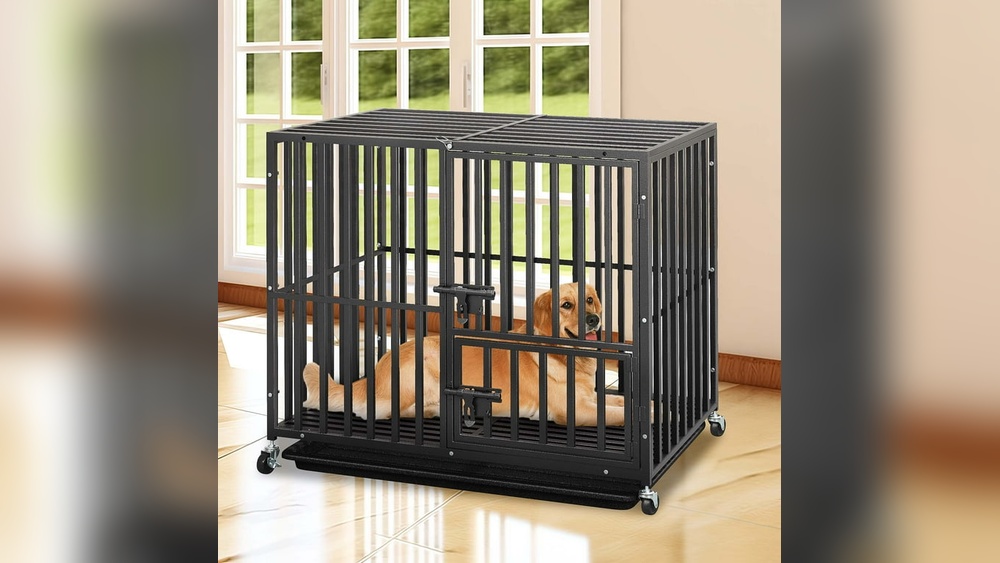
Steel is very strong and hard to bend. It keeps pets secure and safe inside the cage. Steel doors resist damage from chewing or scratching. They may rust if not coated well. Steel doors often have a protective finish to last longer.
Aluminum
Aluminum is light and easy to handle. It does not rust, so it works well outdoors. Aluminum cages are less heavy than steel ones. This metal is less strong but still safe for small pets. It looks shiny and clean for a long time.
Iron
Iron is tough and heavy. It offers great protection against pets escaping. Iron doors can rust quickly if not painted. Many iron cage doors have a thick coat of paint. This metal suits strong and large pets best.
Stainless Steel
Stainless steel is strong and does not rust. It stays shiny and clean easily. This metal is often used for high-quality pet cages. Stainless steel doors last long and resist pet damage. They are safe for pets with allergies too.

Credit: stonedesignbysantos.com
Durability Factors
Durability is key when choosing metal for pet cage doors. The metal must last long and keep pets safe. Several factors affect how strong and lasting the metal will be. These include how well it resists rust, its strength, and how it handles daily use. Understanding these durability factors helps in picking the best metal for pet cages.
Corrosion Resistance
Corrosion resistance means the metal does not rust easily. Rust weakens metal and can cause sharp edges. Metals like stainless steel resist rust well. This keeps the cage door safe and looking good. Metals with poor corrosion resistance need coatings to last longer.
Strength And Toughness
Strength is how much force the metal can handle without bending. Toughness means the metal can absorb impact without breaking. Both are important for pet cage doors. Strong, tough metals protect pets from escaping and outside threats. Steel is a popular choice due to its strength and toughness.
Wear And Tear
Wear and tear happen from daily use. Hinges, locks, and bars face constant movement and stress. Metals that resist scratches and dents last longer. Durable metals reduce repair and replacement costs. Choosing metals designed for heavy use improves cage door lifespan.
Safety Considerations
Safety is the top priority when choosing metal for pet cage doors. The metal must protect pets from harm. It should also keep pets securely inside. Several safety factors guide the choice of metal and design.
Non-toxic Materials
Pet cage doors use metals that do not release harmful chemicals. Metals like stainless steel and powder-coated steel are common. These metals do not rust or corrode easily. This keeps pets safe from toxic substances. Non-toxic metals prevent skin irritation and health issues.
Smooth Edges And Finishes
Sharp edges can hurt pets or their owners. Cage doors have smooth, rounded edges to avoid cuts. The metal surfaces are polished or coated to prevent scratches. This finish also protects against rust and sharp flakes. Smooth finishes make the cage safer and easier to clean.
Escape Prevention
Strong metals help keep pets inside the cage. The metal bars must be close enough to stop pets from slipping out. Locks and hinges are sturdy to prevent accidental openings. Durable metal ensures the cage door stays secure at all times. This prevents escapes and keeps pets safe.
Metal Coatings And Treatments
Metal coatings and treatments improve the strength and life of pet cage doors. They protect the metal from rust and wear. These finishes also make cages safe for pets and easy to clean. Choosing the right coating helps keep your pet’s environment healthy and durable.
Powder Coating
Powder coating uses dry paint powder applied with an electric charge. The metal is then heated to make the powder hard and smooth. This coating creates a strong, colorful, and even finish. It resists chips, scratches, and rust. Powder-coated doors last longer and look better over time.
Galvanization
Galvanization covers metal with a layer of zinc. This layer stops rust and corrosion from water and air. Hot-dip galvanization is common for pet cages. It involves dipping metal into melted zinc. Galvanized doors handle outdoor use well. They stay sturdy and safe for pets.
Anodizing
Anodizing is an electrochemical process that thickens the metal’s natural oxide layer. It is mainly used on aluminum parts of pet cage doors. This treatment improves corrosion resistance and surface hardness. Anodized metal has a matte finish that does not peel. It keeps cages looking new and pet-safe.
Comparing Costs And Benefits
Choosing the right metal for pet cage doors affects cost and value. Different metals offer unique benefits that impact price, care, and lifespan. Understanding these factors helps pick the best option for your pet’s safety and your budget.
Price Differences
Steel cage doors usually cost less than aluminum or stainless steel. Aluminum is lightweight but more expensive. Stainless steel costs the most but offers strong protection against rust and damage. Simple steel doors fit tight budgets. Premium metals suit long-term use.
Maintenance Needs
Steel doors need regular painting or coating to avoid rust. Aluminum requires less care because it resists corrosion naturally. Stainless steel demands little maintenance and stays clean easily. Regular checks prevent damage and keep the cage safe. Easy care saves time and money.
Longevity
Stainless steel doors last the longest, resisting wear and rust. Aluminum also lasts well but can scratch more easily. Steel doors may corrode faster without proper care. Durable metals protect pets better and reduce replacement costs. Choose metals that match your pet’s environment and activity level.
Choosing The Right Metal For Your Pet
Choosing the right metal for your pet cage door is important for safety and durability. The metal must suit your pet’s size, strength, and behavior. It also matters if the cage stays indoors or outdoors. The right metal keeps your pet secure and comfortable. Let’s explore the key factors that help you pick the best metal.
Pet Size And Strength
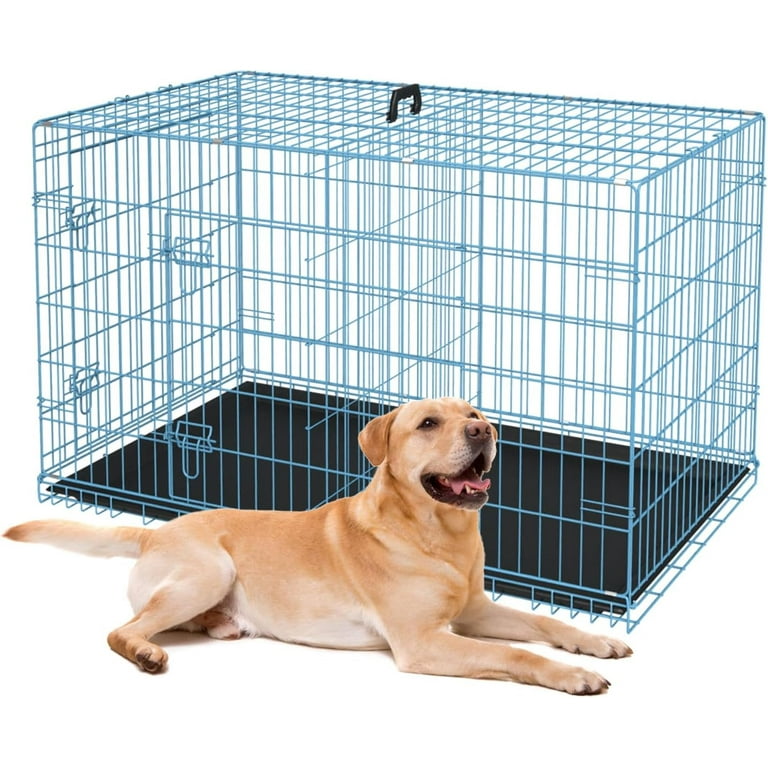
Large or strong pets need sturdy metal doors. Thick steel or heavy-gauge wire works well. Small pets can use lighter metals like aluminum. Weak metals might bend or break under pressure. Choose metal that holds your pet safely without damage.
Indoor Vs. Outdoor Use
Outdoor cages need rust-resistant metals. Stainless steel or galvanized steel resists weather well. Indoor cages can use lighter metals since weather is not a factor. Rust or corrosion can harm pets and weaken the cage. Pick metals that match the cage location.
Specific Pet Behavior
Some pets chew or scratch a lot. Strong metals like steel prevent damage from chewing. Escape artists need secure locks and tough metal bars. Calm pets may use simpler metal designs. Know your pet’s habits to choose the best door metal.
Credit: www.walmart.com
Frequently Asked Questions
What Metals Are Commonly Used For Pet Cage Doors?
Pet cage doors are typically made from stainless steel, aluminum, or wrought iron. These metals offer durability, rust resistance, and safety for pets. Stainless steel is most popular for its strength and corrosion resistance, while aluminum is lightweight and wrought iron provides a classic look.
Why Is Stainless Steel Preferred For Pet Cage Doors?
Stainless steel is preferred because it is strong, rust-resistant, and easy to clean. It ensures long-lasting durability and safety for pets. This metal also withstands chewing and scratching, making it ideal for cages used indoors or outdoors.
Are Aluminum Pet Cage Doors Durable And Safe?
Yes, aluminum cage doors are durable and safe. They are lightweight and resistant to rust, making them suitable for humid environments. However, aluminum is softer than steel, so it may bend under heavy pressure or strong pet activity.
Can Wrought Iron Be Used For Pet Cage Doors?
Wrought iron can be used for pet cage doors, offering strength and aesthetic appeal. It is durable but requires regular maintenance to prevent rust. Wrought iron cages are heavier and often used for decorative or outdoor pet enclosures.
Conclusion
Pet cage doors often use metals like steel or aluminum. These metals offer strength and resist rust well. Choosing the right metal keeps pets safe and secure. Easy cleaning is also important for pet health. Always check metal quality before buying a cage door.
Strong metals last longer and protect pets better. This small detail makes a big difference in pet care.