
Your smoke detector is one of the most important safety devices in your home. But do you know how to change it when it’s time?
If your smoke alarm starts beeping or stops working, you can’t afford to wait. Changing a smoke detector is easier than you think, and doing it right can protect your loved ones from danger. You’ll learn simple steps to replace your smoke detector quickly and safely.
Keep reading to make sure your home stays secure and your peace of mind stays strong.
Signs To Replace Your Smoke Detector
Smoke detectors save lives by alerting you to fire dangers early. Knowing when to replace them ensures your home stays safe. Some signs clearly show a smoke detector needs changing. Recognizing these signs helps avoid malfunctions and false alarms.
Age And Expiry
Smoke detectors do not last forever. Most have a lifespan of about 10 years. After this time, sensors become less sensitive. Check the manufacture date on the back of the unit. Replace the detector if it is older than 10 years.
Malfunction Indicators
Frequent false alarms can signal a failing detector. The detector may also stop beeping during a real emergency. A consistent chirping sound means the battery is low or the unit is faulty. Replace the smoke detector if it does not work properly.
Physical Damage
Cracks, dents, or water damage affect detector performance. Dust and dirt buildup can block sensors. If the detector looks damaged or dirty, clean it first. Replace it if damage is severe or cleaning does not help.
Credit: www.homedepot.com
Tools And Materials Needed
Changing a smoke detector requires some basic tools and the right materials. Having everything ready makes the process smooth and safe. Knowing what type of smoke detector to buy is the first step. Then, gather the tools to remove the old one and install the new one quickly.
Replacement Smoke Detector Types
Choose the right smoke detector for your home. There are two main types: ionization and photoelectric. Ionization detectors react faster to flaming fires. Photoelectric detectors sense smoldering fires better. Some models combine both types for full protection. Also, check if you need a battery-operated or hardwired detector. Battery types are easier to install but need regular battery changes. Hardwired detectors connect to your home’s electrical system and may have battery backup.
Basic Tools Required
Prepare a few simple tools for the job. A screwdriver is the most important tool, usually a flathead or Phillips. You might also need a ladder to reach the ceiling safely. Keep a new battery on hand if your detector uses one. A voltage tester helps check power for hardwired models. Have a small flashlight ready to see clearly in dark corners. Lastly, a step stool can help if your ceiling is not very high. These tools ensure a safe and easy smoke detector change.
Preparing For The Change
Preparing to change a smoke detector is an important step. It helps ensure the process is safe and smooth. Taking a few moments to get ready can save time and prevent accidents.
Before starting, gather the tools and materials needed. This might include a new detector, a ladder, and a screwdriver. Clear the area around the detector to work comfortably.
Safety Precautions
Always prioritize safety before handling a smoke detector. Use a sturdy ladder to reach the detector without risk. Avoid standing on unstable furniture or objects.
Wear gloves to protect your hands from dust and sharp edges. Keep children and pets away from the work area. Check for any signs of damage around the detector.
Power Off The Detector
Cutting off power is vital before removing the smoke detector. Locate the circuit breaker that controls the detector’s power. Switch it off to stop electricity flow.
For battery-powered detectors, remove the battery first. This stops the alarm from sounding during the change. Test to ensure the detector is off before proceeding.
Removing The Old Smoke Detector
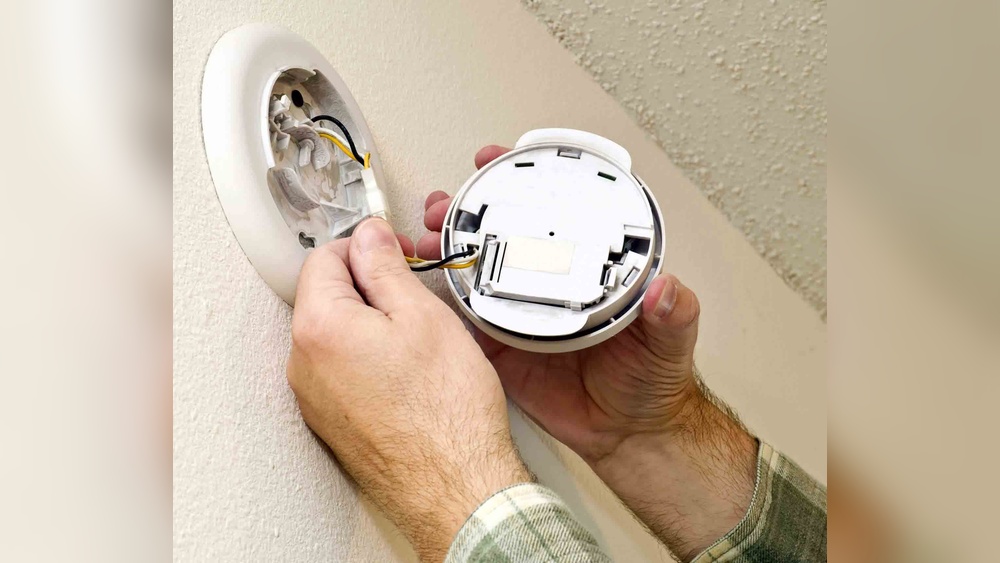
Removing the old smoke detector is the first step in installing a new one. This process requires care to avoid damage or injury. Follow simple steps to safely detach the device and disconnect the wiring.
Detaching From The Mount
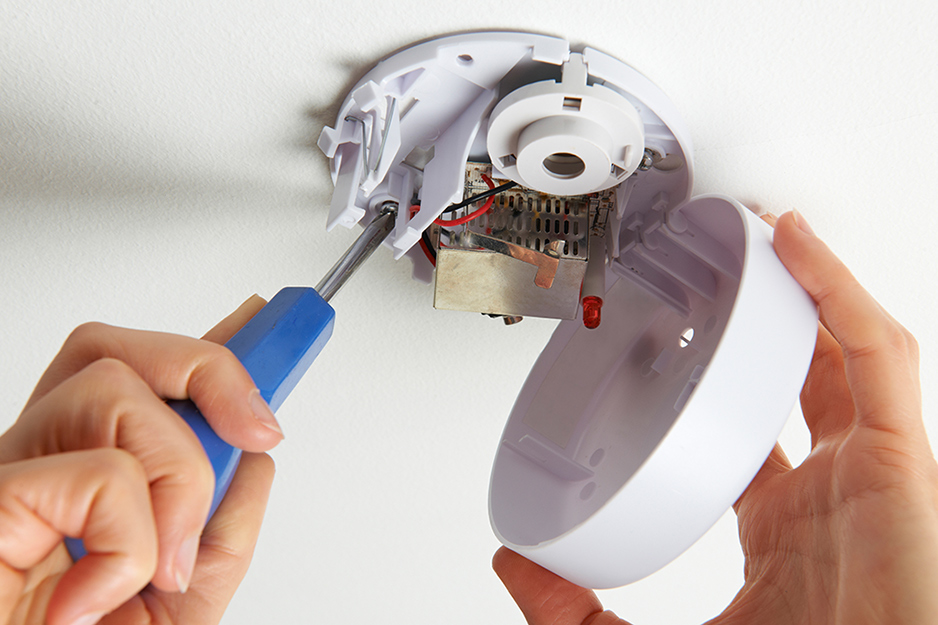
Most smoke detectors twist or slide off the mounting bracket. Hold the base firmly and turn the detector counterclockwise. Some models have a small tab to press before twisting. Gently pull the detector away from the ceiling or wall once it is loose. Avoid forcing it, as this may break the mounting bracket.
Disconnecting The Wiring
Smoke detectors connected to home wiring have a plug or terminal block. Carefully unplug the connector or unscrew the wires. Take note of wire colors for correct reconnection. Do not pull on the wires directly. Handle the wires gently to prevent damage or shorts. If unsure, turn off power at the circuit breaker before disconnecting.
Installing The New Detector
Installing the new smoke detector is a simple step that ensures your safety. Follow clear steps to connect and secure the device properly. This part is important for the detector to work well and alert you in case of fire.
Connecting The Wiring
Start by matching the wires from your ceiling to the new detector. Usually, the wires are color-coded for easy connection. Attach the black wire to the black terminal and the white wire to the white terminal. Use wire nuts to twist wires together tightly. Make sure no bare wire is showing. Double-check all connections before moving on.
Securing To The Mount
Next, align the new detector with the mounting bracket on the ceiling. Twist the detector clockwise until it locks into place. It should fit snugly without wobbling. Press gently to confirm it is secure. Proper mounting prevents the detector from falling or getting loose over time.
Testing The New Smoke Detector
After installing a new smoke detector, testing it is critical. Testing ensures the device works correctly and keeps you safe. This process is simple but must be done carefully. Follow these steps to confirm your new smoke detector is ready to protect your home.
Functionality Check
First, check if the smoke detector powers on. Look for a small light blinking or steady. This light shows the device is active and functioning. If the light does not appear, check the battery or power source. Ensure the detector is mounted properly on the ceiling or wall. A loose detector might not work well.
Battery And Alarm Test
Press the test button on the smoke detector. Hold it for a few seconds until you hear a loud beep. This sound means the alarm works correctly. If no sound occurs, replace the battery and try again. Testing the alarm confirms the detector will alert you during smoke or fire.
Maintenance Tips For Longevity
Keeping a smoke detector in good shape is key to safety. Maintenance helps it work well for many years. Simple steps keep your home protected from fire risks. Let’s explore easy tips to keep your smoke detector lasting longer.
Regular Testing Schedule
Test your smoke detector once every month. Press the test button until the alarm sounds. This ensures the alarm works correctly. Do not ignore any weak or no sound. Replace or fix the unit if it fails the test.
Cleaning And Battery Replacement
Dust and dirt can block the sensor. Clean your smoke detector gently with a soft brush. Avoid water or harsh chemicals. Change the batteries at least once a year. Use fresh batteries to avoid false alarms or failure. Replace the entire smoke detector every 10 years for best safety.

Credit: www.youtube.com
Credit: support.firstalert.com
Frequently Asked Questions
How Often Should I Change A Smoke Detector?
You should replace smoke detectors every 10 years. Regularly test monthly and change batteries yearly. This ensures reliable fire detection and home safety.
What Tools Are Needed To Change A Smoke Detector?
You typically need a ladder, screwdriver, and new smoke detector or batteries. Always turn off power before replacement to avoid shocks.
How Do I Safely Remove An Old Smoke Detector?
Turn off power at the circuit breaker. Twist or unscrew the detector from its base. Disconnect wires carefully before removing it completely.
Can I Replace A Smoke Detector Battery Without Removing It?
Yes, many models have battery compartments accessible without detaching. Open the cover, remove old battery, and insert a new one correctly.
Conclusion
Changing a smoke detector is simple and important. Test the old one first to check if it really needs replacing. Turn off the power before you start. Remove the old detector carefully. Attach the new one firmly to the ceiling or wall.
Connect the wires or insert batteries, depending on the type. Test the new detector to ensure it works well. Regularly check and replace smoke detectors to keep your home safe. Small steps like this protect your family from fire hazards.
Safety always comes first.