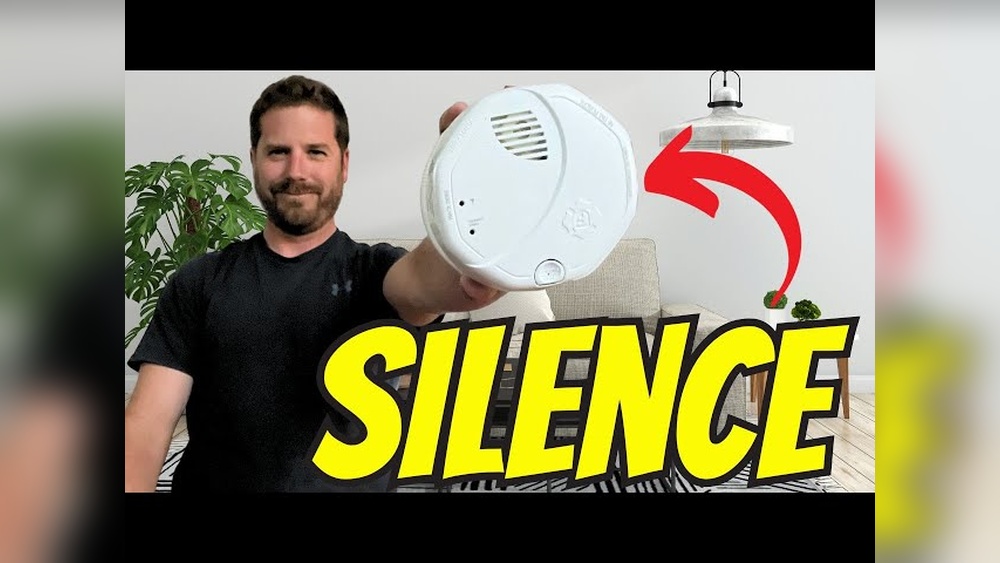

Is that constant chirping from your smoke detector driving you crazy? You’re not alone.
That high-pitched beep can disrupt your focus, disturb your sleep, and add unnecessary stress to your day. But don’t worry—silencing your smoke detector is easier than you think. You’ll discover simple, effective steps to stop the noise quickly and keep your home safe.
Keep reading, and take control of the situation now.

Credit: waynealarm.com
Common Causes Of Chirping
Smoke detectors chirp to warn you about problems. The chirping sound is not random. It signals issues that need attention. Knowing common causes helps fix the problem fast. It keeps your home safe and quiet.
Low Battery Issues
Low batteries are the top cause of chirping. Smoke detectors beep when power runs low. The chirp is a reminder to change the battery. Using fresh batteries stops the noise quickly. Keep spare batteries at home for easy replacement.
Dust And Debris
Dust and dirt can build up inside the detector. This blocks sensors and causes false alarms. Chirping can start if the detector senses dirt. Cleaning the unit gently with a soft brush helps. Regular cleaning prevents dust-related chirping.
End Of Life Warning
Smoke detectors do not last forever. Most last about 8 to 10 years. After this, chirping may signal the device is old. It warns you to replace the whole unit. Check the manufacture date on the back to know age.
Wiring And Connection Problems
Wired smoke detectors need proper electrical connections. Loose or damaged wires cause intermittent chirping. Power surges or faulty wiring may trigger alerts. A professional should check wiring issues. Fixing connections stops the annoying chirp sound.
Quick Steps To Stop The Chirp
Chirping smoke detectors can be annoying and may cause sleepless nights. The good news is you can fix this issue fast. Follow these quick steps to stop the chirp and keep your home safe. Each step is simple and can be done without special tools.
Replacing The Battery
Most chirps happen because the battery is low. Open the smoke detector cover carefully. Take out the old battery and replace it with a new one. Use the battery type recommended by the manufacturer. Close the cover and listen if the chirping stops. This step solves the problem in most cases.
Cleaning The Smoke Detector
Dust and dirt can cause false alarms or chirping sounds. Use a vacuum cleaner or a soft brush to clean the detector’s vents. Remove any cobwebs or debris around the device. Cleaning helps the smoke detector work correctly. Do this regularly to avoid future chirping.
Resetting The Alarm
Sometimes the detector needs a reset to stop chirping. Press and hold the test button for 15-20 seconds. The alarm will sound and then stop. Release the button and wait a moment. This action clears any errors and resets the device. Try this if replacing the battery does not stop the chirp.
When To Replace Your Smoke Detector
Knowing when to replace your smoke detector is important for home safety. A chirping smoke detector often signals more than just a low battery. It might be time for a new device. Replacing old units ensures your home stays protected from fire risks.
Signs Of Wear And Tear
Smoke detectors can show signs of age. Frequent chirping, even after changing batteries, is a red flag. Physical damage, like cracks or discoloration, means the detector may not work well. Dust buildup inside the unit can also reduce its sensitivity. Regularly check your smoke detector for these issues.
Manufacturer’s Lifespan
Most smoke detectors last about 8 to 10 years. The exact lifespan depends on the brand and model. Check the back of the device for the manufacturing date. If your detector is older than 10 years, replace it immediately. Older units may fail to detect smoke properly, risking your safety.
Upgrading To New Models
New smoke detectors offer better features. Some models connect to your phone for alerts. Others have improved sensors for quicker detection. Upgrading can also mean fewer false alarms and longer battery life. Consider replacing old units with newer models for better protection.
Preventive Maintenance Tips
Preventive maintenance helps stop smoke detectors from chirping unexpectedly. Simple care keeps the device working well and quiet. Follow these key steps to maintain your smoke detector and avoid constant beeping.
Regular Testing
Test your smoke detector monthly. Press the test button to hear the alarm sound. This check makes sure the detector works properly. Fix or replace any unit that fails the test. Regular testing helps catch problems early.
Scheduled Battery Changes
Change batteries at least once a year. Some detectors need new batteries more often. Old batteries cause the chirping sound. Keep spare batteries handy for quick replacement. Using fresh batteries stops false alarms and noise.
Proper Installation Locations
Install detectors in the right places. Avoid areas with high humidity or dust. Near kitchens or bathrooms, steam can trigger false chirps. Place detectors on ceilings or high walls for best results. Proper location lowers the chance of false alarms.
Troubleshooting Persistent Chirps
Persistent chirping from a smoke detector can be frustrating and distracting. It signals a problem that needs quick attention for safety. Troubleshooting these noises helps keep your home safe and quiet. Start by checking common issues before moving to complex fixes.
Inspecting Wiring
Loose or damaged wiring can cause your smoke detector to chirp. Turn off power to the unit before inspecting. Look for frayed wires or loose connections inside the detector. Tighten any loose wires carefully. If wires appear damaged, replace them or call an electrician. Proper wiring ensures stable power and stops false alarms.
Checking For Environmental Triggers
Environmental factors often cause chirping. Dust or insects inside the detector can trigger false alerts. Clean the smoke detector using a vacuum or soft brush. High humidity or temperature changes might also cause chirps. Keep the detector away from kitchens and bathrooms. Proper placement helps reduce false chirps and keeps your detector working well.
Consulting Professional Help
Persistent chirps may indicate a serious issue. If basic fixes don’t work, contact a professional. Electricians and fire safety experts can diagnose complex problems safely. Professionals have the tools and knowledge for thorough inspection. Don’t delay getting expert help to ensure your smoke detector is reliable and safe.

Credit: www.youtube.com

Credit: waynealarm.com
Frequently Asked Questions
Why Is My Smoke Detector Chirping Constantly?
A smoke detector chirps when its battery is low or there’s a wiring issue. Regularly check and replace batteries to stop chirping. If chirping persists, inspect the unit or replace it to ensure safety.
How Do I Stop A Smoke Detector From Chirping?
To stop chirping, replace the smoke detector’s battery with a fresh one. Clean dust or debris around the sensor. If problems continue, reset or replace the device to maintain proper function.
Can A Dirty Smoke Detector Cause Chirping Noises?
Yes, dirt and dust can trigger false chirps. Clean the smoke detector gently with a vacuum or soft brush. Regular cleaning prevents false alarms and extends the device’s lifespan.
How Often Should I Replace Smoke Detector Batteries?
Replace smoke detector batteries at least once a year. Some recommend changing batteries during daylight saving time changes. Regular replacement ensures the detector functions correctly without unexpected chirping.
Conclusion
A chirping smoke detector can be very annoying. Changing the battery usually stops the noise. Cleaning the detector helps if dust causes the chirp. Test the alarm after any fix to stay safe. Never ignore a chirping smoke alarm. It protects you and your family from danger.
Simple steps keep your home quiet and secure. Stay alert and maintain your smoke detectors regularly. Peace of mind is worth the small effort.