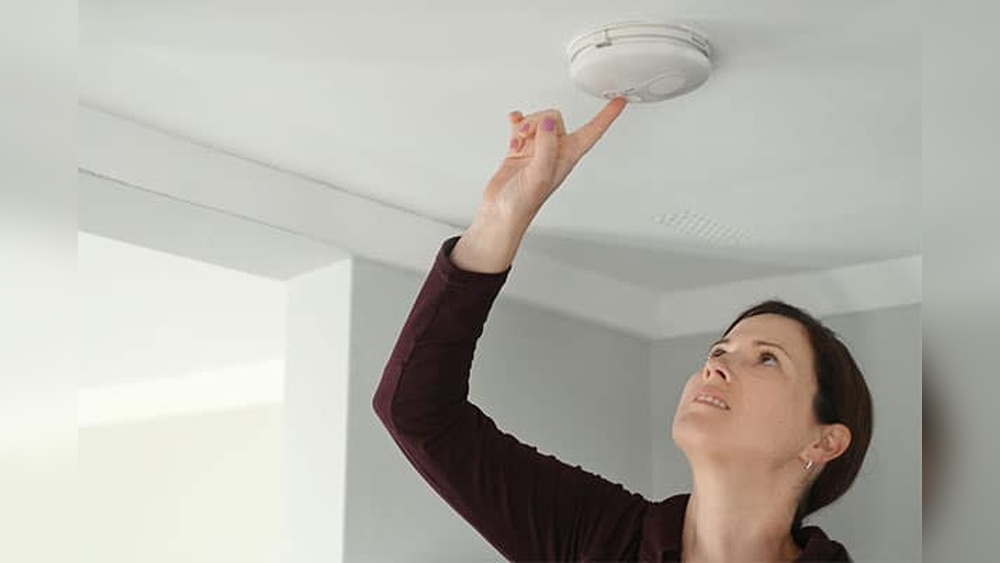

Your safety depends on it—so how do you know if your smoke detector is really working? Testing your smoke detector is a simple step that could save your life and protect your home.
But many people don’t know the right way to do it or when to check it. You’ll discover easy, quick methods to test your smoke detector properly. By the end, you’ll feel confident that your device will alert you when it matters most.
Keep reading to make sure your smoke detector is ready to keep you safe.
Credit: www.worldinsurance.com
Importance Of Testing Smoke Detectors
Testing smoke detectors is crucial for home safety. These devices warn you of fire early. Without regular checks, they might fail at critical moments. A working smoke detector can save lives and reduce property damage.
Smoke detectors can develop faults over time. Batteries can run out or get loose. Dust and dirt can block sensors. Testing ensures the alarm sounds and the device works properly.
Ensures Early Fire Detection
Smoke detectors alert you before fire spreads. Early warnings give more time to escape. Testing confirms the alarm will trigger on time. It helps keep families safe from harm.
Prevents False Alarms
Regular tests help avoid false alarms. False alarms cause stress and disrupt daily life. Checking detectors keeps them working correctly. It reduces unnecessary panic and disturbances.
Extends Device Lifespan
Testing reveals problems early. Fixing small issues prevents bigger damage. Well-maintained detectors last longer and work better. This saves money by avoiding early replacements.
Complies With Safety Regulations
Many areas require smoke detector tests by law. Regular checks keep your home within legal rules. Compliance ensures safety and avoids penalties. It shows responsibility and care for loved ones.
Types Of Smoke Detectors
Smoke detectors are essential safety devices for every home. They warn you early about fire, giving time to escape. Different types of smoke detectors work in different ways. Knowing these types helps you choose the right one. It also helps you understand how to test them properly.
Ionization Smoke Detectors
Ionization smoke detectors use a small amount of radioactive material. This material helps detect smoke particles in the air. They respond quickly to fast, flaming fires. These detectors are common in many homes. Testing them involves pressing the test button to check the alarm sound.
Photoelectric Smoke Detectors
Photoelectric smoke detectors use a light beam inside the device. Smoke interrupts this light and triggers the alarm. These detectors work well with slow, smoldering fires. They are less likely to cause false alarms from cooking smoke. Testing requires pressing the test button or using smoke spray made for detectors.
Combination Smoke Detectors
Combination smoke detectors include both ionization and photoelectric sensors. They provide the best protection against all types of fires. These detectors are more sensitive and reliable. Testing them is similar to single-type detectors, using the test button or testing spray. Regular testing ensures they work when needed.
Tools Needed For Testing
Testing a smoke detector is important for safety. Using the right tools makes the process easier and more effective. These tools help check if your smoke detector works well and can alert you in case of fire.
Some tools are simple and easy to find. Others may require a bit more care to use. Knowing which tools to have ready helps you test your smoke detector safely and correctly.
Smoke Detector Test Button
Most smoke detectors have a built-in test button. Pressing this button checks the alarm sound. It is the easiest and quickest tool to use for testing.
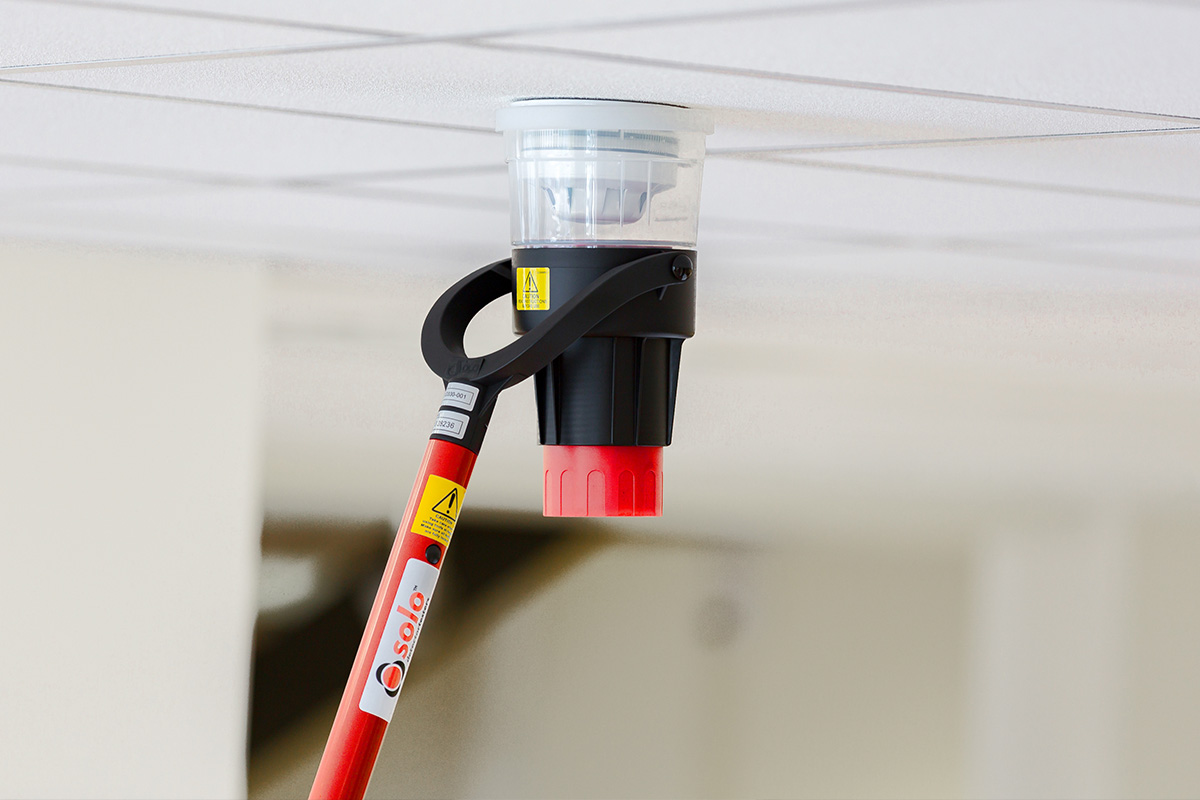
Smoke Detector Test Spray
This spray simulates smoke without creating fire. It helps check if the sensor detects smoke properly. Spray a small amount near the detector for best results.
Ladder Or Step Stool
Many smoke detectors are mounted on ceilings. Use a ladder or step stool to reach them safely. Make sure it is stable before climbing.
Battery Tester
Smoke detectors need good batteries to work. A battery tester checks if the batteries have enough power. Replace weak batteries to keep your detector active.
Soft Cloth Or Brush
Dust and dirt can stop the smoke detector from working. Use a soft cloth or brush to clean the device gently. This helps maintain its sensitivity and accuracy.
Credit: detectortesters.com
Step-by-step Testing Process
Testing your smoke detector regularly keeps your home safe. Follow these clear steps to check if it works well. Each step is simple and quick.
Visual Inspection
Look at the smoke detector closely. Check for dust, dirt, or damage on the device. Make sure it is firmly attached to the ceiling or wall. Clean the outside gently with a soft cloth if needed.
Battery Check
Open the battery compartment carefully. Take out the battery and test it with a battery tester or replace it. Use fresh batteries for better safety. Close the compartment tightly after replacing the battery.
Using The Test Button
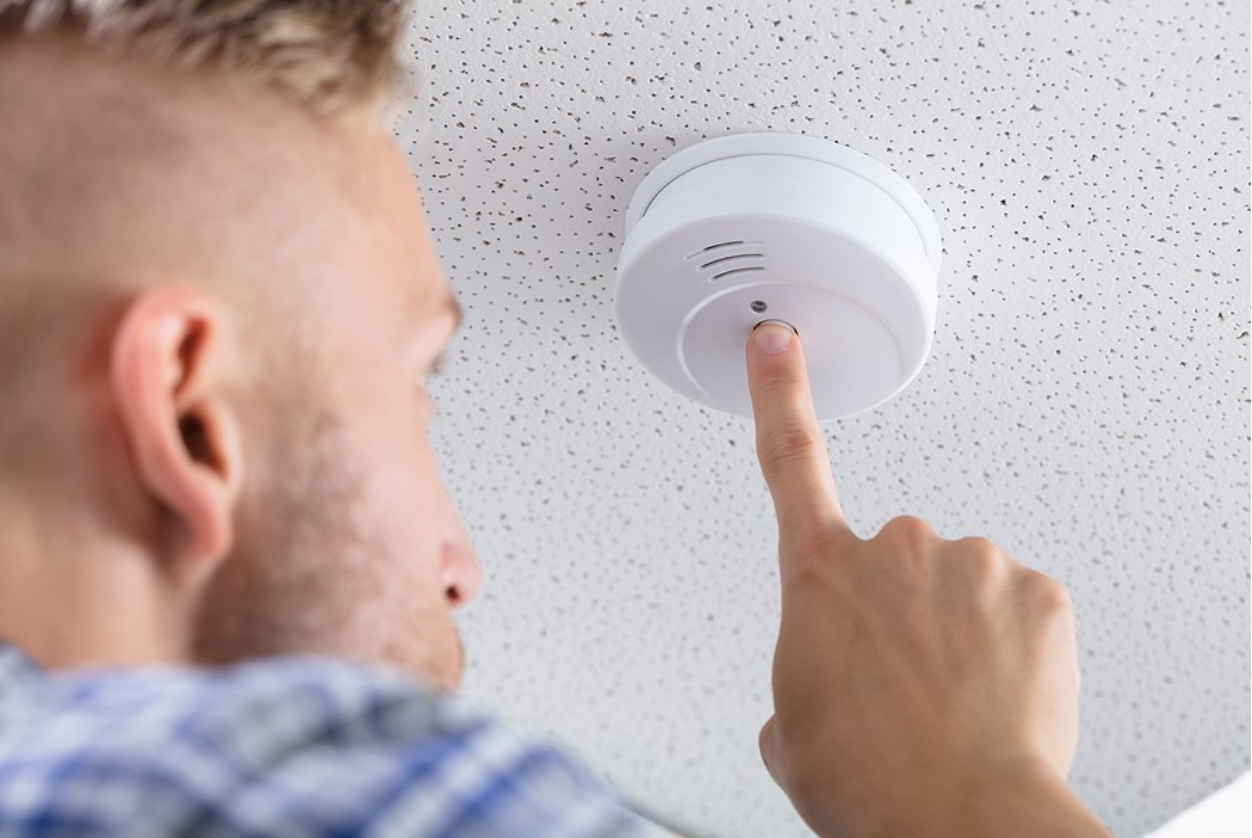
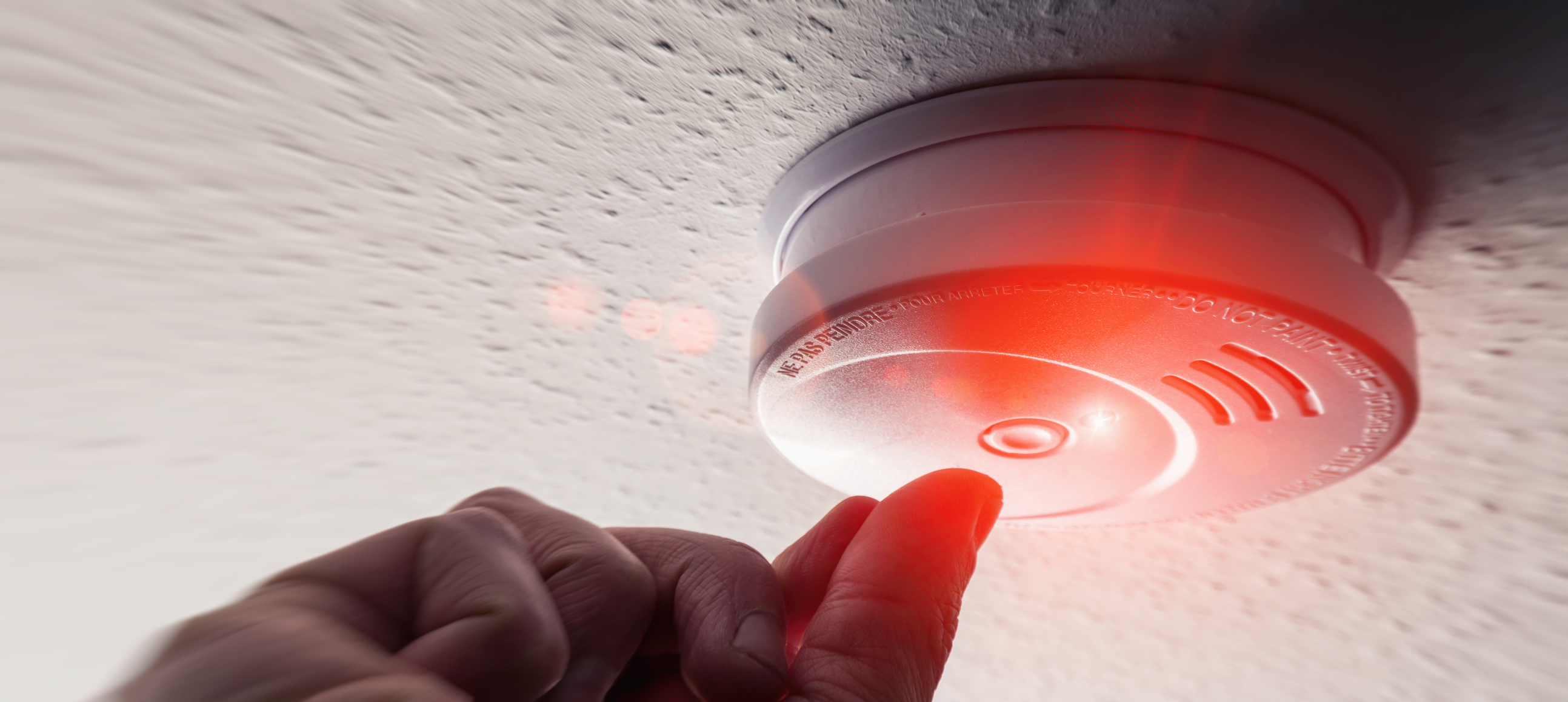
Press the test button on the smoke detector. Hold it for a few seconds. Listen for a loud beep or alarm sound. This sound means the detector is working correctly. If no sound, check the battery or device again.
Using Smoke Simulation
Light a match or incense stick and blow it out near the detector. The smoke should trigger the alarm. Keep your face and hands safe from the smoke. This test shows the detector senses real smoke well.
Testing Interconnected Units
Press the test button on one smoke detector if you have many. All connected detectors should sound the alarm together. This confirms the system works as a whole. Fix any unit that does not respond with the others.
When To Test Smoke Detectors
Knowing when to test smoke detectors is key to keeping your home safe. Smoke detectors can fail without warning. Regular checks help find problems early.
Test smoke detectors at set times. This ensures they work properly when needed. Testing too rarely can cause risks. Testing too often might wear out the device.
Monthly Testing
Test your smoke detectors every month. Press the test button until the alarm sounds. This quick check confirms the battery and alarm work well.
After Battery Replacement
Test smoke detectors right after changing the batteries. A fresh battery does not always mean the alarm works. Testing makes sure the device is ready to alert.
After Power Outages
Check smoke detectors after a power outage. Some models need resetting or new batteries after losing power. Testing restores full function and safety.
During Seasonal Home Checks
Include smoke detector testing in seasonal home routines. For example, test during spring cleaning or fall preparations. This helps catch issues early in regular home care.
Common Issues And Troubleshooting
Smoke detectors are vital for home safety. They warn us about fires early. Sometimes, these devices face issues. Knowing common problems helps keep them working well. Troubleshooting can fix small faults quickly. It also ensures your smoke detector stays reliable.
False Alarms
False alarms happen when the detector sounds without smoke. Dust or insects inside the unit often cause this. Clean the detector by gently vacuuming or wiping it. Avoid using water or sprays. Cooking smoke or steam can also trigger false alarms. Move the detector away from kitchens or bathrooms if needed.
No Alarm Sound
Sometimes, the detector does not sound during tests. This issue may mean the battery is dead or loose. Press the test button firmly to check the alarm. If silent, replace the batteries with fresh ones. Make sure the battery contacts are clean and tight. Faulty detectors need to be replaced to stay safe.
Battery Problems
Batteries are the most common cause of detector failure. Low batteries cause beeping or no alarm sound. Change batteries at least once a year. Use the correct type recommended by the manufacturer. Keep spare batteries on hand for emergencies. Regular battery checks keep your smoke detector ready.
Maintaining Smoke Detector Safety
Maintaining smoke detector safety is essential to protect your home and family. A well-kept smoke detector works correctly during emergencies. Regular care ensures it responds quickly to smoke and fire. Neglecting maintenance can cause false alarms or failure to alert.
Regular Cleaning
Dust and dirt can block smoke sensors. Clean the detector every month to keep it clear. Use a vacuum cleaner or soft brush. Avoid water or cleaning sprays on the unit. A clean smoke detector stays sensitive to smoke.
Battery Replacement Tips
Replace batteries at least once a year. Use fresh, high-quality batteries for best results. Test the smoke detector after changing batteries. Some models have a low battery warning sound. Never wait for the warning to replace batteries.
Upgrading Old Units
Smoke detectors older than 10 years may not work well. Buy new models with improved technology. New units detect smoke faster and reduce false alarms. Replace old detectors to keep your home safe. Follow manufacturer instructions for installation and testing.
Credit: porch.com
Frequently Asked Questions
How Often Should You Test A Smoke Detector?
Test your smoke detector at least once a month to ensure it works properly. Regular checks help detect early signs of malfunction.
What Is The Best Way To Test A Smoke Detector?
Press and hold the test button until the alarm sounds. This confirms the battery and sound system function correctly.
Can I Use Smoke To Test A Smoke Detector?
Using smoke is not recommended. It can damage the detector or create a fire hazard. Use the test button instead.
What Do I Do If My Smoke Detector Doesn’t Sound?
Replace the battery first and retest. If it still doesn’t sound, consider replacing the smoke detector entirely.
Conclusion
Testing your smoke detector keeps your home safe and secure. Press the test button once a month to check its sound. Replace batteries every year or when the alarm sounds weak. Clean dust and debris from the device regularly for better function.
Stay alert and maintain your smoke detector to protect your loved ones. Safety starts with simple, regular checks you can do yourself. Don’t wait until it’s too late—test today and keep your home safe.


