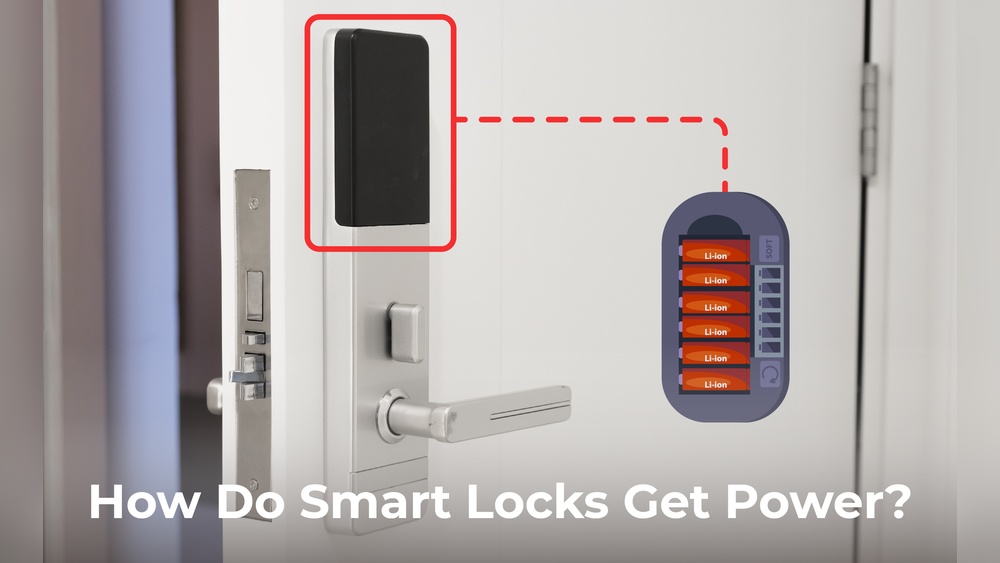

Have you ever wondered what keeps your smart door lock running smoothly every day? If you rely on one for your home’s security, knowing how it’s powered is more important than you might think.
Understanding the power source behind your smart lock can help you avoid unexpected lockouts and keep your home safe without hassle. You’ll discover the different ways smart door locks get their energy, how to maintain them, and what to watch out for to ensure your lock never fails when you need it most.
Keep reading to unlock the secrets behind smart door lock power!
Credit: www.ilockey.com
Types Of Power Sources
Smart door locks need power to work. Different types use different power sources. Understanding these helps you pick the right lock. Power source affects how long the lock works and how you maintain it.
Battery-powered Locks
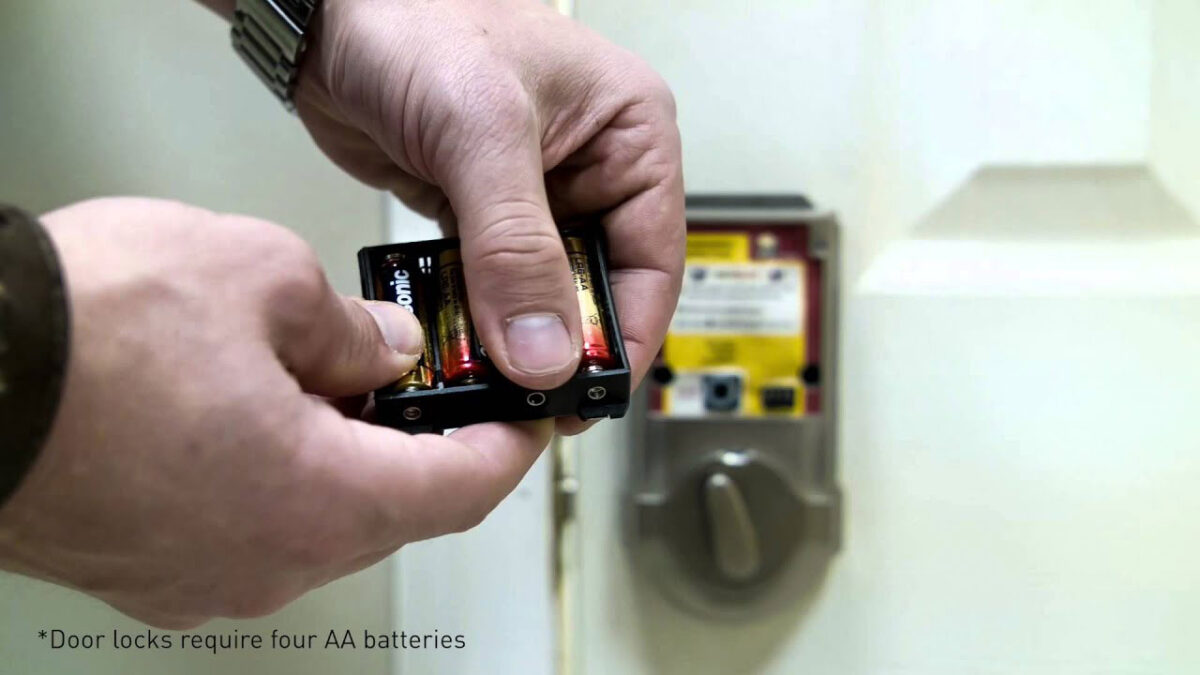
Battery-powered locks use common batteries like AA or lithium cells. They work without wires, so installation is easy. Batteries usually last months to years, depending on use. Many locks warn you when batteries run low. Changing batteries is simple and quick. These locks offer good portability and flexibility.
Wired Power Options
Wired smart locks connect directly to home electricity. They provide constant power without battery changes. Installation requires wiring, which may need a professional. These locks suit homes with smart wiring. They ensure uninterrupted operation, even during heavy use. Wired locks often come with backup power for outages.
Solar-powered Locks
Solar-powered locks use sunlight to charge internal batteries. They work well outdoors with enough sun exposure. Solar panels convert sunlight into electricity for the lock. These locks reduce the need for battery replacements. They depend on weather and daylight hours. Solar power is eco-friendly and low maintenance.
Hybrid Power Systems
Hybrid locks combine two or more power sources. For example, they use batteries and solar panels together. This setup increases reliability and extends battery life. Hybrids switch power sources automatically when needed. They suit places with varying power availability. Hybrid systems offer the best of both worlds.

Credit: www.eufy.com
Battery Technologies
Smart door locks rely on battery power to operate smoothly. The choice of battery affects how long the lock lasts and how well it performs. Different battery types serve different needs, from cost to lifespan. Understanding these battery technologies helps you pick the right smart lock for your home.
Alkaline Batteries
Alkaline batteries are common in many household devices. They are cheap and easy to replace. These batteries provide steady power but drain faster under heavy use. Most smart locks using alkaline batteries need a change every 6 to 12 months. They work well for users who prefer simple maintenance.
Lithium-ion Batteries
Lithium-ion batteries last longer than alkaline ones. They offer more power and can handle frequent use. These batteries weigh less and have a higher energy density. Many smart locks use lithium-ion for better performance. Expect these batteries to last 1 to 2 years before recharging or replacement.
Rechargeable Battery Packs
Rechargeable battery packs are built into some smart locks. You can recharge them using USB or wireless charging pads. These packs reduce waste and save money over time. They support long-term use without frequent battery changes. Smart locks with rechargeable packs often include battery level alerts for convenience.
Power Consumption Factors
Smart door locks need power to work correctly. Their power use changes based on different factors. Understanding these helps you know how long batteries last and when to recharge or replace them.
Lock Usage Frequency
How often you use the lock affects power use. Frequent locking and unlocking use more battery. Each time the lock moves or sends a signal, it uses energy. Less use means longer battery life.
Standby Power Drain
The lock uses some power even when not in use. This is called standby power drain. It keeps the lock ready to respond to commands. Lower standby drain means the battery lasts longer.
Impact Of Connectivity Features
Smart locks with Wi-Fi, Bluetooth, or Zigbee use more power. These features need constant connection and data exchange. Locks with more connectivity options drain batteries faster. Choosing a lock with the right features can save power.

Credit: www.btelec.com
Battery Life And Maintenance
Smart door locks rely on batteries to function smoothly. Understanding battery life and maintenance helps keep your lock reliable. Proper care prevents sudden lockouts and extends device life.
Typical Battery Lifespan
Most smart locks use AA or rechargeable lithium batteries. Battery life usually lasts between six months to one year. Usage frequency and temperature affect how long batteries last. Heavy use drains batteries faster than occasional use. Cold weather can reduce battery performance significantly.
Signs Of Low Battery
Smart locks often warn with beeps or flashing lights when batteries run low. Delays in response or weak signal strength can indicate low power. Some models send alerts to your phone about battery status. Check these signs regularly to avoid lock failure. Acting early keeps your lock working without interruption.
Replacing And Recharging Batteries
Replace batteries as soon as you notice low battery signs. Use the same type recommended by the manufacturer for best results. Rechargeable batteries require a charger that fits your lock’s design. Follow instructions carefully to avoid damage. Test the lock after replacing or recharging to ensure proper function.
Backup Power Solutions
Smart door locks rely on batteries to function. A sudden power loss can lock you out. Backup power solutions keep your lock working in emergencies. These options help maintain access and security.
Mechanical Key Overrides
Many smart locks include a mechanical key slot. This allows manual unlocking if the battery dies. It is a simple and reliable backup. No need to worry about electronics failing.
External Battery Packs
Some locks support external battery packs. You connect a power bank to recharge the lock. This method gives extra power on demand. It is useful if you forget to change batteries.
Emergency Charging Methods
Emergency charging lets you power the lock briefly. Some locks have contacts for a 9V battery. Pressing the battery to these points charges the lock. This quick boost unlocks the door safely.
Future Power Innovations
Smart door locks need power to work well. The future brings new ways to keep these locks charged. These ideas aim to make locks last longer and reduce the need to change batteries often.
Energy Harvesting Technologies
Energy harvesting collects small amounts of power from the environment. Locks can use sunlight, motion, or heat to create energy. This method helps reduce dependence on batteries. It keeps the lock working without frequent battery changes. Solar panels and tiny generators are common tools for this.
Advanced Battery Materials
Batteries are getting better with new materials. These materials store more power and last longer. They also recharge faster and work in cold weather. This means smart locks can stay powered for months. Safer batteries reduce risks of leaks or damage. Better batteries help locks run smoothly and reliably.
Smart Power Management Systems
Smart power systems use less energy by managing use carefully. They turn off parts of the lock when not needed. Sensors detect when to save power or use more. This extends battery life and improves lock performance. The system ensures the lock is ready when you need it.
Frequently Asked Questions
How Do Smart Door Locks Get Their Power?
Smart door locks are usually powered by batteries, typically AA or lithium-ion. Some models use rechargeable batteries, while others require regular replacements. Battery life varies but generally lasts from six months to a year, depending on usage and lock features.
Can Smart Locks Work During A Power Outage?
Yes, most smart locks work during power outages since they use battery power. They remain functional without external electricity. However, if the battery runs out, some locks offer backup options like physical keys or external battery packs.
Are Smart Lock Batteries Easy To Replace?
Yes, smart lock batteries are designed for easy replacement. Most models have accessible battery compartments that users can open without tools. Manufacturers provide clear instructions, making battery changes quick and hassle-free to maintain lock functionality.
Do Smart Door Locks Use Wired Power Options?
Some advanced smart locks can be wired to home electrical systems, but most rely on batteries for flexibility. Wired options reduce battery concerns but limit installation locations. Battery-powered locks offer easier installation and portability.
Conclusion
Smart door locks run mainly on batteries or electricity. Battery-powered locks need regular checks to avoid power loss. Some models use rechargeable batteries for convenience. Electric locks connect directly to home power for constant energy. Backup power options help keep locks working during outages.
Choosing the right power source depends on your needs. Understanding these options helps you keep your home secure. Smart locks bring safety and ease with simple power solutions.