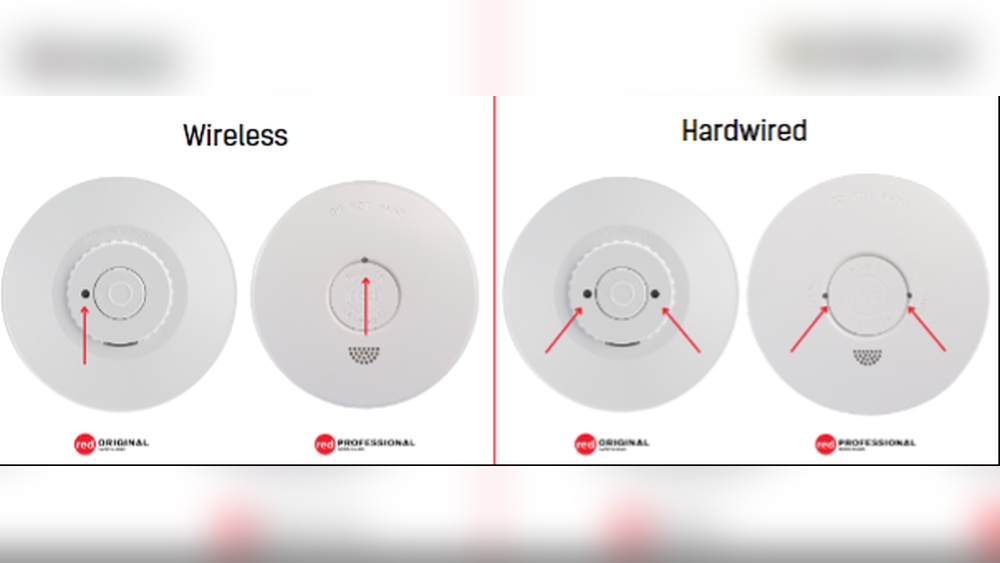

Have you ever wondered if your smoke detector is hardwired or just battery-operated? Knowing this can be crucial for your home safety and maintenance.
If you’re unsure, don’t worry—this article will guide you step-by-step to help you quickly find out. By the end, you’ll feel confident about your smoke detector’s setup and what it means for your family’s protection. Keep reading to learn the simple signs that reveal whether your smoke detector is hardwired or not.
Signs Of A Hardwired Smoke Detector
Knowing if your smoke detector is hardwired helps with maintenance and safety checks. Hardwired smoke detectors connect directly to your home’s electrical system. They usually have distinct features that set them apart from battery-powered models. Spotting these signs is simple and quick.
Wiring Behind The Unit
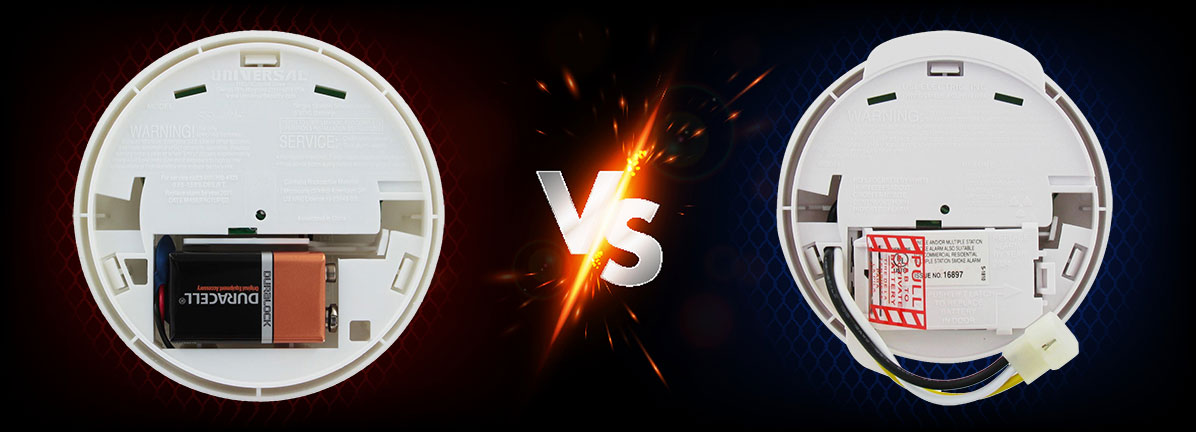
Check the smoke detector on your ceiling or wall. If you see wires entering the unit, it is likely hardwired. These wires connect the detector to your home’s power supply. Battery-only models do not have visible wiring behind them.
Absence Of Battery Compartments
Look for a battery compartment on the smoke detector. Hardwired units often lack a visible battery slot. They may have a small backup battery inside, but no easy-to-access compartment. Battery-only detectors always have a removable battery cover.
Connection To Electrical Panel
Hardwired smoke detectors link to the main electrical panel. This connection allows power to flow continuously. Sometimes, several detectors connect in a series to the panel. Battery models operate independently without this connection.

Credit: redsmokealarms.com.au
Visual Inspection Steps
Performing a visual inspection is the first step to identify if a smoke detector is hardwired. This process helps you understand how your smoke detector is powered. It involves carefully examining the unit without causing damage. Follow simple steps to check the wiring and labels. These details reveal important information about the detector’s connection type.
Removing The Detector Safely
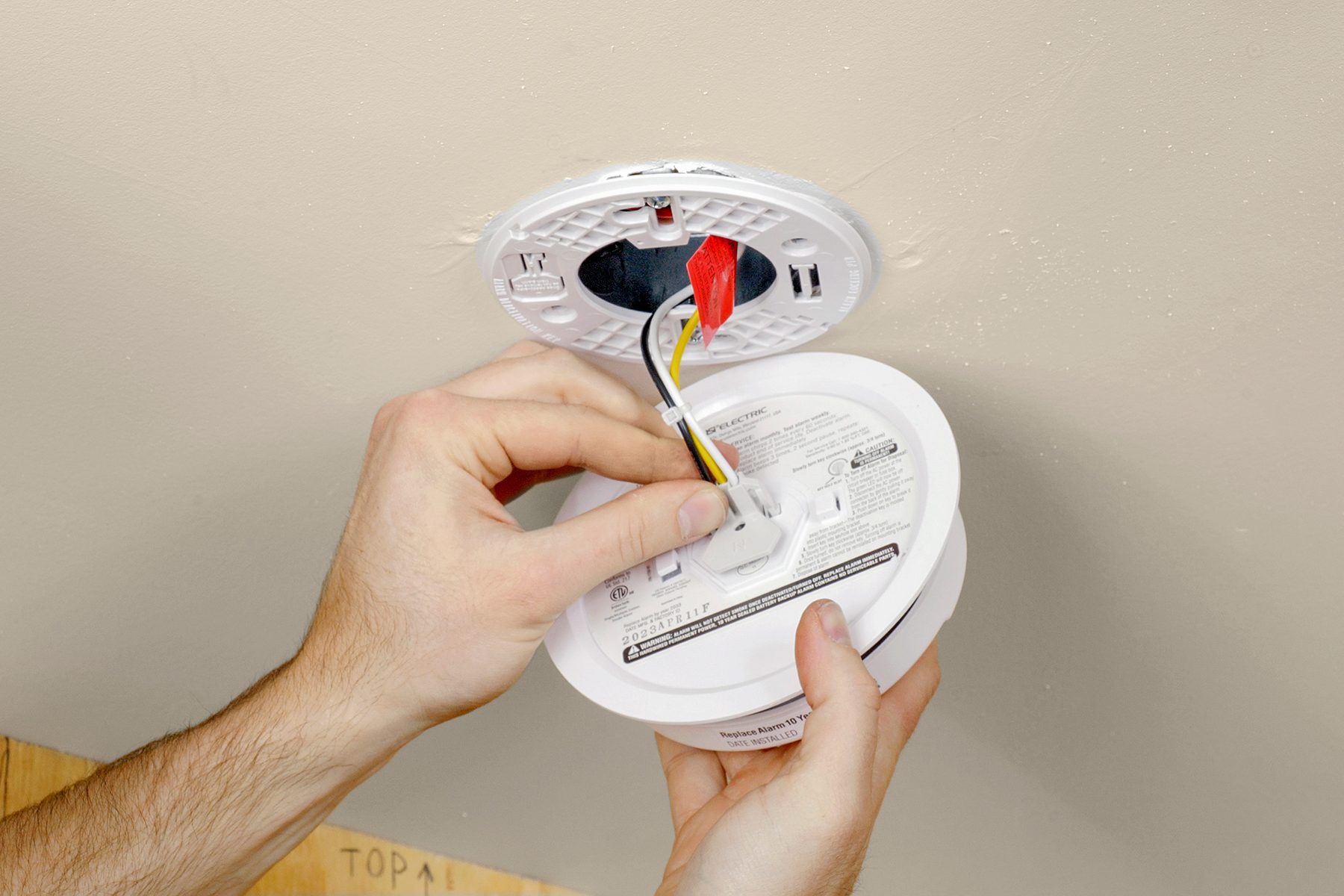
Turn off the power at the circuit breaker before you start. Gently twist or pull the smoke detector from its base. Handle the device carefully to avoid breaking it. Keep the detector close by for the next inspection steps. Avoid touching the wiring until you confirm the power is off.
Checking For Hardwire Connectors
Look behind the smoke detector for a bundle of wires. Hardwired detectors usually have white, black, and sometimes red wires. These wires connect the detector to your home’s electrical system. Battery-only models do not have these wire connections. Note any wires attached to the back of the unit.
Looking For Labels And Model Numbers
Check the back or side of the smoke detector for a label. It often lists the model number and power source type. The label may say “hardwired” or mention AC power. Use the model number to research online for more details. This helps confirm if the device is part of a hardwired system.
Testing The Smoke Detector
Testing a smoke detector helps confirm if it is hardwired. This ensures the device gets power from your home’s electrical system. Simple tests can reveal how your smoke detector is powered. These checks help you maintain safety and avoid false alarms.
Power Interruption Method
Turn off the circuit breaker for the smoke detector’s area. Watch the smoke detector’s behavior. If it stops beeping or turns off, it is likely hardwired. Battery-only detectors will keep working despite power loss.
Using A Voltage Tester
Use a voltage tester to check the smoke detector’s wiring. Remove the detector’s cover carefully. Touch the tester probes to the wires inside. If the tester shows voltage, the detector is connected to home power.
Observing Response To Power Loss
Unplug the smoke detector’s power source if possible. Some hardwired models have a battery backup. See if the alarm sounds a low battery warning. This means it runs on both power types, confirming hardwiring.
Credit: www.universalsecuritystore.com
Differences Between Hardwired And Battery Smoke Detectors
Smoke detectors protect homes from fire dangers. Two main types exist: hardwired and battery-powered detectors. Knowing the differences helps choose the right one. Each type has unique features for installation, maintenance, and lifespan.
Installation Features
Hardwired smoke detectors connect directly to a home’s electrical system. They often link with other alarms, sounding all at once. Installation requires an electrician or careful wiring work. Battery smoke detectors are easy to install anywhere. Just place them on walls or ceilings and insert batteries.
Maintenance Requirements
Hardwired detectors need less frequent battery changes. They usually have a backup battery for power outages. Regular tests are still important to ensure they work. Battery detectors need battery replacement every six to twelve months. Frequent testing helps keep them in good condition.
Lifespan And Reliability
Hardwired smoke detectors tend to last longer and offer steady power. They are less likely to fail due to dead batteries. Battery detectors depend on battery life and may stop working if batteries die. Both types should be replaced every ten years to maintain safety.
Benefits Of Hardwired Smoke Detectors
Hardwired smoke detectors offer many benefits over battery-only models. They connect directly to your home’s electrical system. This connection ensures reliable operation and extra safety. Understanding these benefits helps in choosing the right smoke alarm for your home.
Continuous Power Supply
Hardwired smoke detectors get power from the home’s electricity. This means they run without interruption. No need to worry about dead batteries causing failure. A backup battery often supports the unit during power outages. This ensures the alarm stays active at all times.
Interconnectivity With Other Units
Hardwired alarms can link to each other in your home. When one alarm detects smoke, all alarms sound together. This feature alerts everyone, even in different rooms. It improves safety by giving early warning throughout the house.
Integration With Home Security
Many hardwired smoke detectors connect with home security systems. This allows automatic alerts to emergency services. It also enables remote monitoring through smartphones. This integration adds another layer of protection for your family.
Credit: www.familyhandyman.com
When To Call A Professional
Knowing when to call a professional for your hardwired smoke detector is important. Some tasks require special skills and tools. Safety is the top priority when dealing with electrical devices.
Handling Electrical Components
Working with electrical wiring can be dangerous. Mistakes can cause shocks or fires. A professional knows how to handle wires safely. They use the right tools and follow safety rules. Avoid touching wires or circuit boards yourself.
Upgrading Or Replacing Units
Replacing a hardwired smoke detector is not always simple. The new unit must fit the existing wiring. A professional can install the new detector correctly. They test the unit to ensure it works well. This saves time and prevents damage.
Ensuring Compliance With Safety Codes
Smoke detectors must meet local safety codes. A professional understands these codes fully. They ensure the installation follows all legal rules. This keeps your home safe and avoids fines. Proper installation also helps with insurance claims.
Frequently Asked Questions
How Can I Identify A Hardwired Smoke Detector?
Look for a power cable connected to the detector. Hardwired models use household electrical wiring, not just batteries. Check your circuit breaker panel for a dedicated smoke detector circuit. Also, hardwired detectors often have a battery backup inside.
Does A Hardwired Smoke Detector Need Batteries?
Yes, hardwired smoke detectors usually include a battery backup. This ensures the alarm works during power outages. The battery must be replaced regularly to maintain protection. Without batteries, the detector may fail if electricity is interrupted.
Can I Test If My Smoke Detector Is Hardwired?
Yes, turn off the circuit breaker for your smoke detector. If the alarm still works, it likely has a battery backup. If it stops working, it’s hardwired without backup or disconnected. You can also look behind the detector for wiring.
Are Hardwired Smoke Detectors Interconnected?
Most hardwired smoke detectors are interconnected. When one alarm sounds, all alarms in the system activate. This feature improves safety by alerting the entire home. Battery-only detectors usually lack this interconnection capability.
Conclusion
Knowing if your smoke detector is hardwired helps keep your home safe. Hardwired detectors connect directly to your home’s power, not just batteries. This means they work even if batteries die. Checking the wiring or the back of the detector shows if it is hardwired.
Regularly test your smoke detectors to ensure they function well. Stay alert and protect your loved ones by understanding your smoke detector type. Safety starts with simple steps and careful attention. Keep your home secure with the right smoke detector setup.