
Are you looking for ways to save energy in your home or office without sacrificing comfort or productivity? Whether you work remotely or spend most of your day in an office, making smart energy choices can reduce your bills and help the environment.
But which space benefits more from energy-saving efforts—your home or your office? Understanding how saving energy in these different environments impacts your lifestyle and costs can empower you to make better decisions. Keep reading to discover practical tips and surprising facts that will make energy-saving easier and more effective for your daily routine.

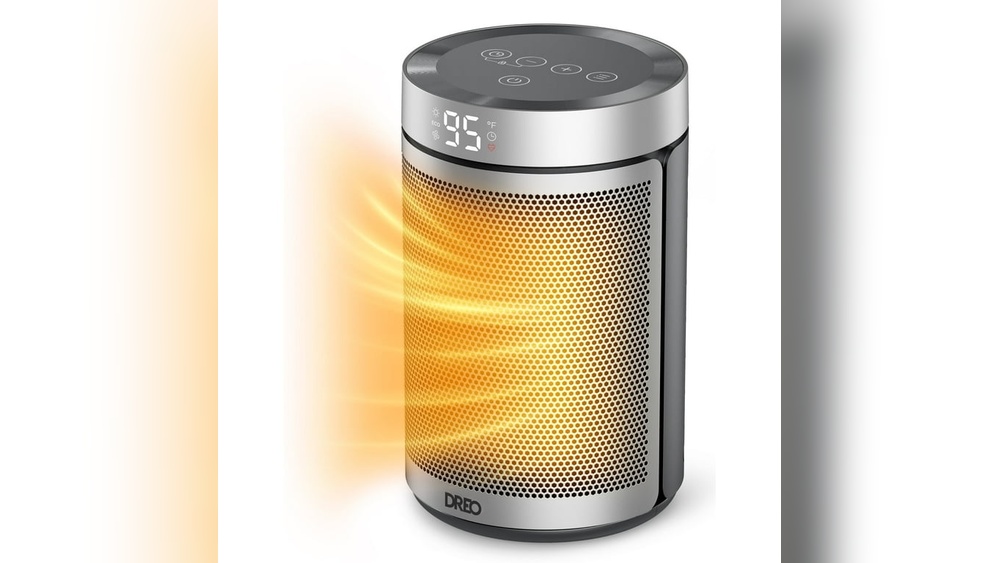
Credit: www.walmart.com
Energy Use At Home Vs Office
Energy use differs significantly between home and office settings. Each place demands different amounts and types of energy. Understanding these differences helps identify where savings can occur. It also shows how lifestyle choices impact overall energy consumption.
Commute Impact On Energy
Commuting adds energy use beyond the office or home itself. Cars, buses, and trains consume fuel and electricity. Traveling longer distances increases energy use and emissions. Working from home removes commute energy costs for many people. This change can lower total energy use if home energy use does not rise sharply. Some public transport users might see higher energy use at home. The impact varies by commute mode and distance.
Seasonal And Regional Differences
Energy needs at home and office change with seasons. Heating in winter and cooling in summer use large energy amounts. Regions with extreme weather see bigger energy swings. Offices often have centralized systems that use energy more efficiently. Homes may rely on less efficient equipment or individual systems. Local climate and building design influence energy demand. Seasonal changes create peaks and lows in energy use patterns.

Credit: www.amazon.com
Benefits Of Working From Home
Working from home brings many benefits that improve daily life and work quality. It allows better control over your time and environment. Many people feel more relaxed and productive in their own space. This setup also helps save money and reduce stress from commuting.
Choosing to work remotely can enhance your balance between work duties and personal life. It offers a chance to focus more on tasks without typical office interruptions. These advantages contribute to a healthier, happier work experience.
Flexibility And Work-life Balance
Working from home provides flexible hours to match your personal needs. You can start and end your workday when you feel most productive. This flexibility lets you handle family or personal tasks easily. It helps reduce stress by avoiding rigid office schedules. You gain more control over your daily routine and energy.
Cost And Time Savings
Remote work cuts costs on commuting, meals, and work clothes. You save money on gas, public transport, and parking fees. Time spent traveling to and from the office disappears. This extra time can go to rest, hobbies, or family. Working from home often leads to better financial and time management.
Reduced Distractions
The home environment can have fewer interruptions than a busy office. You can set up a quiet space for focused work. This reduces noise and unnecessary meetings that break concentration. Less distraction means higher productivity and better quality work. Many find it easier to complete tasks without constant office chatter.
Challenges Of Working From Home
Working from home offers many benefits, but it also brings challenges. These challenges affect productivity, mental health, and work-life balance. Understanding these issues helps create better work environments at home.
Blurring Work And Personal Life
Work and personal life often mix together at home. Without clear boundaries, work hours can stretch into personal time. This makes it hard to switch off and relax. Many people feel they are always “on the clock.”
It can lead to stress and burnout. Setting strict schedules and designating a workspace helps separate work from home life.
Potential Isolation
Working from home reduces face-to-face interaction. This isolation can cause loneliness and affect mood. Team collaboration and socializing happen less often.
Feeling disconnected may reduce motivation and creativity. Regular video calls and virtual social events can ease isolation.
Dependence On Technology
Remote work relies heavily on technology. A stable internet connection and good devices are crucial. Technical problems can disrupt work and cause delays.
Not everyone has equal access to reliable technology. This dependence can increase stress and reduce efficiency.

Credit: www.utimes.pitt.edu
Advantages Of Office Work
Office work offers clear benefits that help many employees stay focused and productive. It creates an environment designed for work tasks and teamwork. This setting supports better communication and easier access to tools and resources needed daily.
Structured Environment
The office provides a routine that separates work from home life. This structure helps employees manage time and tasks efficiently. Clear start and end times reduce distractions and improve focus during work hours.
Improved Collaboration
Working together in person speeds up decision-making and problem-solving. Team members share ideas freely and respond quickly. This interaction builds stronger relationships and enhances teamwork.
Access To Resources
Offices have equipment and technology not always available at home. Employees can use printers, scanners, and fast internet easily. Having these resources nearby supports smooth and efficient work.
Increased Visibility
Being present in the office raises an employee’s profile. Managers can see their efforts and progress directly. This visibility can lead to more recognition and career opportunities.
Drawbacks Of Office Work
Office work has been the traditional choice for many employees. Yet, it comes with notable drawbacks that affect daily life and productivity. Understanding these issues helps in deciding the best work environment.
Commute Stress And Costs
Commuting to the office takes time and energy. Traffic jams and crowded public transport cause stress. Expenses for fuel, tickets, or parking add up quickly. Long commutes reduce time for family and rest.
Workplace Distractions
Offices often have many interruptions. Noise from conversations and phones breaks concentration. Frequent meetings can disrupt focused work. These distractions lower productivity and increase frustration.
Less Flexibility
Office jobs usually require fixed hours. Employees must follow strict schedules and breaks. This limits personal freedom and work-life balance. Flexibility to handle personal tasks during the day is rare.
Choosing The Right Work Setting
Choosing the right work setting affects productivity, energy use, and comfort. Your work environment should fit your tasks and lifestyle. Some prefer the quiet of home, others the focus of an office. Understanding when to pick each option helps save energy and work well.
When To Choose Remote Work
Remote work suits tasks needing deep focus without distractions. It saves commuting time and energy. Home setups reduce office power use and travel emissions. Choose remote work for flexible hours and quiet spaces. It works well for writing, design, or planning jobs.
When To Choose Office Work
Office work fits jobs needing teamwork and fast communication. Offices have tools and resources not always available at home. Choosing office space can boost collaboration and quick decisions. It suits meetings, brainstorming, and client interactions. The structured setting helps separate work and personal life clearly.
Benefits Of A Hybrid Model
The hybrid model blends remote and office work for balance. It cuts energy use by reducing office days and commuting. Workers enjoy flexibility and social contact. Hybrid setups boost morale and save costs on office space. This model adapts to changing tasks and personal needs.
Smart Energy-saving Tips
Saving energy at home or in the office helps reduce bills and supports the environment. Smart energy-saving tips make this task simple and effective. Small changes can lower energy use without sacrificing comfort or productivity. Below are practical ways to use energy wisely in different spaces.
Optimizing Home Energy Use
Start by checking insulation to keep heat or cool air inside. Use energy-efficient light bulbs like LEDs to save electricity. Turn off lights and appliances when not in use. Set thermostats to a comfortable but energy-saving temperature. Use natural light during the day to reduce electric lighting.
Energy Efficiency In Office Spaces
Choose energy-saving office equipment to cut power use. Arrange desks near windows to maximize daylight. Encourage employees to switch off computers and printers after work. Use programmable thermostats to control heating and cooling. Regular maintenance of HVAC systems improves efficiency and lowers costs.
Using Technology To Cut Costs
Smart meters track energy use in real time. Smart plugs and power strips stop standby power waste. Use apps to monitor and control lighting and temperature remotely. Automated systems adjust settings based on occupancy and time of day. These tools help identify savings and reduce unnecessary energy use.
Renewable Energy Options
Choosing renewable energy options can greatly reduce energy bills and environmental impact. These energy sources come from natural processes that replenish quickly. They fit well in homes and offices that aim to save space and energy. Using renewable energy supports a cleaner and healthier planet.
Wind Energy Benefits
Wind energy uses air flow to create electricity. Small wind turbines fit in yards or rooftops, saving space. This energy source does not produce pollution or noise. It works day and night, as long as wind is present. Wind energy lowers electric bills and relies on a free resource—wind. It also reduces dependence on fossil fuels.
Other Efficient Energy Sources
Solar panels capture sunlight and turn it into power. They install easily on roofs and walls without taking much room. Solar energy is quiet and requires little maintenance. Geothermal systems use heat from the earth to warm or cool spaces efficiently. Biomass energy comes from organic materials like plants and waste. These sources reduce carbon footprints and help save money over time.
Frequently Asked Questions
Does Working From Home Save Energy?
Working from home often reduces energy use by cutting commute emissions. However, increased home energy use can offset some savings. Overall, energy savings depend on commute type, home efficiency, and regional factors. Many find it helps lower carbon footprints and utility costs.
What Is The Most Efficient Form Of Energy Use?
The most efficient form of energy use combines renewable sources like wind and solar with energy-saving technologies. This approach reduces waste and lowers emissions effectively.
Which Is Better, Work From Home Or Office?
Both work from home and office have pros and cons. Choose home for flexibility and no commute. Choose office for structure and collaboration. Hybrid models offer the best balance.
How Much Energy Does A Home Office Use?
A home office typically uses 100 to 400 watts per hour, depending on devices like computers, lights, and printers. Energy use varies with equipment and hours worked. Efficient devices and turning off unused equipment reduce consumption and save costs.
Conclusion
Saving energy at home or office benefits both your wallet and the planet. Small changes add up to big energy reductions over time. Choosing smart habits helps create a comfortable, efficient space. Whether at home or in an office, energy-saving matters.
Start simple, stay consistent, and watch your impact grow. Energy savings are good for today and future generations.