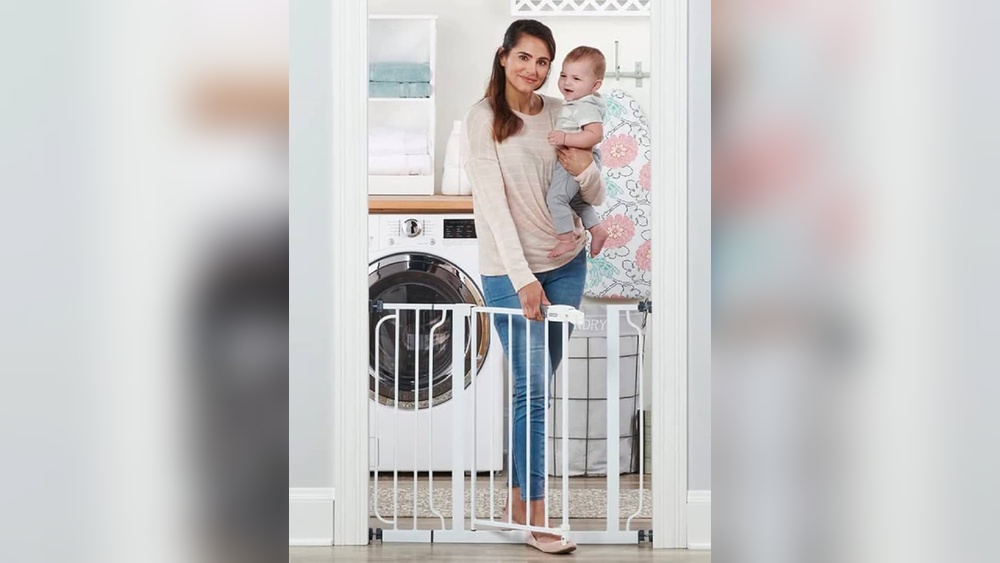

If you want to keep your furry friend safe without closing off entire rooms, making a pet safety gate is the perfect solution. You might think it’s complicated or expensive, but what if you could create one yourself, tailored exactly to your home and your pet’s needs?
Imagine having a sturdy, reliable gate that keeps your pet safe while giving you peace of mind. In this guide, you’ll discover simple steps to make your own pet safety gate quickly and affordably. Ready to take control of your pet’s safety and protect your space?
Keep reading, because this is easier than you think.
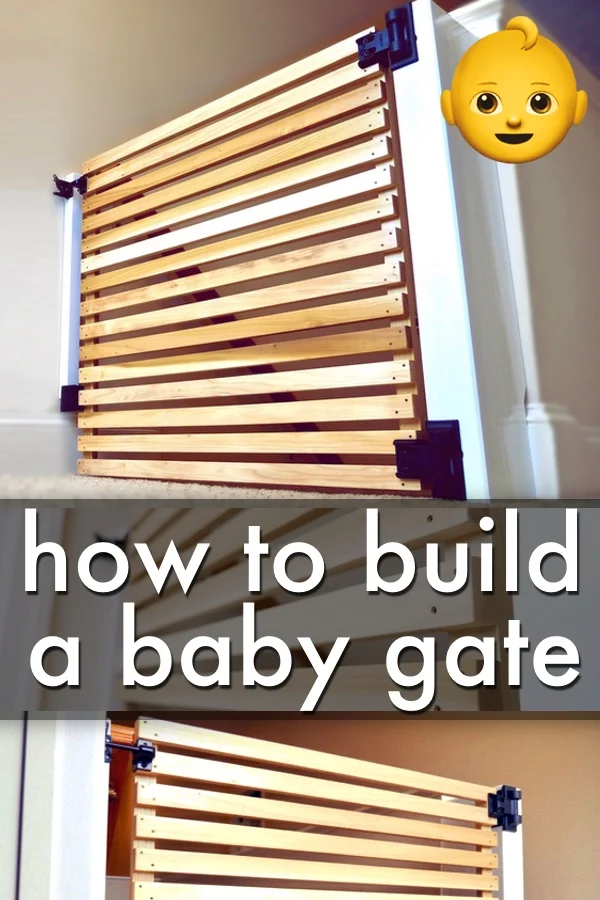
Credit: craftedworkshop.com
Choosing The Right Materials
Choosing sturdy and safe materials is key for a pet safety gate. Wood or metal offer good strength and durability. Soft edges help prevent injury while keeping your pet secure.
Choosing the right materials is key to making a strong pet safety gate. The materials affect durability, safety, and style.
Pick materials that last long and fit your pet’s behavior. Consider ease of cleaning and installation too.
Wood Vs. Metal Options
Wood offers a natural look and feels warm in your home. It is easy to cut and customize. Sand the edges to avoid splinters.
Metal is very strong and lasts longer. It suits active pets that may chew or push hard. Metal gates often need paint or coating to stop rust.
Both materials work well. Think about your pet’s size and habits before choosing.
Essential Tools Needed
Gather basic tools for your project. A saw helps cut wood or metal pieces. A drill is useful for making holes and attaching screws.
Sandpaper smooths rough edges, especially for wood. Measuring tape ensures correct gate size. Screws and brackets hold the gate firmly in place.
Prepare all tools before starting to save time.
Safety Considerations
Check for sharp edges or loose parts that can hurt pets. Smooth all surfaces and tighten screws well.
Make sure gaps are small enough to stop pets from slipping through. Avoid toxic paints or finishes to keep pets safe.
Test the gate’s strength by pushing it gently. A secure gate keeps pets safe and your mind at ease.
Measuring Your Space
Measuring your space is the first step to creating a safe gate for your pet. Accurate measurements ensure the gate fits well and works effectively. Take your time and measure carefully. Small mistakes can cause big problems later.
Width And Height Requirements
Measure the width of the opening where the gate will go. Use a tape measure and record the number in inches or centimeters. Double-check the width at the top, middle, and bottom.
Next, measure the height from the floor to the top of the space. The gate should be tall enough to keep your pet from jumping over. Add a few extra inches for safety.
Accounting For Door Frames And Walls
Check the thickness of door frames or walls around the space. This affects how the gate will attach. Measure the depth to find the right mounting method.
Look for any uneven surfaces or obstacles. These can change where and how the gate fits. Take note of any molding or trim that may get in the way.
Cutting And Preparing Pieces
Cutting and preparing pieces is the first step to making a pet safety gate. This part sets the base for the entire project. Accurate cuts ensure the gate fits well and works properly. Smooth edges keep your pet safe from splinters or sharp wood. Take your time with this step for the best results.
Marking Accurate Measurements
Start by measuring the space where the gate will go. Use a tape measure for exact numbers. Mark the wood with a pencil at each measurement point. Double-check every mark before cutting. Clear, straight lines help you cut without mistakes.
Sanding And Smoothing Edges
After cutting, the edges may feel rough or sharp. Use sandpaper to smooth all sides carefully. Sand until the wood feels soft to touch. This step protects your pet from scratches and splinters. Clean the dust with a cloth before assembling the gate.
Assembling The Frame
Assembling the frame is the first step in building a strong pet safety gate. A solid frame keeps the gate sturdy and safe for your pet. It holds all the parts together and ensures the gate lasts long. Follow each step carefully to create a frame that fits well and works properly.
Joining Techniques
Start by choosing the right joining method for your frame. Simple screws work well and are easy to use. Wood glue adds extra strength when used with screws. For a cleaner look, try pocket holes to hide screws inside the wood. Make sure the corners are square before fixing them together. Proper joining keeps the frame from wobbling or falling apart.
Securing Joints
After joining, secure each joint firmly. Use clamps to hold pieces in place while the glue dries. Tighten screws slowly to avoid splitting the wood. Check each corner for gaps or loose parts. Reinforce weak spots with small brackets or corner braces. Well-secured joints make your pet gate safe and durable.
Adding Safety Features
Adding safety features to your pet safety gate is very important. It keeps pets safe and prevents accidents. These features make the gate stronger and harder for pets to open. It also helps protect your pet from harmful materials. Simple steps can make a big difference in safety.
Installing Latches And Locks
Choose strong latches that pets cannot open easily. Slide bolts and childproof locks work well. Place the latch high enough to keep pets from reaching it. Make sure the latch fits tightly to avoid gaps. Test the lock several times to confirm it is secure. A good latch stops pets from pushing the gate open.
Using Non-toxic Paints Or Finishes
Paint or finish the gate with safe, non-toxic products. Pets often chew or lick surfaces, so avoid harmful chemicals. Look for water-based paints labeled as pet-safe. Apply two thin coats for even coverage. Let the paint dry completely before use. This protects your pet’s health and keeps the gate looking good.
Mounting The Gate
Mounting the pet safety gate is a key step in keeping your pet safe. Proper mounting stops the gate from falling or moving. It also helps keep your pet from escaping or getting hurt. This part of the project needs care and the right tools.
Wall Attachment Methods
Choose strong spots on the wall for the gate. Use studs or solid wood for the best hold. Drywall alone may not support the gate well.
Use a stud finder to find solid wood behind the wall. Mark the spots where you will drill holes.
Common methods include screws, brackets, or wall anchors. Screws in studs offer the strongest hold. Brackets add extra support on wider gates.
Ensuring Stability And Durability
Check that the gate fits tightly without gaps. The gate should not wiggle or shift when pushed.
Tighten all screws and bolts firmly. Loose parts can cause accidents or allow pets to escape.
Test the gate by pushing it lightly. It should stay in place and feel solid.
Use rubber pads or cushions to protect walls and improve grip. This also reduces noise when closing the gate.
Testing And Adjustments
Testing and adjusting your pet safety gate is important for safety and usability. This step ensures the gate works well and keeps pets secure. Take your time checking every part. Small issues can cause big problems.
Checking Gate Functionality
First, open and close the gate several times. It should move smoothly without sticking. Listen for any strange sounds like squeaks or grinding. Make sure the latch locks firmly and stays locked. The gate should not wobble or feel loose. Check the height and width to ensure it blocks the area completely. Test with gentle pressure to see if it stays in place. If your pet is around, watch how they react to the gate.
Making Necessary Modifications
Fix any parts that do not work well. Tighten screws or bolts to stop wobbling. Sand rough edges to prevent scratches or splinters. Adjust the latch if it does not lock properly. Add padding or rubber strips to improve grip and protect walls. If the gate is too tall or short, trim or extend it carefully. Re-test the gate after each change to ensure it works perfectly. Safety comes first, so do not rush this step.

Credit: www.visualsp.com
Maintenance Tips
Keeping your pet safety gate in good shape is important for your pet’s protection. Simple care makes the gate last longer and stay strong. Follow these tips to keep your gate safe and clean every day.
Regular Inspections
Check the gate often for loose screws or broken parts. Look at the hinges and latches carefully. Tighten any loose screws right away. Replace any broken or worn parts fast. This helps stop accidents before they happen.
Cleaning And Upkeep
Wipe the gate with a damp cloth to remove dust and dirt. Use mild soap if needed. Avoid harsh chemicals that can damage the gate’s surface. Dry the gate well to stop rust or mold. Clean the latch and hinges often for smooth operation.
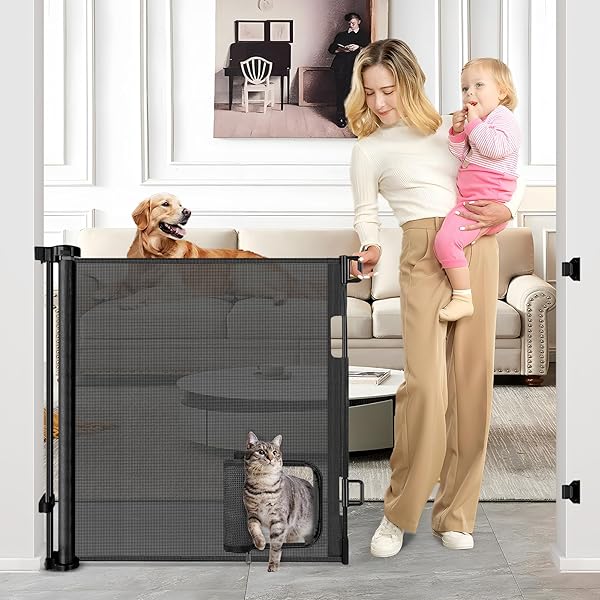
Credit: www.visualsp.com
Frequently Asked Questions
What Materials Are Best For A Pet Safety Gate?
Wood and metal are ideal materials for pet safety gates. They provide durability, strength, and stability. Wood offers a natural look, while metal ensures long-lasting protection. Both materials can be easily customized to fit various doorways or staircases.
How Do I Measure For A Pet Safety Gate?
Measure the width of the opening where you want to install the gate. Use a tape measure for accuracy. Add a few extra inches to ensure the gate fits securely. Proper measurement prevents gaps and keeps pets safely contained.
Can I Build A Pet Safety Gate Without Tools?
Building a pet safety gate without tools is challenging but possible using pre-cut panels. However, tools like a drill and screws ensure a secure, stable gate. Investing time in proper assembly improves safety and longevity of the gate.
How Do I Ensure A Pet Gate Is Secure?
Use strong screws or hardware to attach the gate firmly. Check that the gate fits tightly with no gaps. Test the latch mechanism regularly to ensure it locks properly. A secure gate prevents pets from escaping or getting injured.
Conclusion
Building a pet safety gate keeps your home safe and your pet secure. It saves money and fits your space well. You can use simple tools and materials found at home. Making the gate yourself lets you choose the best size and style.
Safety and comfort matter most for your pet. Try this easy project to protect your furry friend today. Small steps make a big difference. Your pet will thank you with happy, safe days.