
Are your LED string lights too bright but marked as non-dimmable? You’re not alone.
Many people want to create the perfect cozy atmosphere but find their lights either fully on or off, with no middle ground. What if you could gently lower the brightness without buying new lights? You’ll discover simple, safe ways to dim your non-dimmable LED string lights and transform your space just the way you want.
Keep reading to learn how to take control of your lighting and set the perfect mood every time.
Credit: www.ledsupply.com
Why Non Dimmable Leds Resist Dimming
Non dimmable LED string lights often do not respond to dimmer switches. This can confuse many people who want to adjust their light brightness. The main reason lies in how these LEDs are built and how their technology works. Understanding why non dimmable LEDs resist dimming helps in finding the right solutions.
Led Technology Basics
LEDs use tiny chips to produce light. These chips need a steady flow of electricity. The power drives the LED to shine at a fixed brightness. Changing this power flow can harm the LED or cause flickering. Non dimmable LEDs lack the circuits needed to handle changes in power.
Limitations Of Non Dimmable Designs
Non dimmable LEDs have simple drivers inside. Drivers control the electricity going to the LED. These drivers are not made to change voltage or current smoothly. Dimming needs special drivers that adjust power without hurting the LED. Without these, the LED either stays fully on or turns off.

Credit: www.youtube.com
Risks Of Dimming Non Dimmable Led Lights
Dimming non dimmable LED string lights may seem like a quick fix to control brightness. It might appear simple, but it carries risks. These lights are not designed for dimming, which can cause problems. Understanding these risks helps protect your lights and avoid damage.
Potential Damage To Lights
Using a dimmer with non dimmable LEDs can harm the lights. The electrical current may become unstable. This causes flickering or flashing. Sometimes, the lights may fail to turn on at all. Over time, the internal components can overheat. This overheating can permanently damage the LED bulbs. The light quality may also degrade quickly.
Impact On Lifespan And Performance
Non dimmable LEDs run best at full power. Dimming them disrupts their normal operation. This stress shortens the lifespan of the lights. The bulbs may burn out faster than expected. Performance issues like uneven brightness can appear. The colors might look dull or unnatural. The overall reliability of the string lights decreases. This means more frequent replacements and higher costs.
Simple Methods To Dim Led String Lights
Dimming non-dimmable LED string lights can seem tricky. Many assume it is impossible without special bulbs. Yet, some simple methods help reduce brightness safely. These methods do not require changing your string lights. You can control light levels with basic tools. Here are easy ways to dim LED string lights.
Using A Compatible Dimmer Switch
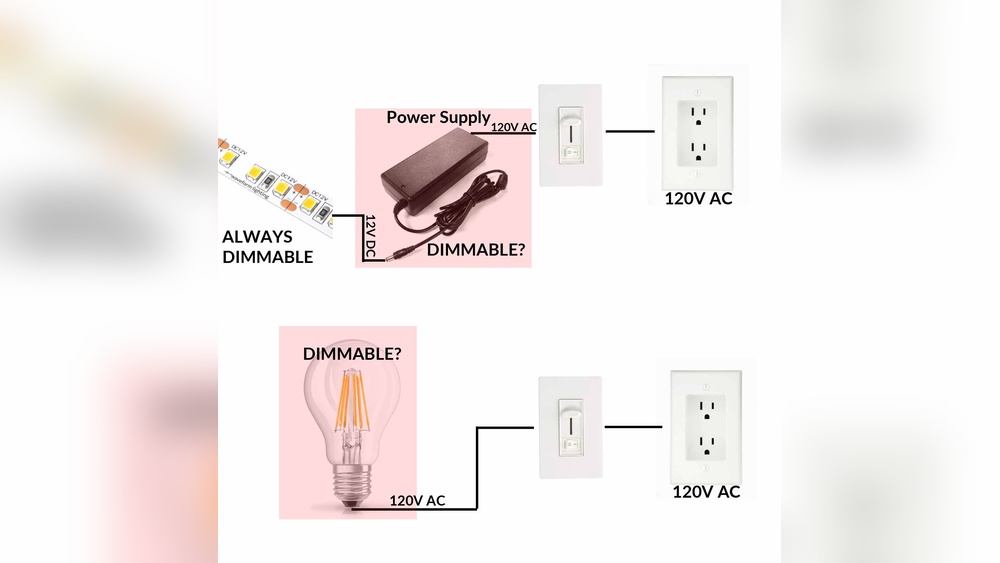
Some dimmer switches work with LED lights. Check that the dimmer is designed for LEDs. This avoids flickering or damage. Install the dimmer on the power source. Turn the knob to change light brightness. It offers smooth dimming without rewiring the lights.
Incorporating A Plug-in Dimmer
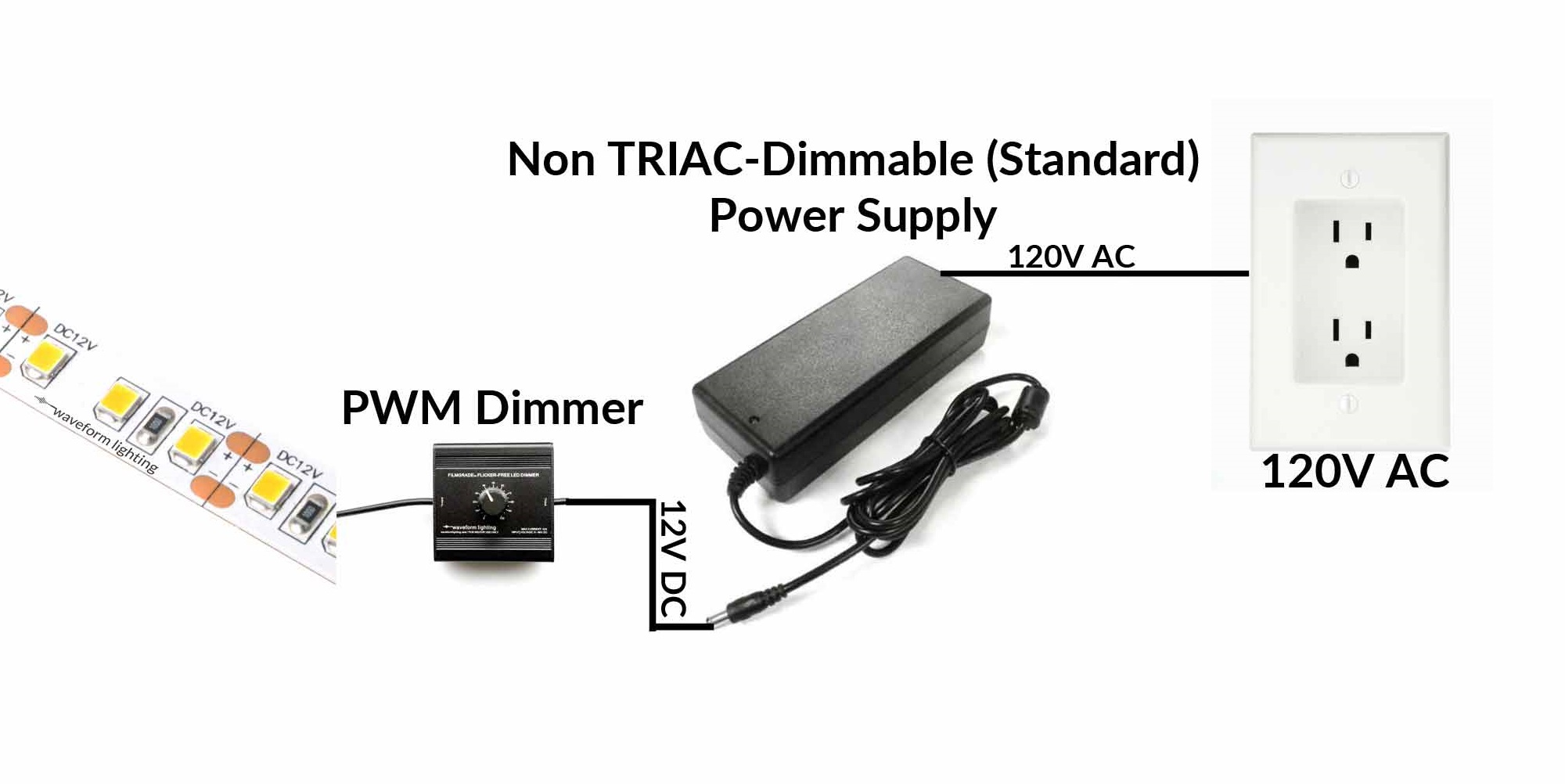
Plug-in dimmers are easy to use. Simply connect the LED string lights to the dimmer. Then, plug the dimmer into the wall socket. Adjust the dimmer dial to lower light intensity. This method keeps your setup simple and portable.
Adjusting Power Supply Voltage
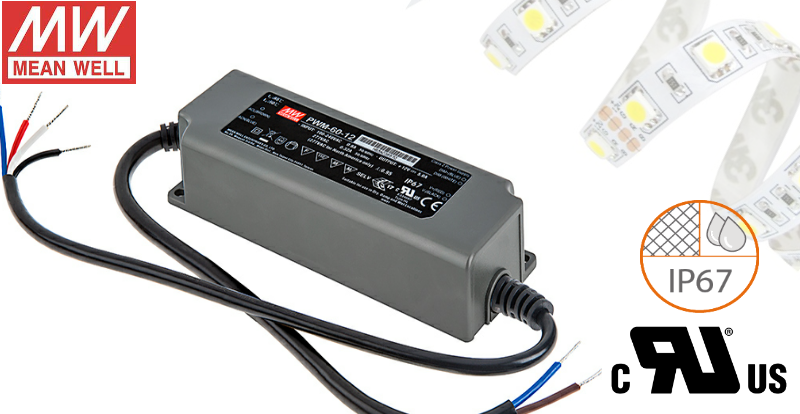
Lowering the voltage reduces LED brightness. Use a variable power supply or transformer. Set the voltage slightly below the normal level. This dims the lights without harming them. Measure voltage carefully to avoid damage.
Credit: www.waveformlighting.com
Alternative Tricks For Light Control
Controlling the brightness of non-dimmable LED string lights can be tricky. Many standard dimmers do not work well with these lights. Still, there are alternative tricks to soften the light and create a cozy atmosphere. These methods help you adjust brightness without damaging the lights.
Adding A Resistor Or Potentiometer
A resistor or potentiometer can reduce the current flowing to the LED lights. This lowers the brightness safely. A resistor is a simple component that you connect in series with the string lights. A potentiometer acts like a variable resistor. It lets you adjust the brightness by turning a knob. Use parts with the right value to avoid damage.
Using Smart Plugs With Dimming Features
Smart plugs with dimming functions offer an easy way to control brightness. These plugs connect to your Wi-Fi and work with apps or voice assistants. You can set schedules or adjust brightness remotely. Some smart plugs reduce power output gently. This can soften the light without flickering or damage.
Diy Solutions For Light Softening
Softening light with DIY methods is simple and effective. Cover the LED lights with translucent materials like parchment paper or frosted plastic. These materials diffuse the light and reduce glare. Use fabric or lampshades designed for lighting. These options create a warm glow and improve comfort in any room.
Testing And Safety Tips
Testing and safety are very important when dimming non-dimmable LED string lights. These lights are not made for dimming, so extra care is needed. Proper testing helps avoid damage and keeps you safe. Follow these tips to check and use your lights safely.
Checking Compatibility Before Use
Test your dimmer with a small section of the LED string first. Some dimmers work better with certain LED lights. Use a dimmer designed for LED lights. Avoid using regular dimmers made for incandescent bulbs. This prevents flickering and damage. Always read the LED string’s instructions. Check if the manufacturer allows dimming or not.
Monitoring Heat And Performance
Watch the lights closely during dimming tests. Heat can build up quickly in non-dimmable LEDs. If you feel the string lights get hot, stop using the dimmer. Overheating can shorten the life of your lights or cause fire risks. Also, look for flickering or uneven brightness. These signs mean the dimmer and lights are not a good match.
Avoiding Electrical Hazards
Turn off power before connecting or adjusting any wires. Use proper tools and avoid touching live wires. Keep the lights and dimmer away from water and damp places. Use certified electrical equipment to prevent shocks or short circuits. Do not overload power outlets with too many devices. Safety always comes first with electrical projects.
When To Upgrade To Dimmable Leds
Knowing when to upgrade to dimmable LED string lights can improve your lighting experience. Non-dimmable LED string lights offer limited control over brightness. This can be frustrating when you want softer or mood lighting. Upgrading to dimmable LEDs lets you adjust light levels easily. It adds versatility and better ambiance to any space. Consider your needs and the benefits before making a change.
Benefits Of Dimmable Led String Lights
Dimmable LED string lights save energy by lowering brightness. They extend bulb life by reducing power use. You can create different moods with simple dimming. These lights work well for parties, cozy evenings, or tasks. Dimming also reduces eye strain in low light settings. Overall, they offer flexibility and better comfort.
Cost And Installation Considerations
Dimmable LED string lights cost more than non-dimmable ones. Installation may require a compatible dimmer switch or controller. Some setups need professional help for safe wiring. Check product details to ensure compatibility. Think about long-term savings on energy and bulb replacement. The initial cost can be worth the improved control and comfort.
Frequently Asked Questions
Can Non-dimmable Led String Lights Be Dimmed Safely?
Non-dimmable LED string lights are not designed for dimming. Attempting to dim them can cause flickering or damage. Using a compatible dimmer or LED string lights rated for dimming is safer and ensures proper functionality.
What Tools Are Needed To Dim Non-dimmable Led Lights?
To dim non-dimmable LED string lights, you need a compatible LED dimmer switch or a smart plug with dimming features. Avoid standard dimmers, as they may cause issues. Using the correct tools ensures safe and effective dimming.
Will Dimming Non-dimmable Led Lights Reduce Lifespan?
Yes, dimming non-dimmable LEDs improperly can shorten their lifespan. These lights are not built to handle voltage changes. Using proper dimmable LEDs or compatible dimmers helps maintain longevity and performance.
Are There Alternative Methods To Dim Non-dimmable Led Lights?
Yes, alternatives include using smart LED bulbs or adding a dimmable LED controller. These options provide adjustable brightness without risking damage. They offer flexibility while protecting your string lights.
Conclusion
Dimming non-dimmable LED string lights takes some care and the right tools. Choose compatible dimmers or add external controllers for smooth brightness control. Test your setup to avoid flickering or damage. Small steps can make your lights softer and more inviting.
Enjoy the cozy atmosphere you create without changing all your lights. Keep safety in mind and follow instructions closely. Brightness control is possible, even with non-dimmable LEDs. Simple adjustments bring new life to your string lights.