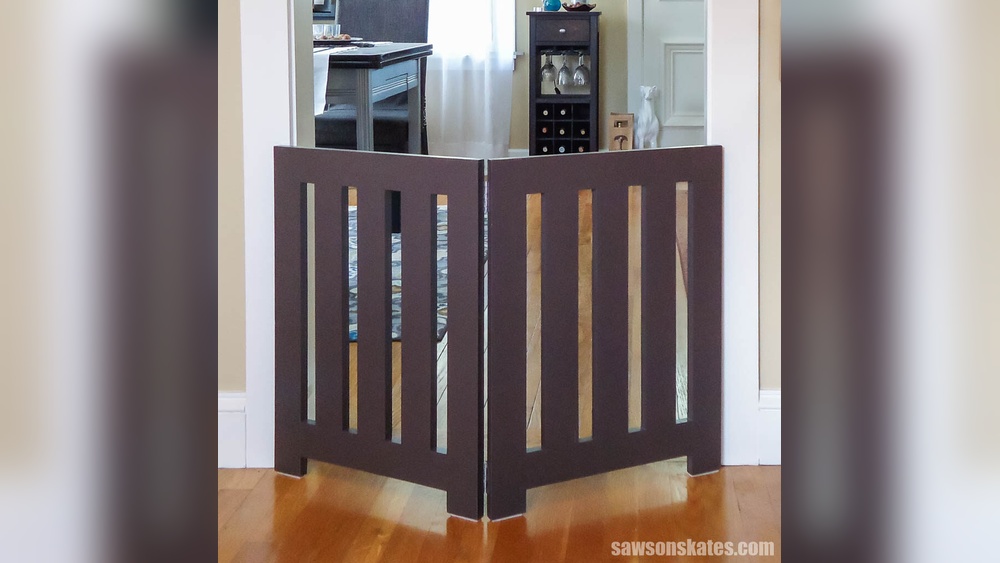

Are you tired of your furry friend wandering into rooms where they shouldn’t be? A homemade pet gate could be the perfect solution to keep your pet safe and your space organized.
Building one yourself is easier than you might think, and it saves you money while giving you a gate that fits your home perfectly. You’ll discover simple steps to create a sturdy, stylish pet gate that meets your needs. Keep reading, and by the end, you’ll have the confidence to make a pet gate that works just right for you and your beloved pet.
Materials Needed
Building a homemade pet gate starts with gathering the right materials. Having the proper supplies ensures your project is safe and sturdy. Prepare everything before you begin to save time and avoid interruptions.
Choosing The Right Wood
Select wood that is strong and smooth. Pine and cedar are good choices. They resist wear and look nice. Avoid soft wood that can break easily. Make sure the wood is dry and free from cracks.
Essential Tools
Basic tools make the job easier. You will need a saw to cut the wood. A drill helps create holes for screws. Sandpaper smooths rough edges for safety. A tape measure ensures precise cuts and fitting.
Additional Hardware
Pick hardware that supports the gate’s function. Hinges allow the gate to open and close. Screws hold the pieces together firmly. A latch keeps the gate securely closed. Consider rubber bumpers to protect walls and floors.

Credit: yao.com.do
Designing The Gate
Designing your homemade pet gate starts with clear planning. A well-designed gate fits perfectly and keeps pets safe. It also looks nice in your home. Careful design saves time and materials later.
Consider size, style, and strength before building. These elements decide how well your gate works. Think about your pet’s habits and your space. Good design makes your pet gate useful and attractive.
Measuring The Space
Measure the width and height of the doorway or opening. Use a tape measure for exact numbers. Measure twice to avoid errors. Note any uneven edges or corners. Write down your measurements clearly. These numbers guide your gate’s size and fit.
Selecting A Gate Style
Choose a style that matches your home and pet’s needs. Simple designs work best for small pets. Tall gates suit large or jumping pets. Decide between swinging or sliding gates. Consider ease of use for family members. Pick a style that balances function and looks.
Planning For Durability
Use strong materials like wood or metal for lasting use. Check your pet’s strength and behavior. Reinforce weak spots to avoid damage. Seal wood to protect from moisture and wear. Secure hinges and locks tightly. Durable gates keep pets safe longer and save repair costs.
Cutting The Wood
Cutting the wood is a key step in making a homemade pet gate. It shapes the pieces that will form the gate’s frame. Accuracy here ensures the gate fits well and looks good.
Take your time with each cut. Careful measuring and cutting lead to a sturdy gate that lasts long.
Marking Your Cuts
Start by measuring the wood pieces you need. Use a pencil to mark exact cut lines. Double-check each measurement before marking. Clear marks help guide your saw accurately.
Use a square or ruler to draw straight lines. This makes cutting easier and more precise. Mark all pieces before you begin cutting.
Safe Cutting Techniques
Always wear safety glasses to protect your eyes. Use a sharp saw for clean cuts and less effort. Secure wood firmly with clamps or on a stable surface.
Cut slowly and steadily along your marked lines. Avoid forcing the saw to reduce mistakes. Keep fingers clear of the blade at all times.

Credit: www.youtube.com
Assembling The Frame
Building a sturdy frame is the first step in making a homemade pet gate. The frame holds everything together and keeps your pet safe. Take time to measure and cut the wood pieces accurately. This ensures the frame fits well in the doorway or space you plan to use.
Careful assembly sets the foundation for a strong and durable gate. Follow each step closely. Use the right tools and materials for best results.
Joining The Pieces
Start by arranging the wood pieces in a rectangle shape. Use wood glue on the edges before fastening. This adds extra hold to the joints.
Secure the corners with screws or nails. Drill pilot holes first to avoid splitting the wood. Check that all corners are square using a carpenter’s square or tape measure.
Reinforcing The Structure
Add corner braces or metal brackets to strengthen the frame. Place them on each corner inside the frame. Tighten screws firmly but do not overtighten.
For larger gates, include a middle support bar. This prevents the frame from bending or sagging over time. Reinforcement ensures the gate stays safe and stable for your pet.
Adding The Gate Panels
Adding the gate panels is a key step in building your homemade pet gate. This part gives the gate its shape and strength. It also keeps your pet safe inside the area you want. You can use different materials for the panels, such as wooden slats or mesh. Each option has its own benefits.
Attaching Slats Or Mesh
Start by cutting the slats or mesh to fit the frame. Make sure the pieces are the right size. Place them evenly across the frame. Use screws or nails to secure wooden slats. For mesh, use a staple gun or strong adhesive. Check that the panels stay tight and do not move. This keeps the gate sturdy and reliable.
Ensuring Pet Safety
Check for any sharp edges or loose parts. Sand wooden slats smooth to prevent splinters. Make sure mesh holes are small enough to stop paws or heads from getting stuck. Avoid gaps where pets can squeeze through. Test the gate’s strength by gently pushing it. A safe gate protects your pet and gives you peace of mind.

Credit: kdfoundation.org
Installing Hinges And Latch
Installing hinges and a latch is a key step in making a homemade pet gate. These parts allow the gate to open, close, and stay secure. Choose the right hardware and place it well to ensure the gate works smoothly and safely.
Choosing The Right Hardware
Pick sturdy hinges made from rust-resistant metal. They hold the gate firmly and last longer. Choose a latch that is easy to open but secure enough to keep pets in place. Magnetic or slide bolt latches work well. Avoid weak or flimsy parts that may break or fail.
Proper Placement For Functionality
Install hinges on one side of the gate frame. Attach them evenly spaced for balance. The latch goes on the opposite side, at a height easy to reach but out of pets’ reach. Test the gate swing and latch before final fixing. Adjust placement if the gate sticks or the latch does not catch well.
Finishing Touches
Finishing touches are important for your homemade pet gate. They make it safe and look good. Taking time at this stage helps your gate last longer. Focus on making the surface smooth and protecting the wood.
Sanding And Smoothing
Start by sanding the entire gate. Use medium-grit sandpaper first to remove rough spots. Then, switch to fine-grit for a smooth finish. Check all edges and corners carefully. Smooth surfaces prevent scratches on your pet and walls. Wipe off dust with a clean cloth before the next step.
Applying Paint Or Sealant
Choose a non-toxic paint or sealant safe for pets. Apply a thin coat evenly using a brush or roller. Let it dry completely before adding another layer. Two or three coats work best for protection. Sealant helps guard against moisture and wear. Paint adds color and hides marks. Make sure the gate is dry and odor-free before use.
Mounting The Gate
Mounting the pet gate is a key step for safety and function. A well-mounted gate keeps pets secure and boundaries clear. Proper installation prevents the gate from falling or shifting. Take your time to mount it correctly.
Securing To Walls Or Doorways
Choose solid spots on walls or doorways to attach the gate. Use screws and anchors that fit the gate’s weight. Mark spots carefully before drilling to avoid mistakes. Tighten screws firmly but avoid over-tightening. Check the gate frame is level and straight.
Testing Stability And Safety
Push the gate gently from different sides. It should not wobble or move easily. Check the latch or locking system works smoothly. Make sure no sharp edges or gaps can hurt pets. Adjust screws or add padding if needed for safety.
Maintenance Tips
Keeping your homemade pet gate in good shape takes some care. Regular maintenance helps the gate last longer and stay safe for your pet. Small checks and quick fixes stop big problems. This section covers easy ways to keep your gate working well.
Regular Inspections
Check the gate often for any signs of damage. Look at the hinges, latch, and frame carefully. Make sure the gate fits tightly and does not wobble. Watch for cracks, loose screws, or splinters. Spotting problems early saves time and money.
Repairing Wear And Tear
Fix any small damage right away. Tighten loose screws and replace missing ones. Sand down rough edges to prevent splinters. Use wood glue for small cracks. Paint or seal the gate to protect it from water and weather. Keeping repairs up to date keeps the gate safe and strong.
Frequently Asked Questions
How Do I Choose Materials For A Homemade Pet Gate?
Select sturdy, pet-safe materials like wood or metal. Ensure the materials fit your pet’s size and strength. Avoid sharp edges and toxic finishes for safety.
What Tools Are Needed To Build A Pet Gate?
Basic tools include a saw, drill, measuring tape, screws, and sandpaper. These tools help cut, assemble, and smooth the gate parts securely.
How To Measure The Right Size For A Pet Gate?
Measure the doorway width and height accurately. Add extra clearance for easy pet passage. Proper sizing prevents escapes and ensures a secure fit.
Can I Make A Pet Gate Without Drilling Holes?
Yes, use pressure-mounted or tension-mounted designs. These gates use adjustable poles to fit doorways without permanent damage. Ideal for rental homes or temporary use.
Conclusion
Making a homemade pet gate is simple and cost-effective. You can control your pet’s space safely. Use basic tools and materials you already have. Customize the gate to fit your home’s style. Taking time to build it yourself brings satisfaction.
Your pet stays secure, and your home stays neat. Try this project to keep pets and family happy. A sturdy, well-made gate makes a big difference. Start today and enjoy the benefits of your work.