
Have you ever wondered how quickly your smoke detector can sense danger? Understanding how sensitive your smoke detector is could make all the difference in keeping your home and loved ones safe.
If your detector is too sensitive, it might cause annoying false alarms. If it’s not sensitive enough, it could miss the early signs of a fire. You’ll discover exactly how these devices work, what affects their sensitivity, and how to make sure yours is protecting you the way it should.
Keep reading—you might learn something that could save your life.
Smoke Detector Sensitivity Basics
Smoke detectors save lives by alerting people to danger early. Their sensitivity is key to how well they work. Sensitivity means how easily a detector notices smoke or fire. Too sensitive, and it causes false alarms. Not sensitive enough, and it might miss real threats. Understanding the basics of smoke detector sensitivity helps you choose and maintain the right device.
Types Of Smoke Detectors
Two main types of smoke detectors exist: ionization and photoelectric. Ionization detectors sense tiny smoke particles from fast flames. Photoelectric detectors detect larger smoke particles from smoldering fires. Each type reacts differently to smoke and fire. Some detectors combine both types for better coverage. The sensitivity depends on the detector’s technology and design.
How Sensitivity Is Measured
Sensitivity measures how much smoke triggers the alarm. It is tested by exposing detectors to controlled smoke levels. The measurement uses units like smoke obscuration or particle density. Manufacturers set sensitivity to balance safety and false alarms. Too low sensitivity might delay the alert. Too high sensitivity may cause frequent, unwanted alarms.
Factors Affecting Sensitivity
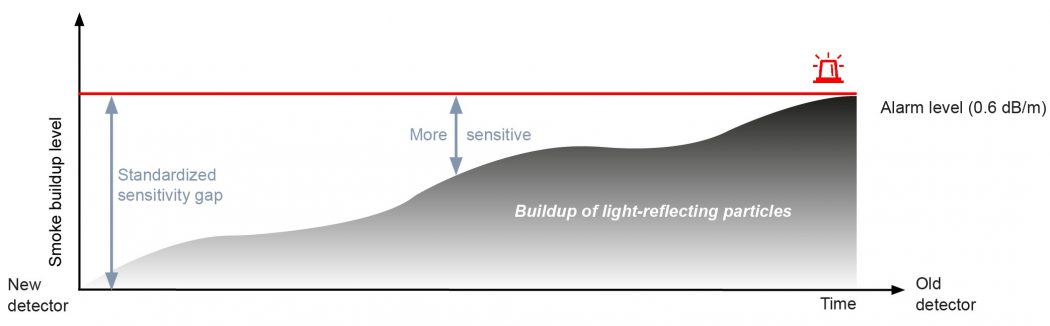
Several factors impact how sensitive a smoke detector is. Dust and dirt can block sensors and reduce sensitivity. Humidity and steam may cause false alarms or trigger the device too soon. Age and battery condition also affect performance. Proper placement matters; near kitchens or bathrooms, alarms may be less reliable. Regular cleaning and testing keep sensitivity at the right level.
Credit: www.calectro.com
Common Sensitivity Levels
Smoke detectors vary in sensitivity. This depends on their design and where they are used. Sensitivity means how easily a detector senses smoke. Proper sensitivity helps save lives by alerting people early. It also helps avoid false alarms that waste time and cause annoyance.
Residential Vs Commercial Detectors
Residential smoke detectors are less sensitive than commercial ones. Homes need detectors that avoid false alarms from cooking or steam. Commercial detectors must react quickly to small amounts of smoke. They protect large spaces with many people. Commercial models often have adjustable sensitivity settings. This helps fit different environments like offices or factories.
Photoelectric Vs Ionization Sensors
Photoelectric sensors detect large smoke particles from slow fires. They are less sensitive to small particles. Ionization sensors detect small particles from fast, flaming fires. These sensors are more sensitive but may cause more false alarms. Many detectors combine both sensors for better accuracy. This balance improves safety in various fire situations.
False Alarms And Sensitivity
Smoke detectors are lifesavers, but their sensitivity can sometimes cause issues. False alarms are a common problem linked to how sensitive these devices are. These alarms can be annoying and may cause people to ignore real dangers. Understanding why false alarms happen helps us find the right balance in sensitivity. This balance keeps homes safe without too many false alerts.
Causes Of False Alarms
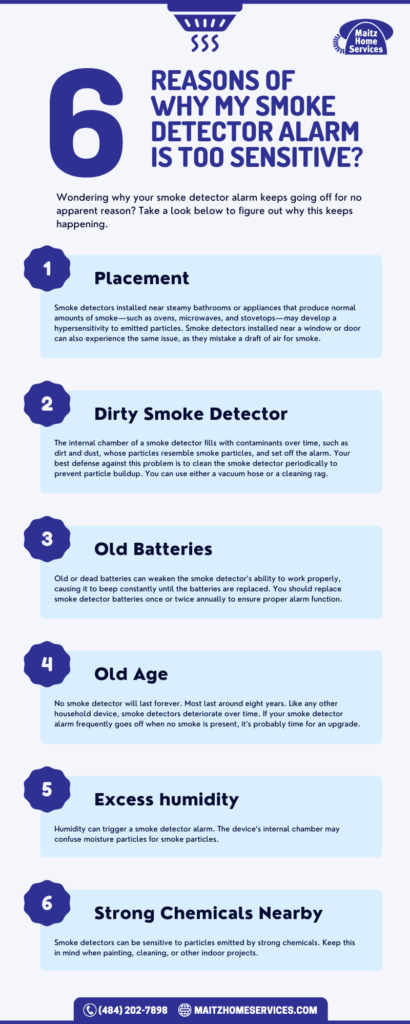
Dust and dirt inside the detector can trigger false alarms. Cooking smoke or steam from showers also sets off many alarms. Insects crawling into the sensor create false signals. Low batteries or old detectors may act strangely and beep unnecessarily. Even strong sprays like air fresheners can confuse the sensor. These small triggers make smoke detectors go off without real danger.
Balancing Sensitivity And Accuracy
Too much sensitivity means more false alarms. Too little sensitivity might miss real fires. The goal is to find a middle ground. Modern detectors use smart sensors to reduce false alarms. Regular cleaning and maintenance keep detectors working well. Replace batteries often to avoid unwanted beeping. Proper placement away from kitchens or bathrooms also helps. This balance ensures smoke detectors alert only when needed.
Credit: www.maitzhomeservices.com
Standards And Regulations
Smoke detectors must meet strict standards and regulations. These rules ensure the devices work well and alert people quickly. Sensitivity is a key part of these standards. It helps detect smoke early without too many false alarms.
National Fire Protection Guidelines
The National Fire Protection Association (NFPA) sets clear rules for smoke detectors. These rules cover how sensitive the detectors should be. They test devices to make sure they detect smoke from small fires. The NFPA also requires regular maintenance and placement rules. This keeps detectors working correctly and protects homes and buildings.
International Sensitivity Standards
Different countries follow international standards for smoke detector sensitivity. The ISO and IEC create these global rules. These standards set limits on how much smoke triggers the alarm. They also test detectors in various conditions. This makes sure smoke alarms work well worldwide. Meeting international standards helps manufacturers sell products globally.
Improving Smoke Detector Performance
Improving smoke detector performance is essential for home safety. Smoke detectors save lives by warning about fire early. Their sensitivity depends on proper setup and care. Small steps can boost their accuracy and response time.
Proper Installation Tips
Place smoke detectors on every floor and near bedrooms. Install them on the ceiling or high on walls. Avoid corners or areas near windows and vents. Keep detectors away from kitchens or bathrooms to reduce false alarms. Follow manufacturer instructions for the best results.
Regular Maintenance Practices
Test smoke detectors monthly to ensure they work. Replace batteries at least once a year. Clean detectors with a vacuum or soft brush to remove dust. Replace the entire unit every 10 years for reliable performance. Prompt maintenance keeps detectors sensitive and ready.
Future Trends In Smoke Detection
Smoke detectors are evolving with new technology. These changes will make homes safer and smarter. The future holds many improvements in how sensitive and accurate these devices become. Understanding these trends helps people choose better protection for their homes.
Smart Smoke Detectors
Smart smoke detectors connect to your phone or home system. They send alerts even if you are far away. Some models can tell the difference between smoke and steam. This reduces false alarms and keeps you calm.
These devices can also link with other smart home tools. They work with cameras and alarms to give a full safety picture. You can check the status anytime with a simple app.
Advances In Sensor Technology
New sensors detect smoke faster and more precisely. They use laser and photoelectric technology for better results. These sensors can spot different types of fires early.
Some sensors even measure air quality and detect harmful gases. This adds an extra layer of safety for your family. Future smoke detectors will be more reliable and less likely to miss danger.
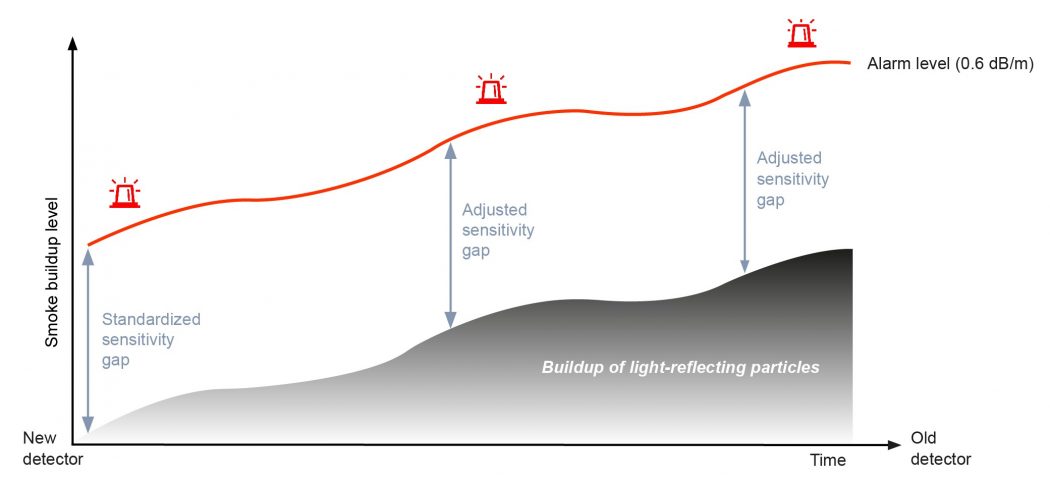
Credit: www.calectro.com
Frequently Asked Questions
How Sensitive Are Smoke Detectors To Smoke Particles?
Smoke detectors are designed to detect very small smoke particles quickly. They respond to particle sizes as tiny as 0. 3 microns. This high sensitivity allows early warning of fires, helping to prevent damage and save lives effectively.
Can Smoke Detectors Cause False Alarms Due To Sensitivity?
Yes, highly sensitive smoke detectors can trigger false alarms. Common causes include cooking smoke, steam, or dust. Proper placement and maintenance reduce false alarms while keeping detectors responsive to real fire hazards.
What Affects The Sensitivity Of Smoke Detectors?
Sensitivity depends on detector type, age, and environmental factors. Ionization detectors react faster to flaming fires, while photoelectric ones detect smoldering fires better. Regular cleaning and testing ensure optimal sensitivity and performance.
How Often Should Smoke Detector Sensitivity Be Tested?
Sensitivity should be tested at least once a month. Use the test button or specialized aerosol sprays for accuracy. Regular testing ensures detectors function properly and remain sensitive to smoke particles.
Conclusion
Smoke detectors play a vital role in home safety. Their sensitivity helps detect smoke early and save lives. Too sensitive? It may cause false alarms. Not sensitive enough? It might miss real danger. Finding the right balance is key. Regular testing keeps them working well.
Replace batteries often to avoid failures. Understanding sensitivity helps protect your home better. Stay safe and keep your smoke detectors in good shape.