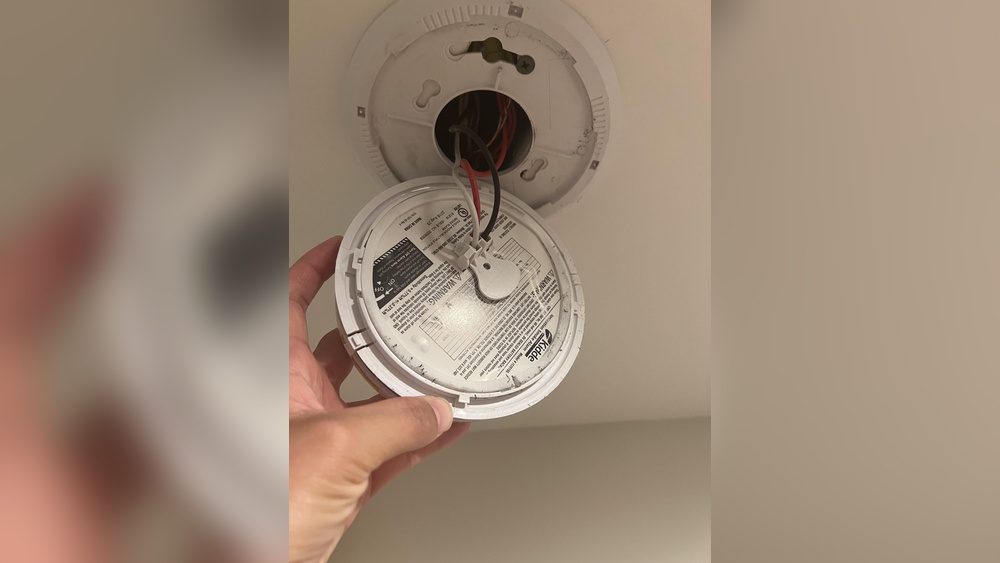

Have you ever wondered how your Kidde smoke detector knows when there’s smoke in the air? Understanding how these devices work can give you peace of mind about your home’s safety.
Your Kidde smoke detector is more than just a beep; it’s a smart guardian designed to alert you before danger strikes. You’ll discover the simple but powerful technology behind Kidde smoke detectors and learn why they are a crucial part of keeping your loved ones safe.
Keep reading to find out how this little device works tirelessly to protect your home every day.
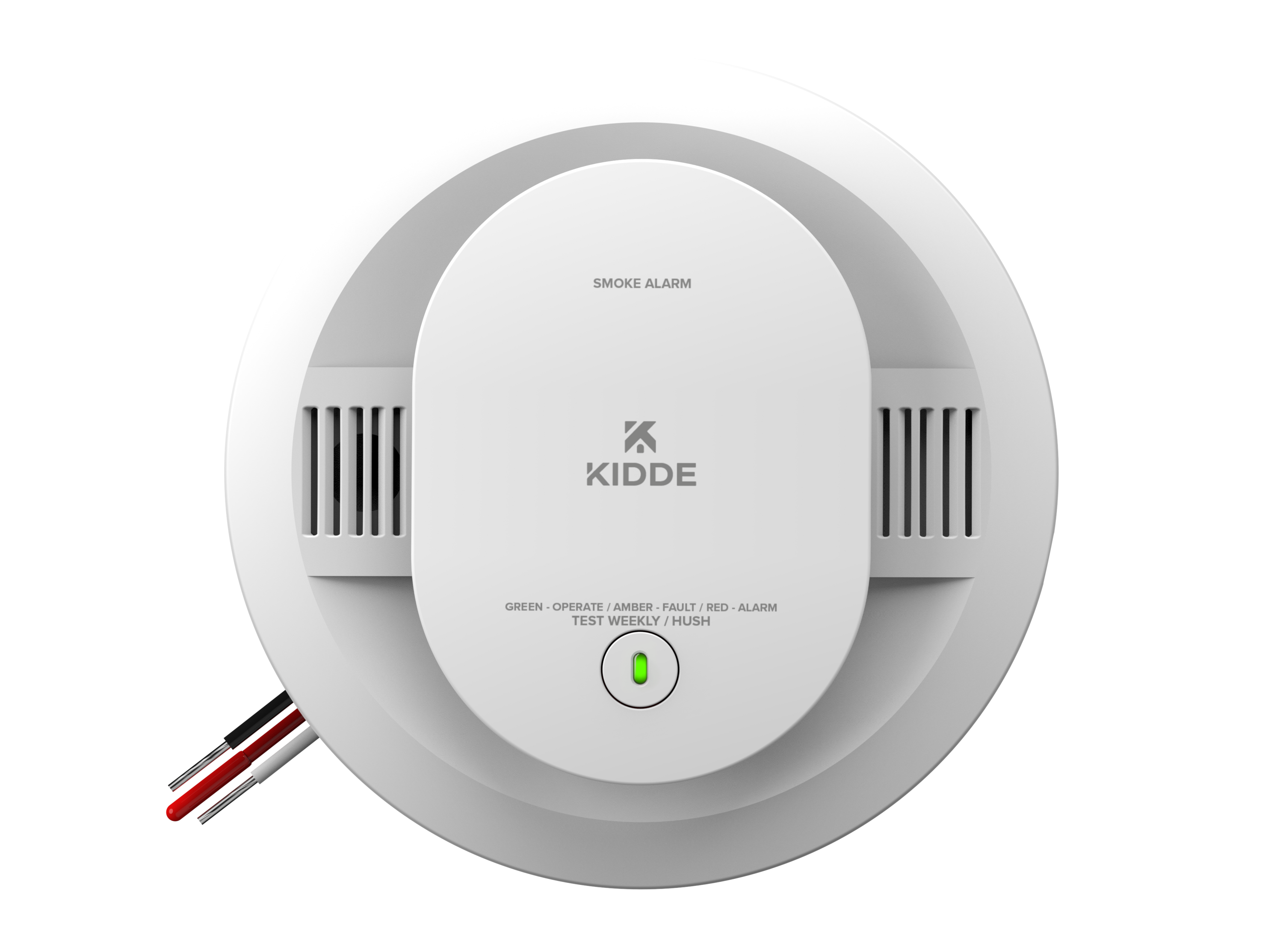
Credit: www.kidde.com
Types Of Kidde Smoke Detectors
Kidde offers different types of smoke detectors to protect your home. Each type works in a unique way to detect smoke and alert you early. Understanding these types helps you choose the right smoke alarm.
Ionization Smoke Detectors
Ionization smoke detectors sense fast, flaming fires. They use a small amount of radioactive material to detect smoke particles. When smoke enters, it disrupts the flow of ions. This triggers the alarm quickly. These detectors work best for fires with little visible smoke.
Photoelectric Smoke Detectors
Photoelectric detectors spot slow, smoldering fires. They use a light beam inside the sensor chamber. Smoke particles scatter the light beam, setting off the alarm. These alarms are good at detecting smoky fires that may take longer to burn.
Combination Smoke Alarms
Combination smoke alarms include both ionization and photoelectric sensors. They offer broader protection against different fire types. These alarms detect both fast flames and slow smoldering fires. Kidde’s combination alarms provide a balanced and reliable safety solution.

Credit: www.fireprotectiononline.co.uk
Core Technology Behind Detection
Smoke detectors protect homes by sensing smoke early. Kidde smoke detectors use smart technology to spot smoke quickly. This technology helps save lives by giving fast warnings. Understanding how these detectors work shows their importance in safety.
How Ionization Sensors Detect Smoke
Ionization sensors have a small amount of radioactive material. This material ionizes the air inside the detector chamber. Ionized air carries a small electric current. Smoke particles disrupt this current. The detector senses this change and triggers the alarm.
These sensors react fast to small smoke particles. They work best with fast-burning fires like paper or grease fires.
How Photoelectric Sensors Respond
Photoelectric sensors use a light source and a sensor. Normally, the light does not hit the sensor directly. Smoke enters the chamber and scatters the light. The scattered light hits the sensor. This causes the alarm to sound.
These sensors detect slow, smoldering fires well. They sense larger smoke particles from burning furniture or wires.
Role Of Sensors In Early Warning
Both sensor types work together in many Kidde detectors. This dual sensing covers different fire types. Early warning gives more time to react and escape. The sensors keep checking the air constantly. They help keep homes safe day and night.
Power Sources And Battery Life
Understanding the power sources and battery life of Kidde smoke detectors helps keep your home safe. These detectors rely on different types of power to work correctly. Choosing the right power option ensures your smoke detector stays active and ready.
Battery-powered Models
Battery-powered Kidde smoke detectors run only on batteries. They are easy to install anywhere in your home. These models often use 9-volt or AA batteries. It is important to check and replace batteries regularly. Most batteries last about one year before needing replacement. A low battery will cause the alarm to beep. This alerts you to change the battery quickly.
Hardwired Smoke Detectors
Hardwired smoke detectors connect directly to your home’s electrical system. They get constant power from the house wiring. This means they do not depend on batteries alone. Installation usually requires a professional electrician. Hardwired models often come with a battery backup. This keeps the alarm working during power outages. These detectors can also link with other alarms in the home.
Backup Battery Features
Backup batteries keep smoke detectors working during power failures. Both battery-powered and hardwired Kidde models use backup batteries. These batteries are usually long-lasting lithium or alkaline types. They provide power for several hours or days. Regular testing ensures the backup battery is working properly. A good backup battery keeps your home safe at all times.
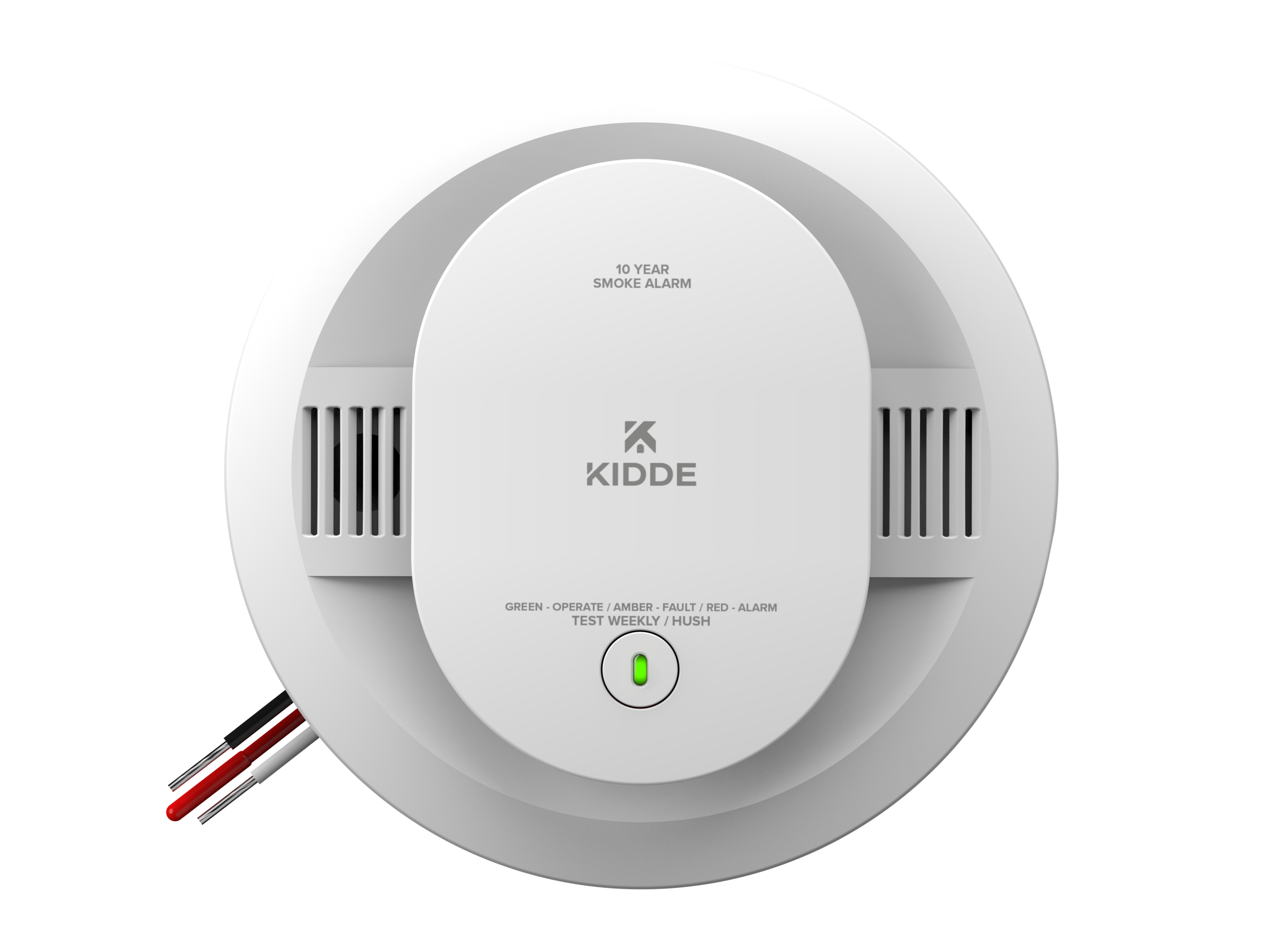
Credit: www.kidde.com
Installation And Placement Tips
Proper installation and placement of Kidde smoke detectors are vital for home safety. Correct positioning ensures early fire detection and reduces false alarms. Follow simple tips to get the best protection from your smoke detectors.
Optimal Locations For Smoke Detectors
Install smoke detectors on every level of your home. Place one inside each bedroom and outside sleeping areas. Mount detectors high on walls or ceilings because smoke rises. Avoid placing them near windows, doors, or vents. Keep detectors at least 10 feet from cooking appliances.
Avoiding False Alarms
False alarms can be frustrating and reduce alertness. Do not install detectors too close to kitchens or bathrooms. Steam and cooking smoke often trigger alarms. Use detectors with a hush feature to silence false alerts. Regularly clean devices to prevent dust buildup.
Interconnected Alarm Systems
Interconnected alarms improve home safety by alerting all units. When one detects smoke, all alarms sound together. This helps wake everyone quickly, even far from the fire. Wired or wireless systems are available for easy connection. Test the system monthly to ensure it works properly.
Maintenance And Testing
Proper maintenance and regular testing keep Kidde smoke detectors working well. Smoke detectors need care to detect smoke quickly. This helps protect your home and family from fire dangers. Simple steps ensure your alarms stay reliable every day.
Regular Cleaning Procedures
Dust and dirt can block smoke sensors. Clean your smoke detector at least once every three months. Use a soft brush or vacuum with a gentle nozzle. Avoid using water or cleaning sprays. Keep the detector free from debris for better sensitivity.
Testing Alarm Functionality
Test your smoke detector monthly. Press the test button until you hear a loud alarm. This confirms the battery and sensor work correctly. If the sound is weak or missing, replace the battery or the whole unit. Regular testing ensures the alarm alerts you on time.
When To Replace Smoke Detectors
Smoke detectors do not last forever. Replace them every 10 years for safety. Check the manufacture date on the back of the unit. Old detectors may fail to detect smoke properly. New detectors have better technology and improved reliability.
Additional Safety Features
Kidde smoke detectors offer more than just fire alerts. They include extra safety features to protect your home better. These features help you respond quickly and reduce false alarms. They make the devices easier to use and more reliable for families.
Voice Alerts And Silence Buttons
Voice alerts clearly tell you what the danger is. Instead of just loud beeps, they say “Fire” or “Low Battery.” This helps you know the problem fast. Silence buttons let you stop false alarms quickly. For example, smoke from cooking can trigger alarms. The silence button pauses the alarm without removing the battery.
Smart Connectivity Options
Kidde smoke detectors can connect to your phone or smart home system. They send alerts to your phone if smoke is detected. This lets you check your home from anywhere. Some models link with other alarms. If one alarm goes off, all alarms sound. This gives early warning throughout your house.
Carbon Monoxide Detection Integration
Many Kidde smoke detectors also detect carbon monoxide. This gas is invisible and very dangerous. Combining smoke and carbon monoxide detection saves space and cost. The alarm warns you about both fire and carbon monoxide. This dual function keeps your family safer around the clock.
Troubleshooting Common Issues
Smoke detectors are vital for home safety. Kidde smoke detectors work well but can face issues. Troubleshooting helps keep them reliable and functioning. This guide covers common problems and simple fixes.
Frequent False Alarms
False alarms can annoy and confuse. Dust or insects inside the detector cause many false alarms. Clean the detector regularly using a soft brush or vacuum. Avoid placing detectors near kitchens or bathrooms to reduce steam or smoke triggers.
Strong air drafts or humidity also cause false alarms. Check if your detector is close to windows, fans, or vents. Moving the detector to a better spot can stop false alerts.
Battery Warning Signals
Low battery signals are loud and persistent. Replace the battery immediately to keep the alarm working. Use the right battery type recommended by Kidde. Test the detector after replacing batteries to ensure it works.
Some models have sealed batteries that last for years. If your detector warns about the battery and it’s sealed, replace the whole unit. Never ignore battery warnings for your safety.
Sensor Malfunctions
Sensor problems can stop the detector from sensing smoke properly. Age and dirt buildup reduce sensor sensitivity. Clean the detector regularly and replace it every 10 years as Kidde suggests.
Check for error lights or sounds on your detector. Refer to the user manual for specific error codes. If the sensor malfunctions often, consider buying a new detector for reliable protection.
Frequently Asked Questions
How Do Kidde Smoke Detectors Sense Smoke?
Kidde smoke detectors use photoelectric or ionization sensors. Photoelectric sensors detect visible smoke particles. Ionization sensors detect invisible fire particles. Both types trigger alarms quickly for safety.
What Powers Kidde Smoke Detectors?
Kidde smoke detectors run on batteries or AC power. Battery models use 9V or AA batteries. AC models connect to home wiring with battery backup. This ensures continuous operation during power outages.
How Often Should Kidde Smoke Detectors Be Tested?
Test Kidde smoke detectors monthly to ensure proper function. Press the test button until the alarm sounds. Regular testing helps detect faults early and keeps your home safe.
Can Kidde Smoke Detectors Detect Different Fire Types?
Yes, Kidde detectors detect smoldering and flaming fires. Photoelectric sensors are best for smoldering fires. Ionization sensors detect fast, flaming fires. Some models combine both sensors for full protection.
Conclusion
Kidde smoke detectors help keep homes safe by sensing smoke early. They use special sensors to detect fire quickly. This gives people time to act and stay safe. Regular testing and battery checks keep these devices working well. Installing smoke detectors in key places is very important.
Knowing how they work helps you trust their protection. Stay alert and make safety a priority at home. Small steps can save lives every day.