
If you have a cat, you know how important it is to give them the freedom to come and go as they please. But with so many pet doors on the market, how do you choose the best one for your furry friend?
You want a door that’s safe, easy for your cat to use, and fits perfectly in your home. You’ll discover the key features to look for and which pet doors stand out as the best choice. Keep reading to find the perfect solution that will make both you and your cat happy.
Credit: www.esseg.eu
Types Of Cat Doors
Cat doors come in several types, each with unique features. Choosing the right one helps your cat move freely and stay safe. Understanding these types makes it easier to pick the best door for your pet and home.
Manual Flap Doors
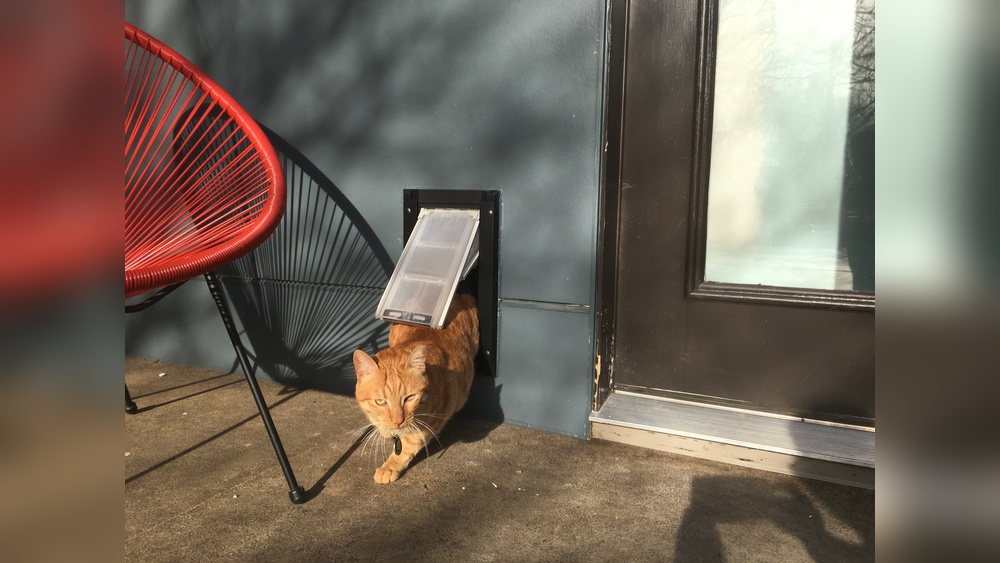
Manual flap doors are simple and common. They have a swinging flap that your cat pushes to go outside or inside. These doors are easy to install and cost less. They work well for cats who can use the flap without trouble. However, any animal can use them, which might not suit all homes.
Magnetic Doors
Magnetic doors use magnets to keep the flap closed. Your cat wears a magnetic collar key to open the door. This stops other animals from entering your home. Magnetic doors offer more security than manual flaps. They are a good choice if you want to keep stray animals out.
Electronic Doors
Electronic doors open only for your cat. Your cat wears a special collar with a signal. The door reads this signal and unlocks automatically. This type offers high security and convenience. It prevents unwanted animals from entering while giving your cat freedom.
Microchip Cat Doors
Microchip cat doors scan your cat’s implanted microchip. Only cats with registered chips can enter. This door type provides the best security. It also requires no collar for your cat to wear. Microchip doors are perfect for pet owners wanting full control over access.
Material Options
Choosing the right material for a cat door affects its durability and how well it fits your home. Each material offers different benefits and suits different needs. Understanding these options helps you pick the best door for your cat and your space.
Plastic Cat Doors
Plastic cat doors are lightweight and easy to install. They come in many styles and sizes to fit most doors or walls. Plastic resists water and dirt, making cleaning simple. These doors are often the most affordable choice. They may not be as strong as metal but work well for indoor use.
Aluminum Cat Doors
Aluminum doors are strong and last longer than plastic ones. They handle outdoor weather better, resisting rust and damage. These doors usually have better insulation to keep cold out. They cost more but offer good value for durability. Aluminum doors suit cats that go outside often.
Wooden Cat Doors
Wooden cat doors blend nicely with wooden doors or walls. They add a natural look and feel to your home. Wood is sturdy but needs more care to avoid weather damage. These doors may require sealing or painting to last longer. Wooden options fit well in homes with classic or rustic styles.
Installation Locations
Choosing the right spot to install a pet door is important. The location affects your cat’s comfort and safety. It also impacts how easy it is to install and use. Different places offer different benefits. Consider your home layout and your cat’s habits.
Wall-mounted Doors
Wall-mounted doors fit directly into an exterior wall. They give your cat direct access outside. These doors work well if you want a clear path without a door in the way. Installation may take more time because it needs cutting into the wall. They often provide better insulation from weather. Wall-mounted doors keep your home quieter by blocking outside noise.
Door-mounted Doors
Door-mounted doors attach to an existing door, usually a back or side door. They are easier to install than wall doors. These doors are a good choice if you want a simple setup. They work best on wooden or metal doors. Door-mounted options may not fit well on glass doors. They give your cat quick access without extra wall work.
Window-mounted Doors
Window-mounted doors are less common but useful in some homes. They fit into sliding windows or glass panels. This option avoids cutting walls or doors. It is good for homes with limited door access. Window-mounted doors may require specific window types. They can be a neat solution for apartments or condos.

Credit: kdfoundation.org
Security Features
Security features are very important for pet doors. They keep your cat safe and stop unwanted animals from entering your home. Good security also protects your house from intruders. Choosing a pet door with strong security helps you feel calm and worry less.
Locking Mechanisms
Locking mechanisms let you control when your cat can go outside. Some doors have manual locks you open or close by hand. Others come with automatic locks that work on a timer or sensor. These locks stop other animals or people from using the door. A strong lock is simple to use and hard to break.
Selective Entry Systems
Selective entry systems allow only your cat to use the door. These systems use special tags or microchips on your cat’s collar. The door reads the tag and opens only for your pet. This stops stray cats and other animals from getting inside. Selective entry adds an extra layer of safety to your home.
Energy Efficiency
Energy efficiency matters when choosing a pet door for your cat. A door that saves energy helps keep your home warm in winter and cool in summer. This saves money on heating and cooling bills. It also keeps your house comfortable for your family and pets.
Cat doors can let cold air or hot air inside. This makes your heater or air conditioner work harder. Choosing the right door and using extra steps can stop this problem. The key is to block drafts and keep heat inside.
Weatherproofing Tips
Seal around the pet door to stop air leaks. Use weatherstripping or foam tape around the edges. Check for gaps where air can enter. Close the flap tightly after your cat passes through. A magnetic flap can help seal the door shut. Install a storm guard or cover on the outside for extra protection. These small changes keep your home temperature steady.
Insulation Options
Choose pet doors with built-in insulation. Double flaps or thick plastic help block cold or heat. Some doors have foam-filled panels for better insulation. Add a draft stopper to the bottom of the door. Insulated pet doors reduce energy loss and save money. Look for doors labeled as energy-efficient or insulated for best results.
Size And Fit
Choosing the right size and fit for a cat door is important. A door too small can hurt your cat or stop them from using it. A door too big may not keep your home safe from other animals. Getting the correct size helps your cat move freely and stay secure.
Measuring Your Cat
Start by measuring your cat’s width and height. Measure the widest part of the body. Usually, this is across the shoulders. Also, measure the height from the floor to the top of the shoulders. Use a soft tape measure for accuracy. Measure your cat while standing and relaxed.
Choosing The Right Door Size
Pick a door slightly bigger than your cat’s size. Leave extra space for comfort and easy movement. About two inches wider and taller than your cat works well. Check the door’s flap size before buying. Ensure your cat can enter and exit without squeezing.
Budget Considerations
Choosing the right pet door for your cat depends a lot on your budget. Some doors cost less but still work well. Others offer extra features but come with a higher price. Understanding your budget helps pick the best option for your home and pet.
Affordable Options
Basic cat doors are easy on the wallet. They often have simple flaps your cat can push open. These doors fit most doors or walls without extra tools. They keep your cat safe while letting fresh air in. Many affordable models last for years.
Look for doors made from strong plastic or lightweight metal. These materials resist wear and tear. Some models include magnetic flaps that close quietly. These keep bugs out and stop drafts. Affordable doors suit cats who go in and out freely.
Premium Features Worth Paying For
Some pet doors cost more but add useful features. Electronic doors open only for your cat’s microchip or collar tag. This stops stray animals from entering. Other doors have weather seals that block cold air well.
High-end doors may include locking options. These let you control when your cat goes outside. Some models have sensors that track your cat’s activity. These features offer extra safety and convenience.
Investing in premium doors makes sense if you want more control. These doors also tend to be more durable. They suit cats who need protection or live in busy areas.
Maintenance And Durability
Choosing the right pet door for your cat means thinking about maintenance and durability. A door that is easy to clean and lasts long saves time and money. It keeps your home safe and your cat happy. Understanding how to care for the door helps it stay in good shape.
Cleaning Tips
Clean the pet door regularly to avoid dirt buildup. Wipe the flap with a damp cloth to remove dust and grime. Use mild soap if the door is very dirty. Avoid harsh chemicals that may harm your cat or damage the door. Check the edges and hinges for stuck dirt. Clean these areas carefully to ensure smooth operation. Dry the door well after cleaning to prevent rust or mold.
Material Longevity
Choose a door made from strong materials like heavy-duty plastic or metal. These resist wear and tear from constant use. Plastic doors are lightweight and easy to clean but may crack over time. Metal doors are durable and often weatherproof. Look for UV-resistant materials if your door faces the sun. A durable door withstands your cat’s scratches and outdoor elements. Investing in a sturdy door means fewer repairs or replacements.
Popular Brands
Choosing the right pet door for your cat means picking a trusted brand. Popular brands offer reliable products made with quality materials. These brands often provide features that keep your cat safe and comfortable. Many cat owners trust these brands for durability and ease of use. You can find different styles, sizes, and technologies to suit your needs.
Top Rated Cat Doors
Top rated cat doors have high customer ratings and positive reviews. Brands like PetSafe, Cat Mate, and SureFlap lead the market. PetSafe doors often include electronic locking systems to keep unwanted animals out. Cat Mate offers energy-efficient options with strong magnetic flaps. SureFlap uses microchip technology to allow only your cat inside. These brands focus on safety and convenience. Their doors work well in various weather conditions.
Customer Favorites
Customer favorites combine quality, price, and ease of installation. Many cat owners prefer doors that fit easily into walls or doors. The Ideal Pet Products cat door is popular for its simple design. It offers a clear flap and easy locking features. PetSafe’s Freedom Aluminum Door is known for durability and weather resistance. Customers value doors that reduce drafts and noise. These brands listen to pet owners and improve their products regularly.

Credit: www.esseg.eu
Frequently Asked Questions
What Types Of Pet Doors Are Best For Cats?
The best pet doors for cats include flap, magnetic, and electronic models. Choose based on your cat’s size, safety, and your home’s security needs.
How Do Electronic Cat Doors Improve Safety?
Electronic cat doors use microchip or collar sensors. They allow only your cat to enter, preventing unwanted animals from coming inside.
Are Magnetic Cat Doors Effective For Small Cats?
Yes, magnetic cat doors work well for small cats. They keep other animals out while being easy for cats to push open.
Can Pet Doors Be Installed In Any Door Type?
Most pet doors fit doors, walls, or windows. Check manufacturer guidelines to ensure compatibility with your specific door type.
Conclusion
Choosing the right pet door helps keep your cat happy and safe. Consider your cat’s size and habits before buying. Look for doors that block weather and keep out other animals. Simple designs often work best for cats. Easy installation saves time and effort.
A good pet door gives your cat freedom to explore. It also keeps your home comfortable. Think about your budget and needs carefully. A well-chosen door makes life better for both you and your cat. Small steps lead to big comfort and peace.