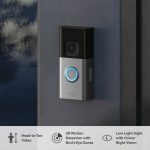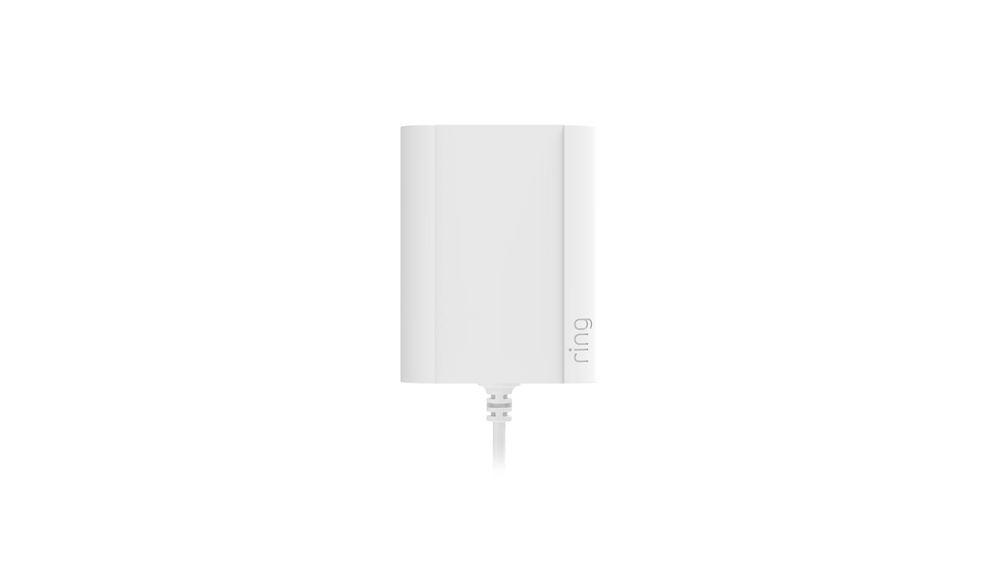

Have you ever wondered what keeps your video doorbell running smoothly? Understanding what powers your video doorbell is key to making sure it always works when you need it most.
Whether you want clear video at all times or reliable alerts on your phone, knowing the power source behind your device can save you from unexpected surprises. You’ll discover the different ways video doorbells get their energy and how that affects their performance.
By the end, you’ll feel confident choosing and maintaining the right power setup for your home security. Keep reading to unlock the secrets behind what powers your video doorbell.
Credit: www.ohmkat.com
Types Of Power Sources
Video doorbells need power to work properly. Different types of power sources keep these devices running. Each type has its own benefits and limits. Understanding these can help choose the right doorbell for any home.
Battery-powered Doorbells
Battery-powered video doorbells offer easy installation. They do not need wires or extra tools. Batteries can last from a few months to over a year. Users must recharge or replace batteries to keep the doorbell active. This type works well in homes without existing doorbell wiring.
Wired Doorbells
Wired video doorbells connect to a home’s electrical system. They provide constant power without battery changes. Installation may require professional help to link wires correctly. These doorbells often support more features due to steady power. They suit homes with existing doorbell wiring.
Solar-powered Options
Solar-powered video doorbells use sunlight to charge. They have small solar panels attached to the device. This type reduces the need for battery replacements or wiring. Solar power works best in sunny areas. It offers an eco-friendly and low-maintenance solution.
Battery Technology
Battery technology plays a key role in the performance of video doorbells. It determines how long the device can operate without needing a recharge or replacement. Understanding different battery types helps you choose the right doorbell for your needs.
Rechargeable Vs Disposable Batteries
Video doorbells mostly use rechargeable batteries. These batteries can be charged many times, reducing waste and cost. Disposable batteries are less common and need replacing after they drain. Rechargeable batteries offer convenience and eco-friendliness. Disposable ones may suit areas without easy access to power.
Battery Life Expectations
Battery life depends on usage and device features. Most video doorbells last from six months to a year on a full charge. Frequent motion alerts or video streaming shorten battery life. Lower usage can extend the time between charges. Check product details to match battery life with your lifestyle.
Charging Methods
Rechargeable video doorbells charge through USB cables or removable battery packs. Some models allow charging without removing the battery. Others require you to take out the battery for charging. Solar-powered options exist but are less common. Choose a charging method that fits your home setup.
Wired Doorbell Systems
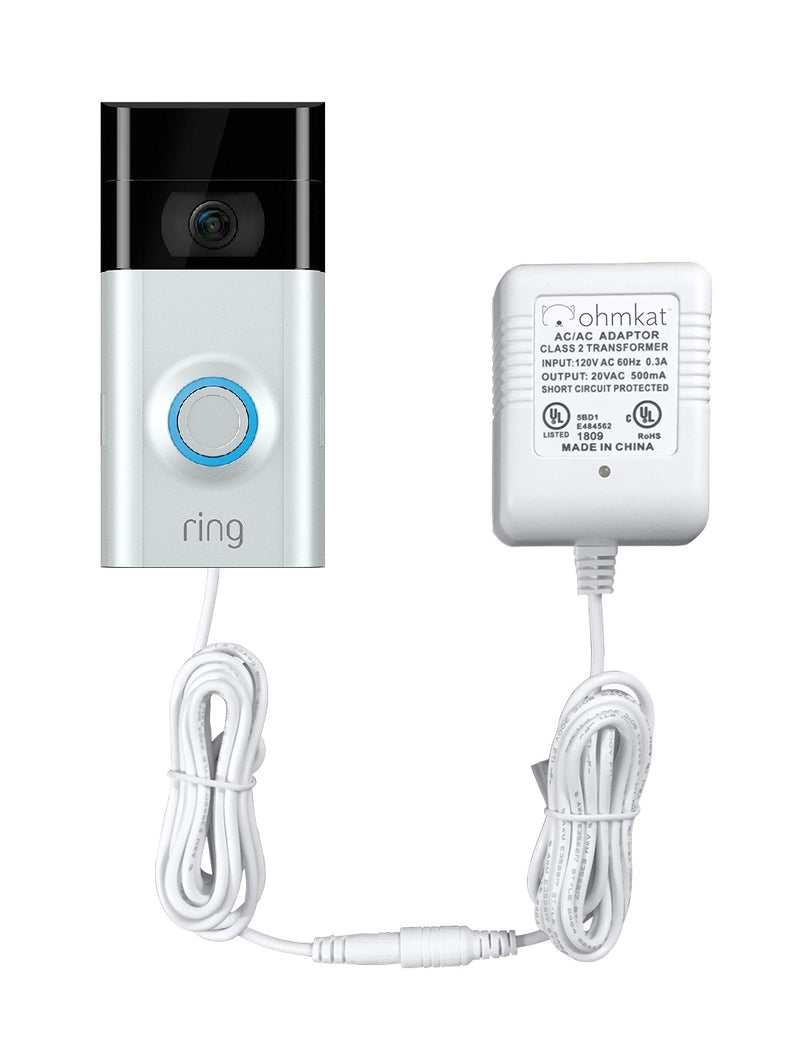
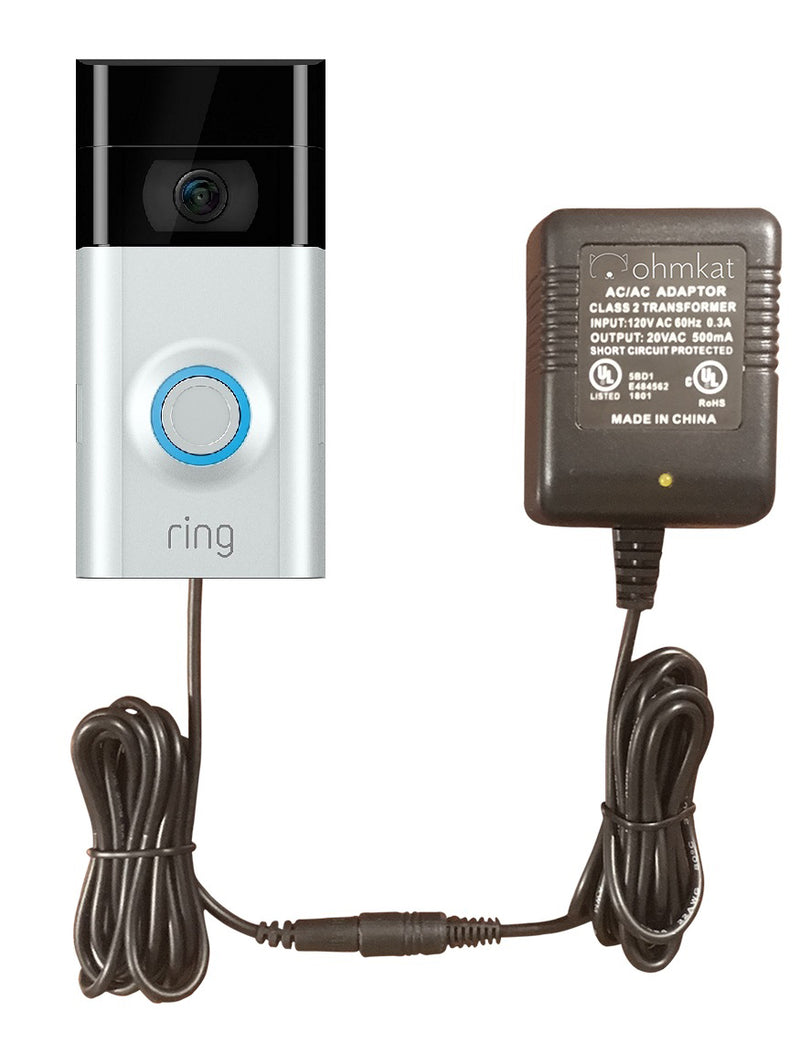
Wired doorbell systems are a popular choice for powering video doorbells. They connect directly to a home’s electrical wiring, providing a steady power supply. This setup allows the doorbell to work without needing frequent battery changes. Wired systems are reliable and support continuous video streaming and alerts.
Connection To Home Electrical Wiring
Wired video doorbells connect to existing doorbell wires inside the home. These wires are usually low voltage and run from the doorbell button to the chime unit. The video doorbell uses this wiring to draw power. This connection keeps the device powered at all times.
Voltage Requirements
Most wired doorbell systems need a transformer to lower home voltage. The transformer reduces 120V or 240V from the home to 16-24 volts. This low voltage is safe for doorbell electronics. Check your video doorbell’s manual for exact voltage needs. Using the right voltage avoids damage and ensures proper operation.
Installation Considerations
Installing a wired video doorbell may require basic electrical work. Turn off power at the circuit breaker before starting. Verify the existing doorbell wiring is in good condition. Some homes may need a new transformer or wiring upgrade. Follow manufacturer instructions carefully for safe installation. Professional help may be needed for complex setups.

Credit: www.amazon.com
Solar Energy Integration
Solar energy integration is a growing trend in powering video doorbells. It uses sunlight to keep doorbells running without frequent battery changes. This option helps save energy and reduces maintenance efforts. Many new video doorbells come with solar panel attachments or built-in solar cells.
How Solar Panels Work With Doorbells
Solar panels capture sunlight and turn it into electrical energy. This energy charges the doorbell’s battery during the day. The battery stores power to keep the doorbell working at night or on cloudy days. Solar panels are usually small and attach near the doorbell for direct sunlight. The system automatically manages power to keep the doorbell active.
Advantages And Limitations
Solar energy offers free, clean power for video doorbells. It reduces the need to replace or recharge batteries often. Solar panels also make doorbell installation easier without wiring. Limits include less power during cloudy or short daylight days. Some solar panels might not fit all doorbell models. A shaded location can reduce solar charging efficiency.
Best Conditions For Solar Power
Solar-powered doorbells work best in areas with strong sunlight. South-facing spots receive more sun and charge faster. Avoid placing solar panels near trees or tall buildings. Open spaces without shade improve solar panel performance. Regular cleaning of panels keeps them efficient. Bright, sunny weather helps maintain a steady power supply.
Energy Efficiency Features
Video doorbells use smart energy-saving features to reduce power use. These features help the device run longer on battery or use less electricity when plugged in. Energy efficiency keeps the doorbell ready and reduces the need for frequent charging or high electricity bills.
Motion Sensors And Power Saving
Motion sensors detect movement near your door. The doorbell stays inactive until it senses motion. This saves energy by only turning on the camera and alerts when needed. The device uses less power during quiet times.
Sleep Modes And Standby Consumption
Sleep mode lets the doorbell rest when not in use. It lowers power use but stays alert for activity. Standby consumption is minimal, meaning the doorbell uses very little energy while waiting. This helps extend battery life and reduce electricity use.
Optimizing Battery Life
Setting the doorbell to use energy-saving modes improves battery life. Adjusting motion sensitivity cuts unnecessary alerts and saves power. Regular updates from the manufacturer also improve energy use. Simple steps keep your doorbell working longer between charges.
Choosing The Right Power Source
Choosing the right power source for your video doorbell affects its performance and ease of use. Different setups need different power options. Understanding these options helps you pick what works best for your home. Consider your house wiring, how often you want to maintain the device, and the costs involved. These factors guide you to the best choice.
Evaluating Home Setup
Check your home’s existing wiring before choosing a power source. Some video doorbells connect to your doorbell wiring. Others work with batteries. Look for a power supply near your front door. A wired connection gives constant power. Battery-powered models need charging or battery changes. Know your home’s wiring limits and choose accordingly.
Balancing Convenience And Maintenance
Wired video doorbells require little upkeep once installed. No need to change batteries often. Battery-powered doorbells offer easy installation without wires. But batteries must be charged or replaced regularly. Think about how much effort you want to spend on maintenance. Choose a power source that fits your lifestyle.
Cost Implications
Wired doorbells may need professional installation, adding to cost. Battery models cost more upfront but save on installation. Batteries add ongoing expense. Consider long-term costs, including electricity and battery replacements. Decide what fits your budget for both installation and upkeep.
Future Trends In Doorbell Power
The future of video doorbells is tied closely to how they get power. New trends aim to make these devices last longer and work smarter. Power solutions are evolving to meet growing user needs and eco-friendly goals. This section explores key future trends in doorbell power.
Advances In Battery Technology
Batteries will become smaller but hold more energy. This means video doorbells can run longer between charges. New materials will help batteries charge faster and last through many cycles. These improvements reduce the need to replace batteries often. Users will enjoy longer use and less hassle.
Smart Energy Management
Video doorbells will use energy more wisely. Smart systems will adjust power use based on activity and time of day. For example, the doorbell may lower power when no one is nearby. This saves battery life and keeps the device ready when needed. Smart energy management means better performance with less energy waste.
Integration With Home Energy Systems
Future doorbells may connect with home solar panels or batteries. This allows the doorbell to use clean energy from the house. It also helps keep the doorbell powered during outages. Integration with home energy systems creates a reliable and eco-friendly power source. This trend supports smarter, greener homes.
Credit: www.ohmkat.com
Frequently Asked Questions
What Powers A Video Doorbell?
A video doorbell is powered by batteries or wired electricity. Battery models offer easy installation. Wired versions connect to existing doorbell wiring for continuous power.
How Long Do Video Doorbell Batteries Last?
Battery life varies by usage and model. Typically, batteries last between six months to a year before needing replacement or recharge.
Can Video Doorbells Work Without Wi-fi?
No, video doorbells require Wi-Fi to stream video and send notifications. Without Wi-Fi, you lose remote access and real-time alerts.
Do Wired Video Doorbells Need Professional Installation?
Wired video doorbells often require professional installation to connect to existing doorbell wiring safely. However, some DIY-savvy users can install them themselves.
Conclusion
Video doorbells need power to work properly. They often use batteries or connect to home wiring. Some models rely on rechargeable batteries. Others use low voltage from existing doorbell wires. Power helps cameras, microphones, and Wi-Fi stay active. Without power, these features won’t function.
Choosing the right power source keeps your doorbell ready. It also ensures clear video and quick alerts. Understanding what powers your device helps you maintain it well. Simple steps can keep your video doorbell running smoothly every day.