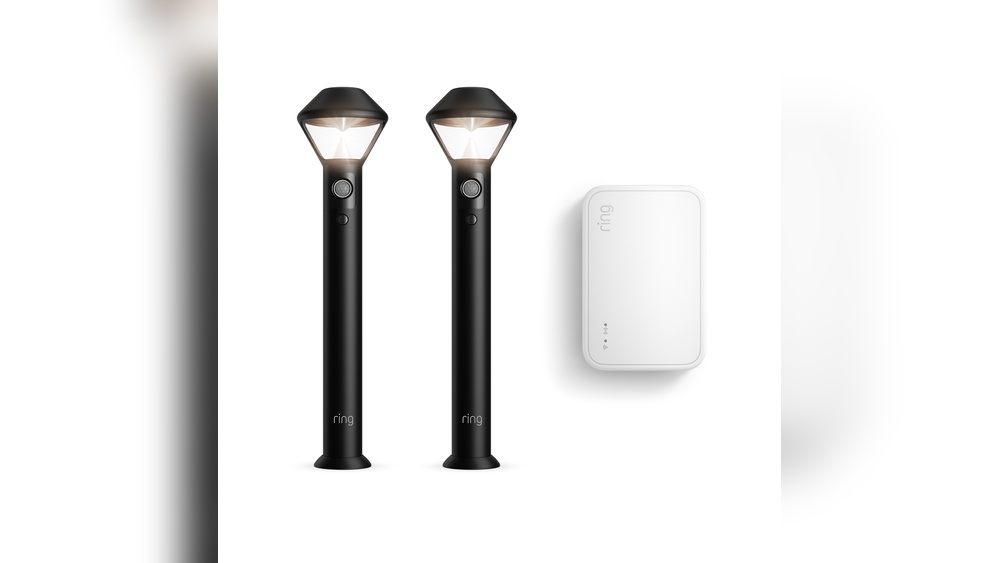

Are you tired of your Smart Thing motion sensor turning on lights or triggering alerts at the wrong time? Sometimes, you just want control over when it works and when it doesn’t.
Disabling your motion sensor might be the simple fix you need to stop unwanted notifications or save battery life. In this guide, you’ll learn exactly how to turn off your Smart Thing motion sensor quickly and easily. Keep reading to take back control and make your smart home work the way you want.
Credit: ring.com
Preparing To Disable The Sensor
Before you disable the Smart Thing motion sensor, some preparation is important. This helps avoid problems during the process. It also ensures you keep useful settings safe. Take time to get ready. Follow these steps carefully.
Check Device Compatibility
Make sure your Smart Thing motion sensor works with your system. Some models may not support disabling. Check the user manual or the manufacturer’s website. Confirm your device version matches the instructions.
Gather Necessary Tools
Collect all tools needed to disable the sensor. This might include a smartphone, the Smart Things app, or a small screwdriver. Having tools ready saves time and prevents frustration.
Backup Sensor Settings
Save your current sensor settings before disabling. Use the Smart Things app to export or note down configurations. This helps restore settings if you want to enable the sensor again later.
Credit: www.skygroup.sky
Disabling Via Smartthings App
Disabling the SmartThings motion sensor is simple using the SmartThings app. This method lets you control the sensor without touching the device. The app offers options to pause motion detection or remove the sensor completely. Follow the steps below to manage your sensor easily.
Accessing The Sensor Settings
Open the SmartThings app on your smartphone. Tap on the Devices tab at the bottom. Find your motion sensor in the list and tap on it. This opens the sensor’s control panel. Look for the settings icon or menu to access detailed options.
Turning Off Motion Detection
Inside the sensor settings, find the Motion Detection option. Toggle the switch to turn off motion detection. This stops the sensor from detecting movement. The sensor stays connected but won’t send alerts or trigger automations. You can turn it back on anytime.
Removing The Sensor From The Network
To remove the sensor completely, go back to its settings. Scroll down and find the Remove Device option. Confirm the removal when prompted. This deletes the sensor from your SmartThings network. The sensor stops working with your system and must be added again to use.
Disabling The Sensor Manually
Disabling the Smart Thing motion sensor manually is a straightforward process. It helps to stop the sensor from detecting movement without affecting other connected devices. This method is useful when you want to save battery or temporarily pause its activity.
Follow a simple step-by-step guide to turn off the sensor safely. It involves finding the device, powering it down, and removing the batteries. Each step is easy to do and requires no special tools.
Locating The Sensor
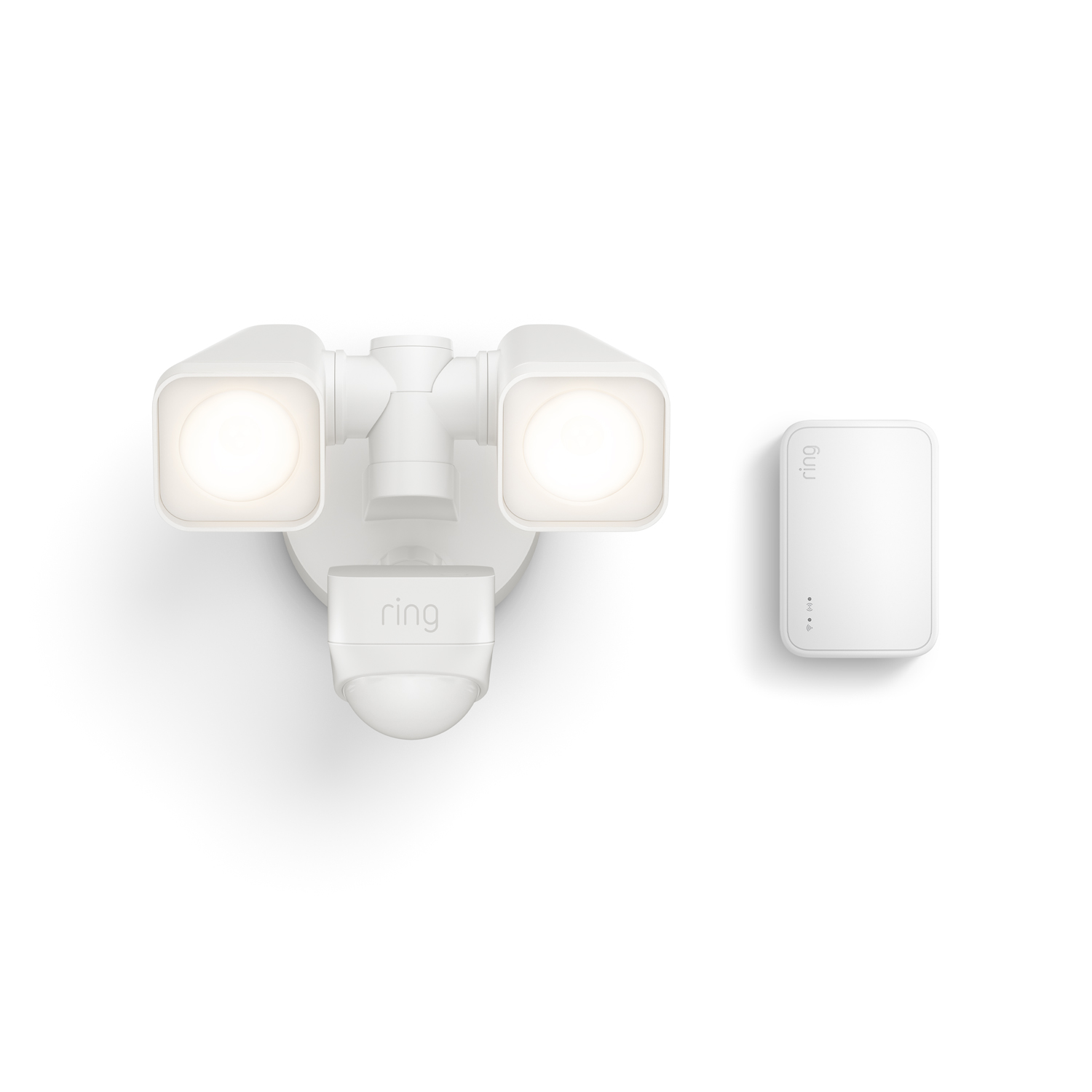
First, find where the motion sensor is installed in your home. It is usually mounted on walls or ceilings, near entrances or hallways. Look for a small device with a lens on the front. Check the app if you are unsure about its exact location.
Powering Down The Device
Once located, turn off the sensor to stop it from working. Some models have a power button on the back or side. Press and hold it until the light turns off. If no button is present, proceed to remove the batteries to power it down.
Removing Batteries Safely
To remove the batteries, gently open the sensor’s cover. Use a small screwdriver if needed. Take out the batteries carefully without damaging them. Store the batteries in a cool, dry place if you plan to reuse them. This prevents accidental power and keeps the sensor off.
Troubleshooting Common Issues
Troubleshooting common problems can help you disable the Smart Things motion sensor smoothly. Some issues may stop the sensor from turning off properly. Others might affect the app’s control over the device. Understanding these problems makes it easier to fix them fast.
Below are common issues and simple steps to resolve them. Follow these tips to ensure your motion sensor works as you want it to.
Sensor Still Detecting Motion
The sensor may keep detecting motion after disabling it. This can happen due to a delay in the sensor’s response. Try restarting the sensor by removing the batteries for 10 seconds and putting them back. Check if the sensor is placed near heat sources or moving objects. Move it to a better spot if needed. This helps reduce false motion detection.
App Not Responding
The Smart Things app may freeze or not respond when you try to disable the sensor. Close the app fully and reopen it. Restart your phone to clear any temporary glitches. Make sure your app and phone software are up to date. A slow internet connection can also cause delays. Switch to a stronger Wi-Fi or mobile data network for better performance.
Re-adding The Sensor Later
You may want to re-add the sensor after disabling it. First, reset the sensor to factory settings by pressing the reset button. Open the Smart Things app and select “Add Device.” Follow the instructions to pair the sensor again. Ensure the sensor is close to your hub or phone during this process. This guarantees a smooth and quick connection.
Tips For Managing Multiple Sensors
Managing multiple Smart Thing motion sensors can be tricky. Each sensor might need different settings depending on where it is placed. Proper management helps save battery life and reduces false alerts. It also keeps your smart home running smoothly. Use these tips to handle many sensors easily and efficiently.
Group Control Settings
Grouping sensors allows you to control many at once. You can turn off or on several sensors with one command. This saves time and avoids confusion. Set groups based on rooms or zones. Adjust settings like sensitivity or alerts for the whole group.
Check your Smart Thing app for group control options. Use them to disable sensors during specific activities. For example, turn off all sensors in the living room when you watch TV. Group control keeps your smart system simple and organized.
Scheduling Sensor Activity
Scheduling lets you set times for sensors to be active or inactive. This helps avoid unnecessary alerts at night or when you are home. Use the app to create schedules for each sensor or group. Set sensors to disable during work hours or sleep time.
Schedules improve battery life by reducing sensor use. They also prevent constant notifications from sensors that are not needed all day. Make sure to review and update schedules as your routine changes.

Credit: www.reddit.com
Frequently Asked Questions
How Do I Turn Off The Smart Thing Motion Sensor?
To disable the Smart Thing motion sensor, open the SmartThings app. Select your device, go to settings, and toggle off motion detection. This stops the sensor from detecting movement and sending alerts.
Can I Disable Motion Detection Temporarily?
Yes, you can temporarily disable motion detection via the SmartThings app. Simply access the sensor settings and turn off motion alerts. Reactivate it anytime by toggling the option back on.
Will Disabling The Sensor Affect Other Smartthings Devices?
Disabling the motion sensor only stops its motion detection. Other SmartThings devices will continue working normally. This change does not impact your entire smart home system.
How To Disable Smart Thing Motion Sensor Without Uninstalling?
You can disable the sensor by turning off motion detection in its settings. There’s no need to uninstall the device. This method keeps the sensor connected but inactive.
Conclusion
Disabling the Smart Thing motion sensor is simple and quick. Follow the steps carefully to avoid any mistakes. You can control your sensor settings anytime you want. This helps save battery life and reduce false alerts. Remember to check your device regularly for updates.
Managing your smart home devices gives you more comfort and control. Keep your setup working smoothly by adjusting sensors as needed. Stay confident in handling your Smart Thing motion sensor.