
Have you ever looked at the hair your pet sheds and thought, “Is there a better use for this?” What if you could turn that fluff into something beautiful and useful—a cozy rug made from your pet’s own hair? Imagine creating a unique piece that not only showcases your love for your furry friend but also adds a personal touch to your home.
In this guide, you’ll discover simple, step-by-step directions that make the process easy and enjoyable. Keep reading, and you’ll be amazed at how your pet’s hair can transform into a warm, one-of-a-kind rug you’ll cherish for years.
Gathering Pet Hair
Gathering pet hair is the first step to making a rug from your furry friend’s fur. Collecting clean, good-quality hair ensures a soft and durable rug. This process takes patience and care. The better the hair, the better the final product.
Best Sources For Pet Hair
Pet hair comes from many places. Brushing your pet is the easiest and most common method. Hair from grooming sessions works well. Check your vacuum cleaner’s bag or filter for extra hair. Bedding and favorite resting spots also hold loose fur. Collect hair regularly to have enough for your rug.
Collecting Techniques
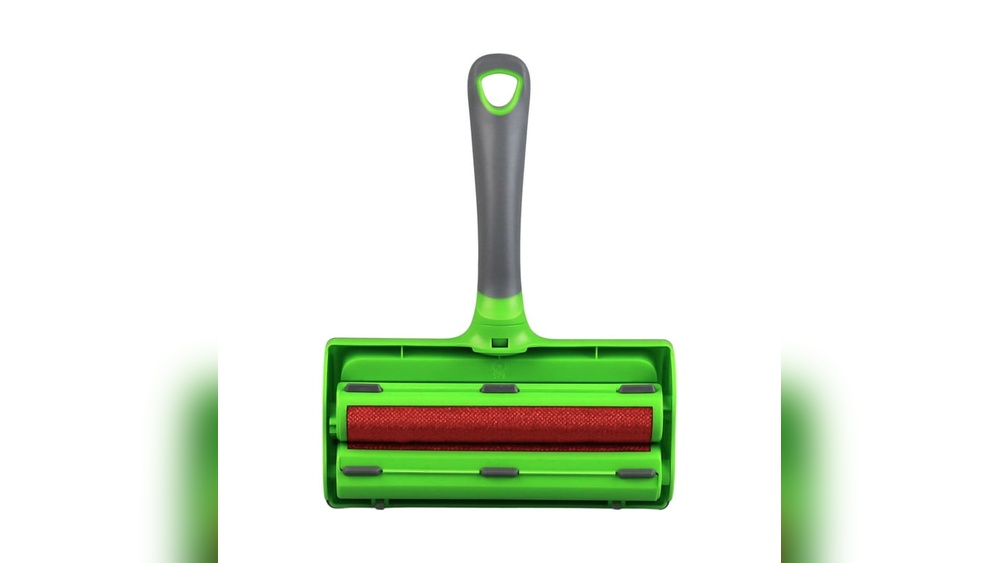
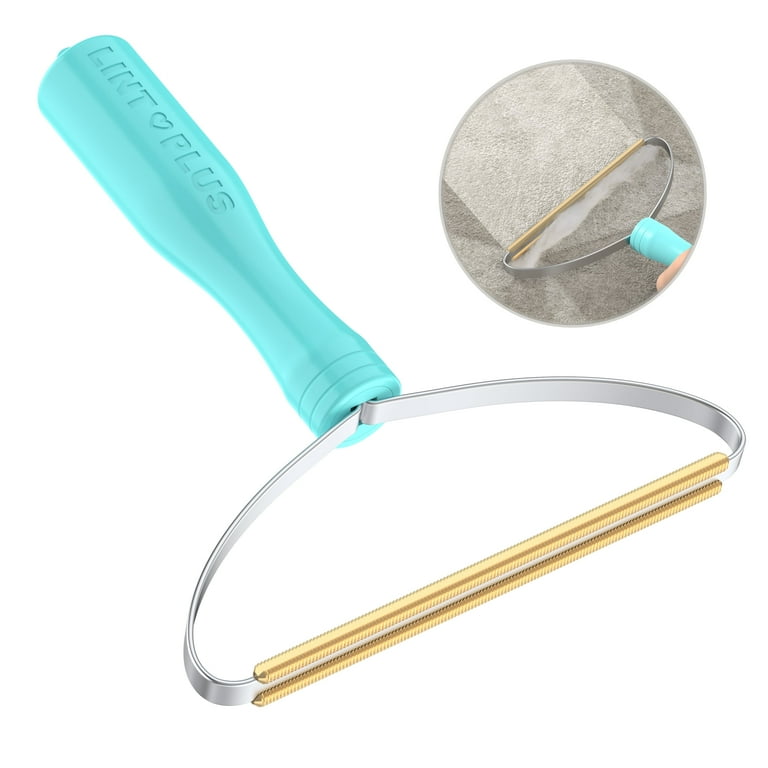
Use a fine-toothed comb or brush to gather hair. Brush in the direction of hair growth to avoid discomfort. Collect hair gently to keep it soft and smooth. Use a lint roller on clothes or furniture for stray hairs. Store hair in a clean container or bag until ready to use.
Cleaning The Hair
Clean hair before using it in your rug. Wash hair with mild soap and warm water. Rinse well to remove all soap. Let hair dry completely to avoid mold or smell. Comb hair again to remove any dirt or debris. Clean hair makes a fresher, nicer rug.

Credit: www.amazon.com
Preparing The Hair
Preparing the hair is the first step in making a rug from pet hair. This stage ensures the hair is clean, smooth, and ready to be transformed into a beautiful rug. Proper preparation makes the crafting process easier and improves the final product’s quality.
Sorting And Combing
Start by sorting the hair by length and texture. Separate thick and thin strands to get an even look. Use a wide-tooth comb to gently remove tangles. Combing aligns the fibers, making them easier to work with later.
Removing Debris
Check the hair carefully for dirt, leaves, or small twigs. Use your fingers or a fine-tooth comb to pick out any debris. Clean hair is essential for a soft and smooth rug. This step helps avoid bumps and rough spots.
Blending With Other Fibers
Mix pet hair with wool or other natural fibers for strength. Blending creates a durable and flexible rug. Use your hands or a carding tool to mix the fibers evenly. This step adds texture and makes the rug last longer.
Tools And Materials Needed
Making a rug from pet hair is a creative and rewarding craft. It requires some basic tools and materials. These items help turn soft pet hair into a sturdy, beautiful rug. Gather everything before you start to make the process smooth and fun.
Essential Tools
First, you need a carding brush or comb. It helps clean and align the pet hair fibers. Next, a felting needle is important for binding the hair together. A foam pad or felting mat protects your work surface and the needles. Scissors come in handy for trimming loose fibers. Lastly, gloves can protect your hands during the felting process.
Optional Supplies
You may use a spinning wheel or drop spindle to twist the hair into yarn. Some prefer a loom or frame to shape the rug. A spray bottle with water can help dampen the hair for easier felting. Fabric glue or backing material can add extra strength to the finished rug. Optional tools make the work easier but are not necessary.
Work Space Setup
Choose a clean, flat surface to work on. Good lighting helps you see fine details clearly. Keep all tools and materials within reach. Use a chair that supports good posture. Cover the area with newspaper or cloth to catch stray hairs. A tidy space improves focus and keeps your project neat.

Credit: www.amazon.com
Creating The Base
Creating the base is the first step in making a rug from pet hair. It forms the strong foundation that holds the fibers. A good base makes the rug durable and neat. This part needs care and patience. Follow clear steps to build your rug’s base properly.
Choosing The Rug Foundation
Select a sturdy foundation for your rug. Common options include burlap, canvas, or a woven mat. The base should hold the hair tightly. It must be easy to work on and strong enough to last. Pick a material that fits your rug size and style.
Attaching Hair To Base
Start by gathering clean pet hair. Spread it evenly on the base surface. Use a needle or hook to push the hair into the fabric. Work in small sections for better control. Keep the fibers close to avoid gaps. Attach the hair firmly but gently.
Securing The Fibers
Secure the pet hair using thread or glue. Stitch around the edges to lock the hair in place. Use a strong thread that matches the base color. For extra hold, apply fabric glue sparingly. Let the glue dry fully before moving the rug. This step keeps the fibers from falling out.
Techniques For Rug Making
Making a rug from pet hair is a creative way to reuse natural fibers. Several techniques can turn soft pet hair into a strong and beautiful rug. These methods suit different skill levels and tools. Each technique creates a unique texture and style. Choose the one that fits your project and patience.
Below are three popular ways to craft rugs from pet hair: felting, weaving, and knitting or crocheting.
Felting Method
Felting uses heat, moisture, and pressure to bind pet hair fibers. Start by layering the hair evenly. Add warm water and a little soap. Rub or roll the hair to make fibers mesh tightly. This process creates a dense, thick fabric. Felted rugs are soft, durable, and hold their shape well.
Weaving Method
Weaving involves interlacing pet hair threads on a loom. First, spin the hair into yarn. Set up the loom with warp threads. Pass the pet hair yarn over and under the warp. This method builds strong and flat rugs. Weaving allows for creative patterns and colors from mixed fibers.
Knitting And Crocheting
Knitting and crocheting use loops to form fabric from pet hair yarn. Spin the hair tightly into yarn first. Use knitting needles or a crochet hook to create loops. This technique makes flexible and thick rugs. Patterns vary from simple to complex, giving many design options.
Credit: www.walmart.com
Shaping And Designing
Shaping and designing your rug from pet hair is a fun and creative part of the process. It turns loose fibers into a beautiful, useful item. This step lets you personalize the rug’s look and feel.
You can make simple shapes or complex designs. The key is to plan the pattern and colors before starting. This way, your rug will look neat and attractive.
Pattern Ideas
Try basic shapes like circles, squares, or stripes for a clean look. Nature-inspired patterns, such as leaves or flowers, add charm. Geometric shapes create a modern style. You can also use pet hair to make abstract or freeform designs. Pick a pattern that fits your space and taste.
Color Blending Tips
Mix different pet hair colors to create soft blends. Start with light colors and add darker shades gradually. Use small amounts of hair to blend edges smoothly. Avoid harsh lines by overlapping fibers gently. This technique adds depth and interest to your rug’s design.
Trimming And Finishing
Once the design is complete, trim loose fibers carefully. Use sharp scissors to shape the edges evenly. Check the rug for any thin spots and add more hair if needed. Brush the surface lightly to smooth the texture. A clean finish makes your rug look professional and tidy.
Care And Maintenance
Caring for a rug made from pet hair helps keep it soft and strong. Proper care stops dirt buildup and damage. It also makes the rug last longer. Follow easy steps for cleaning, fixing, and preserving your special rug.
Cleaning Tips
Use a gentle vacuum with low suction to remove dust. Avoid harsh brushes that can pull fibers out. Spot clean stains quickly with mild soap and water. Let the rug air dry completely after cleaning. Do not use bleach or strong chemicals.
Repairing Damage
Check for loose or pulled fibers often. Use a small needle to tuck loose hairs back in. For holes, patch with extra pet hair and needle felt it in place. Avoid heavy pulling or stretching, which can tear the rug. Fix small issues early to prevent bigger damage.
Longevity Advice
Keep the rug away from direct sunlight to prevent fading. Rotate the rug regularly to spread wear evenly. Store in a cool, dry place when not in use. Avoid placing heavy furniture on the rug. Clean and repair regularly to keep it looking fresh and soft.
Creative Uses For Pet Hair Rugs
Pet hair rugs are a unique way to treasure your furry friend. These rugs capture memories and add warmth to your home. They offer creative uses that blend style and sentiment. Beyond just floor coverings, pet hair rugs bring personality and charm.
Decor Ideas
Pet hair rugs can brighten any room with a cozy touch. Use them as a centerpiece in living rooms or bedrooms. Small rugs work well as doormats or chair covers. Their natural colors fit many decor styles. They create a soft, inviting space for guests and pets alike.
Gift Options
Pet hair rugs make thoughtful gifts for pet lovers. They show care and creativity in one item. Custom rugs with a pet’s hair feel personal and warm. Perfect for birthdays, holidays, or special occasions. A gift that keeps memories alive and close.
Eco-friendly Benefits
Making rugs from pet hair reduces waste and helps the planet. It reuses a natural material that often gets thrown away. This process lowers the need for synthetic fibers. Eco-friendly rugs support sustainable living and green choices. A smart way to protect nature and celebrate pets.
Frequently Asked Questions
How Do You Prepare Pet Hair For Rug Making?
Collect clean pet hair and remove debris. Wash it gently with mild soap. Dry completely before use to avoid mold. Card or comb the hair to align fibers for easier weaving or felting.
What Techniques Work Best For Making Pet Hair Rugs?
Felting and weaving are common methods. Felting binds fibers through heat and moisture. Weaving interlaces hair strands on a loom. Choose a technique based on your skill and rug style preference.
Can All Pet Hair Types Be Used For Rugs?
Most pet hair can be used, but longer, thicker hair works best. Cats, dogs, rabbits, and other pets with dense undercoats provide good fiber. Avoid hair with heavy oils or dirt for better results.
How Durable Are Rugs Made From Pet Hair?
Pet hair rugs are generally durable if properly felted or tightly woven. They can last several years with gentle care. Regular cleaning and avoiding heavy foot traffic help maintain their quality.
Conclusion
Making a rug from pet hair is a creative and eco-friendly idea. It turns shed hair into something useful and beautiful. The process takes patience but offers great satisfaction. You can personalize your rug with colors and shapes. This craft helps reduce waste and saves money on materials.
Try small projects first to practice your skills. Enjoy the unique texture and warmth your pet’s hair brings. Give this simple craft a chance to brighten your home.