
Are your 5V LED string lights not shining as bright as you want? Maybe you need to adjust the voltage to get the perfect glow.
Changing the voltage can seem tricky, but it doesn’t have to be. In this guide, you’ll learn simple steps to safely and effectively change the voltage on your 5V LED string lights. By the end, you’ll know exactly how to make your lights work better for your space.
Ready to brighten up your setup? Let’s dive in!
Choosing The Right Power Source
Choosing the right power source is important for your 5V LED string lights. Using the correct power helps the lights work well and last longer. It keeps the lights safe from damage. This section explains how to pick the best power source for your LED string lights.
Understanding Voltage Requirements
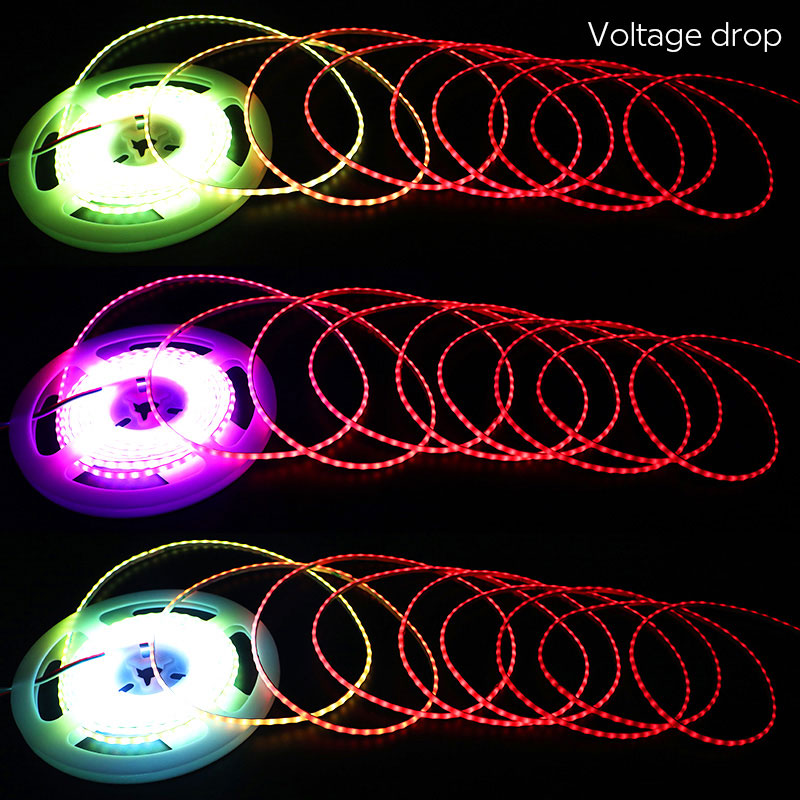
LED string lights need a specific voltage to work properly. Most 5V LED lights need exactly 5 volts to shine bright. Too much voltage can burn the LEDs. Too little voltage makes them dim or flicker. Check the label on your LED string lights. It shows the voltage needed. Use a power source that matches this voltage.
Selecting Compatible Adapters
Adapters change electricity from your outlet to the right power for your lights. Choose an adapter that outputs 5 volts. It should also supply enough current (measured in amps). The adapter must match or exceed the current your LED lights need. Using a weak adapter can cause flickering or damage. A strong adapter keeps your lights steady and safe.
Credit: www.superlightingled.com
Tools And Materials Needed
Changing the voltage on a 5V LED string light requires the right tools and materials. These help you work safely and efficiently. Preparing everything before you start saves time and prevents mistakes.
Gather all necessary items in one place. This makes the process smooth and straightforward. Below are the key tools and safety gear you need.
Essential Tools
A digital multimeter is crucial. It measures voltage and checks connections. Wire cutters help trim wires cleanly. A soldering iron is needed for secure electrical joints. Heat shrink tubing protects exposed wires after soldering. A power supply with adjustable voltage lets you test changes safely.
Safety Equipment
Wear insulated gloves to avoid electric shocks. Safety goggles protect your eyes from sparks. Work on a non-conductive surface to prevent accidents. Keep a fire extinguisher nearby for emergencies. Good lighting helps you see small parts clearly.
Preparing The Led String Lights
Preparing the LED string lights is the first step to changing their voltage. This process ensures safety and proper handling. It helps you understand the current setup and plan your changes carefully.
Taking time to prepare prevents damage to the lights or power source. It also makes the voltage change smoother and more effective. Follow these simple steps before starting any adjustments.
Inspecting The Lights
Begin by checking the LED string lights closely. Look for any damage like broken wires or burnt-out bulbs. Make sure all connections are secure and clean. This step helps avoid shorts or failures after voltage changes.
Inspect the power cord and plug as well. Check for cracks or frayed parts. Replace any damaged components before proceeding. A good inspection keeps the lights safe to work with.
Identifying Voltage Input Points
Find the exact points where voltage enters the LED string. Usually, this is at the power plug or controller box. Look for labels or markings showing the voltage rating. This information guides you on where to apply changes.
Trace the wires from the input points to the LEDs. Understanding this layout helps in adding or adjusting voltage converters. Mark these points clearly to avoid confusion during modification.
Step-by-step Voltage Adjustment
Adjusting the voltage on a 5V LED string light is simple with clear steps. This process helps protect your lights and improves performance. Follow each part carefully for the best results.
Disconnecting Power
Always start by unplugging the LED string lights. This stops any electric flow and keeps you safe. Never touch the wiring while power is on. Safety first.
Modifying The Circuit
Open the LED string’s control box or the power adapter. Locate the voltage regulator or resistor in the circuit. Use a small screwdriver to turn the dial or swap the resistor for a different value. This changes how much voltage the LEDs get. Make small changes to avoid damage.
Testing Voltage Levels
Use a multimeter to check the voltage after modification. Connect the meter’s probes to the power output terminals. Read the voltage on the screen. It should be close to your target voltage. If it is too high or low, adjust the circuit again. Repeat testing until the voltage is correct.
Using Voltage Regulators
Using voltage regulators is a safe way to change voltage for 5V LED string lights. These devices control the voltage supplied to the LEDs. They prevent damage from too much voltage. Regulators keep the LED lights working well and lasting longer.
Types Of Regulators
Linear regulators are simple and easy to use. They reduce voltage by burning off extra power as heat. Good for small projects with low power needs.
Switching regulators are more efficient. They convert voltage using a high-speed switch. Less power is wasted, and they run cooler. Ideal for larger or battery-powered LED setups.
Adjustable regulators allow you to set the exact voltage output. Perfect when you need a voltage different from standard 5V.
Installation Tips
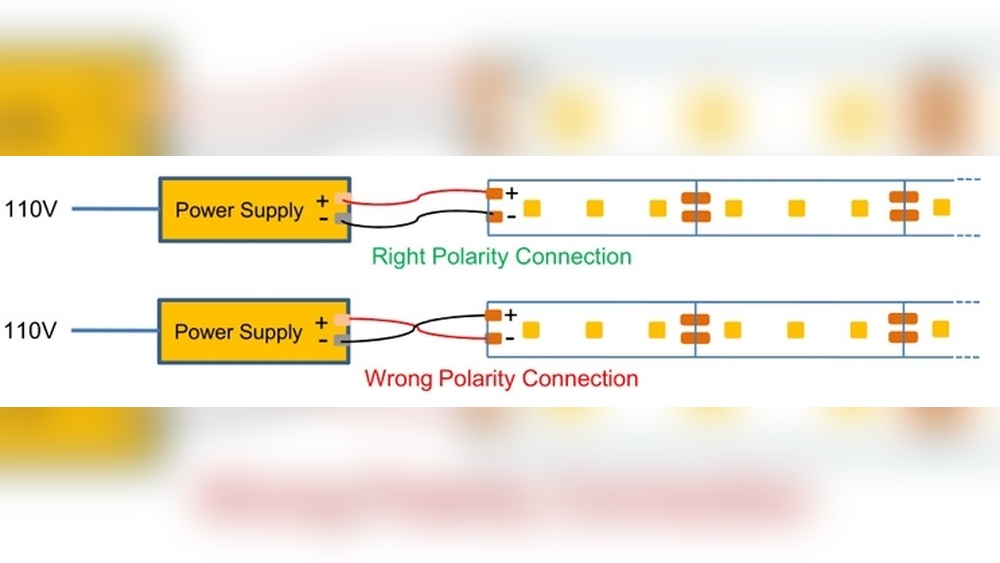
Check the input voltage range of your regulator before buying. Match the regulator output to your LED string’s voltage needs. Use a heatsink with linear regulators to avoid overheating. Connect the regulator’s input to your power source carefully. Attach the output wires to the LED string terminals. Double-check all connections to prevent short circuits. Test the setup with a multimeter before turning on the lights. Secure the regulator in a dry, ventilated place for safety.

Credit: www.amazon.com
Common Mistakes To Avoid
Changing the voltage on a 5V LED string light needs care. Many people make simple mistakes that can damage the lights or cause safety problems. Knowing what to avoid helps keep your lights working well and safe.
Overloading The Circuit
Do not connect too many LED strings to one power source. Overloading causes the circuit to draw more current than it can handle. This can lead to overheating or even fire. Check the power rating of your lights and power supply. Use a proper adapter that matches the total voltage and current needs.
Ignoring Safety Precautions
Always turn off the power before changing voltage settings. Avoid touching wires with wet hands or metal tools. Use insulated tools to prevent shocks. Make sure your work area is dry and clean. Follow the manufacturer’s instructions carefully. Safety comes first to protect yourself and the lights.
Maintaining And Troubleshooting
Maintaining and troubleshooting your 5V LED string lights ensures they work safely and last longer. Small issues can cause lights to flicker or stop working. Regular care helps avoid bigger problems. Simple checks and fixes keep your lights bright and safe.
Routine Checks
Check the power supply and voltage settings regularly. Make sure the voltage matches the LED string’s needs. Inspect the wires for cuts or damage. Look for loose connections at plugs and sockets. Clean dust and dirt from bulbs and wires. Keep the lights dry to avoid short circuits.
Fixing Common Issues
If lights flicker, check the power source first. Tighten any loose wires or connectors. Replace broken or burnt-out bulbs quickly. Use a multimeter to test voltage across the string. If voltage is too high or low, adjust the power supply. Avoid forcing parts to prevent damage.

Credit: www.amazon.com
Frequently Asked Questions
How Can I Safely Change Voltage On 5v Led String Lights?
Use a compatible voltage regulator or DC-DC converter. Avoid directly applying higher voltage to prevent damage. Always check the LED string’s voltage and current ratings before adjustment to ensure safety and functionality.
What Tools Do I Need To Change 5v Led String Lights Voltage?
You need a multimeter, soldering kit, voltage regulator, and power supply. These tools help measure voltage, modify connections, and ensure the LED lights receive the correct voltage safely.
Can Changing Voltage Damage 5v Led String Lights?
Yes, applying incorrect voltage can burn out LEDs or reduce lifespan. Always use proper voltage regulators and confirm the required voltage to avoid permanent damage.
Why Adjust Voltage On 5v Led String Lights?
Adjusting voltage controls brightness and power consumption. It also helps match the LED string to different power sources for efficient and safe operation.
Conclusion
Changing the voltage on a 5V LED string light can improve its performance. Always check the light’s specifications before making any changes. Use the right tools to avoid damage or injury. Small adjustments can make a big difference in brightness and safety.
Take your time and follow each step carefully. Enjoy the perfect lighting for your space without worry. Simple and safe changes keep your LED lights shining bright.