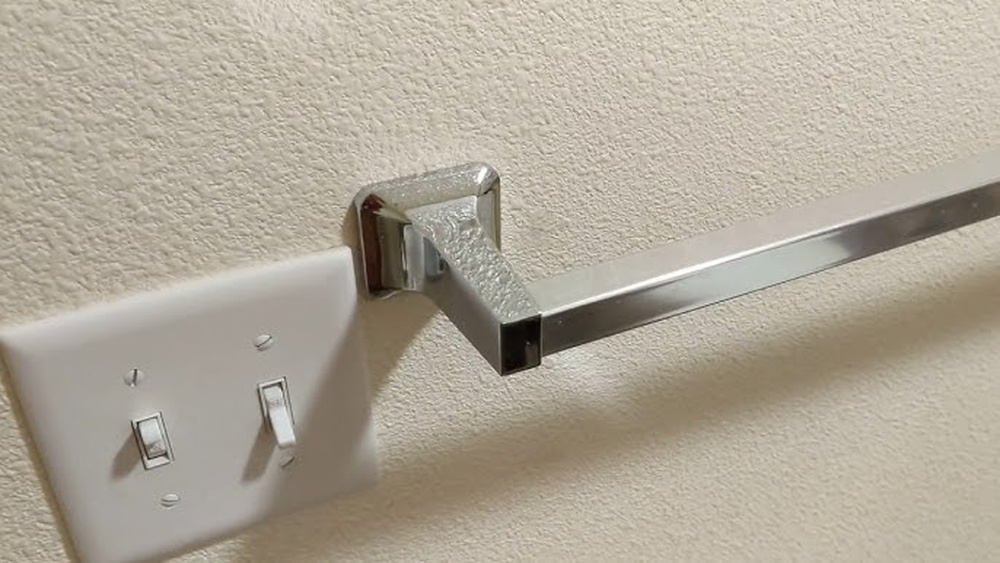

Is your towel rack loose and wobbly, making you worried it might fall off the wall? You’re not alone, and the good news is, tightening it is easier than you think.
Imagine a sturdy towel rack that holds your towels firmly, adds to your bathroom’s neat look, and saves you from constant fixing. In this guide, you’ll discover simple steps to secure your towel rack quickly and effectively. Keep reading, and you’ll learn how to fix this common problem without stress or extra costs.
Tools You’ll Need
Tightening a towel rack is a simple task. You need the right tools to do it properly. Using proper tools makes the job easier and faster. It also prevents damage to your walls and rack. Below are the tools you’ll need.
Basic Hand Tools
A screwdriver is essential for tightening screws. Most towel racks use either a Phillips or flathead screwdriver.
An adjustable wrench helps tighten any nuts or bolts on the rack. It fits various sizes, making it very useful.
A level ensures the towel rack stays straight. This tool helps maintain a neat and balanced look.
A drill with screwdriver bits is handy for removing and replacing screws quickly. You can use a manual screwdriver if you don’t have a drill.
Optional Power Tools
An electric drill makes the process faster and less tiring. It is useful if screws are stuck or hard to turn.
A power screwdriver is lighter and easier to control than a drill. It’s great for quick tightening jobs.
Stud finders help locate wall studs behind drywall. Securing the rack to studs increases stability.
An impact driver is powerful and can handle tougher screws or bolts. It’s not necessary but can be helpful for heavy-duty racks.
Identify The Problem
Before tightening a towel rack, find out what causes the problem. Understanding the exact issue helps fix it right. This saves time and effort.
Loose Screws
Loose screws are a common cause of a shaky towel rack. Screws can loosen over time from regular use or vibrations. Check all screws holding the rack to the wall. Tighten any that feel loose with a screwdriver. Tight screws keep the rack stable.
Damaged Anchors
Anchors hold screws in drywall or plaster. Damaged anchors cannot support the rack’s weight. Look for cracks or holes around the screw holes. If anchors are broken, replace them with new ones. Strong anchors prevent the rack from falling.
Worn Mounting Brackets
Mounting brackets connect the towel rack to the wall. Brackets can wear out or bend over time. Inspect the brackets for signs of damage or rust. Replace worn brackets to secure the rack properly. Good brackets keep the rack firm and safe.
Prepare The Area
Preparing the area before tightening a towel rack makes the task easier and safer. It helps you avoid damage and keeps your tools close. A clean workspace also speeds up the process and reduces frustration.
Clear The Surrounding Space
Remove any towels, clothes, or objects near the rack. This gives you room to work and stops things from falling. Clear space also prevents accidents and lets you focus fully on the rack.
Protect Walls And Floor
Use a drop cloth or old towel to cover the floor under the rack. This protects the floor from dropped tools or screws. Tape soft cloths or foam around the rack edges to avoid scratching walls.
Tighten Loose Screws
Tightening loose screws is the first step to fix a wobbly towel rack. Loose screws make the rack unstable and unsafe. Fixing them is simple and quick. This will keep your towel rack firm and reliable.
Locate All Screws
Start by finding all the screws holding the towel rack. Check the base where it attaches to the wall. Look under the rack bar and side brackets. Some screws may hide behind decorative covers. Make sure you find every screw to tighten them all.
Use The Right Screwdriver
Select the correct screwdriver for the screws. Most towel racks use Phillips or flathead screws. Using the wrong tool can strip the screw head. Use a screwdriver that fits snugly into the screw. This helps you apply force without damage.
Check For Stripped Screws
Look closely at each screw head for damage. Stripped screws have worn or damaged slots. These screws are hard to tighten or remove. Use a rubber band between the screwdriver and screw to improve grip. Replace badly stripped screws for a secure hold.
Replace Or Reinforce Anchors
Replacing or reinforcing anchors is key to tightening a loose towel rack. Anchors hold the rack firmly to the wall. Old or weak anchors often cause the rack to wobble or fall. Fixing this requires removing old anchors and installing new, stronger ones. This makes the towel rack stable and safe to use.
Remove Old Anchors
Start by taking off the towel rack from the wall. Use a screwdriver to remove screws carefully. Pull out the old anchors stuck in the wall. Sometimes anchors need a little wiggle to come out. Avoid damaging the wall while removing anchors.
Choose Suitable Replacement Anchors
Select anchors that fit your wall type. Drywall anchors work for hollow walls. Use plastic or metal anchors for stronger hold. For concrete or brick, use masonry anchors. Match anchor size to the towel rack screws for best grip.
Install New Anchors Properly
Mark the holes where the towel rack will go. Drill holes according to the anchor size. Insert the new anchors fully into the holes. Tap gently with a hammer if needed. Screw the rack into the new anchors tightly to secure it.

Credit: www.reddit.com
Fix Or Replace Mounting Brackets
Fixing or replacing mounting brackets is key to a sturdy towel rack. Loose or broken brackets cause the rack to wobble or fall. Checking and fixing these parts can save you time and money. This step ensures your towel rack stays firm and safe.
Assess Bracket Condition
Start by looking closely at each mounting bracket. Check for cracks, rust, or bent metal. Test the bracket by gently moving the towel rack. If it shifts or feels loose, the bracket may be damaged. Note any screws that are stripped or missing. Good brackets hold tight without any wobble.
Remove Damaged Brackets
Use a screwdriver to remove screws from the old brackets. Take off the brackets carefully to avoid wall damage. If screws are stuck, try a lubricant or a drill with a screwdriver bit. Clean the area where the brackets were attached. Removing damaged brackets prepares the wall for new, secure mounts.
Install New Brackets Securely
Choose brackets that match your towel rack size and style. Position them at the same height and distance as before. Use a level to keep brackets straight. Drill pilot holes to make screw insertion easier. Tighten screws firmly but avoid over-tightening. Secure brackets hold your towel rack steady for long use.
Test The Stability
Testing the stability of your towel rack is important after tightening it. This step ensures the rack is secure and safe to use. A stable towel rack will hold towels without wobbling or falling.
Apply Gentle Pressure
Press gently on the towel rack with your hand. Use light force at first to see how it reacts. Avoid pushing too hard to prevent damage.
Check For Movement
Look closely for any shaking or shifting. A stable rack should stay firm and not move. If it wiggles, it needs more tightening or adjustment.
Repeat Adjustments If Needed
Make small changes to screws or brackets if the rack moves. Tighten parts a little at a time. Test the stability again after each adjustment.
Credit: www.reddit.com
Tips To Prevent Future Looseness
Keeping your towel rack tight helps it last longer and stay safe. Loose racks can fall and cause damage. Simple steps can stop looseness from coming back. Follow these easy tips to keep your towel rack steady and strong.
Regular Maintenance
Check your towel rack often. Tighten screws and bolts every few months. Look for any signs of wear or rust. Fix small problems quickly to avoid big repairs. Regular care keeps the rack firm and reliable.
Use Thread Lockers
Thread lockers are glue for screws. They stop screws from moving or loosening. Apply a small drop to the screw threads before tightening. This helps screws stay tight even with daily use. It is a simple way to improve stability.
Avoid Overloading
Do not put too many towels on the rack. Heavy weight can pull screws loose. Use the rack only for its designed load. Light, even weight keeps the rack secure and avoids damage. Protect your rack by keeping it light.

Credit: www.youtube.com
Frequently Asked Questions
How Do I Tighten A Loose Towel Rack?
Locate the mounting screws on the towel rack. Use a screwdriver to tighten these screws gently. If screws are stripped, replace them with new ones to ensure a secure fit.
What Tools Are Needed To Tighten A Towel Rack?
You typically need a screwdriver, either Phillips or flathead. Sometimes, a drill or Allen wrench may be required depending on your towel rack type. Having a level helps to align the rack properly.
Why Does My Towel Rack Keep Loosening?
Loose towel racks often result from weak wall anchors or repeated use. Moisture and wall material can affect screw grip. Using stronger anchors or repositioning the rack can prevent loosening.
Can I Tighten A Towel Rack Without Removing It?
Yes, you can usually tighten screws directly on the mounted rack. Access the mounting brackets or screws and carefully tighten them without removing the rack. Ensure the rack remains level after adjustment.
Conclusion
Tightening a towel rack keeps it stable and safe to use. Small tools and simple steps make the task easy. Check screws and brackets regularly to avoid loose racks. A firm towel rack improves bathroom comfort and neatness. Try these tips to fix your towel rack today.
You will feel proud of your handy work. Maintenance saves money and prevents bigger problems later. Enjoy a tidy and secure bathroom space now.