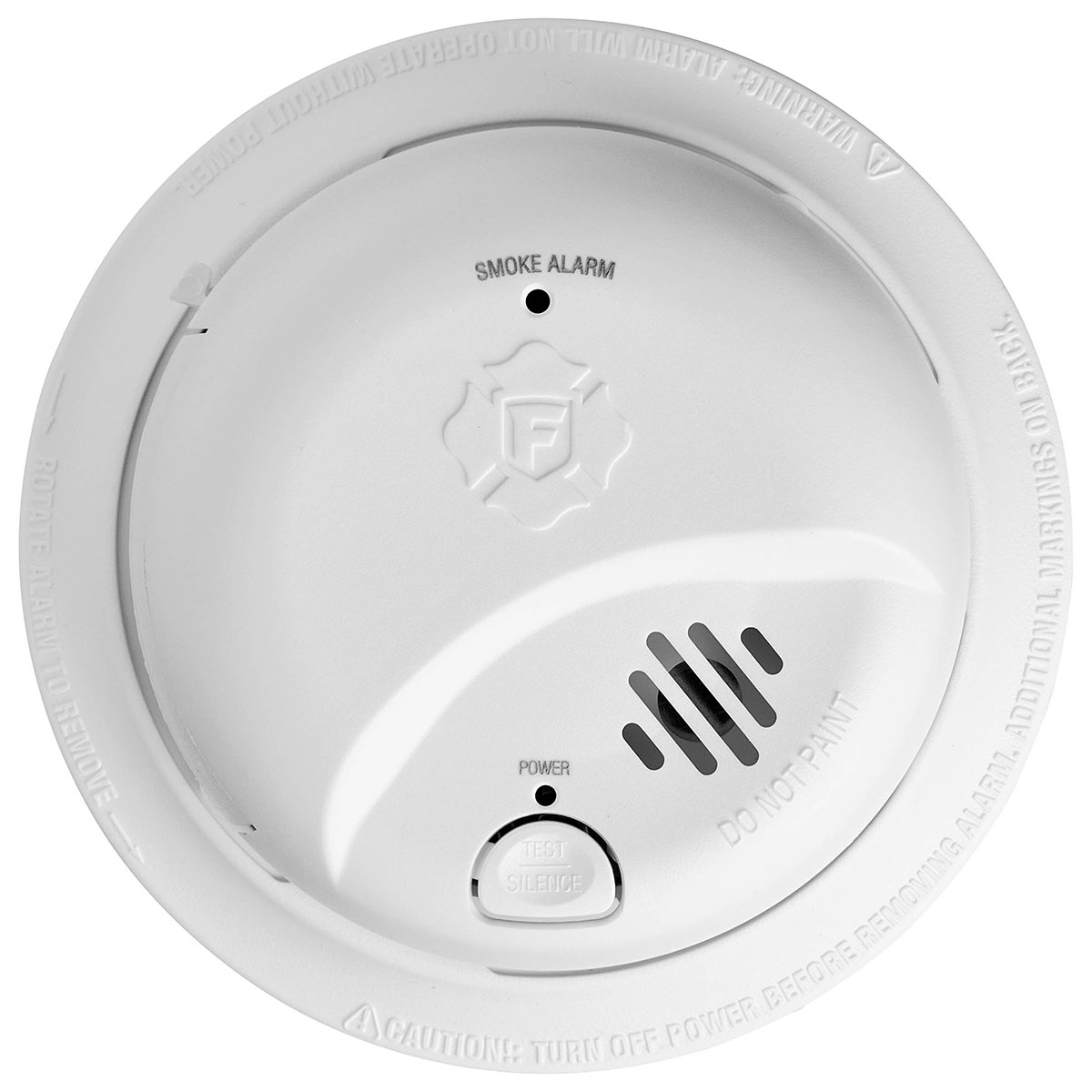
Have you ever wondered how long your First Alert smoke detector will keep you safe? Knowing the lifespan of your smoke detector is crucial because it protects what matters most—your home and your loved ones.
If you don’t replace it on time, it might not work when you need it the most. You’ll discover exactly how long these devices last and simple tips to ensure yours is always ready to alert you. Keep reading to make sure your safety is never left to chance.
Credit: www.firstalertstore.com
First Alert Smoke Detector Types
First Alert offers different types of smoke detectors to fit various needs. Each type works best in certain situations. Knowing these types helps you choose the right alarm for your home. This section explains the main First Alert smoke detector types.
Ionization Smoke Detectors
Ionization smoke detectors sense small smoke particles from fast fires. They use a small amount of radioactive material to detect smoke. These alarms respond quickly to flaming fires with little visible smoke. They are usually less expensive and easy to install.
Photoelectric Smoke Detectors
Photoelectric smoke detectors spot larger smoke particles from slow, smoldering fires. They use a light beam inside the device to detect smoke. These alarms work better for fires that produce more smoke but less flame. They reduce false alarms from cooking or steam.
Combination Alarms
Combination alarms include both ionization and photoelectric sensors. They provide the best protection against all types of fires. These alarms detect fast flaming and slow smoldering fires. Many First Alert models use this technology for full coverage and safety.

Credit: www.reddit.com
Typical Lifespan Of First Alert Detectors
First Alert smoke detectors are a trusted choice for home safety. Knowing their typical lifespan helps you keep your home protected. Smoke detectors don’t last forever. They wear out and need replacement to work properly.
Understanding how long these devices last ensures you replace them on time. It also helps avoid false alarms or device failure. Let’s explore the typical lifespan of First Alert detectors and what affects their durability.
Manufacturer’s Recommendations
First Alert suggests replacing smoke detectors every 10 years. This is the general rule for most models. After 10 years, sensors may become less sensitive. Old detectors can fail to detect smoke quickly.
The manufacturer also advises regular battery checks. Some models have sealed batteries that last 10 years. Others need battery replacement at least once a year. Following these guidelines keeps your detector working well.
Factors Influencing Longevity
Several factors affect how long a First Alert detector lasts. Dust and dirt buildup can block sensors. This reduces sensitivity and shortens lifespan. High humidity or extreme temperatures also damage detectors faster.
Frequent false alarms and constant testing can wear out the device. Proper installation away from kitchens and bathrooms helps prevent false alarms. Regular cleaning extends the detector’s effective life.
Using the correct battery type and changing batteries promptly is crucial. Neglecting battery care can cause detector failure before the 10-year mark. Careful maintenance ensures your First Alert detector stays reliable.
Signs Your Smoke Detector Needs Replacement
Knowing the signs that your First Alert smoke detector needs replacement is very important. Smoke detectors keep your home safe by alerting you to fire. Over time, they can stop working properly. Recognizing early warning signs can protect your family and property.
Smoke detectors do not last forever. Regular checks help catch problems early. Some signs tell you it is time to replace the device. Pay attention to these clues to ensure your safety.
Frequent False Alarms
False alarms happen when the detector sounds without real smoke. If this happens often, the sensor may be failing. Dust, insects, or old sensors can cause false alarms. Frequent false alarms mean you should replace the smoke detector soon.
Failure To Sound
A smoke detector must sound when smoke is present. Test your detector monthly by pressing the test button. If it does not beep loudly, it might be broken. Failure to sound is a serious warning to replace it immediately.
Physical Damage Or Wear
Look for cracks, discoloration, or loose parts on your detector. Physical damage can stop it from working right. Dust and dirt buildup can also reduce its sensitivity. Any visible damage or wear is a sign to get a new smoke detector.
Battery Life And Maintenance Tips
Battery life is a key factor in keeping your First Alert smoke detector working well. Proper maintenance helps the device stay ready to alert you in case of fire. Simple steps can extend your detector’s lifespan and ensure your safety. Regular checks and timely battery changes are essential parts of smoke detector care.
Battery Replacement Schedule
First Alert smoke detectors usually use 9-volt or lithium batteries. Replace the battery at least once every year. Some models have sealed lithium batteries that last up to 10 years. When your detector starts beeping, change the battery immediately. Don’t wait for the battery to die completely. Keeping fresh batteries ensures your smoke detector works properly.
Testing Your Detector Regularly
Test your smoke detector once a month. Press the test button until the alarm sounds. This check confirms the battery and sensor work well. If the alarm is weak or silent, replace the battery right away. Regular testing helps find problems early. It gives you peace of mind knowing your detector is ready to protect your home.
Disposal And Replacement Guidelines
Knowing how to properly dispose of and replace First Alert smoke detectors ensures safety and compliance with local rules. Smoke detectors do not last forever. They need careful handling once they reach the end of their life. This section guides you through safe disposal methods and tips on upgrading to new models.
Safe Disposal Methods
First Alert smoke detectors contain small batteries and electronic parts. These parts should not go in regular trash. Many places have special recycling centers for electronic waste. Check your local waste management website for drop-off locations.
Remove the battery before disposal. This prevents leaks and hazards. Wrap the detector in a plastic bag to avoid damage. Never burn or crush smoke detectors. These actions release harmful chemicals.
Upgrading To New Models
New smoke detectors have better technology and longer battery life. Replace your old First Alert device every 10 years or as instructed. Look for models with features like voice alerts or smart home compatibility.
Choose the right type for your home. Ionization detectors sense fast flames. Photoelectric detectors detect slow smoldering fires. Some models combine both technologies for full protection.
Importance Of Replacing Smoke Detectors On Time
Replacing smoke detectors on time is essential for keeping your home safe. Smoke detectors lose sensitivity as they age. This can delay warning signals during a fire. Old detectors might not work at all in emergencies. Timely replacement ensures they function properly and protect your family.
Maintaining Home Safety
Smoke detectors are the first line of defense against fires. A working detector alerts you early. This early warning saves lives and reduces property damage. Replacing detectors regularly keeps your home protected. It helps avoid false alarms and missed alerts.
Compliance With Safety Standards
Safety regulations require smoke detectors to be replaced every 10 years. Following these rules keeps your home legal and secure. It ensures detectors meet current safety technology standards. Staying compliant reduces risks and helps during home insurance claims.
Credit: www.firstalertstore.com
Frequently Asked Questions
How Long Do First Alert Smoke Detectors Last?
First Alert smoke detectors typically last 8 to 10 years. After this period, their sensors may become less reliable. Regular replacement ensures optimal safety and functionality in your home or office.
When Should You Replace A First Alert Smoke Detector?
Replace your First Alert smoke detector every 8 to 10 years. Check the manufacturing date on the unit’s back to track its age. Timely replacement prevents failure during emergencies.
Can Battery Life Affect First Alert Smoke Detector Lifespan?
Yes, battery life impacts detector performance. Use fresh batteries and replace them annually. Low batteries can cause false alarms or failure to detect smoke.
How To Test A First Alert Smoke Detector?
Press and hold the test button until you hear a loud beep. This confirms the alarm and battery function. Test detectors monthly to ensure proper operation.
Conclusion
First Alert smoke detectors usually last about 10 years. After this time, their sensors may not work well. Replace your detector to keep your home safe. Test your smoke alarm every month to ensure it works. Change the batteries at least once a year.
Never ignore the warning signs of a weak detector. Staying alert can protect your family from fire dangers. Keep your home safe with regular checks and timely replacements. Safety starts with a working smoke detector. Don’t wait until it’s too late.