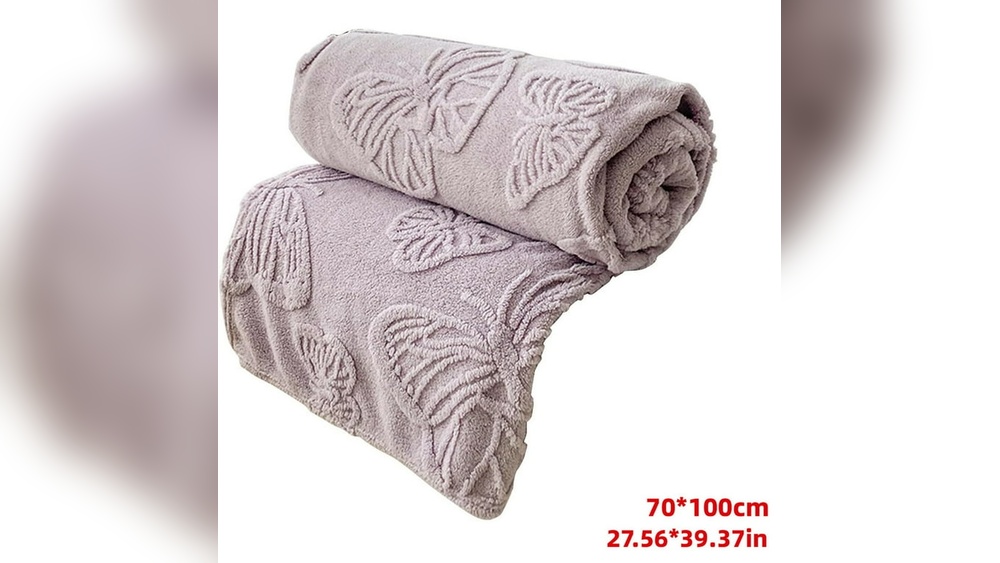

Have you ever noticed how your shopping habits change as the seasons shift? When the leaves turn orange and the air feels crisp, you might find yourself drawn to warm blankets or cozy candles.
But have you ever thought about how these seasonal changes affect home decor sales on a larger scale? Understanding this connection can help you make smarter choices—whether you’re a shopper looking to refresh your space or a business owner planning your next move.
You’ll discover how each season influences what people want to buy for their homes, why some items fly off the shelves at certain times, and how you can use this knowledge to your advantage. Ready to uncover the hidden impact of seasons on home decor sales? Let’s dive in.
Credit: www.alamy.com
Seasonal Patterns In Home Decor Sales
Seasonal patterns strongly influence home decor sales throughout the year. Each season brings unique opportunities and challenges for sellers. Understanding these patterns helps businesses prepare inventory and marketing strategies effectively.
Sales often rise or fall based on weather changes and holidays. Consumers adjust their buying habits according to the season’s mood and needs. This shift affects the types of products in demand and the timing of purchases.
Sales Trends By Season
Spring usually sparks a surge in home decor sales. People refresh their living spaces after winter. Bright colors, floral patterns, and lightweight fabrics become popular choices.
Summer sales often focus on outdoor and patio decorations. Items like lanterns, cushions, and garden furniture see increased demand. Warm weather encourages people to enhance outdoor living areas.
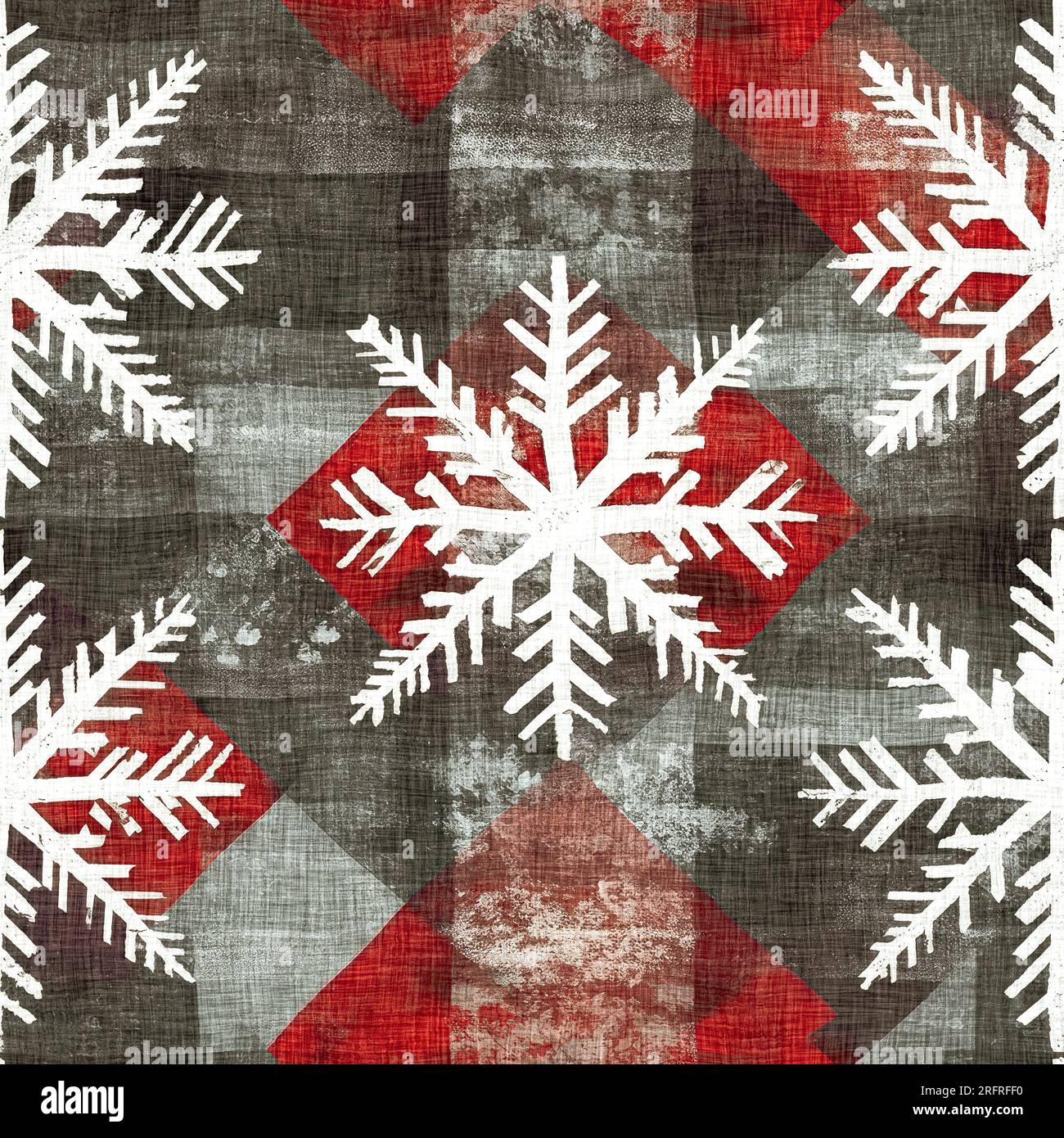
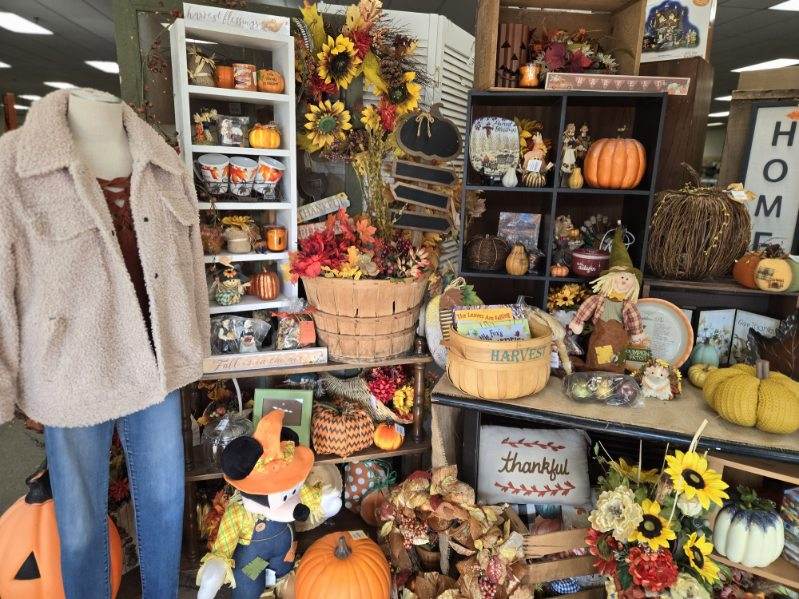
Fall brings a rise in cozy, warm decor sales. Earth tones, candles, and textured fabrics attract buyers. Many prepare their homes for the holiday season ahead.
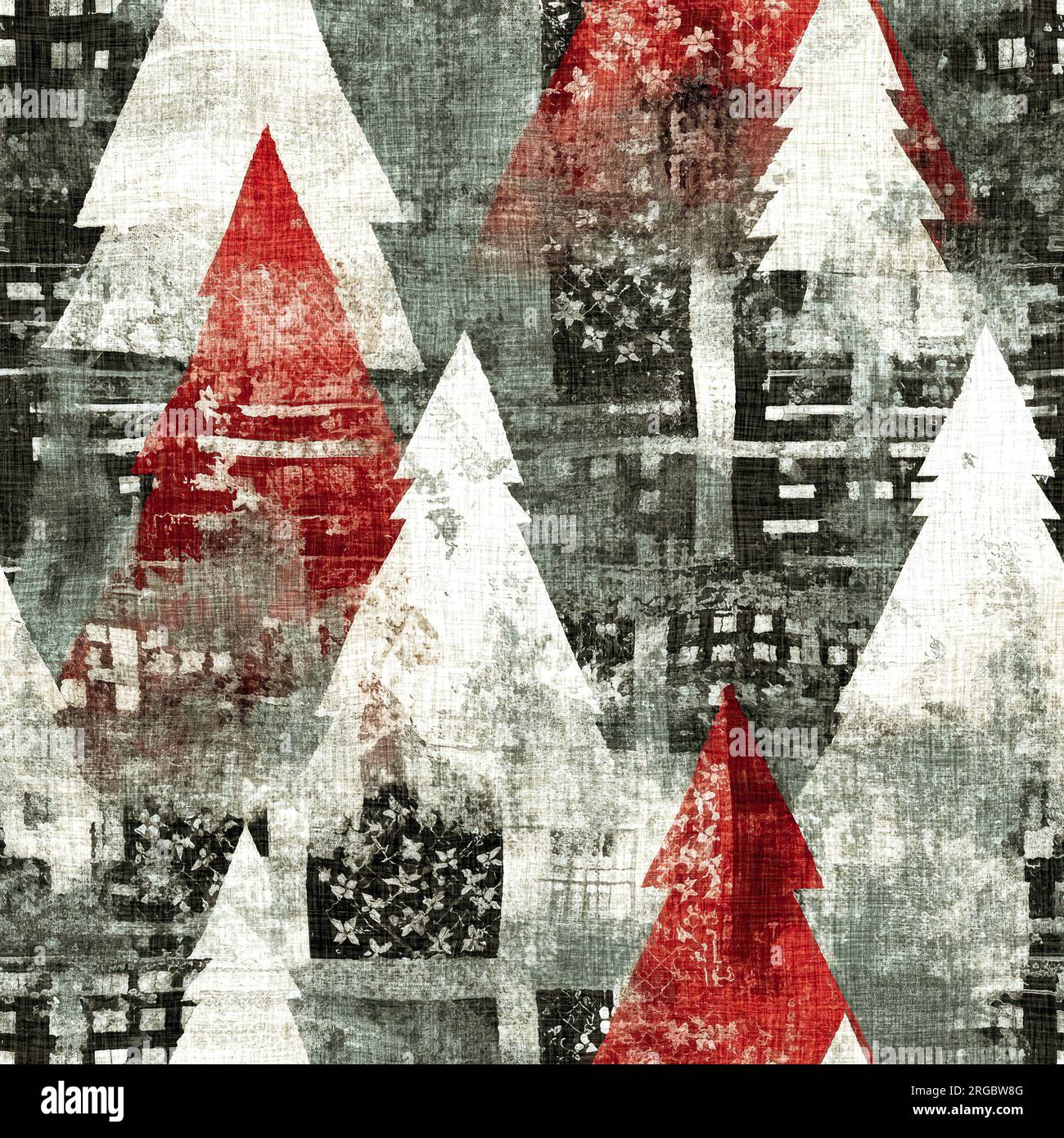
Winter sales peak around festive holidays. Decorations, lights, and gift-related items dominate the market. Consumers seek ways to create warm, inviting atmospheres indoors.
Consumer Preferences Shifts
Consumers’ tastes change with the seasons. In spring, they prefer light, airy designs that symbolize renewal. Summer buyers look for vibrant colors and durable outdoor items.
During fall, preferences shift to comfort and warmth. People choose items that create a cozy, inviting environment. Winter buyers focus on festive themes and practical warmth.
Seasonal moods affect purchasing decisions deeply. Shoppers want decor that matches the time of year. Retailers who adapt to these shifts enjoy better sales and customer loyalty.
Credit: www.alamy.com
Credit: www.familypathways.org
Frequently Asked Questions
What Impact Do Changes In Seasons Have On Your Sales?
Seasonal changes influence consumer demand and sales volume. Summer boosts outdoor product sales, while winter increases warm clothing purchases. Businesses adjust inventory and marketing to match these shifting preferences, optimizing revenue throughout the year. Seasonal trends drive predictable sales patterns and customer behavior.
Does Weather Affect Home Sales?
Yes, weather influences home sales by affecting buyer demand and property showings. Warm seasons often boost sales activity.
How Does Seasonality Affect Sales?
Seasonality causes predictable sales changes due to weather, holidays, and events. Demand rises for relevant products each season. Businesses adjust inventory and marketing to match these shifts, boosting revenue during peak times and managing slow periods effectively.
What Are Seasonal Fluctuations In Sales?
Seasonal fluctuations in sales are predictable changes in demand that occur at specific times yearly. They result from weather, holidays, or cultural events, affecting customer buying patterns and business activity cyclically throughout the year.
Conclusion
Seasonal changes clearly influence home decor sales patterns. Consumers prefer different styles and items each season. Summer boosts outdoor and bright decor purchases. Winter increases demand for cozy and warm pieces. Businesses can plan stock and marketing around these shifts.
Understanding seasonality helps meet customer needs on time. Adapting decor offerings keeps homes fresh and inviting year-round. Seasonal trends provide valuable insights for better sales results. Embracing these changes benefits both sellers and buyers alike.