Your smoke detector is your first line of defense against fire hazards. But what good is it if the battery dies when you need it most?
Changing the batteries in your smoke detector is a simple task that can save your life and protect your home. In this guide, you’ll learn exactly how to change your smoke detector batteries quickly and safely. Keep reading to make sure your smoke detector is always ready to keep you safe.

Credit: annarborwithkids.com
When To Replace Smoke Detector Batteries
Knowing when to replace smoke detector batteries is vital for home safety. A working smoke detector can save lives by alerting you early to fire. Batteries do not last forever and need timely replacement to keep the device active. Regular checks help avoid dead batteries during emergencies.
Signs Of Low Battery
A common sign is a loud beep or chirp. This sound repeats every minute or so. It warns that the battery power is low. The smoke detector light may blink slowly as well. If you hear these signals, change the battery immediately. Never ignore these warnings, even if the beep stops after a while.
Recommended Replacement Intervals
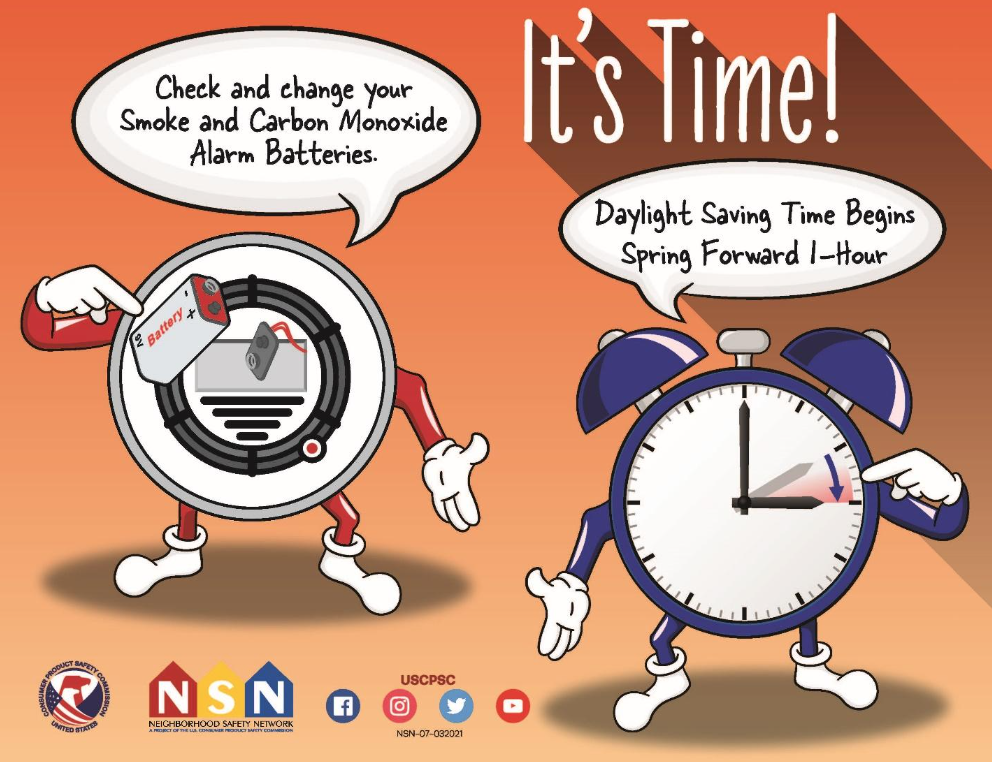
Replace batteries at least once a year for safety. Many experts suggest changing batteries during daylight saving time changes. This routine helps you remember the replacement. Some smoke detectors use long-life batteries that last up to 10 years. Check your detector’s manual to know the correct schedule. Follow these intervals to keep your home protected.

Credit: www.youtube.com
Tools And Materials Needed
Changing smoke detector batteries is simple. Having the right tools and materials makes the task easier and safer. Prepare everything before you start to save time and avoid mistakes.
Types Of Batteries
Most smoke detectors use 9-volt batteries. Some models require AA or AAA batteries. Check your smoke detector’s manual or look inside the battery compartment. Use fresh batteries for best performance. Avoid mixing old and new batteries or different brands.
Safety Precautions
Turn off the power if your smoke detector is hardwired. Use a sturdy ladder to reach ceiling detectors. Handle batteries carefully to avoid leaks. Wash your hands after changing batteries. Test the smoke detector after replacing batteries to ensure it works well.
Step-by-step Battery Replacement
Changing the batteries in your smoke detector is important for safety. A dead battery means the detector won’t work. Follow these simple steps to replace the batteries and keep your home safe.
Removing The Smoke Detector
Start by reaching up to the smoke detector on the ceiling or wall. Grip the detector firmly. Twist it counterclockwise to unlock it. Pull the detector away from its base carefully. Set it down on a stable surface to avoid damage.
Accessing The Battery Compartment
Look at the back of the smoke detector. Find the small door or clip that covers the battery area. Open this compartment gently. Some models use a latch, others a sliding door. Remove the old batteries carefully to avoid damage.
Installing New Batteries
Check the battery type needed. Most use 9-volt or AA batteries. Insert the new batteries, matching the plus (+) and minus (-) signs. Press the batteries in firmly. Close the battery compartment door until it clicks shut.
Testing The Smoke Detector
Put the smoke detector back on its base. Twist it clockwise until it locks in place. Press the test button on the detector. Listen for a loud beep or series of beeps. This sound means the detector is working properly.
Tips For Maintaining Smoke Detectors
Maintaining smoke detectors is key to keeping your home safe. Proper care helps detectors work well and last longer.
Simple steps can prevent false alarms and ensure quick warnings in danger. Follow these tips to keep your smoke detectors in top shape.
Regular Testing
Test your smoke detector at least once a month. Press the test button until you hear a loud beep. This check confirms the alarm works properly. Replace batteries if the sound is weak or missing. Regular tests help avoid surprises during emergencies.
Cleaning The Detector
Dust and dirt can block smoke sensors. Clean your detector every six months. Use a soft brush or vacuum to remove dust. Avoid spraying water or cleaners directly on the device. A clean detector reacts faster to smoke or fire.
Choosing Long-lasting Batteries
Pick batteries designed to last longer, like lithium types. These batteries reduce the need for frequent replacements. Always check the expiration date before installing. Using high-quality batteries keeps your detector reliable for a long time.
Troubleshooting Common Issues
Troubleshooting common issues helps keep your smoke detector working well. Problems can happen even after changing the battery. Knowing how to fix these issues saves time and keeps your home safe. Check these common problems and simple solutions.
Detector Won’t Sound After Replacement
The smoke detector may not beep after changing the battery. Check if the battery is fresh and inserted correctly. Make sure the battery contacts touch the terminals firmly. Press the test button to see if it works. Clean dust or debris inside the detector. Sometimes a reset is needed. Remove the battery, wait 10 seconds, and reinsert it. Replace the smoke detector if it still won’t sound.
False Alarms
False alarms can be annoying and cause worry. Dust and dirt inside the detector cause false alarms. Use a vacuum cleaner or soft brush to clean it. Avoid placing detectors near kitchens or bathrooms where steam or smoke appears often. Strong smells or sprays can also trigger alarms. Make sure the battery is not low, as this can cause false beeps. Move the detector if false alarms continue.
Battery Corrosion
Corrosion on the battery contacts can stop the detector from working. Check the battery compartment for white or green powder. Clean corrosion with a cotton swab dipped in vinegar or lemon juice. Dry the area before inserting a new battery. Replace the battery immediately if corrosion appears. Regularly inspect the detector to catch corrosion early. Proper maintenance helps the detector last longer.
Credit: www.cpsc.gov
Frequently Asked Questions
How Often Should I Change Smoke Detector Batteries?
You should change smoke detector batteries at least once a year. Replace them immediately if the alarm chirps. Regular replacement ensures your smoke detector works properly and keeps your home safe.
What Type Of Batteries Do Smoke Detectors Use?
Most smoke detectors use 9-volt or AA batteries. Always check the manufacturer’s instructions for the correct battery type. Using the right batteries ensures optimal performance and safety.
How Do I Safely Remove Old Batteries From A Smoke Detector?
Turn off the alarm before removing batteries. Open the battery compartment carefully, then take out the old batteries. Dispose of them properly and avoid touching battery terminals to prevent damage or injury.
Can I Use Rechargeable Batteries In Smoke Detectors?
Rechargeable batteries are generally not recommended for smoke detectors. They may not provide consistent power, causing false alarms or failure. Use regular alkaline batteries for reliable performance.
Conclusion
Changing smoke detector batteries keeps your home safe and secure. Check batteries at least twice a year. Use the right type of battery for best results. Always test the alarm after replacing batteries. Don’t ignore the warning signs of low power.
A working smoke detector can save lives. Simple steps make this task quick and easy. Keep your family protected by staying on top of maintenance. Safety starts with small actions like this. Make battery replacement a regular habit.