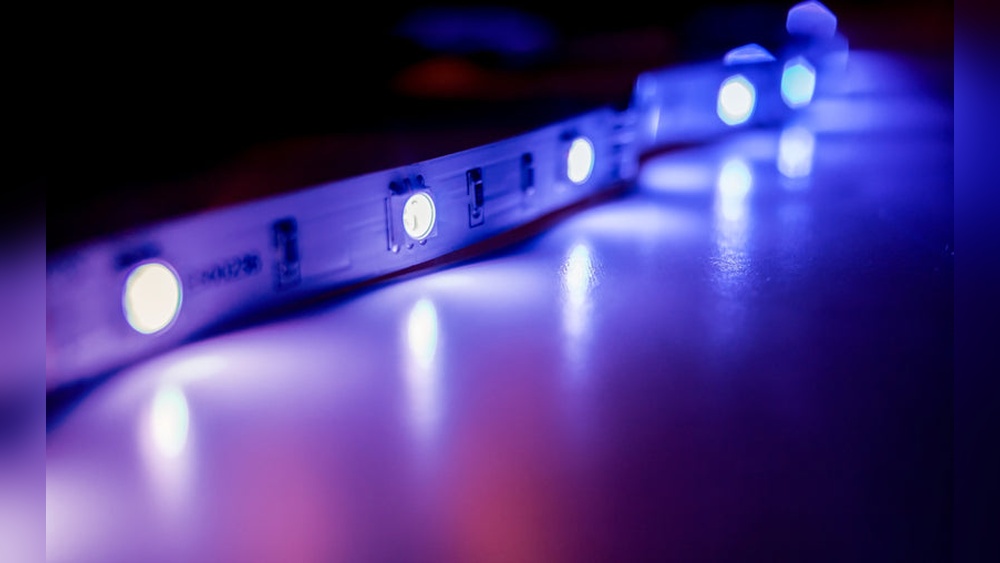

Are you wondering how long your LED string lights will really last? Whether you use them to brighten up your home, decorate for a party, or add a cozy glow to your outdoor space, knowing the lifespan of these lights can save you time and money.
You don’t want to be left in the dark when your favorite lights suddenly stop working. You’ll discover exactly how long LED string lights last, what affects their lifespan, and simple tips to make them shine brighter and longer. Keep reading to get the most out of your LED lighting and avoid unnecessary replacements.
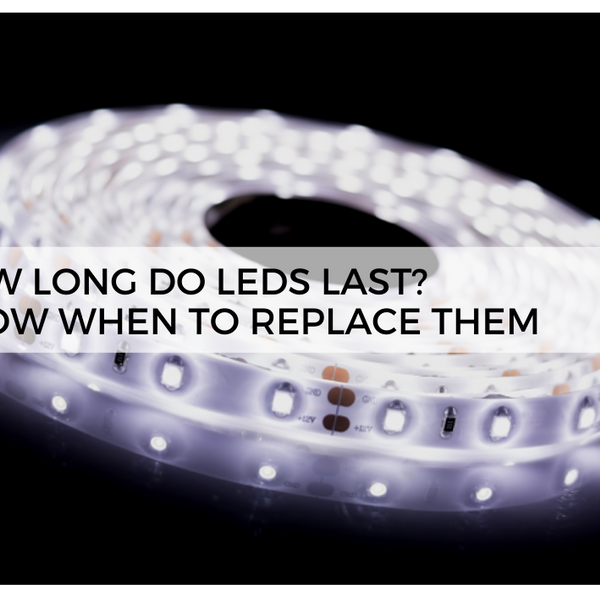
Credit: hitlights.com
Lifespan Of Led String Lights
LED string lights are popular for decoration and lighting. They use less energy and last longer than traditional bulbs. Knowing how long these lights last helps in planning their use and replacement. The lifespan depends on several factors.
Typical Lifespan Range
Most LED string lights last between 25,000 and 50,000 hours. This means they can shine for years with regular use. Some high-quality lights even reach up to 100,000 hours. This long life reduces the need for frequent replacements. It saves money and effort over time.
Factors Influencing Longevity
Quality of the LED bulbs affects how long the lights last. Cheap lights often have shorter lifespans. Usage also matters. Lights used for many hours daily will wear out faster. Outdoor lights face weather challenges like rain and heat. Proper installation and care can extend life. Avoiding power surges and using the right voltage helps too.
Types Of Led String Lights
LED string lights come in various types to suit different needs and spaces. Choosing the right type affects how long they last and how well they perform. Understanding the main types helps in picking the best lights for your home or event.
Indoor Vs Outdoor Lights
Indoor LED string lights are designed for dry, protected areas. They usually last longer because they avoid harsh weather. Outdoor lights have extra protection against rain, wind, and sun. They use waterproof materials and strong wiring to handle tough conditions. Outdoor lights may have a shorter lifespan if exposed to extreme weather often.
Battery-powered Vs Plug-in
Battery-powered LED string lights offer mobility and easy setup. They are perfect for places without power outlets. Their lifespan depends on battery quality and usage time. Plug-in LED string lights connect to an electrical outlet for continuous power. They tend to last longer because they do not rely on batteries. Plug-in lights are better for long-lasting, steady use.
Quality And Brand Impact
The quality and brand of LED string lights play a big role in how long they last. Cheap lights often fail faster. Better materials and good design help lights stay bright longer. Trusted brands usually offer products with strong parts and good wiring. Choosing quality lights reduces the risk of burning out early.
Material And Build Quality
LED string lights made with strong wires and solid bulbs last much longer. Plastic casings protect LEDs from damage and weather. Good soldering ensures stable electrical connections. Thin wires or poor seals let moisture in, causing early failure. Look for lights with thick, flexible cords and sealed bulbs for outdoor use.
Reputable Brands To Consider
Brands known for quality usually test their lights well. They use better parts and offer warranties. Some popular brands include Philips, GE, and Twinkly. These companies focus on durability and safety. Choosing trusted brands often means less hassle and longer-lasting lights. Spending a little more upfront saves money later on replacements.
Usage Patterns And Effects
Usage patterns play a key role in how long LED string lights last. How often and how you use them can change their lifespan. Understanding these effects helps you get the most from your lights.
Daily Usage Duration
The number of hours you use LED string lights each day affects their life. Longer daily use can cause the lights to wear out faster. Keeping them on for 6 to 8 hours daily is common and safe. Using lights for short periods daily can extend their life. Consistent but moderate use balances brightness and durability well.
On/off Cycling Impact
Turning LED string lights on and off frequently can impact their longevity. Each power cycle causes a small amount of stress on the LEDs. Many short on/off cycles can reduce the overall lifespan. Leaving lights on for longer periods with fewer cycles is often better. Avoid rapid switching to maintain the lights’ performance over time.
Environmental Factors
Environmental factors play a big role in how long LED string lights last. These lights can handle many conditions but certain elements can shorten their life. Understanding these factors helps you keep your lights shining longer.
Temperature And Weather Exposure
Extreme temperatures can harm LED string lights. Very hot weather may cause the lights to overheat and fail faster. Cold weather can make the wires brittle and break easily. Strong sunlight can fade the colors of the light casing over time. Rain, snow, and wind also affect the lights if they are not made for outdoor use. Using lights designed for outdoor weather helps them last longer.
Humidity And Moisture Effects
High humidity can cause moisture to build inside the light bulbs or wiring. This moisture can lead to rust and corrosion. Rust damages the electrical parts and reduces the light’s lifespan. Moisture can also cause short circuits and flickering. Keeping LED string lights dry and storing them properly when not in use helps prevent moisture damage.

Credit: www.lightsupplier.co.uk
Maintenance Tips For Longer Life
LED string lights can last a long time with the right care. Maintaining them properly helps keep their brightness and prevents damage. Follow simple steps to extend the life of your lights and enjoy their glow for years.
Proper Storage Methods
Store LED string lights in a cool, dry place. Avoid damp or humid areas that cause rust or corrosion. Wrap the lights loosely around a spool or cardboard to stop tangling. Keep them away from sharp objects that might break bulbs or wires. Use a storage box or bag to protect from dust and pests.
Cleaning And Handling Advice
Clean LED string lights gently with a soft cloth. Use a dry or slightly damp cloth to remove dirt and dust. Avoid harsh chemicals or water that can damage bulbs and wiring. Handle lights carefully to prevent pulling or bending wires. Check connections before use to ensure safe, steady power flow.
Signs Of Wear And When To Replace
LED string lights are known for their long life, but they do not last forever. Over time, these lights show signs of wear. Knowing these signs helps you decide when to replace the lights. This keeps your space bright and safe.
Common Failure Indicators
Flickering lights often mean a problem with the bulbs or wiring. Some bulbs may stop lighting up completely. Dark spots or dim areas along the string appear. The wire coating might crack or peel. Loose or broken sockets are a clear sign of wear. Discoloration of the wire or bulbs signals damage. These signs suggest the lights are near the end of their life.
Safety Considerations
Damaged wires can cause electric shocks or fire hazards. Avoid using lights with exposed wires or burnt smells. Overheating bulbs can also be dangerous. Do not ignore sparks or buzzing sounds from the string. Always unplug the lights before inspecting or fixing them. Replace worn-out lights promptly to protect your home and family.
Energy Efficiency And Cost Savings
Energy efficiency plays a big role in choosing the right lights for your home or event. LED string lights use less electricity than other types of lights. This means they save energy and reduce your electric bills. Saving money and helping the environment at the same time is a smart choice.
Comparing Led To Traditional Lights
LED lights use up to 80% less energy than traditional incandescent bulbs. They produce the same brightness while using less power. Traditional lights get hot and waste energy as heat. LEDs stay cool and use power more efficiently. This makes LED string lights safer and cheaper to run.
Long-term Financial Benefits
Though LED string lights cost more upfront, they last much longer. You will not need to replace them often. This saves money on buying new lights. Lower electricity bills add extra savings over time. Using LED string lights is a smart way to cut costs in the long run.

Credit: hitlights.com
Frequently Asked Questions
How Long Do Led String Lights Typically Last?
LED string lights usually last between 25,000 to 50,000 hours. Their lifespan depends on usage, quality, and maintenance. High-quality LEDs can last several years with moderate use. Proper care and avoiding overheating extend their longevity significantly.
Do Led String Lights Lose Brightness Over Time?
Yes, LED string lights gradually dim after long use. This process is called lumen depreciation. However, quality LEDs maintain brightness well for thousands of hours. Regular inspection and cleaning help preserve their light output.
Can Outdoor Conditions Affect Led String Lights’ Lifespan?
Outdoor conditions like rain, heat, and dust can shorten LED string lights’ lifespan. Using weatherproof or waterproof lights improves durability. Proper installation and storage during extreme weather also protect the lights and extend their use.
How Does Led String Light Quality Impact Longevity?
Higher-quality LED string lights use better components, lasting longer. Cheap lights may fail sooner due to inferior materials. Investing in reputable brands ensures longer-lasting, energy-efficient lighting with consistent performance.
Conclusion
LED string lights can last for many years with proper care. Their lifespan depends on usage and quality. Choosing good lights ensures longer brightness and less replacement. Regularly checking and storing lights carefully helps avoid damage. Bright, energy-saving, and durable — LED string lights offer great value.
Enjoy their warm glow for seasons to come. Simple steps keep your lights shining bright. A smart choice for home or events.