
Have you ever wondered how long the battery in your smoke detector really lasts? Knowing this can be a lifesaver—literally.
Your smoke detector is one of the most important safety devices in your home, but if its battery dies unexpectedly, it won’t protect you when you need it most. You’ll discover exactly how long these batteries usually last, signs that your detector needs a battery change, and simple tips to keep your home safe.
Keep reading to make sure your smoke detector is always ready to protect you and your loved ones.
Types Of Smoke Detector Batteries
Smoke detectors need power to work well. The type of battery affects how long the detector lasts. Choosing the right battery helps keep your home safe. Different batteries have different life spans and costs. Here are the main types used in smoke detectors.
Alkaline Batteries
Alkaline batteries are common in smoke detectors. They are affordable and easy to find. These batteries usually last about one year. They work well but lose power faster in cold places. Changing them yearly keeps your detector reliable.
Lithium Batteries
Lithium batteries last longer than alkaline ones. They can last up to 10 years in some models. These batteries perform well in extreme temperatures. They cost more but need less frequent replacement. Lithium batteries provide steady power for a long time.
Rechargeable Batteries
Rechargeable batteries can be used many times. They save money over time but need charging. Some smoke detectors support rechargeable batteries. These batteries usually last a few years. Charging regularly is important to keep them working.
10-year Sealed Batteries
Some smoke detectors come with built-in 10-year sealed batteries. These batteries cannot be removed or replaced. They keep the detector powered for a full decade. After 10 years, replace the entire detector unit. This option offers convenience and long-lasting safety.
Credit: structuretech.com
Average Battery Life Span
The average battery life span in a smoke detector varies depending on the type of battery and usage. Most smoke detectors use either 9-volt or AA batteries. Understanding how long these batteries last helps keep your home safe. Regular checks and timely replacements ensure the device works when needed.
Typical Replacement Intervals
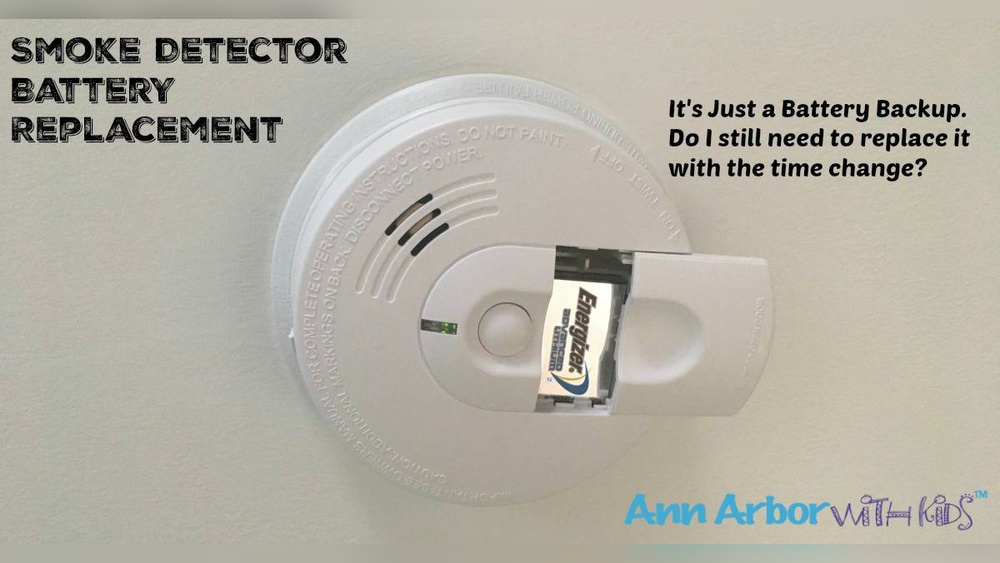
Standard smoke detector batteries usually last about one year. Some models have long-life batteries that can last up to 10 years. Manufacturers often recommend changing batteries every 6 to 12 months. This schedule helps avoid unexpected battery failure. For hardwired smoke detectors with battery backup, replace the battery once a year.
Factors Affecting Battery Life
Battery life depends on the battery type and quality. Frequent testing and alarms use more battery power. Cold or hot temperatures can reduce battery performance. Low battery alerts cause the device to beep, draining power faster. Using lithium batteries can extend life compared to alkaline ones.
Signs Of A Dying Battery
Knowing the signs of a dying battery in your smoke detector is very important. Smoke detectors save lives by warning you of fire. A weak battery can fail to alert you in time. Watch closely for clear signs that the battery needs replacement.
Low Battery Chirps
A dying battery often causes a soft, repeated chirp sound. This chirp happens every minute or so. It is a warning that the battery power is low. Do not ignore these chirps. They mean the alarm may stop working soon.
Dim Or No Indicator Lights
Smoke detectors usually have a small light to show they work. A bright, steady light means the battery is good. If the light is dim or off, the battery might be weak. Check and replace the battery to keep your detector active.
How To Extend Battery Life
Extending the battery life of your smoke detector is important for safety and cost savings. Small actions can make your battery last longer. Simple steps help keep your smoke alarm working well. Follow these tips to get the best from your battery.
Proper Installation Tips
Place your smoke detector on the ceiling or high on the wall. Avoid corners or near windows where airflow is strong. Use the right battery type recommended by the manufacturer. Insert the battery correctly, matching the positive and negative ends. Tighten the battery cover to keep it secure. A well-installed detector uses less power and lasts longer.
Environmental Considerations
Keep your smoke detector away from very hot or cold places. Extreme temperatures drain batteries faster. Avoid installing near kitchens or bathrooms where steam or smoke is common. These conditions cause false alarms and waste battery power. A stable environment helps your battery stay strong for months.
Regular Maintenance
Test your smoke detector monthly to ensure it works well. Clean the unit gently with a soft cloth to remove dust. Dust and dirt can affect sensor performance and battery use. Replace the battery at least once a year, even if it still works. Regular checks keep your detector ready and save battery life.
Choosing The Right Battery For Your Smoke Detector
Choosing the right battery for your smoke detector is important. The battery powers the device and keeps it working properly. A wrong battery can cause false alarms or stop the detector from working. Knowing how to pick the best battery helps keep your home safe and your detector reliable.
Compatibility With Detector Models
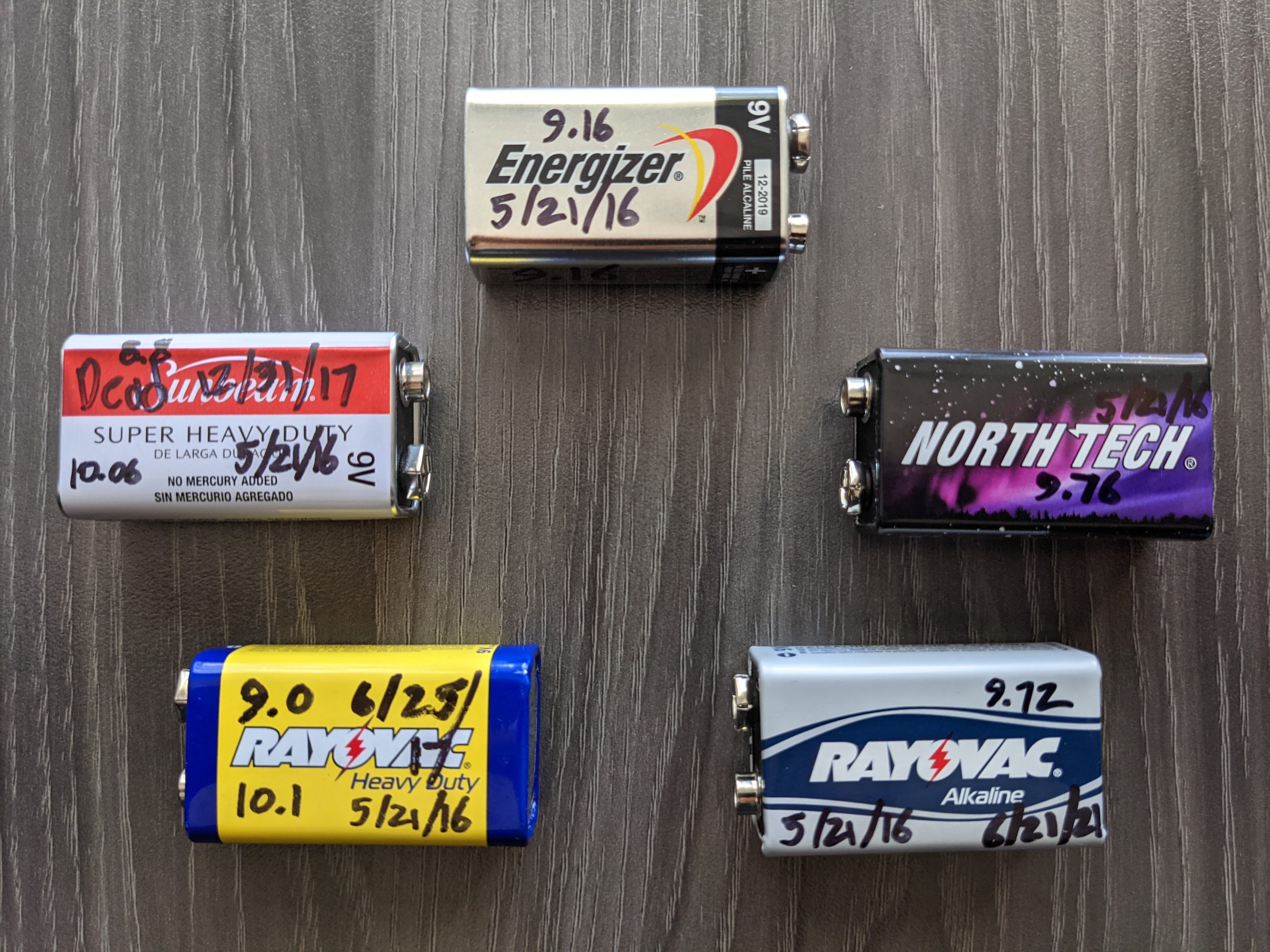
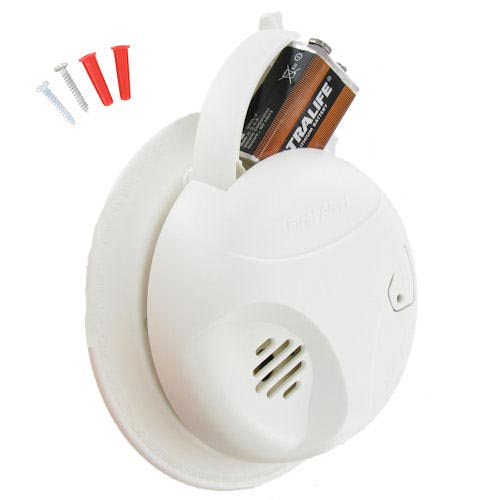
Different smoke detectors need different batteries. Some use AA or AAA batteries. Others require 9-volt or specialized lithium batteries. Always check your smoke detector’s manual or label. Using the correct battery type ensures the detector works well. It also prevents damage to the unit.
Cost Vs. Longevity
Cheap batteries may save money at first. They often run out faster and need frequent replacement. More expensive batteries usually last longer. They reduce the hassle of changing batteries often. Consider how long a battery lasts before buying. This saves money and keeps your home safer.
Safety Certifications
Choose batteries with safety certifications. Certified batteries meet strict quality and safety standards. They reduce risks like leakage or fire. Look for labels like UL, CE, or RoHS on the packaging. These marks show the battery is tested and safe to use.
Credit: www.firstalertstore.com
Battery Replacement Best Practices
Knowing how to replace batteries in your smoke detector is very important. It keeps your home safe from fire risks. Proper battery care helps the smoke detector work well all the time. It also saves you from sudden battery failure.
Follow good practices for changing batteries. Check your smoke detector often and replace batteries at the right time. Dispose of old batteries safely to protect the environment.
When To Replace Batteries
Replace batteries at least once a year. Some smoke detectors beep when batteries run low. Do not ignore the warning sound. Change batteries immediately to keep protection active. Use fresh batteries recommended by the smoke detector brand.
Safe Disposal Methods
Do not throw old batteries in the trash. Batteries contain harmful chemicals that can pollute soil and water. Take used batteries to a recycling center. Many stores accept batteries for recycling. Follow local rules for battery disposal. Keep batteries out of reach of children and pets.
Advancements In Smoke Detector Battery Technology
Smoke detector batteries have seen many improvements over the years. These changes help devices last longer and work better. New battery technology means fewer replacements and better safety. This section explores these advancements and their impact on smoke detectors.
Smart Smoke Detectors
Smart smoke detectors use new battery technology to stay powered longer. They connect to your phone and send alerts when the battery is low. These devices often include energy-saving features. This helps extend the battery life. Smart detectors also run self-checks to ensure they work well.
Long-life Battery Innovations
Long-life batteries in smoke detectors now last up to 10 years. These batteries use lithium-ion or other advanced materials. They perform better in extreme temperatures. This means the detector stays reliable in many conditions. Longer battery life reduces the need for frequent changes. It also lowers the chance of the battery dying unnoticed.

Credit: www.x-sense.com
Frequently Asked Questions
How Long Does A Smoke Detector Battery Typically Last?
A smoke detector battery usually lasts between 6 months and 1 year. Some models with lithium batteries can last up to 10 years, reducing maintenance needs.
What Factors Affect Battery Life In Smoke Detectors?
Battery life depends on usage frequency, battery type, and detector features. Frequent testing and alarm activations drain batteries faster, shortening their lifespan.
How Often Should I Replace My Smoke Detector Battery?
Replace your smoke detector battery at least once a year. Regular replacement ensures the alarm functions correctly and provides reliable safety.
Can A Dead Battery Cause False Alarms?
Yes, a dying battery can trigger false alarms. Low power causes intermittent signals, so replace batteries promptly to avoid disruptions.
Conclusion
Smoke detector batteries usually last about one year. Changing them on time keeps your home safe. Test your smoke detector every month to check the battery. A weak battery can fail when you need it most. Keep spare batteries in your home for quick replacement.
Regular care helps prevent accidents and protects your family. Simple steps make a big difference in safety. Don’t wait for a beep—replace batteries before they die. Stay alert, stay safe.