Have you ever wondered if your smoke detector is still working properly? You rely on it to keep you and your loved ones safe, but smoke detectors don’t last forever.
Knowing when your smoke detector has expired can be the difference between early warning and danger. You’ll learn simple ways to check if your smoke detector needs replacing—so you can protect your home with confidence. Keep reading to make sure your safety device is ready when you need it most.
Credit: support.firstalert.com
Signs Of An Expired Smoke Detector
Smoke detectors save lives by warning about fire dangers early. They do not last forever. Knowing signs of an expired smoke detector is key. Expired detectors might not work properly. This can lead to serious safety risks. Check your smoke detectors regularly to keep your home safe.
Check The Manufacturing Date
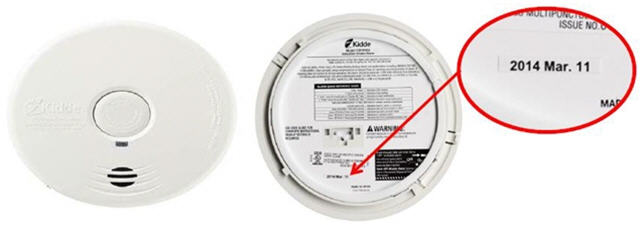
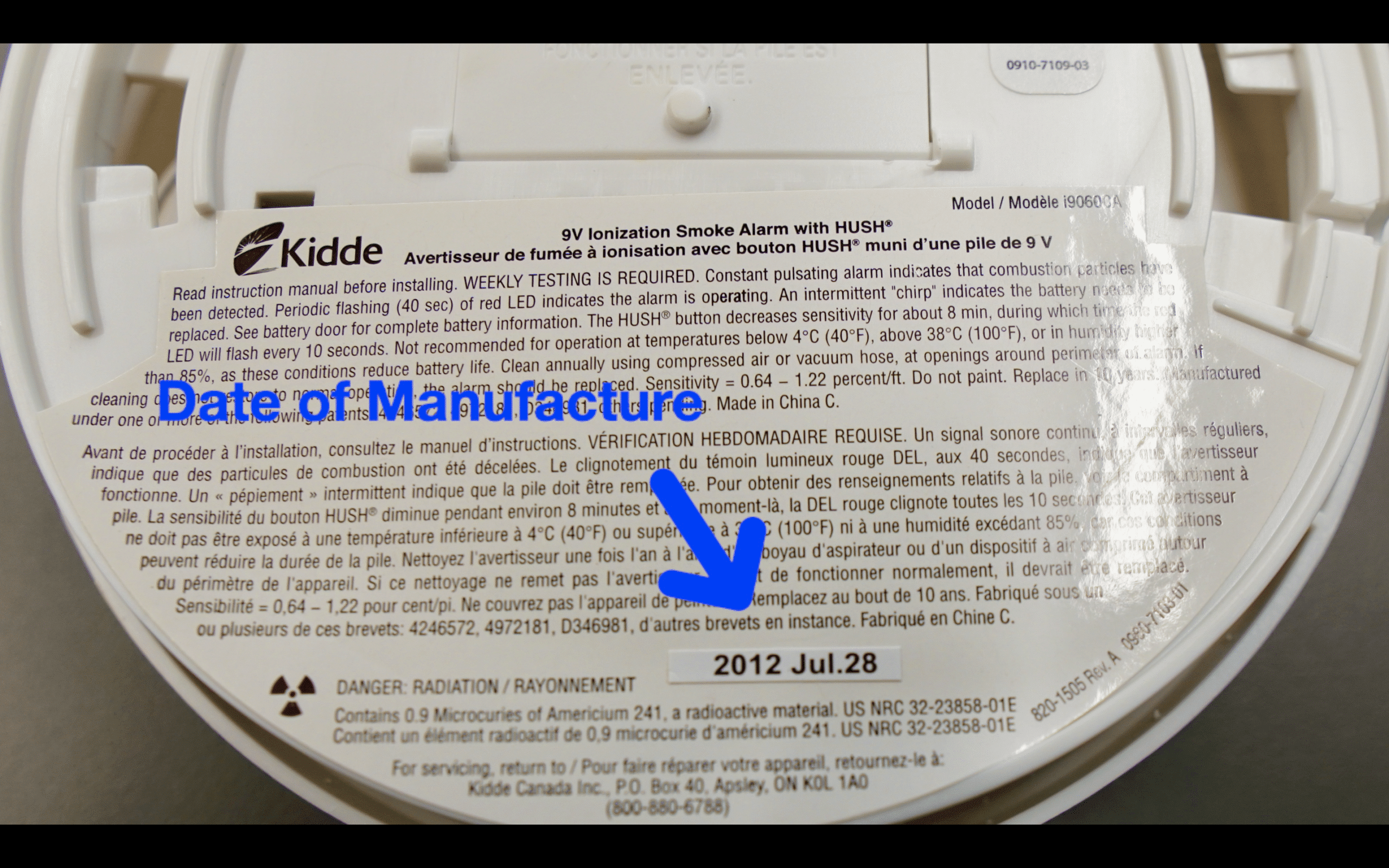
Find the manufacturing date on the back of your smoke detector. Most detectors last about 10 years from this date. If the date is more than 10 years old, replace the detector. Some models also show an expiration date. Use this as a guide to know when to change it.
Look For Physical Damage
Inspect your smoke detector for cracks, dents, or discoloration. Damage can affect how well it works. Dust and dirt buildup can also cause problems. Clean the detector gently, but replace it if it shows visible damage. A damaged detector cannot protect you properly.
Test The Alarm Sound
Press the test button on your smoke detector monthly. A loud, clear beep means it works well. Weak or no sound shows the alarm might be expired. Replace the detector if the sound is faint or missing. Always keep your smoke detector loud and reliable.
Recommended Replacement Timeline
Knowing the recommended replacement timeline for smoke detectors keeps your home safe. Smoke detectors lose effectiveness over time. Regular replacement ensures they work properly in emergencies. Follow clear timelines to avoid expired alarms.
Typical Lifespan Of Smoke Detectors
Most smoke detectors last about 10 years. After this, their sensors may fail. The battery may still work, but the alarm might not. Old detectors can give false alarms or miss smoke. Replace them every decade for best safety.
Manufacturer Guidelines
Check the smoke detector’s label or manual for specific advice. Manufacturers usually print the expiration date on the back. Follow their instructions strictly. Some models might have shorter or longer lifespans. Always trust the maker’s recommended timeline.
When To Upgrade To New Models
Upgrade if your detector is older than 10 years. Also consider new models with better technology. Some new detectors include voice alerts or wireless features. Replacing old units improves your home’s safety level. Don’t wait for a failure to replace it.
Testing And Maintenance Tips
Regular testing and maintenance keep your smoke detector working well. These steps help you know if the alarm will sound in an emergency. Small efforts now prevent big problems later.
Check your smoke detector often. Clean it and change batteries at the right time. This care extends the life of your alarm and keeps your home safe.
How To Perform A Monthly Test
Press and hold the test button on your smoke detector. Wait for the loud beep sound. This beep means the alarm works.
Test every detector in your home. Testing helps find problems early. No beep? Replace batteries or the entire unit.
Cleaning Your Smoke Detector
Turn off power to the detector before cleaning. Use a soft brush or vacuum cleaner with a soft nozzle. Remove dust and debris gently.
Clean every few months. Dust can block sensors and stop alarms. Keep the unit free from dirt for better safety.
Battery Replacement Best Practices
Replace batteries at least once a year. Use fresh batteries of the right type. Weak batteries can cause false alarms or no alarm at all.
Change batteries when the detector chirps. This sound means low battery. Keep spare batteries in your home for quick replacement.
Credit: www.spotoninspection.com
Types Of Smoke Detectors
Smoke detectors come in several types. Each type works differently to detect smoke. Knowing the type helps you understand how they protect your home. It also helps you spot signs of expiration or failure. Here are the main types of smoke detectors you may find.
Ionization Vs. Photoelectric
Ionization detectors detect fast, flaming fires quickly. They use a small amount of radioactive material to sense smoke particles. Photoelectric detectors sense slow, smoldering fires. They use a light beam to detect smoke. Each type has strengths and weaknesses. Some homes use both types for better protection.
Combination Alarms
Combination alarms include both ionization and photoelectric sensors. They detect both fast and slow fires. This type offers broader fire detection in one device. Combination alarms reduce the chance of false alarms. They provide a balanced approach to fire safety at home.
Smart Smoke Detectors
Smart smoke detectors connect to your phone or smart home system. They send alerts even when you are away. Some models test themselves and report battery status. They offer features like voice alerts and emergency calls. Smart detectors make monitoring easier and more reliable.
Safety Precautions And Best Practices
Safety is the top priority when it comes to smoke detectors. Following best practices ensures your home stays protected from fire hazards. Proper care and smart habits can save lives and reduce risks.
Proper Placement In Your Home
Place smoke detectors on every floor of your house. Install them inside each bedroom and outside sleeping areas. Keep them on the ceiling or high on walls. Avoid placing detectors near windows, doors, or vents. These spots may cause false alarms or delay detection.
Interconnected Alarm Systems
Connect all smoke alarms in your home to work together. When one alarm sounds, all alarms will ring. This feature alerts everyone quickly, no matter where the fire starts. Wired or wireless systems both improve safety. Check your alarms regularly to ensure they stay connected.
Preparing For Emergencies
Create a fire escape plan for your family. Practice the plan twice a year. Teach children how to respond to alarms. Keep a flashlight and phone near your bed. Know two ways out of every room. These steps help you act fast during a fire.
Credit: firerescue.richmond.ca
Frequently Asked Questions
How Long Do Smoke Detectors Usually Last?
Smoke detectors typically last about 10 years. After this period, their sensors become less effective. Replacing them ensures optimal safety in your home.
How Can I Check My Smoke Detector’s Expiration Date?
Look for a manufacturing date on the back of the detector. Add 10 years to this date to find the expiration. Replace the unit if it’s past this timeframe.
What Are Signs That My Smoke Detector Is Expired?
Frequent false alarms, no response to tests, or a yellow light indicate aging detectors. These signs suggest the device may no longer function correctly and should be replaced.
Can Expired Smoke Detectors Still Detect Smoke?
Expired detectors may fail to sense smoke promptly. Their sensors degrade over time, reducing reliability. It’s safer to replace expired units to maintain protection.
Conclusion
Smoke detectors keep your home safe from fire danger. Check the date on your device often. Most smoke alarms last about ten years. If it’s older, replace it right away. Test your smoke detector monthly to ensure it works. A working alarm can save lives and property.
Don’t wait for a sign of trouble. Stay safe by keeping your smoke detector up to date. It’s a small step with big benefits. Safety starts with a simple check.