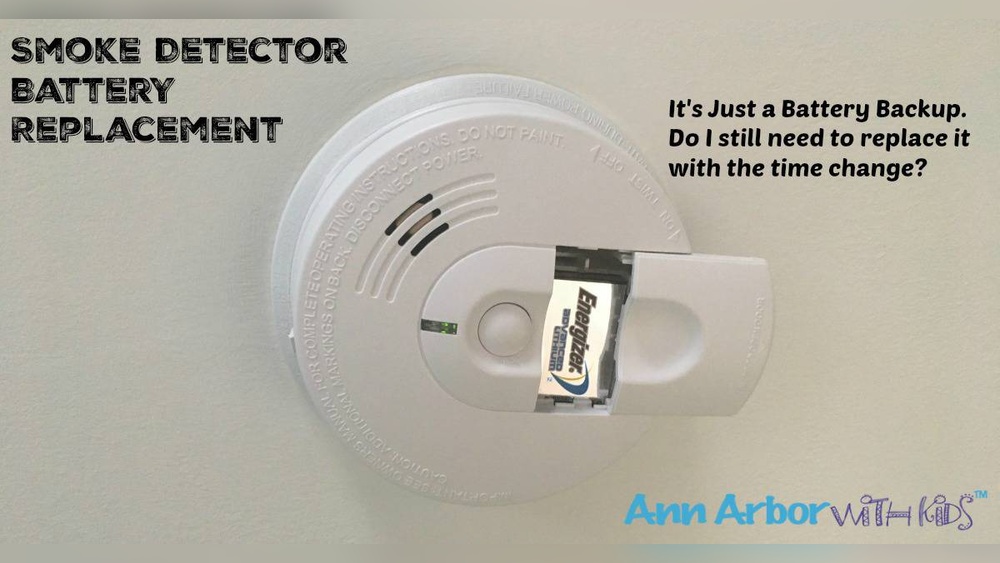

Have you ever wondered how long the batteries in your smoke detectors really last? Knowing this can be the difference between safety and risk in your home.
You rely on these devices to alert you in an emergency, but if the battery dies unexpectedly, they won’t work when you need them most. You’ll discover exactly how long smoke detector batteries usually last, signs your batteries need replacing, and simple tips to keep your home safe.
Keep reading to make sure you’re never caught off guard.

Credit: www.youtube.com
Battery Types For Smoke Detectors
Batteries power smoke detectors and keep homes safe. Choosing the right battery type impacts how long your detector works. Different batteries offer different lifespans and reliability. Understanding these types helps pick the best option for your smoke detector.
Alkaline Batteries
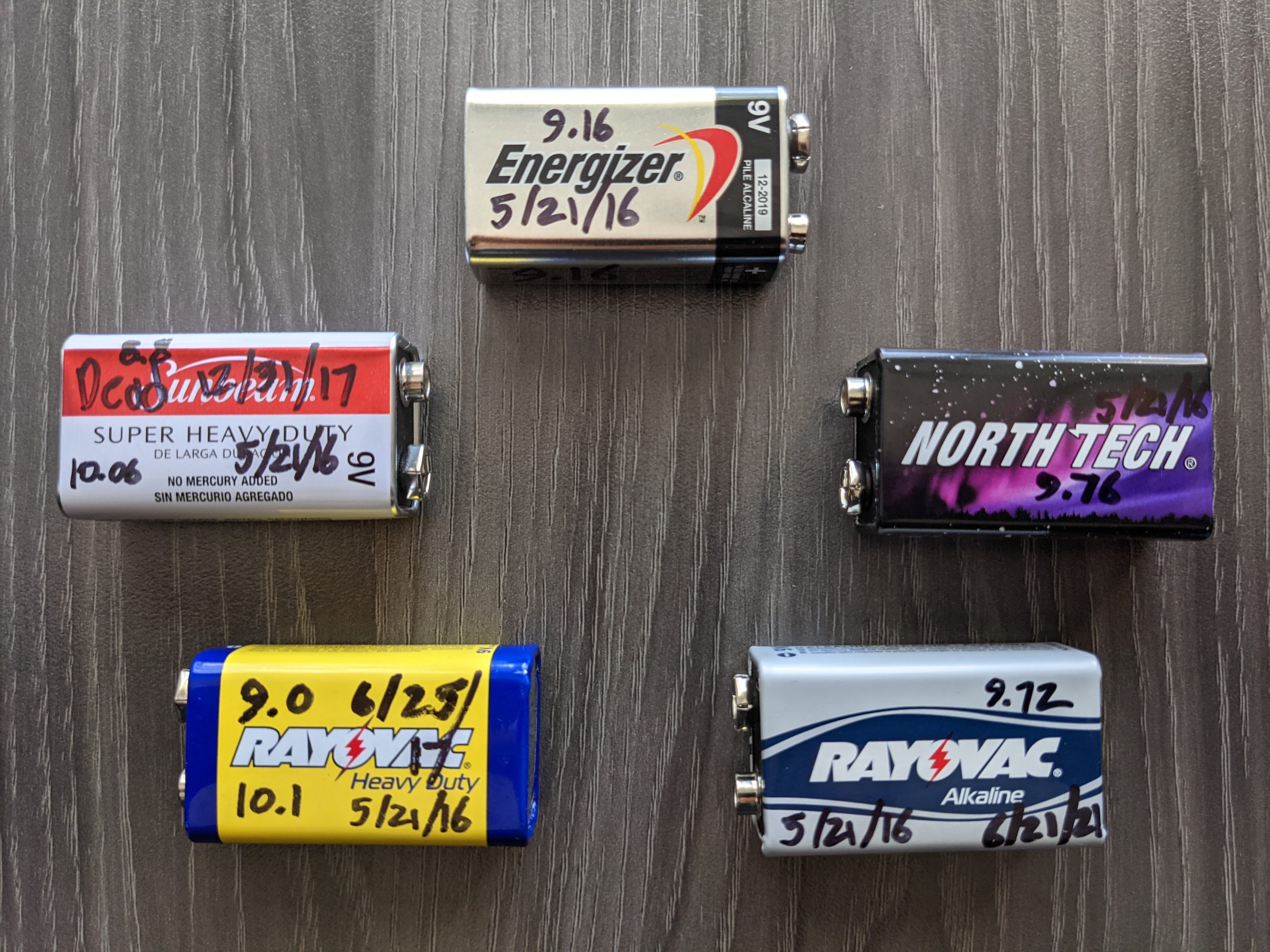
Alkaline batteries are common and easy to find. They usually last about 6 to 12 months in smoke detectors. These batteries are affordable and work well for most models. They should be replaced regularly to ensure safety. Alkaline batteries may leak if left too long inside the device.
Lithium Batteries
Lithium batteries last much longer than alkaline ones. They can power smoke detectors for up to 10 years. These batteries are more expensive but offer great reliability. Lithium batteries perform well in extreme temperatures. They reduce the need for frequent battery changes.
Rechargeable Options
Rechargeable batteries offer an eco-friendly choice. They can be reused many times, saving money over time. However, they may not last as long per charge in smoke detectors. Rechargeable options require regular charging to stay effective. Not all smoke detectors support rechargeable batteries, so check first.
Average Battery Life Span
The average battery life span in smoke detectors varies depending on the type of battery used and other factors. Knowing how long batteries last helps keep your home safe. Smoke detectors need reliable power to work properly. Changing batteries on time avoids false alarms and failures.
Typical Duration By Battery Type
Smoke detectors use different battery types. The most common are alkaline, lithium, and sealed lithium batteries. Alkaline batteries last about 6 to 12 months. Lithium batteries can last 7 to 10 years. Sealed lithium batteries are built into the detector and last the longest, up to 10 years without replacement.
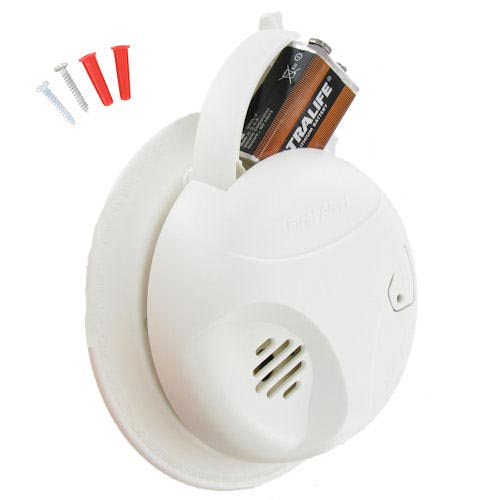
Some smoke detectors need 9-volt batteries, while others use AA or AAA cells. The type of battery affects how often you must change it. Choose the right battery for your smoke detector model.
Factors Affecting Battery Life
Battery life depends on more than the type. Temperature and humidity can reduce battery life. Higher heat or moisture drains batteries faster. Frequent testing or alarms also use more power. Older smoke detectors might use more battery power than newer models.
Regular maintenance keeps batteries working longer. Clean the detector and test it monthly. Replace batteries at least once a year or as recommended by the manufacturer. These steps ensure your smoke detector stays ready to protect you.
Signs Of Battery Wear
Smoke detectors save lives. Their batteries power this vital safety tool. Over time, these batteries wear out. Recognizing signs of battery wear helps keep your home safe. Early detection of battery issues ensures the detector works well.
Low Battery Chirps
One clear sign of battery wear is a low battery chirp. It is a short beep sound from the detector. This beep happens at regular intervals. The sound warns you to change the battery soon. Ignoring this can lead to a dead battery and no alarm.
Decreased Detector Sensitivity
Another sign is the detector’s reduced sensitivity. The alarm might not respond quickly to smoke. This happens as the battery loses power. The device may miss early signs of fire. Replacing the battery keeps the detector sharp and ready.
Credit: structuretech.com
Extending Battery Life
Extending the battery life in smoke detectors is vital for home safety. A longer-lasting battery means your detector works reliably. Small actions can make a big difference in how long batteries last.
Proper Installation Tips
Start with fresh, high-quality batteries. Use the type recommended by the smoke detector’s manufacturer. Insert batteries correctly, matching the positive and negative ends. Avoid mixing old and new batteries. Place detectors away from extreme heat or cold. These conditions drain batteries faster. Secure the detector firmly to prevent loose connections. Keep the smoke detector clean and free from dust. Dust can affect battery performance and sensor function.
Maintenance Practices
Test your smoke detector monthly to check battery health. Replace batteries at least once a year, even if it still works. Clean the device gently with a soft brush or cloth. Avoid using water or cleaners on the detector. Remove any insects or debris inside the detector. Keep a schedule or reminder for battery replacement. Silence false alarms quickly to avoid unnecessary battery drain. Proper maintenance ensures your detector lasts longer and works well.
When To Replace Batteries
Knowing when to replace the batteries in your smoke detector is vital for home safety. Batteries do not last forever. Over time, they lose power. A dead battery means the smoke detector won’t alert you during a fire. Regular checks and timely replacements keep your home protected.
Recommended Replacement Schedules
Most experts suggest changing smoke detector batteries once every year. Some newer models use long-life batteries that can last up to 10 years. Check the manufacturer’s instructions for your specific device. Mark a date on your calendar or set a reminder. Regular replacement ensures the detector works properly.
Emergency Replacement Scenarios
Sometimes, you must replace batteries sooner than planned. If your smoke detector starts beeping or chirping, it means the battery is low. Replace the battery immediately. Also, change batteries after power outages or during extreme weather. These events can reduce battery life unexpectedly. Always keep spare batteries at home for quick replacements.
Impact Of Battery Quality
Battery quality greatly affects how long smoke detector batteries last. Poor quality batteries lose power quickly. Good quality batteries keep your smoke detector working longer and more reliably. Choosing the right battery can save money and increase safety.
Brand Comparisons
Some brands offer longer-lasting batteries than others. Well-known brands often use better materials. These batteries hold charge longer and resist leaks. Cheaper brands may fail sooner and cause false alarms. Checking brand reviews helps pick reliable batteries.
Cost Vs. Performance
Higher price usually means better battery life. Budget batteries may save money upfront but need frequent changes. Long-lasting batteries cost more but reduce replacement frequency. Consider total cost over time, not just initial price. Investing in good batteries pays off in safety and convenience.
Smoke Detector Models And Battery Life
Smoke detectors come in different types and designs. Each model uses batteries in a unique way. Knowing these differences helps you choose the right one. It also shows how long the batteries will last. Battery life depends on the smoke detector model and its features.
Some smoke detectors rely fully on batteries. Others use a mix of power sources. The type of battery and usage affect how often you replace it. Let’s explore common smoke detector models and their battery life.
Hardwired Vs. Battery-only Models
Hardwired smoke detectors connect to your home’s electricity. They also have a backup battery. This battery lasts about 6 to 12 months. It works only during power outages. Battery-only models run entirely on batteries. These batteries usually last 9 to 12 months. You must replace them yearly. Battery-only models need more attention to battery life. Hardwired models have less frequent battery changes.
Smart Smoke Detectors
Smart smoke detectors use advanced technology. They connect to Wi-Fi and send alerts to your phone. Their batteries often last longer, about 1 to 10 years. This depends on the battery type and usage. Many smart detectors use lithium batteries. These last much longer than standard alkaline batteries. Some smart models have rechargeable batteries. They need less frequent replacement but require charging. Smart detectors need regular checks to ensure battery health.
Disposal And Environmental Concerns
Batteries in smoke detectors need proper disposal to protect the environment. Tossing them in regular trash can harm soil and water. Chemicals inside batteries can leak, causing pollution and health risks. Understanding safe disposal helps reduce this damage. It also keeps communities cleaner and safer.
Safe Battery Disposal
Do not throw smoke detector batteries in household trash. Take them to a battery recycling center or hazardous waste facility. Many stores offer free battery drop-off points. Store used batteries in a plastic container to stop leaks. Follow local rules for battery disposal to avoid fines. Proper disposal helps prevent toxic chemicals from spreading.
Eco-friendly Battery Alternatives
Some smoke detectors use rechargeable or long-life batteries. These options reduce waste and save money over time. Lithium-ion and sealed lithium batteries last longer and create less trash. Choose smoke detectors with eco-friendly batteries for less environmental harm. Using these batteries cuts the number of replacements needed. This choice helps protect the planet and your home.
Credit: www.firstalertstore.com
Frequently Asked Questions
How Long Do Smoke Detector Batteries Typically Last?
Smoke detector batteries usually last between 6 months to 1 year. Usage and battery type affect their lifespan. Regular testing helps ensure they function properly and alerts you when replacement is needed.
When Should I Replace Batteries In Smoke Detectors?
Replace smoke detector batteries at least once a year or when the low battery warning chirps. Timely replacement ensures continuous protection and prevents false alarms or detector failure.
Can Rechargeable Batteries Work In Smoke Detectors?
Rechargeable batteries can work but are not recommended. They may not provide consistent voltage, risking detector performance. Use manufacturer-recommended alkaline batteries for reliable smoke detector operation.
What Happens If Smoke Detector Batteries Die?
If batteries die, the detector won’t alert you to smoke or fire. This poses serious safety risks. Replace batteries immediately after hearing low battery chirps or missed tests.
Conclusion
Batteries in smoke detectors usually last about one year. Some models use long-life batteries that can work for up to ten years. Regularly checking your smoke detector ensures it works when needed. Replace batteries as soon as you hear the low-battery beep.
A working smoke detector can save lives by giving early warning. Don’t wait. Keep your home safe by maintaining your smoke detectors. Simple steps make a big difference. Stay safe and stay prepared.