
Have you ever wondered what happens inside a smoke detector when it suddenly starts beeping? Understanding how smoke detectors work can give you peace of mind knowing that your home is protected.
These small devices are lifesavers, quietly watching over your space and alerting you to danger before it’s too late. You’ll discover the simple science behind smoke detectors and why they’re so reliable. By the end, you’ll feel confident about how this essential safety tool keeps you and your loved ones safe every day.
Keep reading to learn exactly how smoke detectors do their critical job.

Credit: www.explainthatstuff.com
Types Of Smoke Detectors
Smoke detectors come in different types. Each type works in a unique way to detect smoke and alert you. Understanding these types helps you choose the right one for your home or office.
Ionization Smoke Detectors
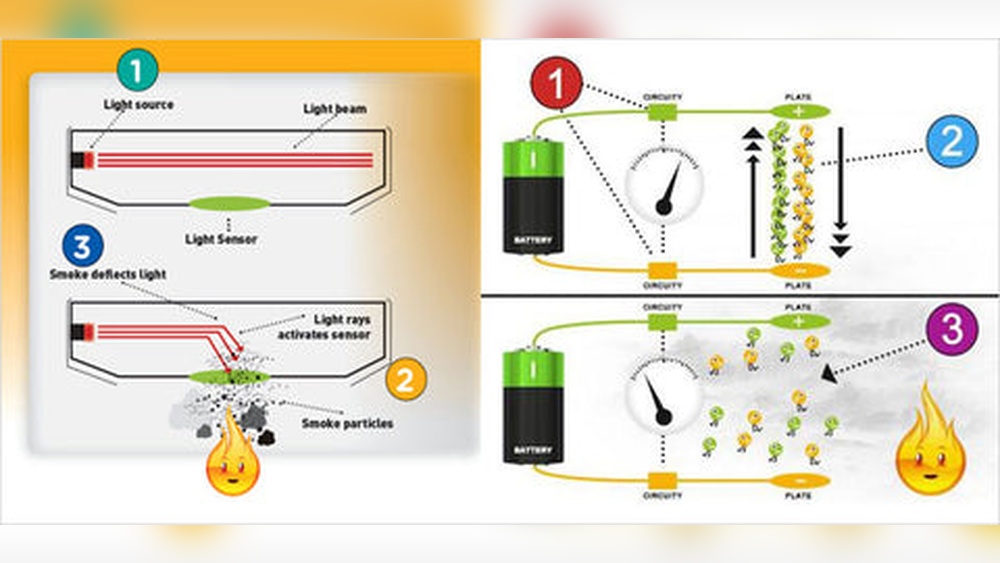
Ionization smoke detectors use a small amount of radioactive material. It ionizes the air inside a chamber. When smoke enters, it disrupts the ion flow. This triggers the alarm. These detectors are very fast at sensing small smoke particles. They are best for detecting fast, flaming fires.
Photoelectric Smoke Detectors
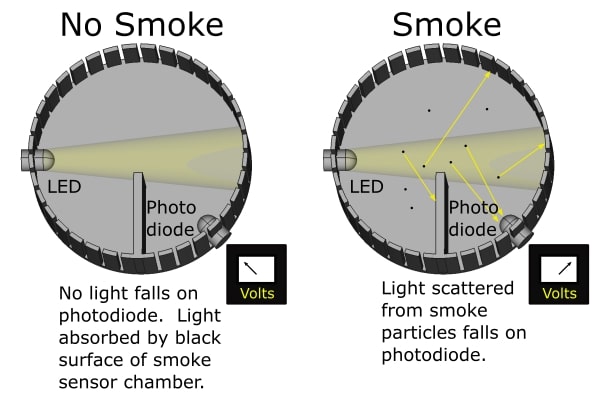
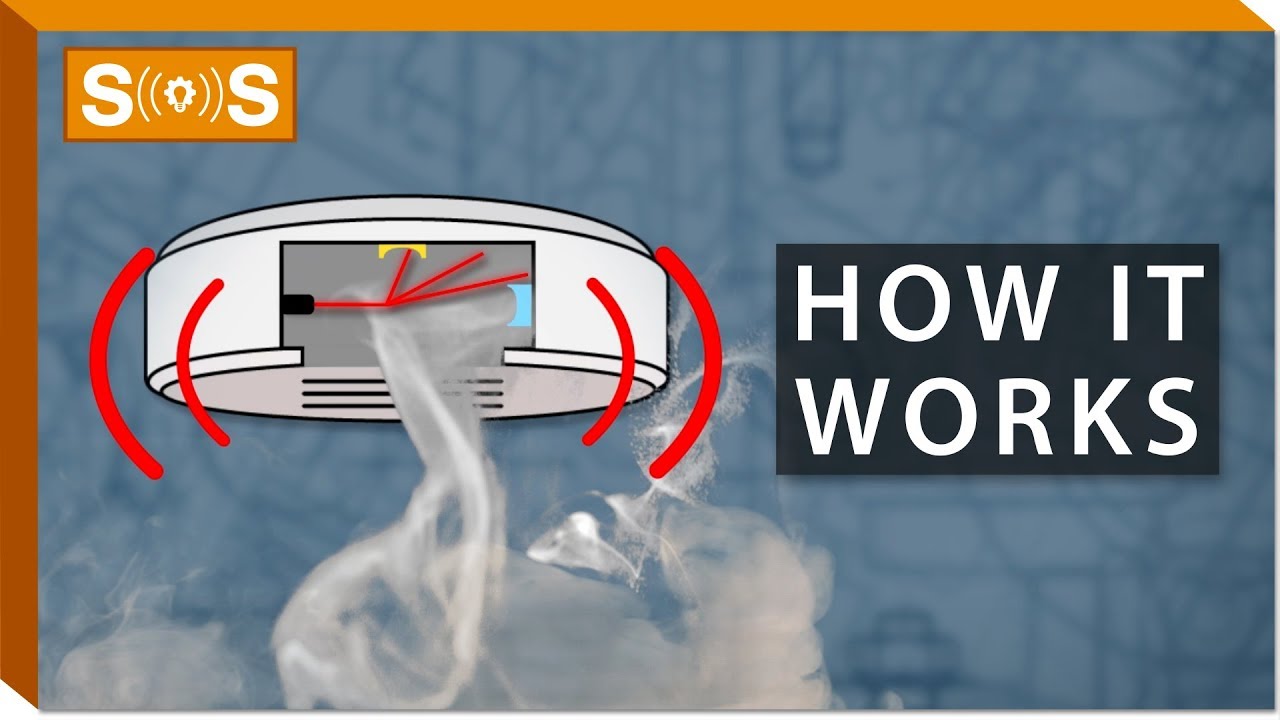
Photoelectric smoke detectors use light to detect smoke. Inside, a light beam shines in a chamber. Smoke particles scatter the light. This changes the light’s path and sets off the alarm. These detectors work well for slow, smoldering fires. They react to thick smoke better than ionization types.
Combination Smoke Detectors
Combination smoke detectors merge ionization and photoelectric technologies. They detect both flaming and smoldering fires quickly. These detectors offer broader protection for your home. Using both methods reduces the chance of missing a fire. Many modern homes use combination detectors for better safety.
Core Components Inside Smoke Detectors
Smoke detectors are vital for home safety. Their core components work together to detect smoke quickly and alert you. Understanding these parts helps you appreciate how the device keeps you safe every day.
Sensors And Detection Chambers
The sensor is the heart of a smoke detector. It senses smoke particles or changes in air quality. Detection chambers are small spaces where smoke enters and triggers the sensor. Two common types are ionization and photoelectric sensors. Ionization sensors detect fast flames. Photoelectric sensors spot slow, smoldering fires. Both work by detecting smoke particles inside the chamber.
Alarm Systems
The alarm system sounds a loud noise to warn you. It includes a loudspeaker or buzzer inside the detector. Once smoke is detected, the alarm activates immediately. The sound is designed to wake you up or alert you fast. Some alarms also flash a light for added warning. This system ensures you notice danger even in noisy environments.
Power Sources
Smoke detectors need power to work correctly. Most use batteries as a backup power source. Some connect directly to home electricity with battery backup. Batteries must be replaced regularly for safety. Hardwired detectors rely on home power but switch to batteries if power fails. This dual power setup keeps the alarm working at all times.
How Smoke Detectors Sense Smoke
Smoke detectors protect homes by sensing smoke early. They detect tiny particles in the air. These devices alert you before fire spreads. Two main types of smoke detectors sense smoke differently. Each uses a unique method to find smoke fast.
Ionization Detection Mechanism
Ionization smoke detectors use a small amount of radioactive material. This material ionizes air inside the detector chamber. Ionized air allows a small electric current to flow. When smoke enters, it disrupts this current. The change triggers the alarm to sound. These detectors react quickly to fast, flaming fires.
Photoelectric Detection Mechanism
Photoelectric detectors use a light source and a sensor. Normally, light does not hit the sensor directly. Smoke particles scatter the light toward the sensor. When light reaches the sensor, the alarm activates. These detectors work well with slow, smoldering fires.
Credit: www.smokesight.com
Installation Tips For Optimal Performance
Proper installation is key to smoke detectors working well. The right spot and regular upkeep keep you safe. Follow these tips to place and care for your smoke alarms. This helps catch smoke early and alerts you fast.
Ideal Locations
Place smoke detectors on every floor of your home. Install one inside each bedroom and outside sleeping areas. Mount them on the ceiling or high on the wall. Avoid corners or near windows and vents. Keep detectors at least 10 feet from cooking appliances. This reduces false alarms from smoke or steam.
Maintenance And Testing
Test smoke detectors monthly to ensure they work. Press the test button until the alarm sounds. Change batteries at least once a year or when low battery signals beep. Clean detectors with a soft brush or vacuum. Dust and dirt can block sensors. Replace smoke detectors every 10 years for best protection.
Common Issues And Troubleshooting
Smoke detectors are vital for home safety. They alert you early to fire dangers. Like any device, they can face issues. Knowing common problems helps keep detectors working well. Troubleshooting these issues saves time and ensures safety.
False Alarms
False alarms happen when detectors sense smoke but no fire exists. Cooking smoke and steam often trigger alarms. Dust buildup inside the detector also causes false alerts. Strong chemicals or sprays can set off alarms too. Regular cleaning and proper placement reduce false alarms.
Battery Problems
Dead or weak batteries stop detectors from working. Most detectors beep when batteries are low. Ignoring this signal risks safety. Replace batteries at least once a year. Use the right battery type for your model. Test detectors after battery changes to confirm function.
Sensor Failures
Sensors can fail due to age or damage. Smoke detectors usually last 8 to 10 years. Old sensors may not detect smoke properly. Dust and dirt buildup can block sensors. Replace detectors every decade and clean them often. Regular testing ensures sensors respond correctly.
Latest Innovations In Smoke Detection
Smoke detectors have improved a lot over the years. New technology makes them smarter and more reliable. These devices now do much more than just sound an alarm. They connect with other systems and help keep homes safer in many ways.
Smart Smoke Detectors
Smart smoke detectors use sensors to detect smoke and fire quickly. They send alerts to your phone, even if you are away. Some models can tell the difference between smoke and steam. This reduces false alarms. They also test themselves and notify you when batteries are low.
Integration With Home Automation
Smoke detectors now work with home automation systems. They can trigger lights to turn on during an emergency. Some systems unlock doors to help you escape safely. They can also pause HVAC systems to stop smoke from spreading. This integration makes your home safer and smarter.
Credit: www.youtube.com
Frequently Asked Questions
How Do Smoke Detectors Sense Smoke?
Smoke detectors use sensors to detect smoke particles in the air. When smoke enters the sensor chamber, it triggers the alarm, alerting occupants to potential fire.
What Types Of Smoke Detectors Are Available?
There are two main types: ionization and photoelectric. Ionization detectors respond quickly to flaming fires, while photoelectric detect smoldering fires more effectively.
How Often Should Smoke Detectors Be Tested?
Test smoke detectors monthly by pressing the test button. Replace batteries at least once a year, or sooner if low battery signals occur.
Can Smoke Detectors Prevent Fire Damage?
Smoke detectors provide early warnings, enabling faster evacuation and fire response. This early alert can significantly reduce fire damage and save lives.
Conclusion
Smoke detectors save lives by warning us of fire early. They sense smoke using simple, effective technology. Regularly testing and maintaining them keeps them working well. Install detectors in key places around your home or office. Always replace batteries as needed for continuous protection.
Understanding how they work helps you stay safer every day. Don’t wait for danger to act—check your smoke detectors now. Safety starts with small, smart steps everyone can take.