
Are you curious about what voltage means for your LED string lights? Understanding voltage is key to making sure your lights shine bright and last long.
If you’ve ever wondered why some LED string lights flicker or don’t work properly, the answer often lies in the voltage. You’ll discover exactly what voltage is, why it matters for your LED lights, and how to choose the right one for your needs.
Keep reading to make your lighting setup safe, efficient, and stunning!
Basics Of Voltage In Led String Lights
Understanding voltage is key to using LED string lights safely and effectively. Voltage is the electrical force that pushes current through the lights. It determines how much power the LED string lights need to work well.
Using the right voltage helps the lights shine bright and last longer. Too much or too little voltage can cause problems. Knowing the basics of voltage can help you choose the right LED string lights for your space.
Voltage And Electrical Current
Voltage is like the pressure that moves electric current. Electrical current is the flow of electrons through the wires. LED string lights need both voltage and current to light up.
The voltage must match the LED string lights’ design. If the voltage is too low, the lights may not glow. If it is too high, the lights can burn out quickly.
How Voltage Affects Led Performance
Voltage controls the brightness of LED string lights. Correct voltage gives a steady and bright light. Low voltage makes the lights dim and weak.
High voltage can cause the LEDs to overheat. Overheating reduces their life span. It can also damage the wiring and other parts.
Common Voltage Ratings For Led String Lights
LED string lights come with different voltage ratings. Understanding these ratings helps in choosing the right lights for your needs. Voltage affects safety, brightness, and energy use. Knowing common voltage levels can guide you to the best choice.
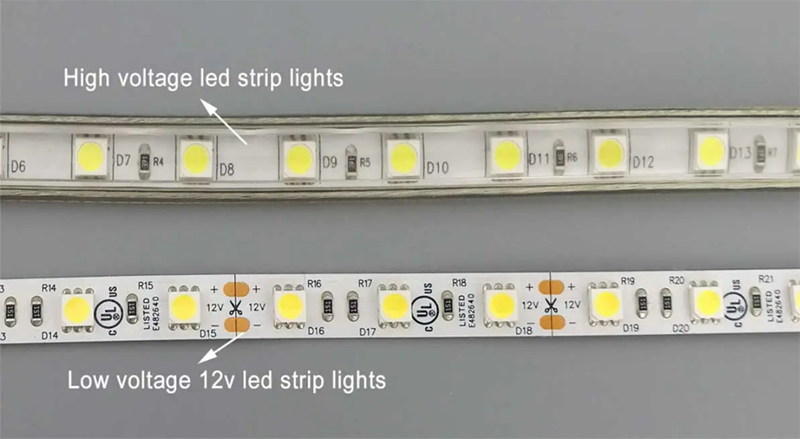
Low Voltage Vs. High Voltage Lights
Low voltage LED string lights usually run on 12V or 24V. They are safer for outdoor use and easy to install. These lights use less energy and create less heat. Low voltage lights often need a transformer or adapter.
High voltage LED string lights use 110V or 220V, matching home power supplies. They do not require extra adapters. These lights can cover longer distances without losing brightness. They may be less safe for wet areas without proper protection.
Standard Voltage Options
The most common voltage for LED string lights is 12V. Many garden and holiday lights use this voltage. Another popular option is 24V, which offers more power for bigger setups. Household voltage levels, like 110V or 220V, are also common.
Choosing the right voltage depends on where and how you use the lights. Low voltage is best for close, decorative lighting. High voltage suits larger areas or permanent installations.
Choosing The Right Voltage For Brightness
Choosing the right voltage for LED string lights affects how bright they shine. Voltage controls the power that reaches each LED bulb. Picking the correct voltage helps you get the brightness you want without wasting energy. This section explains how voltage impacts light intensity and how to balance brightness with energy use.
Voltage Impact On Light Intensity
Voltage directly affects how much light each LED produces. Higher voltage usually means brighter lights. Too low voltage can make lights dim or flicker. Each LED string has a voltage rating that matches its design. Using the right voltage ensures steady and clear light output. Over-voltage can damage LEDs, so avoid pushing too much power.
Balancing Brightness And Energy Use
Bright lights use more power and may drain batteries faster. Lower voltage saves energy but reduces brightness. Find a voltage level that gives enough light for your space. Efficient LED string lights often run on low voltage but still shine bright. Adjust voltage based on your needs to save energy and keep good brightness.
Credit: www.superlightingled.com
Safety Considerations With Led Voltage
Safety is very important when dealing with LED string lights and their voltage. LED lights use electricity, and wrong voltage can cause problems. Knowing how to handle voltage safely helps avoid accidents. It also keeps the lights working well for a long time. Understanding safety tips protects your home and family from electrical risks.
Preventing Electrical Hazards
Use LED string lights made for your power source. Too much voltage can cause overheating or fires. Avoid using damaged lights or wires. Always check for frayed cords or broken bulbs before use. Turn off lights when not in use to reduce risk. Keep lights away from water or wet areas to prevent shocks. Use a surge protector to protect lights from power spikes.
Proper Wiring And Insulation
Connect LED lights following the instructions carefully. Use wires that match the voltage and current needs. Poor wiring can cause short circuits or electric shocks. Insulate all connections with electrical tape or wire nuts. Avoid exposing wires to heat or sharp objects. Keep wires neat and secure to prevent tripping or damage. Check all connections before turning on the lights.
Voltage And Led String Light Lifespan
Voltage plays a key role in the lifespan of LED string lights. The correct voltage keeps LEDs working well and lasting longer. Too much or too little voltage can cause problems. Understanding voltage helps protect your lights and saves money. It also keeps your lighting bright and steady.
Effects Of Overvoltage
Overvoltage means giving more voltage than the LED needs. This can make the LED get very hot. Heat damages the small parts inside the light. This damage shortens the light’s life. Overvoltage can also cause flickering or sudden failure. It makes the LED less reliable and safe.
Maintaining Optimal Voltage Levels
Use the correct power source for your LED string lights. Check the voltage rating on the packaging or manual. Avoid using power supplies that give too much voltage. Use voltage regulators or converters if needed. Keep the voltage steady to prevent damage. Proper voltage means longer life and better performance.

Credit: www.amazon.com
Voltage Converters And Transformers
Voltage converters and transformers play a key role in powering LED string lights safely. These devices adjust the electric power to match the needs of your lights. Using the correct voltage keeps the lights bright and prevents damage.
Understanding when and how to use these tools helps protect your investment. It also ensures your lights work efficiently and last longer. Below, learn about the right situations and choices for voltage converters and transformers.
When To Use A Transformer
Use a transformer when your LED string lights need a different voltage than your power source. Most LED strings work on low voltage, like 12V or 24V. Home outlets usually provide higher voltage, around 120V or 240V.
The transformer lowers this voltage safely. It stops the lights from burning out or flickering. Transformers are essential for outdoor lights or long strings that require stable power.
Selecting The Right Converter
Choose a converter that matches your LED string light’s voltage and power needs. Check the label on your lights for the required voltage and wattage. Pick a converter that can handle a slightly higher wattage for safety.
Converters come in different sizes and types. Some convert AC to DC power, which many LED lights require. Ensure the converter fits your setup and has good reviews for reliability.
Troubleshooting Voltage Issues
Voltage issues can cause LED string lights to perform poorly. Troubleshooting these problems helps keep your lights bright and steady. Knowing how to spot and fix voltage troubles saves time and frustration.
Identifying Voltage Drops
Voltage drops happen when power weakens along the wire. This can cause some LEDs to be dim or not work. Check the wire length and connection points for damage or loose contacts. Using a multimeter can help measure voltage at different points. A big drop means the wire may be too long or thin.
Fixing Flickering And Dimming Lights
Flickering or dim lights often show voltage problems. Tighten all connections and replace any worn wires. Try using a power supply with the right voltage for your LED string. Adding a voltage regulator can keep power steady. Avoid overloading the circuit by connecting too many lights.
Credit: www.homedepot.com
Energy Efficiency And Voltage
Voltage plays a key role in the energy efficiency of LED string lights. Using the right voltage helps save electricity and lowers bills. It also affects how long the lights last and how bright they shine.
Choosing LED string lights with proper voltage can cut down wasted power. This makes them more eco-friendly and cost-effective. Understanding voltage helps pick lights that work well without using extra energy.
Low Voltage Led Benefits
Low voltage LED string lights use less electricity than high voltage ones. They run cooler, reducing the risk of overheating. These lights are safer for homes and outdoor use. They also last longer, which means fewer replacements and less waste.
With low voltage, the bulbs shine bright but consume less power. This helps keep energy costs down while still lighting up spaces nicely.
Reducing Power Consumption
LED string lights with lower voltage cut power use significantly. They convert more electricity into light, not heat. This means less energy is wasted.
Reducing power consumption helps protect the environment. It lowers greenhouse gas emissions linked to electricity production. Using low voltage LED lights is a simple way to save energy daily.
Frequently Asked Questions
What Voltage Is Best For Led String Lights?
LED string lights commonly use 12V or 24V for safety and efficiency. Lower voltages reduce fire risks and energy use.
Can Led String Lights Work On Household Voltage?
Most LED string lights require a transformer to convert 120V household power to lower voltages like 12V or 24V.
How Does Voltage Affect Led String Light Brightness?
Higher voltage generally increases LED brightness but also raises energy consumption and heat production, impacting lifespan.
Are Low-voltage Led String Lights Safer To Use?
Yes, low-voltage LED lights (12V-24V) reduce shock hazards and are safer for indoor and outdoor use.
Conclusion
Voltage is key to powering LED string lights safely and well. Choosing the right voltage keeps lights bright without damage. Low voltage means safer use and less heat. High voltage can cause bulbs to burn out fast. Always check your LED string lights’ voltage before use.
This helps avoid problems and saves money. Understanding voltage makes decorating easier and more fun. Remember, the right voltage means your lights will shine longer. Simple steps can protect your lights and your home. Keep voltage in mind for the best lighting experience.