
Are you tired of constantly opening the door for your pet? The Sureflap Microchip Pet Door offers a smart, convenient way to give your furry friend freedom while keeping unwanted animals out.
Installing it might seem tricky, but don’t worry—you’re about to discover a simple, step-by-step guide that makes the whole process easy. By the end of this article, you’ll have your pet door set up perfectly, so your pet can come and go safely whenever they want.
Ready to get started? Let’s dive in!
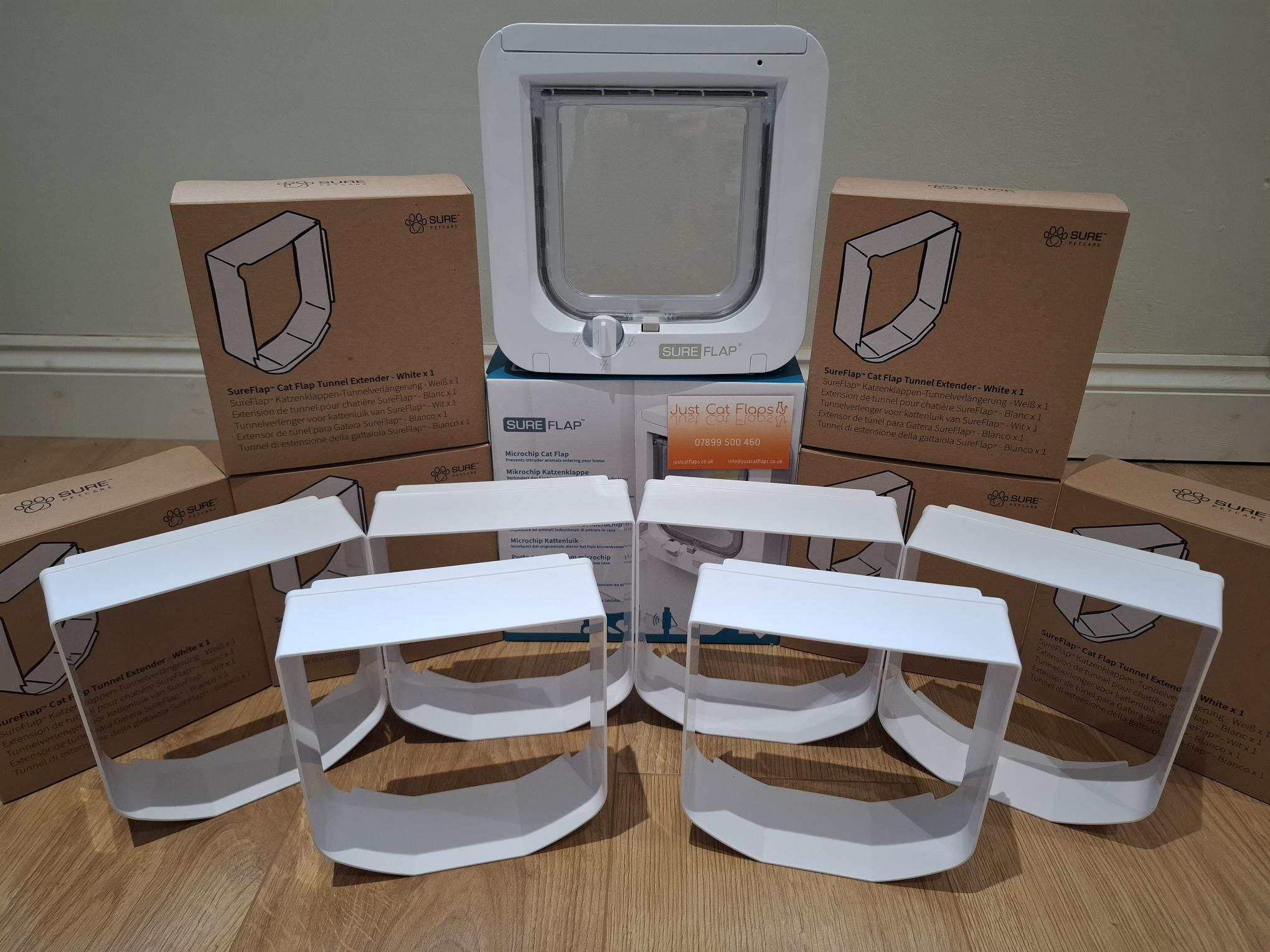
Credit: vixencomposites.com
Choosing The Right Location
Choosing the right location for your Sureflap Microchip Pet Door is important. It affects how well your pet uses the door and how easy the installation will be. Picking a good spot helps keep your home safe and comfortable for your pet. Consider your pet’s habits and your home’s layout before starting the installation.
Assessing Door Types
Check the type of door where you want to install the pet door. Wooden doors are easier to cut than metal or glass doors. Some doors may need extra tools or special care. Make sure the door material suits the pet door model. This step helps avoid damage and ensures a smooth fit.
Considering Pet Access
Think about how your pet moves in and out of the house. Place the pet door at a height your pet can easily reach. Avoid spots with obstacles like furniture or stairs nearby. The door should be in a quiet, safe area. This makes your pet feel comfortable using the door.
Measuring Door Dimensions
Measure the width and height of the door carefully. Compare these with the pet door size you bought. Allow some extra space for installation tools and adjustments. Accurate measurements prevent mistakes and help the door fit perfectly. Double-check your numbers before cutting or drilling.
Gathering Necessary Tools
Before installing the Sureflap Microchip Pet Door, gather all necessary tools. This step saves time and avoids frustration. Having the right equipment makes the process smooth and safe.
Prepare your workspace and check each tool carefully. This helps prevent mistakes and ensures the pet door fits perfectly.
Tools Checklist
Start with a tape measure for accurate dimensions. Use a pencil to mark the cutting area. A drill with drill bits is essential for making holes. A jigsaw or handsaw will help cut the door or wall. Screwdrivers are needed to fix the pet door securely. Sandpaper smooths rough edges after cutting. A level tool ensures straight installation. Gather all these before starting the installation.
Safety Equipment
Wear safety glasses to protect your eyes from dust and debris. Use gloves to guard your hands while handling tools. Ear protection is useful if using loud power tools. A dust mask can prevent inhaling particles. Keeping safety equipment ready avoids injuries during installation. Take safety seriously for a smooth project.
Preparing The Door
Preparing the door is a key step before installing the Sureflap Microchip Pet Door. This step ensures a smooth fit and proper function. Take time to prepare carefully. This will save effort later. Follow these guidelines to get ready.
Marking Cutout Area
Start by measuring the space for the pet door. Use the template provided with your Sureflap kit. Place it on the door where you want to install the pet door. Double-check the height to match your pet’s size. Use a pencil to mark the outline clearly. Make sure the lines are visible and neat. This helps create an accurate cutout without mistakes.
Protecting Surroundings
Cover the floor near the door with a drop cloth or old newspaper. This catches dust and debris from cutting. Use painter’s tape around the marked area on the door. It prevents splintering and protects the door’s surface. Also, wear safety glasses and gloves for protection. Keep pets and children away during this step. Clean the area after cutting to avoid hazards.
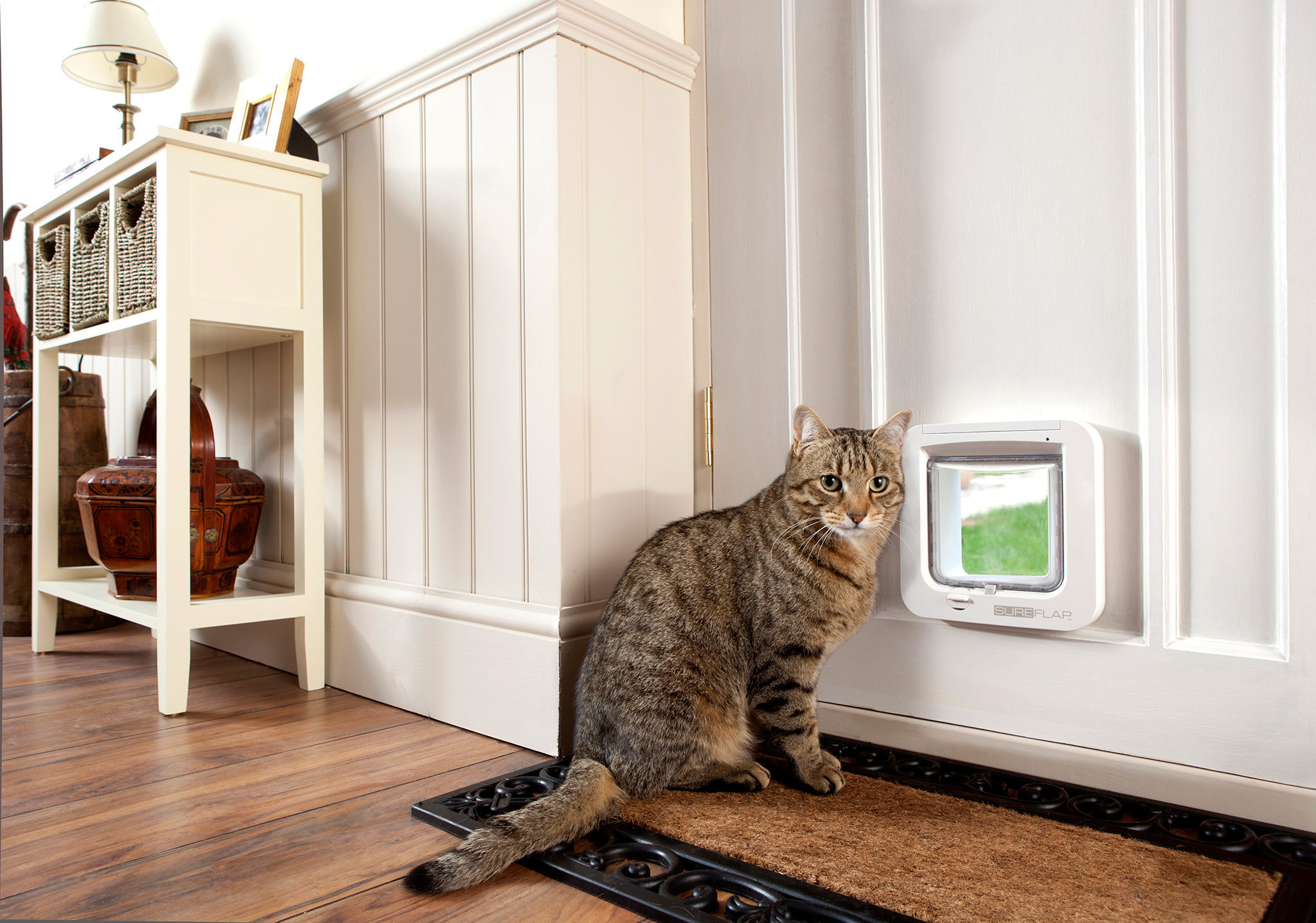
Credit: nicksopczakphotography.com
Cutting The Door
Cutting the door is a key step when installing the Sureflap Microchip Pet Door. It requires accuracy and care to create a perfect opening for the pet door. A clean cut will help the door fit well and keep your home insulated.
Drilling Starter Holes
Begin by marking the door with the template provided. Drill holes at each corner of the marked area. These holes make it easier to cut with the jigsaw. Use a drill bit that matches the size of the jigsaw blade. Keep the drill steady to avoid cracking the door.
Using A Jigsaw Safely
Wear safety goggles before starting the jigsaw. Insert the blade into one starter hole. Cut along the marked line slowly and steadily. Do not force the blade to avoid rough edges. Keep both hands on the jigsaw for control. Take breaks if the blade heats up.
Smoothing Edges
After cutting, the edges may be rough. Use sandpaper or a file to smooth the edges carefully. Smooth edges prevent splinters and help the pet door fit tightly. Check the cutout one last time before fixing the pet door in place.
Installing The Pet Door Frame
Installing the pet door frame is a key step for your Sureflap Microchip Pet Door. The frame holds the door securely in place. It must be positioned accurately for smooth operation. This part of the installation ensures your pet can use the door easily. Follow the steps carefully to avoid any issues.
Aligning The Frame
Start by placing the frame in the cut-out space. Check that it fits tightly and evenly. The frame should be level from side to side. Use a spirit level to confirm the alignment. Make small adjustments to avoid gaps. Proper alignment stops drafts and keeps the door stable.
Securing With Screws
Once aligned, fix the frame using screws. Use the screws provided with your door kit. Insert screws into the pre-drilled holes on the frame. Tighten each screw evenly to prevent warping. Avoid over-tightening to protect the frame material. Secure screws firmly for long-lasting stability.
Setting Up The Microchip Reader
Setting up the microchip reader is the first step in installing your Sureflap pet door. This device allows your pet to enter and exit freely. It reads your pet’s microchip to unlock the door only for them. Proper setup ensures your pet’s safety and convenience.
The microchip reader needs power and correct programming. Follow each step carefully for the best results. This section covers how to insert batteries and program pet microchips.
Inserting Batteries
Open the battery compartment on the microchip reader. Use the screwdriver provided to remove the cover. Insert four AA batteries, matching the positive and negative ends correctly. Close the compartment securely to protect the batteries. Check the LED light; it should flash to show power.
Programming Pet Microchips
Turn on the microchip reader by pressing the power button. Press the program button to start the setup mode. Hold your pet’s microchip close to the reader until you hear a beep. Repeat this for each pet you want to register. Confirm all microchips are programmed by testing the door lock. This step ensures only your pets can use the door.
Testing The Pet Door
Testing the Sureflap Microchip Pet Door is an important step. It makes sure the door works well and your pet can use it easily. Take time to check the door after installation. This helps catch any problems early. A smooth operation means your pet will be happy and safe.
Ensuring Smooth Operation
Start by opening and closing the door manually. The flap should move without sticking or noise. Next, activate the pet door using your pet’s microchip. Watch if the door unlocks quickly and closes properly. Check the sensors to see if they detect your pet’s chip. Ensure the door locks securely when not in use. Test the door several times to confirm it works every time.
Troubleshooting Common Issues
If the door does not unlock, check the battery level first. Low power can cause malfunctions. Make sure the microchip is registered in the system. Clean the sensors to remove dust or dirt. Stuck flaps may need lubrication or slight adjustment. Reset the pet door if it freezes or does not respond. Consult the manual for error codes or unusual signs. Repeat tests after each fix to ensure success.
Maintaining The Pet Door
Maintaining your Sureflap Microchip Pet Door keeps it working smoothly for years. Simple care helps prevent problems and keeps your pet safe. Regular checks ensure the door opens and closes without issues. A clean door works better and lasts longer.
Regular Cleaning Tips
Clean the flap and frame often. Use a damp cloth to wipe away dirt and dust. Avoid harsh chemicals that can damage the door. Check the sensors and microchip reader for dirt. Remove hair and debris from moving parts. Cleaning stops the door from sticking or jamming.
Battery Replacement
The pet door runs on batteries. Replace them every six months or when the door beeps. Use the correct battery type as stated in the manual. Open the battery compartment carefully and swap old batteries for new ones. Test the door after replacement to ensure it works well. Fresh batteries keep the door responsive and reliable.

Credit: www.surepetcare.com
Frequently Asked Questions
How Do I Install A Sureflap Microchip Pet Door?
First, measure your door or wall thickness. Mark the cut-out area. Use the template provided to cut the hole. Insert the door and secure it with screws. Follow the manual for locking and microchip programming steps.
Can I Install The Sureflap Door On Glass?
Yes, but you need a glass adapter kit. It allows safe mounting without damaging the glass. Follow specific instructions in the kit for proper installation and sealing.
How Do I Program My Pet’s Microchip To The Door?
Switch the door to programming mode. Hold your pet near the door until it beeps. This records the microchip ID. Repeat for multiple pets. Confirm successful programming by testing the door’s response.
What Tools Are Required For Installation?
You need a drill, jigsaw or hole saw, screwdriver, measuring tape, and pencil. Safety gear like gloves and goggles is recommended. Using the correct tools ensures a clean, secure installation.
Conclusion
Installing the Sureflap Microchip Pet Door is simple and quick. Follow each step carefully for best results. Your pet will enjoy easy and safe access outside. The door works well with your pet’s microchip. No need to worry about stray animals entering.
Regular checks keep the door working smoothly. Enjoy the freedom and peace of mind this door brings. Give your pet the comfort they deserve today.


