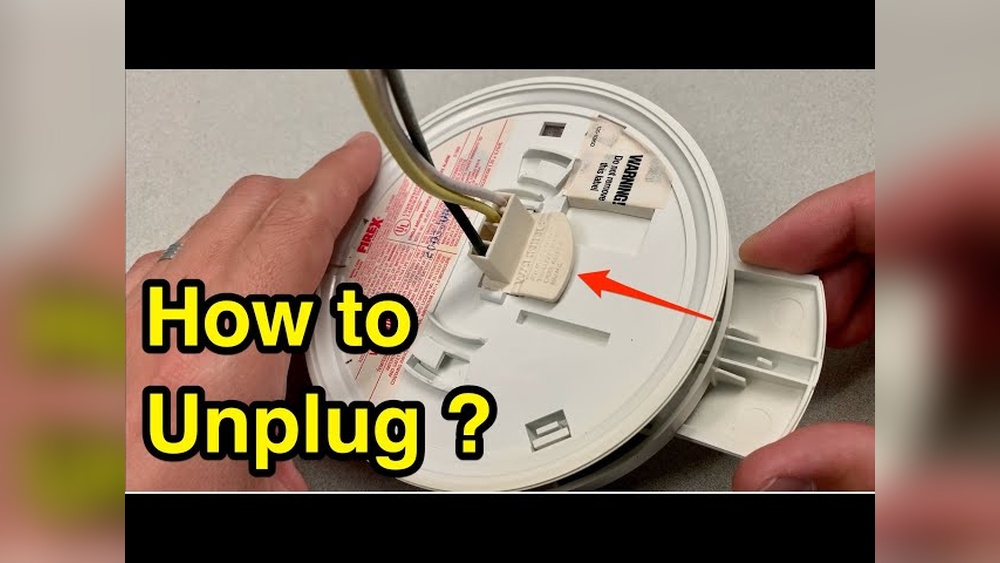

Have you ever needed to disconnect your wired smoke detector but didn’t know where to start? Maybe it’s making a constant noise, or you’re upgrading to a newer model.
Whatever the reason, handling a wired smoke detector can feel tricky and even a bit risky. But don’t worry—you’re in the right place. This guide will walk you through the simple steps to safely disconnect your wired smoke detector, so you can take control without stress.
Keep reading, and you’ll have the confidence to get it done quickly and correctly.
Safety First
Safety is the top priority before disconnecting a wired smoke detector. Electricity can cause serious injury or damage. Taking simple safety steps helps avoid accidents and ensures the process goes smoothly.
Follow these essential safety actions to protect yourself and your home.
Turn Off Power
Switch off the main power supply to the smoke detector circuit. Use the circuit breaker or fuse box to cut the power. This stops any electric current from flowing to the detector.
Double-check by testing the detector to confirm no power remains. This step prevents electric shocks during disconnection.
Gather Necessary Tools
Prepare all tools before starting work. You will need a screwdriver, voltage tester, and a ladder if the detector is on the ceiling. Having tools ready keeps the job safe and efficient.
Using the right tools reduces risks and helps you avoid damage to the smoke detector or wiring.
Wear Protective Gear
Put on safety gloves and goggles to protect your hands and eyes. Gloves reduce the chance of electrical shock. Goggles shield your eyes from dust or debris.
Wear sturdy shoes to avoid slipping, especially if you use a ladder. Protective gear keeps you safe throughout the task.
Credit: www.youtube.com
Locate The Smoke Detector
Finding the wired smoke detector is the first step before disconnecting it. Knowing its exact location helps you work safely and efficiently. Usually, smoke detectors are on ceilings or high on walls. You might need a ladder to reach them.
Check each room in your home carefully. Hallways, kitchens, and bedrooms often have smoke detectors. Some homes have multiple detectors connected in a system. Identifying the right one is important to avoid confusion.
Identify The Detector Type
Look closely at the smoke detector’s design. Wired detectors have a power connection from your home’s electrical system. They usually have a small, round base fixed to the ceiling. Battery-operated units are smaller and often easier to remove.
Check for a small panel or cover that can open. Inside, you may see wires or a battery compartment. If you find wires, you have a wired smoke detector. This type needs careful handling before disconnecting.
Check Wiring Connections
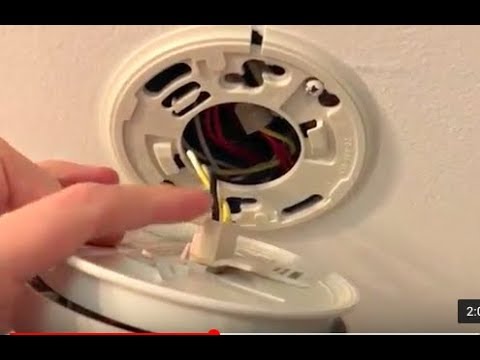
Turn off the power at the circuit breaker before touching the detector. This step prevents electric shock. Remove the detector from the ceiling or wall carefully. Look at the wires connected to the back of the unit.
Usually, you will see black, white, and sometimes red wires. These connect the detector to your home’s electrical system. Note how the wires are connected or take a photo for reference. Properly disconnecting the wires prevents damage and keeps you safe.
Power Down The Smoke Detector
Powering down a wired smoke detector is a crucial step before disconnecting it. This ensures your safety and prevents electrical shocks. Follow simple steps to turn off the power supply properly. Taking the right precautions helps avoid accidents and damage.
Switch Off Circuit Breaker
Locate your home’s main electrical panel. Find the circuit breaker linked to the smoke detector. Flip the switch to the off position. This stops electricity flow to the detector. Be sure to turn off the correct breaker to avoid power issues elsewhere.
Test For Power Absence
Use a non-contact voltage tester near the smoke detector wires. The tester should show no electricity present. Double-check to confirm power is fully off. This step protects you from electric shocks while handling wires. Never skip this important safety check.
Credit: www.familyhandyman.com
Remove The Smoke Detector
Removing a wired smoke detector is a careful process. It requires attention to safety and detail. This part of the guide explains how to remove the detector safely and properly.
Start by detaching the smoke detector from its mount. Then handle the wiring with care to avoid damage or shock.
Detach The Detector From Mounting
Locate the base where the smoke detector is attached. Most models twist off by turning counterclockwise. Use gentle force to avoid breaking the unit.
Some detectors have clips or screws. Unscrew or unclip them carefully. Keep all parts safe for future use or replacement.
Handle Wiring Carefully
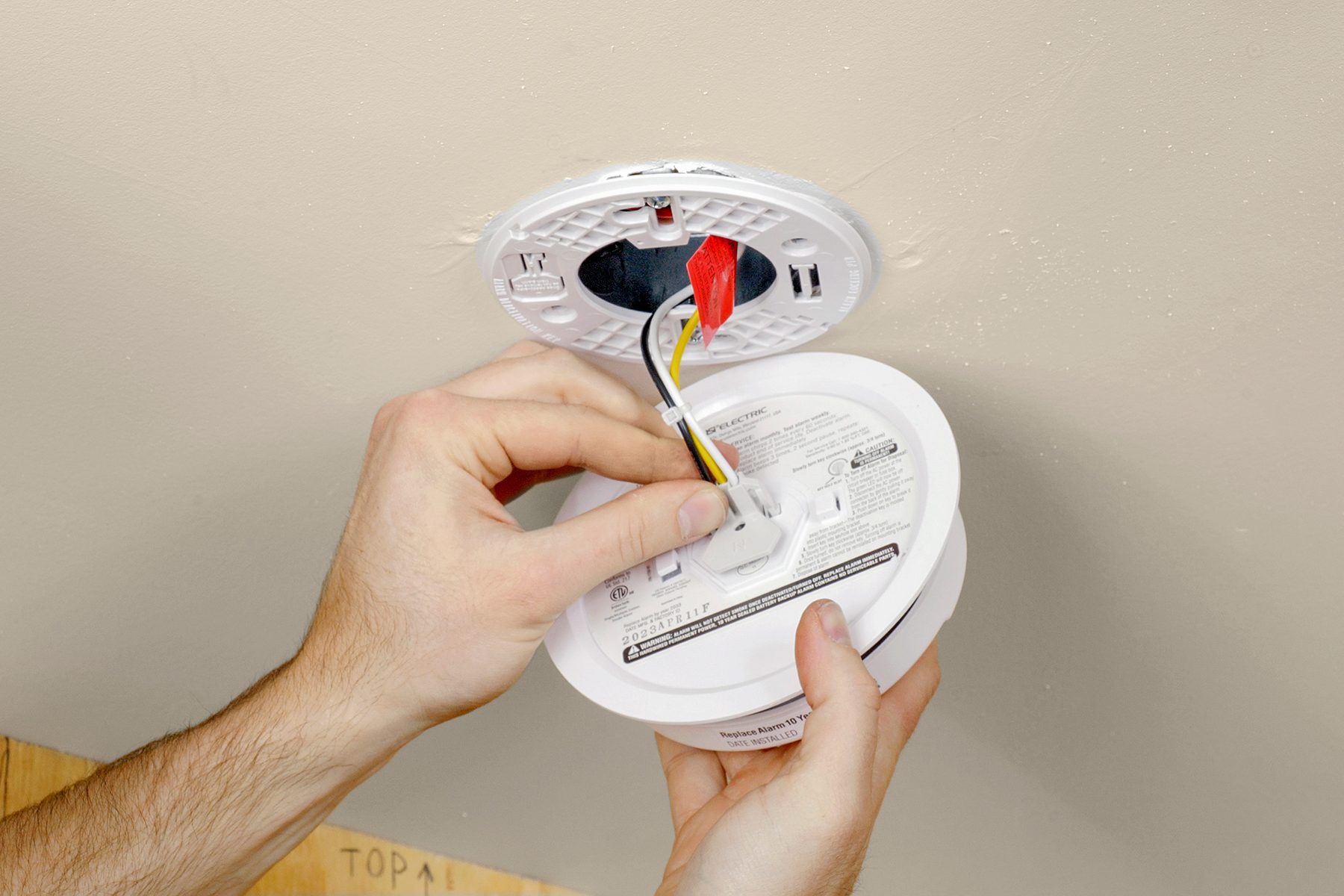
After removing the detector, wires will be visible. Do not pull or yank the wires. It can cause damage or electric shock.
Turn off the power supply before touching wires. Use insulated tools if needed. Label the wires to remember their connections.
Disconnect The Wiring
Disconnecting the wiring of a wired smoke detector is a key step for removal or replacement. This process must be done carefully to avoid electrical hazards. Always ensure the power is off before touching any wires. Safety comes first to prevent shocks or damage.
Identify Wire Connections
Start by removing the smoke detector from its base. Look inside the electrical box to see the wires. Usually, there are three wires: a black (hot), white (neutral), and a red or yellow (interconnect). Note their positions to keep track. Taking a photo can help for reference later.
Disconnect Wires Safely
Use a voltage tester to confirm no power is running through the wires. Gently twist off the wire connectors or unscrew the terminal screws. Pull the wires apart carefully. Avoid pulling on the wires themselves. Work slowly to prevent damage or shorts.
Cap Or Insulate Wires
Once wires are separated, cover each exposed wire end with a wire nut or electrical tape. This stops accidental contact with metal or other wires. Proper insulation keeps the wiring safe until a new detector is installed. Never leave wires exposed after disconnection.
After Disconnection
After disconnecting a wired smoke detector, some important steps follow. These steps ensure safety and proper function of your home’s fire alert system. Handling loose wires and restoring power must be done carefully. Testing other detectors keeps your home protected.
Secure Loose Wires
Loose wires can cause electrical hazards or short circuits. Use wire nuts or electrical tape to cover exposed wire ends. Tuck the wires safely into the electrical box. This prevents accidental contact and reduces fire risk.
Restore Power
Turn the circuit breaker back on after securing wires. Check that power returns to the smoke detector circuit. Watch for any sparks or unusual sounds. If something seems wrong, turn off the power and inspect again.
Test Other Detectors
Test all other smoke detectors in your home. Press the test button on each device. Ensure each detector sounds its alarm clearly. This confirms your home’s fire safety system works well after disconnection.
When To Call A Professional
Knowing when to call a professional is important for safely disconnecting a wired smoke detector. Some situations are too complex or risky for beginners. Professionals have the right tools and skills to handle these problems. Calling an expert can save time and prevent damage or injury.
Complex Wiring Issues
Wired smoke detectors connect to your home’s electrical system. Complex wiring can be confusing and dangerous. If wires look tangled or damaged, avoid trying to fix them yourself. Professionals understand electrical codes and can manage tricky wiring safely. They prevent mistakes that may cause shocks or fire hazards.
Multiple Detector Systems
Homes often have several smoke detectors linked together. Disconnecting one can affect the entire system. This setup requires special knowledge to avoid false alarms or system failures. Experts know how to disconnect one detector without disrupting others. They ensure your home stays protected while repairs happen.
Safety Concerns
Electricity is risky. Mistakes can cause injury or worse. A professional uses safety gear and follows strict guidelines. They turn off power correctly before starting work. If you feel unsure or unsafe, calling an expert is the best choice. Your safety comes first.
Credit: support.firstalert.com
Frequently Asked Questions
How Do I Safely Disconnect A Wired Smoke Detector?
Turn off the power at the circuit breaker first. Remove the detector from its mounting bracket. Disconnect the wiring harness gently to avoid damage.
Can I Disconnect A Wired Smoke Detector Without Tools?
No, you typically need a screwdriver to remove the detector. It ensures safe and proper disconnection of wires and mounting hardware.
What Should I Do After Disconnecting A Smoke Detector?
Label the wires if you plan to reconnect later. Store the detector safely or replace it with a new unit.
Is It Necessary To Turn Off Power Before Disconnecting?
Yes, always switch off the circuit breaker to prevent electrical shock or damage during disconnection.
Conclusion
Disconnecting a wired smoke detector is a simple task with the right steps. Always turn off power before starting to stay safe. Carefully remove the detector and unplug the wires one by one. Check that no wires touch each other after disconnection.
Remember, proper handling prevents accidents and keeps your home safe. Now you can replace or service your smoke detector without worry. Stay cautious and follow the steps to protect your family. Safety first, always.