
Your smoke detector is one of the most important devices in your home. It keeps you and your loved ones safe from fire hazards.
But when was the last time you changed its battery? You might think it’s not urgent, but a dead battery can leave you unprotected when it matters most. Knowing how often to change your smoke detector battery can make all the difference between safety and danger.
Keep reading to find out the simple steps you can take to ensure your home stays safe every day.

Credit: www.youtube.com
Importance Of Smoke Detector Batteries
Smoke detector batteries keep your home safe. They power the device that warns you about fire. Without a working battery, the smoke detector cannot alert you. This makes changing batteries very important. Regular battery checks ensure your safety every day.
Role In Fire Safety
Smoke detectors rely on batteries to operate. They sense smoke and give loud alarms. This alarm alerts you to danger fast. A dead battery means no alarm sound. This can delay fire response and risk lives. Good batteries help protect families and homes.
Common Battery Types
Most smoke detectors use 9-volt or AA batteries. Some use long-life lithium batteries. Lithium batteries last longer and need less changing. Regular alkaline batteries are easy to find and replace. Know your detector’s battery type for quick replacement.

Credit: annarborwithkids.com
Recommended Battery Replacement Frequency
Knowing how often to change your smoke detector battery is crucial. Regular replacement keeps your home safe. Batteries lose power over time. This can cause your smoke detector to fail when you need it most. Follow a clear schedule for changing batteries to ensure protection.
Manufacturer Guidelines
Every smoke detector brand suggests a replacement timeline. Most recommend changing batteries once a year. Some newer models use long-life batteries. These can last up to 10 years. Always check the manual for your specific model. Following the manufacturer’s advice ensures proper device function.
Factors Influencing Battery Life
Several things affect how long a battery lasts. Frequent alarms and testing use more power. Temperature and humidity can reduce battery life. Using the wrong battery type also shortens lifespan. Keeping your detector clean helps batteries last longer. Regular checks help spot weak batteries early.
Signs It’s Time To Change The Battery
Knowing when to change your smoke detector battery is key to home safety. Smoke detectors warn you about fire dangers. But they only work well with fresh batteries. Watch for signs that the battery is weak. These signs tell you to replace it soon. Act quickly to keep your home protected.
Low Battery Chirping
A soft chirping sound means the battery is low. It usually beeps once every minute. The noise is not loud but clear enough to hear. The chirping continues until you change the battery. Ignoring this sound can lead to a dead battery.
Inconsistent Alarm Performance
The alarm may sound weak or stop suddenly. It might not ring when smoke is present. Sometimes, it gives false alarms without cause. These problems often happen when batteries lose power. Replace the battery to restore full alarm function.
Best Practices For Battery Maintenance
Maintaining smoke detector batteries is key to home safety. Proper care ensures your smoke detector works when needed. Follow simple steps to keep batteries reliable and efficient.
Good habits prevent battery failure and false alarms. They also extend the life of your smoke detector. This section covers easy practices to maintain your smoke detector batteries well.
Regular Testing
Test your smoke detector battery every month. Press the test button until the alarm sounds. This check confirms the battery still powers the alarm. Replace the battery immediately if the alarm is weak or silent.
Regular testing keeps you aware of battery health. It helps catch problems early before an emergency happens. Don’t skip this simple but important step.
Using Quality Batteries
Choose batteries from trusted brands for your smoke detector. Cheap or old batteries may fail quickly. Quality batteries last longer and provide steady power. Check battery expiration dates before buying.
Use the battery type recommended by your smoke detector’s manual. Mixing different batteries or using the wrong type can cause issues. Stick to fresh, high-quality batteries to ensure safety.
Common Mistakes To Avoid
Changing smoke detector batteries is important for safety. Many people make mistakes that reduce the alarm’s effectiveness. Avoiding these errors helps keep your home safe. Here are two common mistakes to watch out for.
Ignoring Warning Signs
Smoke detectors beep to warn about low batteries. Ignoring these sounds can lead to a dead battery. A silent alarm cannot protect you during a fire. Always replace the battery as soon as you hear the warning beep.
Using Expired Batteries
Old batteries lose power quickly and may fail when needed most. Using fresh, unexpired batteries ensures your smoke detector works properly. Check the battery package for the expiration date before installing. Never use batteries that are past their expiry.
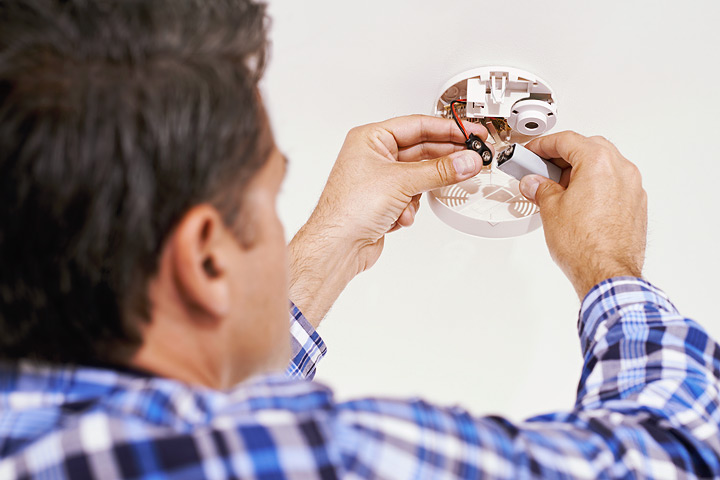
Credit: www.americanalarm.com
Upgrading To Long-life Or Smart Detectors
Upgrading to long-life or smart smoke detectors helps reduce battery changes. These modern detectors offer better safety and convenience. They use advanced battery technology or connect to your phone. This reduces the chance of a dead battery causing a problem.
Benefits Of Lithium Batteries
Lithium batteries last much longer than regular alkaline ones. They can work for up to 10 years without replacement. This means fewer battery changes and less hassle. Lithium batteries also perform better in extreme temperatures. They keep your smoke detector reliable in cold or hot weather. Using lithium batteries can save time and keep your home safer.
Smart Smoke Detector Features
Smart smoke detectors connect to your smartphone or home system. They send alerts if smoke or fire is detected. Some models test themselves and warn you if the battery is low. Many smart detectors can be silenced from your phone. This avoids annoying false alarms. They also provide detailed information on the danger. Smart detectors make fire safety easier and more effective.
Frequently Asked Questions
How Often Should I Change Smoke Detector Batteries?
Smoke detector batteries should be replaced at least once every year. Regular replacement ensures the device functions properly and keeps your home safe.
Can I Use Any Type Of Battery For Smoke Detectors?
It is best to use the battery type recommended by the manufacturer. Using the correct battery ensures optimal performance and longer device life.
What Are Signs My Smoke Detector Battery Is Low?
A loud chirping sound or flashing light indicates a low battery. Replace the battery immediately to maintain your smoke detector’s effectiveness.
Should I Test Smoke Detectors After Changing Batteries?
Yes, always test your smoke detector after replacing batteries. Press the test button to confirm it sounds properly and functions well.
Conclusion
Changing smoke detector batteries regularly keeps your home safe. Most experts suggest replacing batteries once a year. Test your smoke detector monthly to ensure it works well. A dead battery can put your family at risk. Don’t wait for the low battery beep to act.
Keep spare batteries in your home for quick changes. Safety starts with simple steps like this. Protect your loved ones with regular maintenance. Small actions make a big difference in emergencies. Stay alert, stay safe.


