
Have you ever wondered if your home has enough smoke detectors to keep you and your loved ones safe? Knowing the exact number required by law isn’t just about following rules—it’s about protecting your life and property.
Missing even one detector could mean the difference between a quick escape and a disaster. You’ll discover the clear, simple answers to how many smoke detectors you need, where to place them, and why getting it right matters more than you think.
Keep reading to make sure your home is truly safe.
Credit: sellbuymdhomes.com
Smoke Detector Requirements By Law
Smoke detectors save lives by warning about fires early. Laws require a certain number of smoke detectors in buildings. These rules help protect people and property from fire damage. Understanding these requirements helps ensure safety and legal compliance.
National Fire Safety Standards
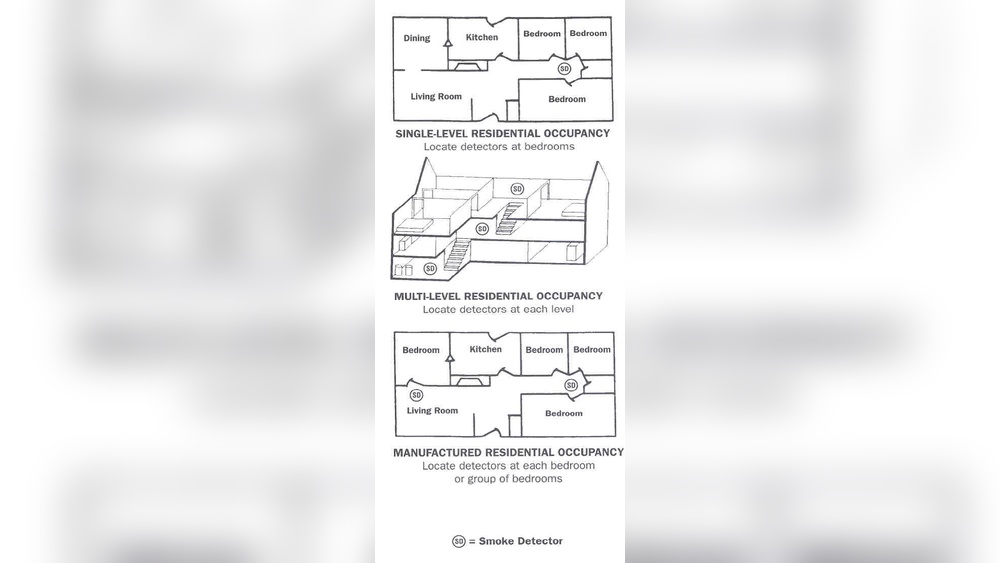
National standards set basic rules for smoke detector placement. These rules apply across the country. The National Fire Protection Association (NFPA) recommends at least one smoke detector on every floor. They also suggest detectors inside bedrooms and outside sleeping areas. These standards aim to give early warning to all occupants.
State And Local Regulations
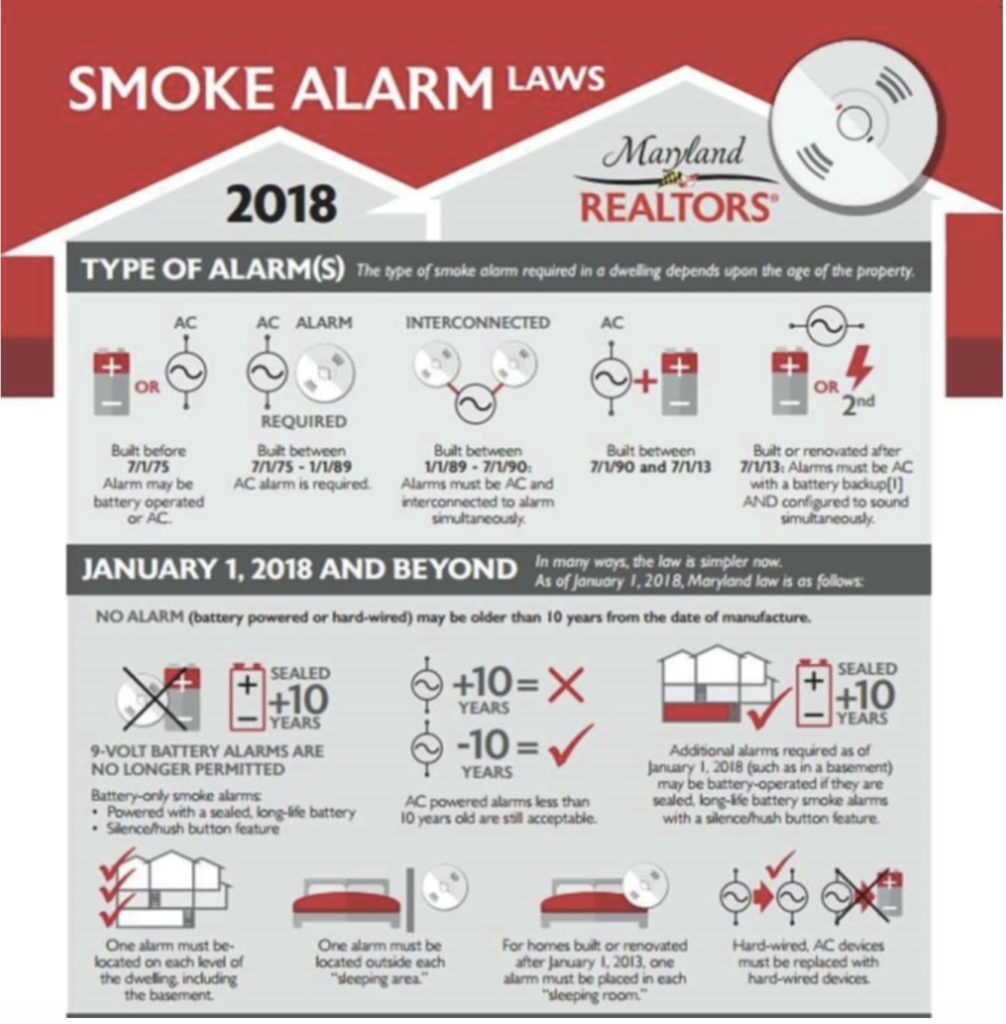
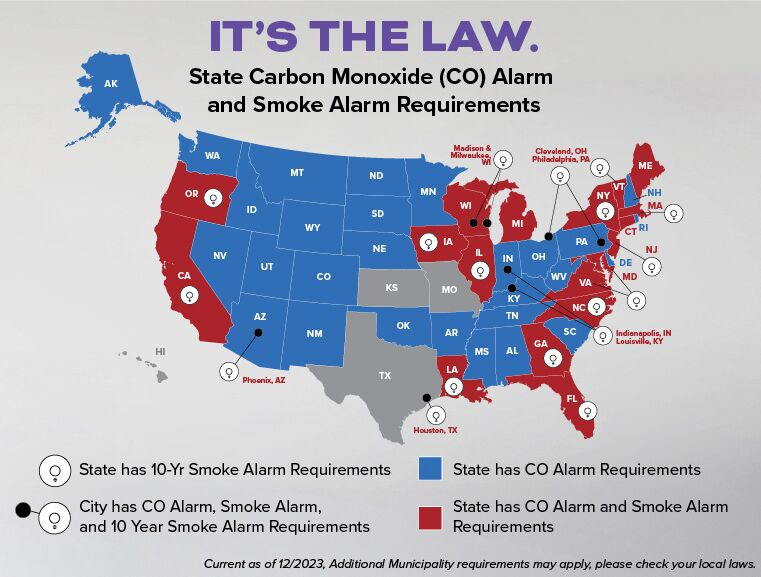
States and cities may have stricter rules than national standards. Local laws can require more detectors or specific types. Some areas demand interconnected smoke alarms that all sound together. Checking local codes ensures you follow the exact law for your area. Fire departments or building officials can provide this information.
Differences In Residential And Commercial Properties
Homes and businesses have different smoke detector rules. Residential buildings need detectors in key living spaces and bedrooms. Commercial buildings require detectors in hallways, offices, and storage areas. Large buildings may need special systems with many alarms. These rules reflect the different risks in homes and businesses.
Placement Rules For Smoke Detectors
Proper placement of smoke detectors is crucial for home safety. Smoke detectors must cover all key areas to warn you early of fire. Following placement rules helps save lives and reduces risks.
Bedrooms And Sleeping Areas
Install smoke detectors inside each bedroom. Also place one outside the sleeping areas. This ensures alarms wake everyone during the night. Avoid putting detectors too close to windows or vents. Smoke might not reach detectors fast enough there.
Common Living Spaces
Place smoke detectors in hallways and living rooms. These areas connect bedrooms to the rest of the house. Detectors here catch smoke from many rooms. Keep detectors away from kitchens to prevent false alarms from cooking smoke.
Basements And Garages
Basements need at least one smoke detector. Mount it on the ceiling near the stairs. Garages also require detectors but use carbon monoxide alarms too. This protects against both smoke and gas dangers in these spaces.
Types Of Smoke Detectors
Smoke detectors help keep homes safe by alerting people to fire quickly. Different types of smoke detectors work in different ways. Knowing these types helps you choose the right one for your home. Each type detects smoke differently and suits different fire risks.
Ionization Smoke Alarms
Ionization smoke alarms detect fast, flaming fires. They use a small amount of radioactive material. This helps sense tiny smoke particles in the air. These alarms are usually less expensive. They react quickly to sudden flames but may be slower with smoldering fires.
Photoelectric Smoke Alarms
Photoelectric smoke alarms detect slow, smoldering fires well. They use a light beam inside the alarm. Smoke blocks the light, triggering the alarm. These alarms work better for smoky, smoldering fires. They reduce false alarms from cooking or steam.
Combination Detectors
Combination detectors use both ionization and photoelectric sensors. They offer better protection against all fire types. These alarms can detect flaming and smoldering fires fast. They are a smart choice for whole-home safety. Many local laws recommend or require them.
Credit: www.mass.gov
Installation Tips And Best Practices
Proper installation of smoke detectors is vital for home safety. Following tips and best practices ensures detectors work well. It helps protect lives and property effectively.
Proper Mounting Locations
Place smoke detectors on ceilings or high on walls. Smoke rises, so detectors catch it early. Install one inside each bedroom and outside sleeping areas. Also, put detectors on every floor of the home. Keep them at least 10 feet away from cooking appliances. Avoid installing near windows, doors, or vents. These can cause false alarms or reduce detection.
Avoiding False Alarms
False alarms cause frustration and may lead to ignoring real danger. Keep detectors away from kitchens and bathrooms. Steam and cooking smoke trigger alarms often. Use detectors with a hush button to silence false alarms. Clean detectors regularly to remove dust and insects. Test alarms monthly to confirm they work properly.
Battery And Power Source Guidelines
Use long-life batteries or hardwired smoke detectors with battery backup. Replace batteries at least once a year. Change batteries immediately if the alarm chirps. Hardwired systems should have a professional check power connections. Test detectors after replacing batteries or power outages. Keep extra batteries on hand for emergencies.
Maintenance And Testing
Proper maintenance and testing keep smoke detectors working well. They help protect your home and family from fire dangers. Regular checks make sure the alarms will sound when needed.
Regular Testing Procedures
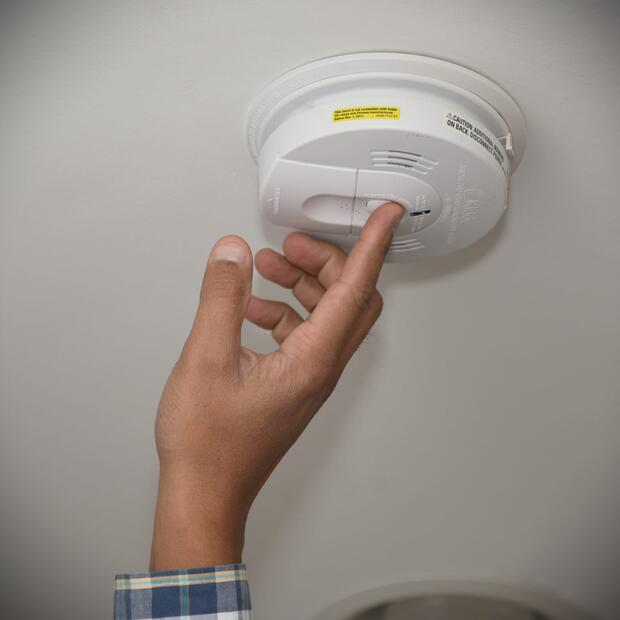
Test smoke detectors once every month. Press the test button until you hear a loud beep. If there is no sound, check the batteries or replace the unit. Keep a ladder nearby to reach ceiling alarms safely. Write down the test date to track maintenance.
Battery Replacement Schedule
Change batteries at least twice a year. Use fresh batteries to avoid power loss. Some newer models have long-life batteries that last up to ten years. Still, check these alarms yearly to confirm they work well. Low battery warnings sound as beeps or chirps.
When To Replace Smoke Detectors
Replace smoke detectors every ten years. Sensors lose sensitivity over time. Look for the manufacture date on the back of the alarm. If alarms fail tests or show damage, replace them right away. New units offer better technology and improved safety.
Legal Consequences Of Non-compliance
Failing to install the required number of smoke detectors can lead to serious legal problems. Laws are strict to ensure safety in homes and buildings. Ignoring these rules can cause trouble beyond just safety risks.
Fines And Penalties
Authorities can impose fines on property owners who do not comply. These fines vary by location but can be quite high. Repeated violations may lead to increased penalties or legal actions. It is important to follow local smoke detector laws to avoid these charges.
Impact On Home Insurance
Insurance companies require smoke detectors to cover your home. Missing detectors can cause your policy to be canceled or denied. Claims for fire damage may be rejected without proper detectors. Keeping detectors up to code protects your insurance benefits.
Safety Risks And Liabilities
Without enough smoke detectors, the risk of injury rises sharply. Property owners may be held liable for harm caused by non-compliance. Victims or their families can file lawsuits for damages. Proper smoke detectors reduce risk and protect everyone involved.
Additional Fire Safety Measures
Smoke detectors save lives by warning about fire early. Still, other tools and plans boost safety at home. These extra measures help protect you and your family.
Carbon Monoxide Detectors
Carbon monoxide is a silent, deadly gas. It has no smell or color. Detectors alert you before it harms anyone. Place them near bedrooms and fuel-burning appliances. Test them monthly to ensure they work well.
Fire Extinguishers
Fire extinguishers stop small fires quickly. Keep one on each floor of your home. The kitchen is a key spot for one. Learn how to use it safely and check pressure often. Replace if expired or damaged.
Emergency Escape Plans
Plan your way out before a fire starts. Draw a simple map with two exits per room. Practice the plan with your family regularly. Choose a safe meeting spot outside. Quick, calm action saves lives in fire emergencies.
Credit: www.kidde.com
Frequently Asked Questions
How Many Smoke Detectors Are Legally Required In A Home?
By law, most homes need at least one smoke detector per floor. Additional detectors are often required in bedrooms and hallways. Local regulations may vary, so always check your area’s specific laws for exact numbers and placement rules.
Where Should Smoke Detectors Be Installed By Law?
Smoke detectors must be installed inside each bedroom, outside sleeping areas, and on every floor. Basements also require detectors. Proper placement ensures early fire detection and complies with safety codes, enhancing home protection.
Are Interconnected Smoke Detectors Legally Required?
Many laws mandate interconnected smoke detectors for new homes. When one alarm sounds, all alarms activate, providing quicker alerts. This interconnected system improves safety, especially in larger homes or multi-level properties.
Do Smoke Detector Requirements Differ For Rental Properties?
Yes, rental properties often have stricter smoke detector laws. Landlords must install and maintain detectors in all required areas. Tenants should verify detectors are present and functional for safety and legal compliance.
Conclusion
Knowing the number of smoke detectors required by law keeps your home safe. Laws usually ask for detectors in bedrooms, hallways, and living areas. Installing the right amount helps alert you quickly in an emergency. Regularly test and replace batteries to keep them working well.
Safety is simple with the right smoke detectors in place. Protect your family by following these important rules today.


