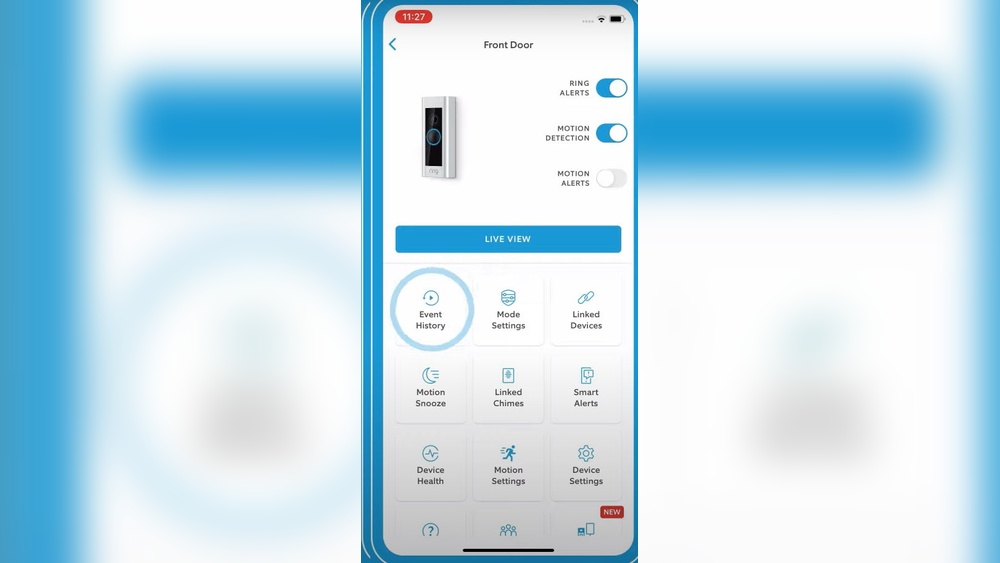

You’ve got a Ring Doorbell, and it’s catching every moment right at your doorstep. But here’s the question: how long does it actually keep those videos if you don’t have a subscription?
Knowing this can make a huge difference when you need to review footage or catch unexpected visitors. If you’re wondering how much time you really have to access your videos, keep reading. This article will clear up the mystery and help you make the most of your Ring Doorbell’s features—without paying extra.

Credit: www.wikihow.com
Ring Doorbell Video Storage Basics
Understanding how Ring Doorbell stores videos helps users manage their security better. Storage depends on the subscription plan or lack of one. This section explains the basics of video storage for Ring Doorbells. It focuses on what happens without a paid plan.
Default Storage Duration
Ring Doorbell records videos when motion or rings are detected. Without a subscription, these videos do not save to the cloud. Instead, the device stores a short clip temporarily. This storage lasts only a few hours before deletion. The exact time varies but is usually less than 24 hours. Users cannot access these videos after they disappear.
Storage Without Subscription
Without a subscription, cloud storage is not available. Videos do not save online for review later. Users only get live view and instant alerts. This limits the ability to check past events or share clips. Some Ring models have local storage options, but most rely on cloud storage. To save videos longer, subscribing to Ring Protect is necessary.

Credit: www.esseg.eu
Subscription Plans And Benefits
Ring offers subscription plans that enhance your doorbell’s features. These plans help keep videos longer and provide extra tools. They improve security and make it easier to review past events.
Video History Length
Without a subscription, Ring saves videos for only 60 days. After that, videos are deleted and cannot be viewed again. With a subscription, video history extends up to 180 days. This lets you check older recordings anytime. It is useful for tracking suspicious activity or missed deliveries.
Additional Features
Subscriptions add several helpful features to your Ring device. You get video snapshots, which capture moments before motion alerts. This gives more context to events. Cloud storage allows saving videos securely online. You can share clips easily with others. The plan also includes professional monitoring for quick emergency response. These extras make your home safer and monitoring easier.
Factors Affecting Video Retention
Video retention for Ring Doorbells without a subscription depends on several key factors. These factors control how long your videos stay saved before they are deleted. Understanding these elements helps you manage your device better and know what to expect.
Device Settings
Your Ring Doorbell’s settings affect video storage length. Without a subscription, videos usually save for a short time. The default setting often keeps videos for only a few hours or days. Changing motion sensitivity or recording length can impact how many videos are stored. Lower sensitivity records fewer videos, which may keep them longer. Higher sensitivity records more videos, filling storage quickly.
Storage Limits
Ring devices have limited local storage. Without cloud subscription, videos do not save on Ring servers. Storage relies on your device’s internal memory or connected devices. When storage fills up, older videos get deleted to make room for new ones. This cycle means video retention time varies. More frequent recordings reduce how long videos stay saved. Limited storage results in shorter video history.
How To Access Videos Without Subscription
Accessing videos from your Ring Doorbell without a subscription can be straightforward. You won’t get cloud storage, but there are ways to view and save footage. Understanding these options helps you make the most of your device without extra costs.
Live View Options
Live View lets you watch real-time video from your Ring Doorbell. You open the Ring app and tap the Live View button. This shows what the camera sees at that moment. You can check your doorstep anytime, day or night. The video streams directly to your phone without storing it online. This option works as long as your doorbell is connected to Wi-Fi. It is the easiest way to see what is happening outside your door instantly.
Local Storage Alternatives
Ring Doorbells do not save video locally by default. You can use other devices to record video yourself. For example, connect the doorbell to a home security system with local recording. Another option is to use a computer or network video recorder (NVR). These devices can capture video through your Wi-Fi network. Local storage means your videos stay in your home, not the cloud. This method needs extra hardware but avoids monthly fees. It also gives you control over your recorded footage.
Tips To Maximize Video Storage
Managing video storage on your Ring Doorbell without a subscription can be challenging. Videos are stored for a limited time, so using storage wisely is important. You can keep important footage longer by adjusting settings and reviewing videos often.
These tips help you save space and keep the most useful videos available. Small changes make a big difference in managing your Ring Doorbell videos effectively.
Adjusting Motion Settings
Change motion sensitivity to reduce unnecessary recordings. Set motion zones to focus only on key areas. This avoids capturing irrelevant movement like passing cars or animals. Lowering sensitivity helps save storage space by recording less often. Fine-tuning motion settings keeps your video clips more relevant and shorter.
Regular Video Review
Check your videos frequently to delete unneeded clips. Removing old or unimportant footage frees up space quickly. Save important videos to your device before they expire. Regular reviews prevent storage from filling up fast. This habit ensures your Ring Doorbell keeps recording without interruption.
Comparing Ring Doorbell With Other Brands
Choosing a smart doorbell means understanding how each brand handles video storage. Ring is popular but other brands also offer good options. Comparing these can help you pick the best fit for your needs.
Video Storage Policies
Ring stores videos only for a short time without a subscription. Usually, videos stay for 60 days if you have a plan. Without it, you can only view live video, but no recordings save. Other brands, like Eufy or Arlo, offer free storage for some videos. Eufy stores videos locally on a home base, so no monthly fees. Arlo gives a limited free cloud storage period, but it is shorter than Ring’s paid plan. Different brands have different limits on how long videos stay available.
Subscription Requirements
Ring needs a subscription to save videos longer than a few seconds. Their plan starts with a monthly fee. Brands like Eufy do not require monthly fees for basic video storage. They offer local storage that works without subscription. Arlo offers a free plan with limited video history, but full access needs a subscription. Subscription costs and features vary widely by brand. Check these details to see what suits your budget and usage best.

Credit: www.microcomenviro.com
Frequently Asked Questions
How Long Does Ring Store Videos Without Subscription?
Ring stores videos for up to 60 days if you have a subscription. Without a subscription, videos are only saved temporarily and may not be accessible after a short time.
Can I Access Ring Videos Without A Subscription?
Yes, you can view live video feeds without a subscription. However, recorded video clips are not saved or accessible without a subscription plan.
What Features Are Limited Without Ring Protect Subscription?
Without a subscription, you miss out on video storage, sharing, and advanced alerts. Live view and motion alerts still work, but recorded video history is unavailable.
Is Video History Available With Free Ring Account?
No, video history is not stored for free accounts. A subscription is required to save and review recorded video clips from your Ring Doorbell.
Conclusion
Ring Doorbell saves videos for a limited time without a subscription. Usually, it keeps videos for up to 60 days. After that, the videos get deleted automatically. You can still view live video anytime without paying. But to save videos longer, a subscription is needed.
This helps keep important footage safe and accessible. Knowing this helps you decide if you want to subscribe. It also helps you use your Ring Doorbell more wisely. Simple and clear.


