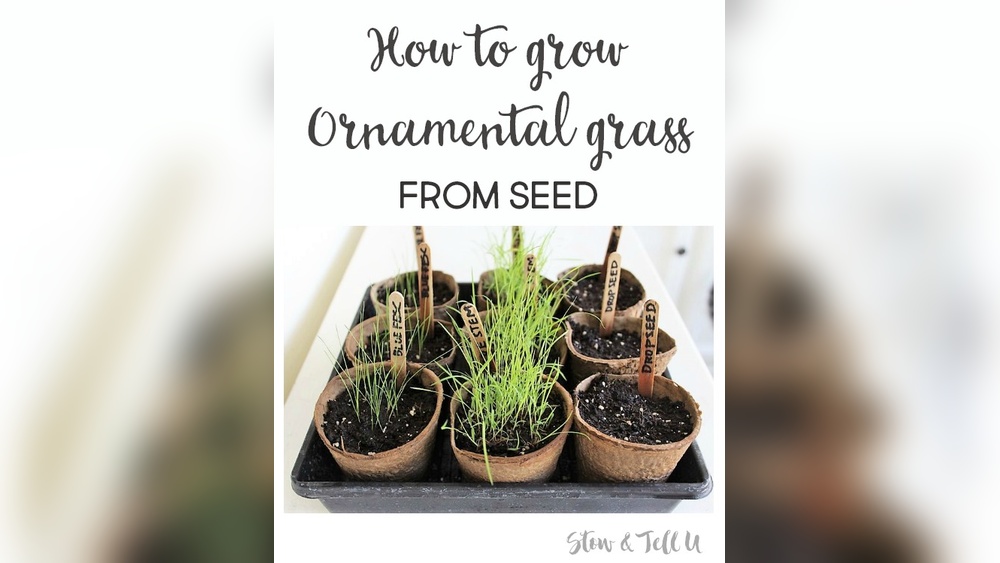

Are you eager to add beautiful, flowing ornamental grasses to your garden? Starting them from seed indoors can give you a head start and ensure strong, healthy plants.
But how early should you plant these seeds to get the best results? Timing is everything, and knowing when to begin can save you time and frustration. You’ll discover the perfect schedule to start your ornamental grasses indoors, so your garden flourishes just the way you want.
Keep reading to unlock the secret to growing stunning grasses from seed with ease!
Choosing The Right Grasses
Choosing the right ornamental grasses is key for a successful indoor seed start. Each grass type has unique needs and growth habits. Selecting suitable varieties helps ensure healthy plants. Consider the size, color, and texture you want in your garden.
Some grasses adapt well to indoor seed starting. Others may need special care or more time to sprout. Knowing your options simplifies the planting process and boosts success rates.
Popular Ornamental Varieties
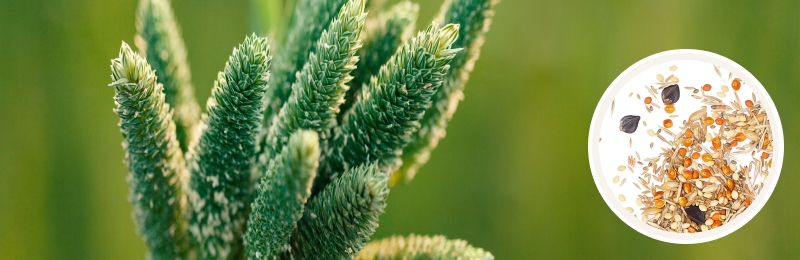
Fountain grass (Pennisetum) is popular for its fluffy flower spikes. It grows quickly and adds soft texture to gardens. Blue fescue (Festuca glauca) offers a striking blue color and compact shape. Feather reed grass (Calamagrostis) has tall, upright plumes that sway nicely.
Maiden grass (Miscanthus) features tall, graceful blades and large flower heads. Switchgrass (Panicum) adds height and a wild look. These varieties start well indoors and transplant easily outdoors.
Seed Quality And Sources
High-quality seeds improve germination and plant health. Choose fresh seeds with high viability. Check packaging dates and storage recommendations. Avoid old or damaged seeds to prevent poor growth.
Reliable seed sources include local nurseries and trusted online suppliers. Certified organic seeds ensure no harmful chemicals. Read reviews and ask gardeners for recommendations. Good seeds save time and effort during indoor planting.
Credit: grow.edenbrothers.com
Timing Your Planting
Timing is important when planting ornamental grasses from seed indoors. Starting too early or too late can affect seed germination and growth. Knowing the right time to sow helps ensure strong, healthy plants. This section explains the best periods to plant and how climate affects your timing.
Ideal Sowing Periods
Plant seeds indoors about 8 to 12 weeks before the last frost date. This gives seedlings enough time to grow before outdoor planting. Most ornamental grasses do well if started in late winter or early spring. Keep track of your local frost dates to plan the best sowing time. Starting too early can cause weak seedlings. Starting too late may shorten growing time.
Climate Considerations
Climate plays a big role in planting timing. In warmer areas, you can start seeds earlier indoors. Cold climates need a later start to avoid chilling young plants. Pay attention to indoor temperature and light. These affect seed sprouting and seedling health. Adjust sowing time based on your region’s weather patterns. A good start indoors leads to strong grasses outside.
Preparing Seeds For Planting
Preparing ornamental grass seeds before planting indoors is important. Proper seed prep helps improve germination rates. It encourages strong, healthy seedlings. Taking time to treat seeds right makes a big difference in growth success.
Soaking And Stratification
Soaking seeds softens their outer shell. This helps water reach inside faster. Use lukewarm water and soak seeds for 12 to 24 hours. Avoid soaking longer to prevent rotting.
Stratification mimics natural winter conditions. It breaks seed dormancy for better sprouting. Place soaked seeds in a damp paper towel. Seal them in a plastic bag. Keep in the refrigerator for 4 to 8 weeks. Check seeds regularly to keep them moist.
Scarification Techniques
Scarification weakens tough seed coats. It allows water to enter the seed easily. Rub seeds gently with sandpaper or a nail file. Be careful not to damage the seed inside.
Another method is nicking seeds with a small knife. Make a tiny cut on the seed coat. This helps water soak through quickly. Scarified seeds often sprout faster and more evenly.
Credit: stowandtellu.com
Indoor Planting Setup
Setting up the right indoor space helps ornamental grass seeds grow strong. The right tools and environment make a big difference. Seeds need the perfect start for healthy plants.
Focus on containers, soil, light, and temperature. These factors work together to create a good start for your grasses.
Selecting Containers And Soil
Choose containers with drainage holes to avoid water buildup. Small pots or seed trays work well. Clean containers prevent mold and disease.
Use a light, well-draining seed-starting mix. Avoid heavy garden soil that holds too much water. The soil should stay moist but not soggy.
Lighting And Temperature Needs
Ornamental grass seeds need bright light to sprout indoors. Place them near a south-facing window or use grow lights. Keep lights on for 12 to 16 hours daily.
Maintain indoor temperature between 65 and 75 degrees Fahrenheit. Warmth helps seeds germinate faster. Avoid cold drafts or sudden temperature changes.
Sowing And Germination
Starting ornamental grasses from seed indoors requires careful attention to sowing and germination. This stage sets the foundation for healthy growth. Seeds need the right conditions to sprout strong and steady. Understanding seed depth, spacing, watering, and moisture control helps create the best environment for young grasses.
Proper sowing ensures seeds get enough air and moisture. Germination depends on warmth and consistent care. Small mistakes here can slow or stop seed growth. Follow simple steps for successful indoor sowing.
Seed Depth And Spacing
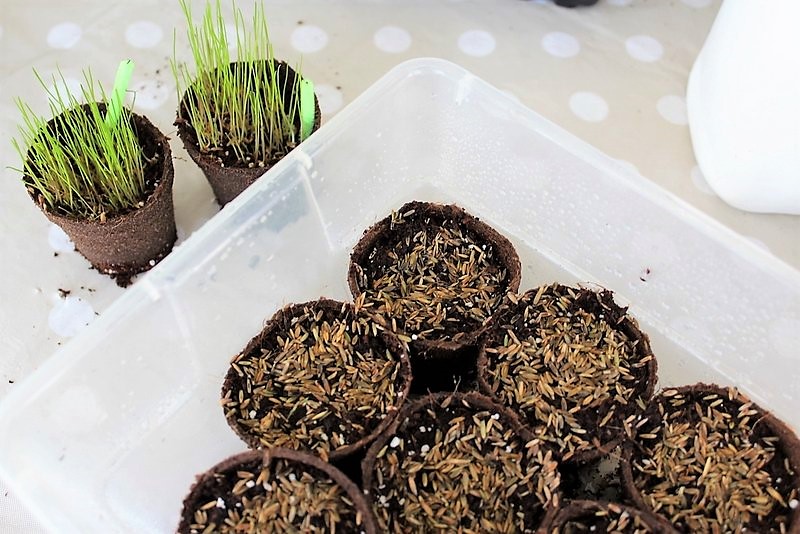
Plant seeds shallowly to encourage quick sprouting. Most ornamental grass seeds need just a light covering of soil. Usually, ¼ inch deep is enough. Press soil gently to hold seeds in place without compacting.
Give seeds room to grow by spacing them at least one inch apart. Crowded seeds compete for light and nutrients. Thin seedlings after germination to prevent overcrowding. Proper spacing helps roots develop well.
Watering And Moisture Control
Keep soil moist but not soggy. Too much water can cause seeds to rot. Use a spray bottle or gentle watering to avoid washing seeds away. Check moisture daily. Soil should feel damp to the touch.
Good airflow reduces mold risk. Cover seeds with plastic wrap or a clear lid to keep humidity steady. Remove the cover once seeds sprout. Proper moisture control speeds up germination.

Credit: www.westcoastseeds.com
Caring For Seedlings
Starting ornamental grass seeds indoors about 8 to 10 weeks before the last frost helps them grow strong. Keep seedlings warm and moist for best results. Transplant outdoors after the danger of frost has passed.
Thinning And Transplanting
Seedlings need space to grow strong and healthy. Thin them by removing weaker ones. This helps the strongest seedlings get enough light and nutrients.
Transplant seedlings carefully to bigger pots once they have two sets of true leaves. Handle roots gently to avoid damage. Use fresh soil and water lightly after transplanting.
Pest And Disease Management
Keep seedlings clean and dry to prevent pests and diseases. Check plants regularly for signs of trouble like spots or holes on leaves.
Use natural pest control methods, like spraying water or neem oil. Avoid overcrowding seedlings to reduce disease risks. Good air circulation helps keep plants healthy.
Preparing For Outdoor Transplant
Preparing ornamental grasses for outdoor transplant is a key step for strong growth. Seedlings start indoors, but they need time outside to adjust. This helps them survive and thrive in the garden.
Moving plants too soon can cause shock. Leaves may wilt, and growth slows. Proper preparation ensures grasses adapt well to sunlight, wind, and changing temperatures.
Hardening Off Process
Hardening off means slowly exposing seedlings to outdoor conditions. Start by placing them outside in a shaded spot for a few hours each day. Increase time outside by one or two hours daily.
Avoid direct sun and strong winds at first. This gentle approach strengthens stems and toughens leaves. After about a week, seedlings should handle full sun and normal outdoor weather.
Optimal Transplant Timing
Choose a day with mild weather for transplanting. Avoid very hot, cold, or windy days. Early morning or late afternoon is best to reduce plant stress.
Wait until the soil is warm and all frost risks have passed. This timing helps roots grow quickly in their new spot. Healthy roots mean healthy grasses all season long.
Frequently Asked Questions
When Is The Best Time To Start Ornamental Grass Seeds Indoors?
Start planting ornamental grass seeds indoors 8 to 12 weeks before the last frost date. This timing ensures strong seedlings ready for outdoor transplanting after frost risk passes.
How Do I Prepare Soil For Indoor Grass Seed Planting?
Use a well-draining seed-starting mix. Moisten the soil evenly before planting seeds to keep it consistently damp but not soggy for optimal germination.
What Temperature Is Ideal For Germinating Ornamental Grass Seeds?
Maintain indoor temperatures between 65°F and 75°F. This range promotes effective seed germination and healthy early growth of ornamental grasses indoors.
How Much Light Do Indoor Ornamental Grass Seedlings Need?
Provide 12 to 16 hours of bright, indirect light daily. Use grow lights if natural sunlight is insufficient for vigorous seedling development.
Conclusion
Starting ornamental grasses indoors early gives them a strong beginning. Seeds need warmth and light to sprout well. Planting at the right time helps young plants grow healthy. Watch for sprouting signs and keep soil moist but not wet. Transplant seedlings outside when weather stays warm and safe.
Growing grasses from seed indoors saves money and offers control. Enjoy the beauty of your grasses all season long. Simple steps lead to great results. Give your garden a fresh, natural touch with patience and care.