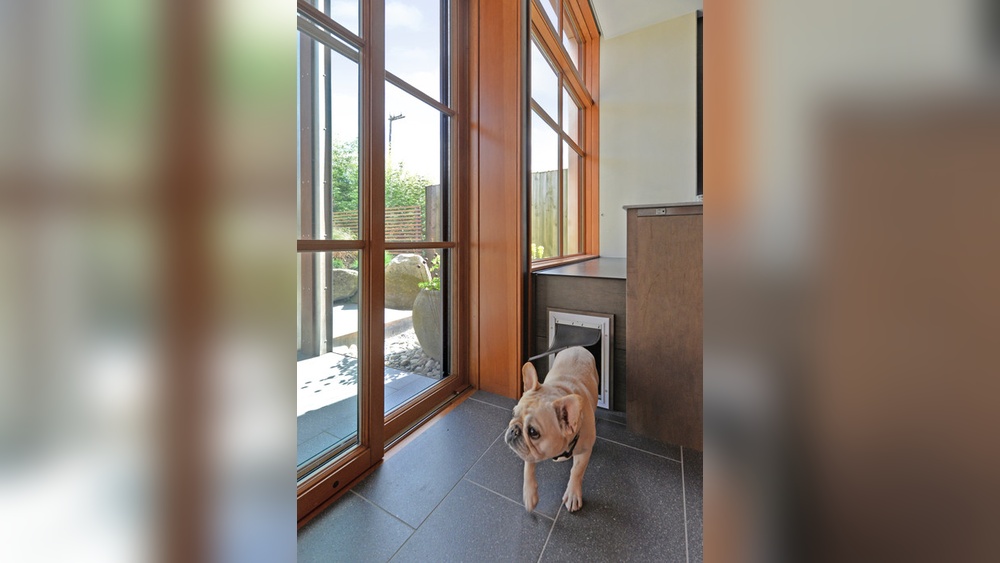

Are you tired of constantly opening the door for your pet? Imagine giving your furry friend the freedom to come and go whenever they want—without you lifting a finger.
But with so many pet doors on the market, how do you know which one is truly the best for your home and your pet’s needs? You’ll discover the key features to look for, the pros and cons of different types, and expert tips to help you make the right choice.
Keep reading, and find out how to make life easier for both you and your pet!

Credit: www.youtube.com
Types Of Pet Doors
Choosing the right pet door makes life easier for both pets and owners. Various types of pet doors fit different homes and pets. Understanding these types helps pick the best option. Each type has unique features and benefits.
Flap Doors
Flap doors are the most common pet doors. They have a simple flap that pets push open. Flaps come in plastic, vinyl, or rubber. They are easy to install on doors or walls. Flap doors suit pets that can push open the flap easily.
Electronic Doors
Electronic doors use sensors or microchips. Only pets with the right chip or collar tag can open them. This stops stray animals from entering. They offer more security than flap doors. Electronic doors need batteries or electricity to work.
Sliding Glass Doors
Sliding glass pet doors fit into existing sliding doors. They slide open or close like a regular door. These doors keep the house insulated and safe. They are good for homes with sliding glass doors. Installation may require professional help.
Wall And Door Mounted Options
Wall-mounted doors go through exterior walls. They allow pets direct access outside. Door-mounted options attach to regular doors. Both types vary in size and material. Choose based on where you want the pet door placed.
Materials And Durability
Choosing the right material for a pet door matters a lot. The material affects how long the door lasts and how well it works. Durability keeps your pet safe and saves money on repairs. Some materials handle weather better. Others resist damage from pets or rough use. Here are the common materials used for pet doors.
Plastic
Plastic pet doors are lightweight and affordable. They are easy to install in walls or doors. Some plastics are strong and can handle pets pushing through. Plastic can crack under heavy use or cold weather. It may fade in sunlight over time. Good for indoor use or mild climates.
Metal
Metal pet doors offer strong protection. Aluminum and stainless steel resist damage well. They stand up to rough pets and harsh weather. Metal doors often have better security features. They can be heavier and need solid frames. Best for outdoor doors and large pets.
Wood
Wood pet doors blend well with home decor. They provide a sturdy frame for the flap. Wood can be heavy and may need extra care. It can swell or rot if exposed to water. Sealed or treated wood lasts longer. Ideal for indoor doors or covered areas.
Weather Resistance
Weather resistance is key for pet doors outside. Materials must block wind, rain, and cold air. Look for doors with good seals and flaps. Double flaps help keep drafts out. Weatherproof materials stop water from damaging the door. Proper weather resistance saves energy and keeps pets comfortable.
Size And Fit
Choosing the right size and fit for a pet door is important. A door that is too small can hurt your pet or stop them from using it. A door that is too big might let in cold air or let other animals inside. Measuring your pet and knowing the door dimensions helps find the perfect fit.
Measuring Your Pet
Measure your pet’s height and width carefully. Check their shoulder height and width at the widest point. Add a few inches to these numbers for comfort. This helps your pet pass through the door easily. Measure while your pet is standing, not sitting or lying down.
Door Dimensions
Pet doors come in many sizes. Each door has a height and width measurement. Compare these with your pet’s measurements. The door should be large enough for your pet to go through without bending. Also, check the thickness of your wall or door where the pet door will go.
Custom Vs Standard Sizes
Standard pet doors fit most small to medium pets. They are easy to buy and install. Custom sizes are made for bigger pets or unusual spaces. Custom doors cost more but fit better. Choose custom if your pet is very large or small. Custom doors help avoid drafts and keep your home secure.
Security Features
Security features in pet doors protect your home and your pets. They help keep out unwanted animals and strangers. Choosing a pet door with good security is very important. It gives peace of mind and keeps your space safe.
Locking Mechanisms
Locking mechanisms stop the pet door from opening. They allow you to lock the door at night or when you are away. Some doors have manual locks, while others use electronic locks. Electronic locks can be set to open only at certain times. This control helps prevent unwanted entry.
Selective Entry Systems
Selective entry systems let only your pet enter. These systems use special collars or chips. When your pet approaches, the door reads the collar or chip. The door then opens for your pet only. This stops other animals from getting inside.
Preventing Unwanted Access
Preventing unwanted access keeps your home safe. Pet doors with strong frames and secure flaps block intruders. Some doors have sensors to detect animals nearby. These sensors close the door if a stranger tries to enter. This adds an extra layer of protection.
Installation Options
Choosing the right pet door also means choosing the best installation option. Different doors fit different homes and needs. Some doors are easy to install yourself. Others need a professional’s touch. Some pet doors are temporary. Others become a permanent part of your home.
Diy Installation
Many pet doors come with easy-to-follow instructions. You can install them on doors or walls. Tools needed are usually basic, like a drill or screwdriver. This option saves money on labor. It gives you control over the process. Most DIY pet doors work well for standard doors.
Professional Installation
Some pet doors require cutting into walls or glass. These jobs are best left to experts. Professionals ensure a perfect fit and seal. They prevent drafts and damage to your home. Hiring a pro is a good choice for complex installations. It guarantees safety and quality work.
Temporary Vs Permanent
Temporary pet doors are easy to remove. They work well for renters or seasonal use. These doors often attach with magnets or tape. Permanent pet doors need cutting and fitting. They offer better security and insulation. Permanent doors add value to your home. Choose based on your living situation and pet’s needs.

Credit: www.petdoors.com
Energy Efficiency
Energy efficiency is a key factor in choosing a pet door. A door that saves energy helps keep your home warm in winter and cool in summer. It also lowers your energy bills. Choosing the right pet door means less heat loss and fewer drafts.
Insulated Doors
Insulated pet doors have layers that stop heat from escaping. They use materials like foam or double-pane plastic. This keeps the inside temperature steady. Insulated doors work well in cold and hot weather. They help your heating and cooling systems work less.
Sealing And Draft Prevention
Good sealing prevents air from passing through gaps. Look for doors with strong seals or flaps. Magnetic seals are very effective at closing tight. This stops cold air or hot air from getting in. A well-sealed pet door keeps your home comfortable all year.
Cost Considerations
Choosing the best pet door includes thinking about cost. Prices vary a lot based on features and quality. Knowing what affects price helps you pick the right door for your pet and budget. Think about what you need now and what will save money later.
Budget-friendly Choices
Basic pet doors work well for many pets. These doors cost less but still let your pet go outside easily. They are usually simple flaps made of plastic or vinyl. Easy to install and replace. A good pick if you want to spend less upfront.
High-end Features
Some pet doors come with added security and tech features. These can include electronic locks or sensors that only open for your pet. Made from strong materials that last longer. These doors cost more but offer extra safety and convenience.
Long-term Investment
Think about saving money over time. A pet door that lasts and works well can cut replacement costs. Quality doors may cost more first but save money on repairs and energy bills. Good seals stop drafts and keep your home warm or cool.

Credit: wayzn.com
Pet Behavior And Training
Understanding your pet’s behavior helps make training easier. Pets react differently to new things. Some pets are curious and try new doors quickly. Others may feel scared or confused. Patience and simple steps help your pet learn to use the door. Training can turn a new pet door into a helpful part of your home.
Introducing The Door
Show the door to your pet without forcing them. Let your pet sniff and explore the door. Open and close it slowly while your pet watches. Make the door part of their daily space. Keep the door at your pet’s eye level if possible. This helps pets feel comfortable and less scared.
Encouraging Use
Use treats to reward your pet near the door. Call your pet through the door with a friendly voice. Praise your pet every time they try to use it. Start with short practice sessions each day. Gradually increase the time your pet spends using the door. Make using the door fun and positive.
Safety Tips
Check the door regularly for any damage or sharp edges. Make sure the door locks properly if it has a lock. Avoid doors that are too small or large for your pet. Watch your pet the first few times they use the door alone. Teach children to be careful around the pet door. Safety keeps your pet happy and healthy.
Frequently Asked Questions
What Types Of Pet Doors Are Available?
Pet doors come in flap, electronic, sliding, and wall-mounted types. Each suits different home setups and pet sizes. Choose based on your pet’s size, security needs, and installation preferences for the best fit.
How To Choose The Best Pet Door Size?
Measure your pet’s height and width to select the right door size. The door should be slightly larger than your pet for easy access. Proper sizing ensures comfort and prevents escape or injury.
Are Electronic Pet Doors Worth The Investment?
Electronic pet doors offer controlled access using sensors or microchips. They enhance home security by restricting entry to your pet only. Though pricier, they are ideal for pet safety and preventing stray animals inside.
Can Pet Doors Improve My Pet’s Independence?
Yes, pet doors allow pets to go outside freely. This boosts their independence and reduces your need to open doors. They are convenient for pets that enjoy outdoor play and exercise regularly.
Conclusion
Choosing the right pet door depends on your pet’s size and needs. Consider safety, ease of use, and weather resistance. Some doors work better for small pets, others for large dogs. Electronic doors offer extra security but cost more. Manual doors are simple and budget-friendly.
Think about your home’s layout too. A good pet door lets your pet move freely and stay safe. Take time to compare options before buying. Your pet will thank you for it!