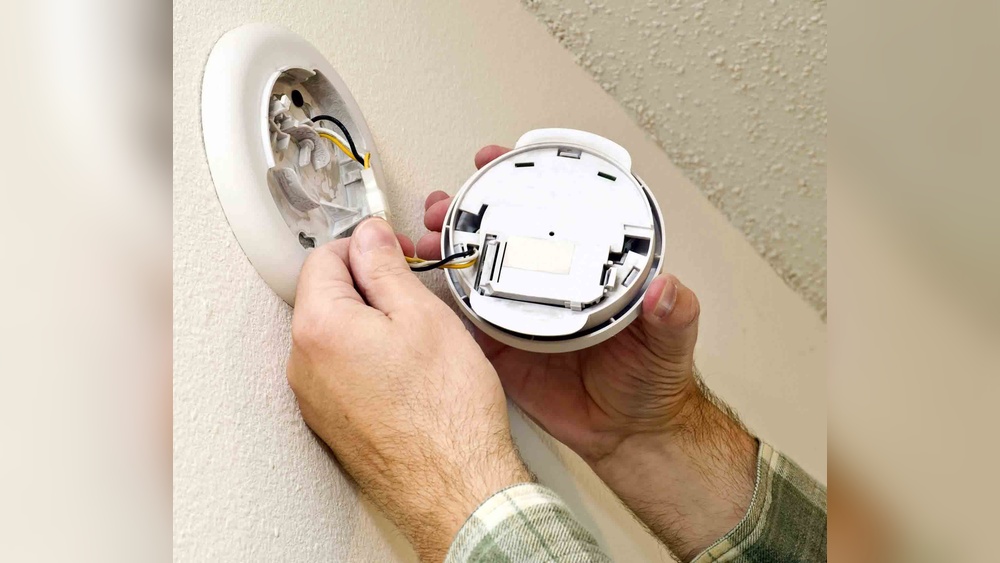

Your smoke detector is one of the most important safety devices in your home. But what happens when its battery dies or needs replacing?
Knowing how to take the battery out of a smoke detector is a simple skill that can save you time and frustration. In this guide, you’ll learn easy steps to remove the battery quickly and safely. Keep reading to make sure your smoke detector stays in top shape and your home stays protected.
Tools Needed
Removing the battery from a smoke detector is simple with the right tools. Having these tools ready saves time and effort. It also keeps the process safe and smooth.
Most smoke detectors use common batteries and basic mechanisms. Knowing the tools helps you avoid damage to the detector or battery. It also helps keep your home safe during maintenance.
Flathead Screwdriver
A flathead screwdriver helps open the smoke detector’s cover. Many models use small screws to secure the battery compartment. This tool fits easily into the screw slots. It allows you to loosen or tighten screws carefully.
Step Stool Or Ladder
Smoke detectors are often on ceilings or high walls. A step stool or ladder provides safe access. It helps you reach the detector without stretching or risking a fall. Choose a sturdy one that fits well in your space.
Replacement Battery
Keep a replacement battery ready before removal. Most smoke detectors use 9-volt or AA batteries. Check the battery type on your device. Having the right replacement ensures quick swapping and continued protection.
Soft Cloth
A soft cloth helps clean the smoke detector gently. Dust can build up around the battery compartment. Cleaning prevents false alarms and keeps the detector working well. Use the cloth to wipe the surface carefully.

Credit: www.youtube.com
Locate The Smoke Detector
Before removing a battery from a smoke detector, you must find where it is located. Smoke detectors are usually installed in specific spots for safety. Knowing their exact place makes the process easier and faster. This section helps you find the smoke detector in your home or building.
Check Common Ceiling Locations
Smoke detectors are often on ceilings. They stay away from corners or walls. Look near the center of rooms or hallways. Kitchens and bedrooms usually have at least one detector on the ceiling.
Look Near Bedrooms And Hallways
Many smoke detectors are near sleeping areas. This location helps alert people quickly at night. Walk through hallways and check walls close to bedrooms. The detectors may be mounted there for safety rules.
Inspect Living Areas And Basements
Living rooms and basements can also have smoke detectors. These areas might have one on the ceiling or high on the wall. Check places where people spend a lot of time or where fires might start.
Use A Ladder Or Step Stool Safely
Some smoke detectors are high up and hard to reach. Use a ladder or step stool to see better. Make sure the ladder is stable. Never climb without help if you feel unsure.
Remove The Smoke Detector From The Ceiling
Removing the smoke detector from the ceiling is the first step to change its battery. It is simple and takes only a few moments. You need a sturdy ladder or a chair to reach the detector safely.
Make sure the power is off if your smoke detector is hardwired. This avoids any electric shock. Detectors usually twist or slide off the mounting plate on the ceiling.
Prepare Your Tools And Safety Gear
Gather a ladder or a stable chair to reach the detector. Wear safety glasses if dust is present. Turn off the power from the circuit breaker for hardwired models.
Look for the smoke detector on the ceiling. It is often near bedrooms or hallways. Identify the mounting plate holding the detector in place.
Remove The Detector From The Mounting Plate
Hold the smoke detector firmly. Twist it counterclockwise or slide it sideways. Gently pull it down from the ceiling.
Handle The Detector Carefully
Keep the detector steady while removing. Avoid dropping or shaking it. Place it on a flat surface for battery removal.
Open The Battery Compartment
Opening the battery compartment of a smoke detector is the first step to replacing its battery. This part holds the battery securely inside the device. Knowing how to open it safely helps you keep your smoke detector working well. Most smoke detectors have a simple design to access the battery compartment.
Take your time and follow easy steps. Avoid forcing the compartment open. This prevents damage to the smoke detector and keeps it functional.
Locate The Battery Compartment
Look at the back or side of the smoke detector. The battery compartment is usually a small door or cover. It often has a latch or a slot to open it. Check for a small indentation or tab that you can press or slide.
Use Your Fingers Or A Tool
Try to open the compartment using your fingers first. Press or slide the latch gently. If it is tight, use a flathead screwdriver or a coin. Insert it carefully into the slot and twist slowly. This helps to avoid breaking the cover.
Remove The Battery Cover
Once the latch releases, lift or slide the cover off. Keep the cover safe so you can close the compartment later. Do not force the cover open as it can crack or break. Handle it with care to protect the smoke detector.
Take Out The Battery
Taking out the battery from a smoke detector is simple and quick. It helps in replacing old batteries or stopping false alarms. Follow these easy steps to remove the battery safely.
Turn Off The Smoke Detector
First, press the test button on the detector. This stops the alarm from sounding when you remove the battery. Some models have a switch to turn off power.
Remove The Detector From The Ceiling
Hold the base firmly. Twist the smoke detector counterclockwise. Gently pull it down from the mounting bracket. This gives access to the battery compartment.
Look for a small door or clip on the back. Slide or lift it open carefully. Avoid using sharp tools to prevent damage.
Take Out The Old Battery
Remove the battery by pulling it out from its slot. Note the battery type for replacement. Dispose of old batteries properly to protect the environment.
Replace The Battery
Replacing the battery in your smoke detector is crucial for safety. A fresh battery keeps the alarm working correctly. Smoke detectors warn you early about fire dangers. Dead batteries stop the alarm from sounding. Change the battery regularly to avoid risks.
Choose The Right Battery
Use the battery type recommended by the manufacturer. Most smoke detectors use 9-volt or AA batteries. Check the old battery to match the size and voltage. Using the wrong battery can damage the device. Always buy fresh, high-quality batteries for best results.
Remove The Old Battery
Open the smoke detector’s battery compartment carefully. Take out the old battery by pulling it gently. Avoid forcing the battery to prevent damage. Dispose of the old battery properly. Do not leave it inside the detector or nearby.
Insert The New Battery
Place the new battery into the compartment correctly. Match the positive (+) and negative (-) ends with the markings. Push the battery firmly but gently into place. Make sure it fits securely to keep the alarm active.
Press the test button on the detector after replacement. Listen for a loud beep or series of beeps. This sound means the battery works and the alarm is ready. Test the alarm every month to ensure proper function. Replace the battery immediately if the beep is weak or missing.
Test The Smoke Detector
Testing the smoke detector after removing the battery is important. It helps ensure the device works correctly. A properly working smoke detector keeps your home safe from fires.
Testing is simple and quick. It confirms the detector will alert you in case of smoke or fire. Never skip this step after battery replacement or removal.
Locate The Test Button
Find the test button on the smoke detector’s face. It is usually a small, round button. This button activates the alarm sound for testing.
Press And Hold The Test Button
Press the test button firmly. Hold it for about 5 to 10 seconds. The alarm should sound loudly during this time.
Listen For The Alarm Sound
The alarm sound must be loud and clear. A weak or no sound means the battery or detector may have issues. Replace the battery or check the device if no sound occurs.
Reset The Smoke Detector
After testing, release the test button. The alarm will stop. Some detectors reset automatically, while others need a small press to reset.

Credit: www.housebeautiful.com
Safety Tips
Removing the battery from a smoke detector requires care and attention. Safety is the top priority during this task. Follow these tips to avoid accidents and keep your home protected.
Turn Off The Power
Switch off the power to the smoke detector at the circuit breaker. This prevents electric shock or false alarms while handling the device.
Use A Stable Ladder
Use a sturdy ladder to reach the smoke detector safely. Avoid standing on chairs or unstable objects to prevent falls.
Handle The Battery Carefully
Remove the battery gently to avoid damage. Do not use sharp tools that may puncture the battery or the device.
Check The Battery Type
Identify the correct battery type before removal. Using the wrong battery can cause the detector to fail or get damaged.
Dispose Of Batteries Properly
Recycle old batteries at designated centers. Do not throw them in regular trash to protect the environment and reduce fire risk.
Test The Detector After Replacement
After replacing or removing the battery, test the smoke detector. Press the test button to ensure it works correctly.
When To Replace The Battery
Batteries should be replaced when the smoke detector beeps or stops working. Remove the cover and gently take out the old battery. Always check the battery type before inserting a new one.
Signs The Battery Needs Replacement
Smoke detectors often beep when the battery runs low. This sound is a clear warning. The beep usually happens every minute or so. Don’t ignore this signal. It means the battery cannot power the alarm properly. Replace the battery immediately to keep your home safe.
Recommended Battery Replacement Schedule
Change the battery at least once a year. Some experts suggest replacing it every six months. Regular replacement avoids sudden battery failure. Mark your calendar or set a reminder. Consistent maintenance ensures the smoke detector works when needed.
After An Alarm Activation
Replace the battery after a smoke alarm sounds. The alarm uses extra power during a fire or test. A fresh battery keeps the detector reliable. Don’t wait for the beep before changing it. Change the battery right after the alarm event.
Credit: support.firstalert.com
Frequently Asked Questions
How Do I Safely Remove A Smoke Detector Battery?
Turn off the power to the smoke detector first. Twist or slide the detector off its mounting plate. Open the battery compartment, then gently remove the battery.
What Type Of Battery Do Smoke Detectors Use?
Most smoke detectors use a 9-volt battery or AA batteries. Check your model’s manual to confirm the correct battery type.
How Often Should I Replace Smoke Detector Batteries?
Replace smoke detector batteries at least once a year. Change them immediately if the detector chirps, indicating low battery.
Can I Remove The Battery Without Disabling The Alarm?
No, removing the battery disables the alarm. Always turn off the power or remove the device from its base first.
Conclusion
Removing the battery from a smoke detector is simple and quick. Always turn off the alarm before starting. Gently open the cover and take out the battery. Replace it with a new one to keep your home safe. Regular checks help the detector work well.
Never ignore a low battery warning. Stay alert and protect your family with these easy steps. Safety begins with small actions like this.